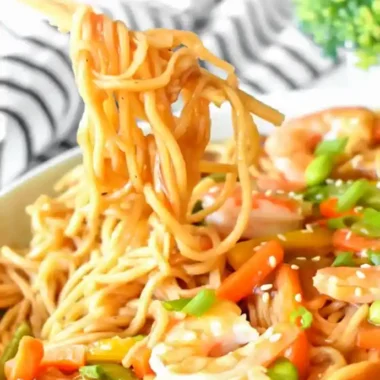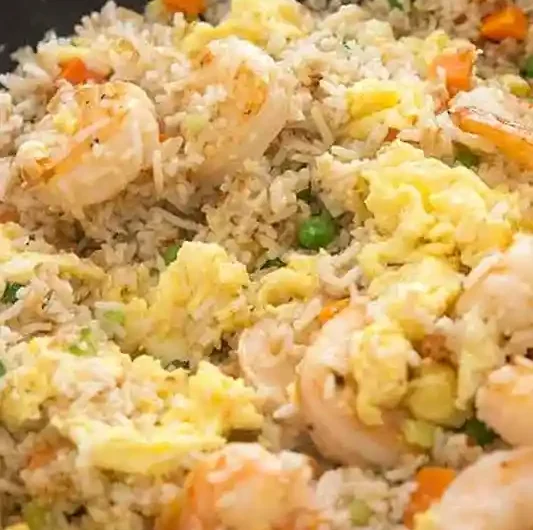
This quick meal uses chilled rice to achieve a professional texture and deep flavor. It is an efficient way to utilize leftovers while incorporating fresh proteins and colorful vegetables.
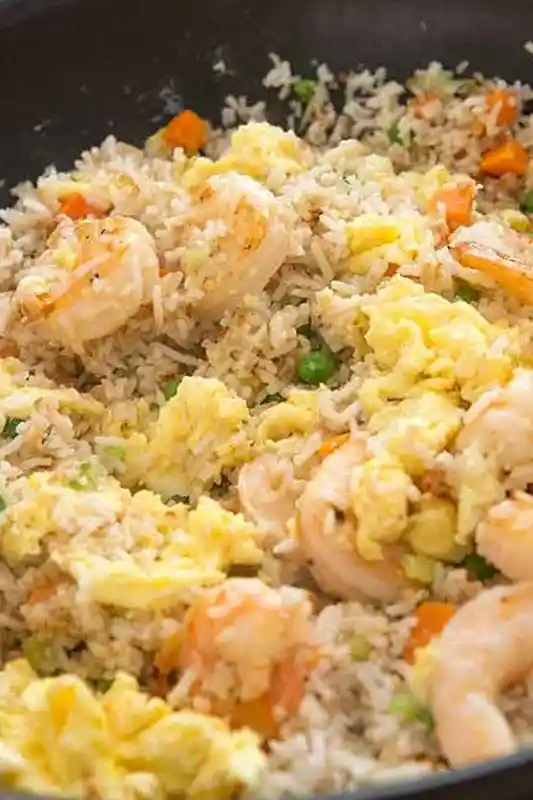
List of ingredients
- 8 ounces small raw shrimp, shelled and deveined – use small shrimp for even cooking.
- 1/2 teaspoon kosher salt – enhances the natural flavor of the seafood.
- Freshly ground black pepper – adds a subtle heat.
- 1/2 teaspoon cornstarch – helps the shrimp sear and stay juicy.
- 3 tablespoons peanut oil, canola oil, or rice bran oil – chosen for high smoke points.
- 3 eggs, beaten – provides richness and texture.
- 2 stalks green onion, minced – adds a fresh, sharp contrast.
- 4 cups leftover rice, grains separated well – day-old chilled rice is essential.
- 3/4 cup frozen peas and carrots, defrosted – provides sweetness and color.
- 1 tablespoon soy sauce, plus more to taste – use gluten-free tamari if needed.
- 1 teaspoon dark toasted sesame oil – added at the end for aromatic depth.
step-by-step instructions
- Prepare the shrimp: In a medium bowl, sprinkle the shrimp with salt, pepper, and cornstarch, and toss to coat. Set aside to sit for ten minutes at room temperature to allow the seasoning to penetrate.
- Heat the pan: Heat a large sauté pan or wok on high heat. A seasoned cast iron or hard anodized aluminum pan is recommended. When a drop of water instantly sizzles, swirl in one tablespoon of cooking oil.
- Sear the shrimp: Add shrimp in a single layer and fry without moving for 30 seconds. Flip and fry for another 30 seconds until mostly cooked but not fully done. Remove shrimp to a bowl using a slotted spoon.
- Cook the eggs: Lower the heat to medium and add a small amount of oil if necessary. Pour in the beaten eggs and stir quickly to scramble. When the eggs are slightly runny, transfer them to the bowl with the shrimp.
- Sauté aromatics and rice: Clean the pan with paper towels and return to high heat. Add the remaining oil until it is shimmering. Sauté minced green onions for 15 seconds, then stir in the leftover rice.
- Fry the rice: Spread the rice evenly and let it fry undisturbed for 1 to 2 minutes until it sizzles. Use a spatula to turn the rice over and fry for one more minute to ensure browning.
- Final combination: Sprinkle soy sauce over the rice and stir. Incorporate the defrosted carrots, peas, cooked shrimp, scrambled eggs, and sesame oil. Heat until sizzling hot and add more soy sauce if desired.
Essential Techniques for Professional Fried Rice
The Science of Chilled Rice
Using day-old rice is the most critical factor for success. Freshly cooked rice contains too much moisture, which leads to clumping and a mushy consistency when fried. Refrigeration allows the starch grains to undergo retrogradation, making them firmer and more resistant to breaking during the stir-frying process.
Maintaining High Heat and Wok Hei
High heat is necessary to create the ‘breath of the wok,’ or wok hei. This process involves the caramelization of sugars and the rapid evaporation of moisture, resulting in a smoky flavor. Ensure your pan is shimmering hot before adding oil to prevent the ingredients from sticking and steaming rather than searing.
The Benefit of Separate Cooking
Cooking protein, eggs, and rice in stages prevents the pan temperature from dropping too low. If all ingredients are added at once, the pan cools down, and the vegetables release water, leading to a boiled rather than fried result. By removing the shrimp and eggs, you maintain the high heat required to sear the rice grains effectively.
Controlling the Stirring Process
Excessive stirring prevents the rice from developing a golden-brown crust. To achieve a toasted flavor, spread the rice in a flat layer and let it sit undisturbed for a few minutes. This encourages the Maillard reaction, where amino acids and reducing sugars react under heat to create complex flavors.
Protein and Vegetable Alternatives
Substituting Other Seafood
While shrimp is classic, scallops or chopped lobster tails work exceptionally well. Scallops should be patted dry and seared quickly on high heat to avoid toughness. Lobster provides a richer, sweeter flavor and should be cut into bite-sized pieces for even distribution.
Plant-Based Protein Options
Extra-firm tofu is an excellent substitute for shrimp. Press the tofu to remove excess water, cube it, and toss it with cornstarch and salt before frying. For a different texture, edamame or tempeh can be used to add plant-based protein and a nutty flavor.
Expanding the Vegetable Mix
Beyond peas and carrots, diced water chestnuts add a desirable crunch. Finely diced red bell peppers provide sweetness and visual contrast. For an earthy flavor, add sliced shiitake mushrooms, sautéing them in the first stage with the protein.
Adding Fresh Aromatics
Minced garlic and grated ginger are powerful additions to the aromatic stage. Add them just before the rice to prevent the garlic from burning. These additions create a more complex flavor base that complements the soy sauce and sesame oil.
Flavor Customization and Seasoning
Enhancing Umami with Oyster Sauce
To add a deeper, savory richness, replace a portion of the soy sauce with oyster sauce. Oyster sauce provides a thicker consistency and a concentrated salty-sweet flavor. This is a common technique in restaurant-style fried rice to achieve a professional glaze.
Incorporating Spicy Elements
For those who prefer heat, add Sriracha or chili garlic sauce during the final mixing stage. Alternatively, sauté finely chopped jalapeños or Thai bird’s eye chilies with the green onions. This adds a sharp, immediate heat that cuts through the richness of the oil.
Using Different Rice Varieties
Long-grain Jasmine rice is preferred for its aromatic scent and fluffy texture. Basmati rice also works well due to its length and tendency to stay separate. Avoid short-grain or sticky rice, as they contain too much amylopectin, which makes the dish gluey.
Balancing Saltiness and Acidity
If the dish tastes too salty, add a pinch of sugar to balance the flavor. A small splash of rice vinegar added at the end can provide a bright acidity that lightens the dish. Always taste the rice before adding the final amount of soy sauce.
Serving and Storage Guidelines
Optimal Garnishes for Presentation
Freshly sliced green onions provide a sharp contrast to the fried rice. Toasted sesame seeds add a nutty aroma and a professional visual finish. A side of sliced cucumbers or pickled radishes can provide a refreshing palate cleanser.
Refrigeration and Shelf Life
Store leftovers in an airtight container in the refrigerator for up to three to four days. Keep the container sealed tightly to prevent the rice from drying out further. Ensure the rice is cooled slightly before sealing to prevent excessive condensation inside the container.
Best Reheating Methods
Reheating fried rice in a skillet over medium-high heat is the best way to restore the texture. Add a teaspoon of water or oil to help steam the grains back to softness. Avoid reheating in the microwave for long periods, as this can make the shrimp rubbery.
Make-Ahead Preparation Tips
You can prep the vegetables and mince the onions a day in advance. The shrimp can be shelled and deveined and stored in the fridge. However, the actual frying process must be done quickly to ensure the components maintain their individual textures.
Common Troubleshooting and Solutions
Preventing Mushy Rice
If your rice is turning out mushy, it is likely because the rice was too fresh or the pan was not hot enough. Ensure the rice is completely cold and that you do not overcrowd the pan. Overcrowding lowers the temperature and causes the rice to steam in its own moisture.
Stopping Shrimp from Overcooking
Shrimp cook very quickly and become rubbery if left in the pan. Follow the timing strictly: 30 seconds per side. Removing them when they are barely opaque ensures they finish cooking perfectly when added back to the hot rice at the end.
Preventing Eggs from Sticking
Ensure the pan is properly heated and oiled before adding the beaten eggs. Using a non-stick pan or a well-seasoned cast iron skillet helps significantly. Stirring the eggs quickly as they hit the pan creates small curds that are less likely to stick to the surface.
Managing Oil Smoke Points
Using butter or extra virgin olive oil can lead to burning and a bitter taste due to low smoke points. Stick to peanut, canola, or rice bran oil, which can withstand the high temperatures required for stir-frying without breaking down.
Frequently Asked Questions
Can I use freshly cooked rice?
It is not recommended because fresh rice is too moist and sticky. If you must use fresh rice, spread it on a baking sheet and freeze it for 15-30 minutes to dry out the exterior of the grains before frying.
What is the best oil for high-heat frying?
Peanut oil is highly recommended for its high smoke point and neutral flavor. Rice bran oil and canola oil are also excellent choices that will not burn at the temperatures needed for a wok.
How do I make this gluten-free?
Substitute the standard soy sauce with tamari or coconut aminos. These alternatives provide the same salty, umami flavor without containing wheat.
Can I freeze fried rice?
Yes, fried rice can be frozen for up to two months. Freeze it in single-serving portions in freezer-safe bags. Thaw in the refrigerator overnight before reheating in a skillet for the best results.
Print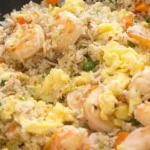
Savory Shrimp Fried Rice
- Total Time: 30 minutes
- Yield: 4 servings 1x
- Diet: General
Description
Our recipe for classic shrimp fried rice is easy, satisfying, and incredibly delicious, made with fresh shrimp, rice, green onions, peas, carrots, and sesame oil.
Ingredients
- 8 ounces small raw shrimp, shelled and deveined
- 1/2 teaspoon kosher salt
- freshly ground black pepper
- 1/2 teaspoon cornstarch
- 3 tablespoons peanut oil, canola oil, or rice bran oil
- 3 eggs, beaten
- 2 stalks green onion, minced
- 4 cups leftover rice, grains separated well
- 3/4 cup frozen peas and carrots, defrosted
- 1 tablespoon soy sauce, plus more to taste
- 1 teaspoon dark toasted sesame oil
Instructions
- Toss shrimp: In a medium bowl, sprinkle the shrimp with salt, pepper, and cornstarch, and toss to coat. Set aside to sit for ten minutes at room temperature.
- Heat pan: Heat a large sauté pan or wok on high heat. When the pan is very hot, swirl in one tablespoon of the cooking oil to coat the pan.
- Sear shrimp: Add the shrimp to the hot pan in a single layer. Let them fry without moving for 30 seconds, then flip and fry for another 30 seconds or until mostly cooked through. Use a slotted spoon to scoop the shrimp out to a bowl.
- Cook eggs: Lower the heat to medium. Add a little more oil if needed. Add the beaten eggs and stir quickly to scramble. When the eggs are not quite cooked through and still a bit runny, transfer them to the bowl with the shrimp.
- Fry rice: Clean out the pan, return to high heat, and swirl in the remaining oil. Add the green onions and sauté for 15 seconds. Add the leftover cooked rice, stir to mix, spread over the surface, and fry for 1 to 2 minutes. Turn over the rice and cook for one minute longer.
- Combine: Sprinkle soy sauce on the rice and stir to combine. Add the carrots, peas, shrimp, eggs, and sesame oil, stirring to combine well. Heat everything until sizzling hot and add more soy sauce to taste.
Notes
Use chilled leftover rice for the best results. Freshly made rice will make the fried rice mushy.
- Prep Time: 15 minutes
- Cook Time: 15 minutes
- Category: Side Dish
- Method: Stir-fry
- Cuisine: Chinese
Nutrition
- Serving Size: 1 serving
- Calories: 419 kcal
- Sugar: 2 g
- Sodium: 774 mg
- Fat: 16 g
- Saturated Fat: 3 g
- Unsaturated Fat: 13 g
- Trans Fat: 0 g
- Carbohydrates: 49 g
- Fiber: 2 g
- Protein: 18 g
- Cholesterol: 211 mg
Keywords: shrimp fried rice, Chinese, quick dinner, easy fried rice