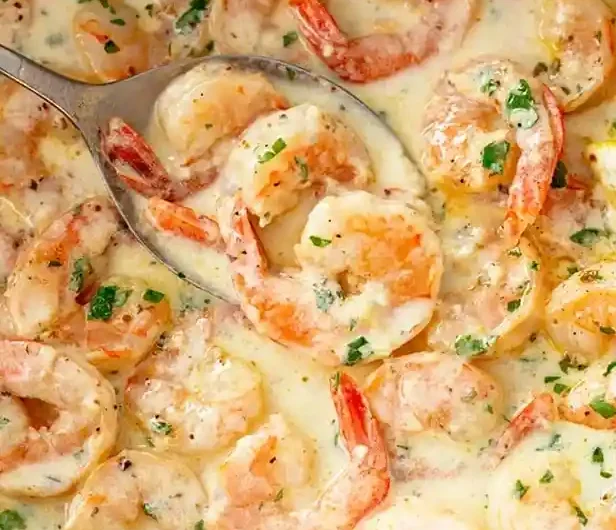
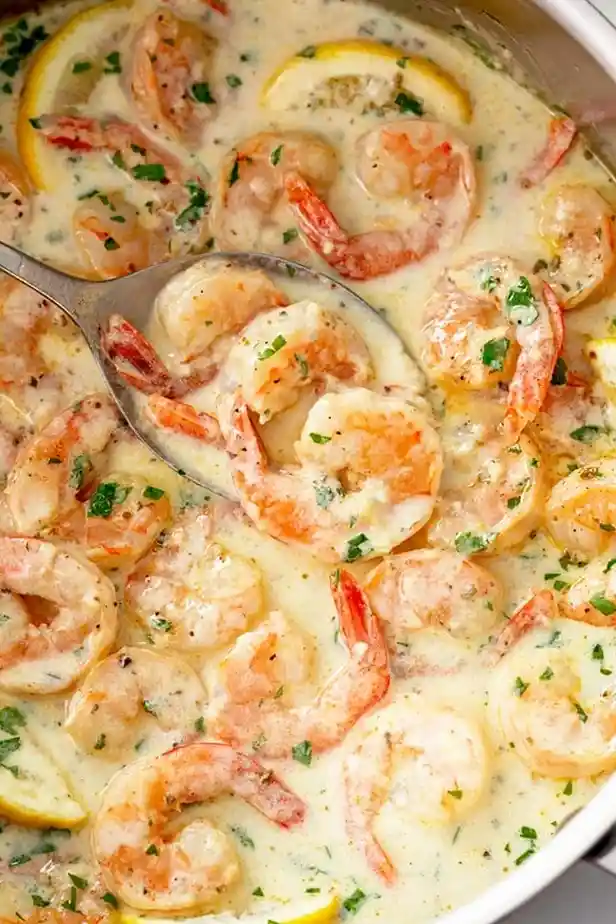
This skillet meal combines succulent shrimp with a rich Parmesan garlic cream sauce for a gourmet result in under 30 minutes. It is a versatile dish that pairs perfectly with a variety of starches or vegetables.
List of ingredients
- 1 lb. large uncooked shrimp – preferably 26/30 count, peeled and deveined.
- 2 tablespoons olive oil – used for searing the shrimp.
- 1/2 cup chicken broth – used as a base for the sauce (replaces white wine).
- 4 cloves garlic – finely minced for maximum flavor release.
- 1/2 cup chicken broth – additional broth for simmering and reduction.
- 1/2 teaspoon Italian seasoning – provides a blend of dried herbs.
- 1/2 teaspoon mustard powder – acts as a flavor enhancer and stabilizer.
- 1 cup heavy cream – creates the rich, creamy texture.
- 3/4 cup Parmesan cheese – freshly grated from a wedge using microbial rennet.
- 2 tablespoons fresh lemon juice – added at the end for brightness.
- 3 tablespoons cold butter – used for the finishing glaze.
- 1/4 cup freshly chopped parsley – for a fresh garnish and color.
step-by-step instructions
- Prepare the Shrimp: Ensure shrimp are completely thawed and pat them dry with paper towels to ensure a proper sear. Remove shells, tails, and veins if not already done.
- Sear the Shrimp: Heat olive oil in a large skillet over medium-high heat. Add the shrimp and cook for approximately 1 minute and 20 seconds per side. Transfer the shrimp to a clean plate, keeping in mind they will finish cooking in the sauce.
- Develop the Base: Reduce heat to medium and add the first 1/2 cup of chicken broth and the minced garlic to the skillet. Bring to a bubble and let the liquid reduce by half, which takes about 3 to 4 minutes.
- Simmer and Concentrate: Stir in the remaining 1/2 cup of chicken broth, Italian seasoning, and mustard powder. Let the mixture simmer for 6 to 7 minutes to thicken and concentrate the savory flavors.
- Incorporate Dairy: Lower the heat to low. Stir in the heavy cream followed by the freshly grated Parmesan cheese until the sauce is smooth and incorporated.
- Final Assembly: Return the seared shrimp to the skillet and heat through for 30 seconds. Tilt the pan and swirl in the cold butter until it is fully melted and glossy.
- Finish and Garnish: Remove the skillet from the heat immediately and stir in the fresh lemon juice. Garnish with chopped parsley before serving.
Optimizing Shrimp Texture and Quality
Selecting the Ideal Shrimp Size
The 26/30 count refers to the number of shrimp per pound, which indicates a large size. Large shrimp are ideal for this recipe because they hold up well to searing and do not overcook as quickly as smaller varieties.
Properly Thawing Frozen Seafood
If using frozen shrimp, thaw them under a stream of cool running water. Avoid thawing in warm water or at room temperature to maintain food safety and texture.
Managing the Searing Process
Patting the shrimp dry is the most critical step for achieving a golden-brown exterior. Excess moisture creates steam, which prevents the shrimp from searing and leads to a rubbery texture.
Identifying the Doneness Stage
Shrimp are perfectly cooked when they curl into a ‘C’ shape. If they curl tightly into an ‘O’ shape, they are overcooked, which results in a tough, chewy consistency.
Mastering the Garlic Cream Sauce
Using Freshly Grated Parmesan
Always grate Parmesan from a solid wedge rather than using pre-shredded bagged cheese. Pre-shredded cheeses are coated in potato starch or cellulose to prevent clumping, which can make the sauce grainy.
Controlling the Temperature for Dairy
Keep the heat low when adding the cheese and heavy cream. If the sauce is boiling too vigorously, the fats in the dairy can separate, leading to an oily or broken sauce.
The Role of Cold Butter
Adding cold butter at the end is a technique known as monter au beurre. This creates a velvety, glossy emulsion that thickens the sauce and adds a professional restaurant-style finish.
Preventing Acid-Induced Curdling
Lemon juice must be added after the skillet is removed from the heat. The acidity of the lemon can cause the cream to curdle if it is introduced to the sauce while it is still boiling.
Ingredient Substitutions and Alternatives
Replacing the Wine Component
To achieve the acidity and depth of white wine without using alcohol, use an equal amount of chicken broth combined with a teaspoon of apple cider vinegar or white wine vinegar. This mimics the tartness needed to balance the heavy cream.
Dairy Alternatives for the Sauce
For a slightly lighter version, you can substitute heavy cream with half-and-half, though you may need to simmer the sauce longer to achieve the same thickness. Ensure any substitute is full-fat to prevent separation.
Herb Variations
While parsley is the traditional garnish, fresh basil or chives provide excellent alternatives. Basil adds a sweet, peppery note, while chives offer a mild onion flavor that complements the garlic.
Adjusting the Garlic Intensity
If you prefer a milder garlic flavor, you can use roasted garlic cloves mashed into a paste. For a more pungent kick, add a pinch of garlic powder during the simmering stage.
Serving and Pairing Suggestions
Preparing the Perfect Pasta Base
Linguine or fettuccine are the best choices for this creamy sauce. Boil the pasta until al dente, reserving about a half cup of starchy pasta water to toss with the shrimp and sauce for better adhesion.
Low-Carb Vegetable Options
Serve this dish over sautéed zucchini noodles or steamed asparagus for a low-carbohydrate meal. The rich sauce acts as a flavorful dressing for these fresh vegetables.
Grain and Starch Pairings
Basmati or jasmine rice provides a neutral base that absorbs the garlic cream sauce. Alternatively, serving the shrimp with crusty sourdough bread allows you to soak up every bit of the sauce.
Complementary Side Dishes
A crisp green salad with a light vinaigrette balances the richness of the Parmesan cream. Roasted broccoli or sautéed spinach also add nutritional value and a fresh contrast to the dish.
Storage and Reheating Guidance
Refrigeration Basics
Store any leftover shrimp and sauce in an airtight container in the refrigerator for up to three days. Keep the sauce and shrimp together to maintain moisture during storage.
Best Reheating Methods
Reheat the dish slowly over low heat in a skillet. Add a splash of milk or chicken broth to loosen the sauce, as the Parmesan and cream tend to thicken significantly when chilled.
Why Freezing is Discouraged
Cream-based sauces often break or separate upon freezing and thawing. Additionally, shrimp can become rubbery when frozen after they have already been cooked.
Troubleshooting Common Issues
Addressing the Blue Garlic Phenomenon
Sometimes garlic can turn a blue or green tint when it reacts with acidic ingredients like lemon juice or vinegar. This is a natural chemical reaction involving enzymes and is completely safe to eat.
Fixing a Grainy Sauce Texture
If the sauce becomes grainy, it is usually due to the cheese being added to a sauce that was too hot. You can attempt to fix this by whisking in a tablespoon of warm cream over very low heat.
Managing a Watery Consistency
If the sauce is too thin, allow it to simmer for a few extra minutes before adding the cream. Alternatively, whisk in a small amount of additional Parmesan cheese to thicken the emulsion.
Frequently Asked Questions
Can I use frozen shrimp for this recipe?
Yes, frozen shrimp work perfectly as long as they are completely thawed and patted dry before they hit the pan. This ensures they sear rather than steam.
What is the best type of garlic to use?
Fresh garlic cloves are significantly better than jarred minced garlic. Fresh garlic provides a sharper, more authentic flavor and is less likely to produce an artificial aftertaste.
How do I avoid overcooking the shrimp?
Use a timer for the initial sear and do not let the shrimp simmer in the sauce for more than 30 to 60 seconds. They should just be heated through before serving.
Can I use a different cheese than Parmesan?
Pecorino Romano is a suitable alternative, though it is saltier than Parmesan. If using Pecorino, reduce the overall salt in the recipe to maintain balance.
Print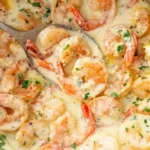
Creamy Garlic Shrimp
- Total Time: 30 minutes
- Yield: 4 servings 1x
- Diet: General
Description
This Creamy Garlic Shrimp is an easy skillet meal with a delicious Parmesan garlic cream sauce. You’ll love serving this with pasta, rice, potatoes, or crusty bread!
Ingredients
- 1 lb. large uncooked shrimp
- 2 tablespoons olive oil
- ½ cup chicken broth (as a substitute for white wine)
- 4 cloves garlic, minced
- ½ cup chicken broth
- ½ teaspoon Italian seasoning
- ½ teaspoon mustard powder
- 1 cup heavy cream
- ¾ cup Parmesan cheese (microbial-rennet)
- 2 tablespoons fresh lemon juice
- 3 tablespoons cold butter
- ¼ cup freshly chopped parsley
Instructions
- Prepare the Shrimp: Thaw the shrimp completely and pat dry. Heat olive oil in a large skillet over medium-high heat, cook shrimp for about 1 minute and 20 seconds per side, then set aside on a plate.
- Reduce Aromatics: Add the chicken broth substitute and minced garlic to the skillet over medium heat and reduce by half for 3-4 minutes.
- Simmer Sauce: Add the chicken broth, Italian seasoning, and mustard powder. Bring to a gentle boil and simmer for 6-7 minutes to thicken.
- Add Dairy: Reduce heat to low. Stir in the heavy cream and then the Parmesan cheese until fully incorporated.
- Finish Shrimp: Return shrimp to the skillet and heat through for 30 seconds. Swirl in cold butter until melted.
- Final Touch: Remove from heat, stir in the lemon juice, and garnish with fresh parsley.
Notes
For pasta service, toss with al dente pasta and reserved pasta water. Use freshly grated cheese from a wedge for the best melt. Add lemon juice only after removing the pan from heat to prevent the cream from curdling.
- Prep Time: 15 minutes
- Cook Time: 15 minutes
- Category: Main Course
- Method: Sautéing
- Cuisine: American
Nutrition
- Serving Size: 1 serving
- Calories: 549 kcal
- Sugar: 2 g
- Sodium: 658 mg
- Fat: 43 g
- Saturated Fat: 23 g
- Unsaturated Fat: 16 g
- Trans Fat: 0.3 g
- Carbohydrates: 7 g
- Fiber: 0.2 g
- Protein: 31 g
- Cholesterol: 289 mg
Keywords: Creamy Garlic Shrimp, skillet meal, Parmesan garlic sauce, 30 minute dinner