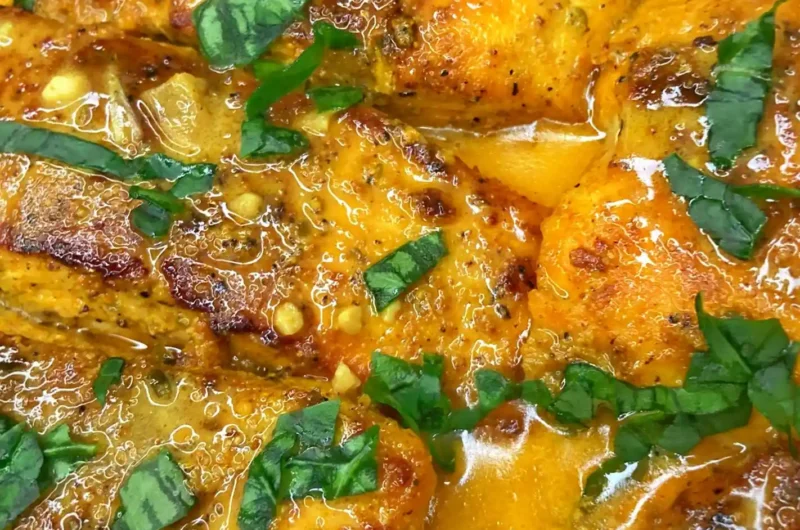
Enjoy a vibrant blend of Caribbean flavors with this creamy and aromatic fish dish. This recipe combines perfectly seasoned salmon with a rich coconut curry sauce for a restaurant-quality meal at home.
List of ingredients
- Salmon Fillets – fresh or thawed
- 1 tsp Garlic Powder – for base seasoning
- 1 tbsp Curry Powder (Betapac) – provides authentic Jamaican flavor
- 1 tsp Cumin – adds earthy depth
- 1 tsp Chili – for a mild heat kick
- 1 tsp Garlic salt – enhances savory notes
- 1 tsp Oregano – adds a subtle herbal touch
- ½ tsp Black Pepper – for sharp seasoning
- 1 tsp All-Purpose Seasoning – for a rounded flavor profile
- 1 tbsp Olive Oil – for pan-frying
- 2 tsp Curry Powder (Betapac) – used specifically for the sauce
- 1 small Onion (or 2 Stalks of Escallion/Green Onion, crushed) – provides aromatic base
- 3 cloves Garlic (minced) – for pungent flavor
- 1-2 sprigs Fresh Thyme – adds fresh woody notes
- 1 Scotch Bonnet Pepper or Hot Pepper Sauce (optional) – for extra heat
- 1 can Coconut Milk (400ml) – creates the creamy sauce base
- 1 tsp Paprika – for color and sweetness
- ½ tsp Black Pepper – for sauce seasoning
- ½ tsp Salt – adjust to taste
step-by-step instructions
- Prepare the Fish: Wash the salmon fillets with a mixture of vinegar and lemon water. Pat the fillets completely dry with kitchen paper towels to ensure a proper sear.
- Season the Salmon: Rub the salmon with Garlic Powder, Curry Powder, Cumin, Chili, Garlic salt, Oregano, Black Pepper, and All-Purpose Seasoning. Ensure all sides are evenly coated.
- Sear the Salmon: Heat olive oil in a pan over medium-high heat. Carefully place the salmon skin-side down and sear for 3 minutes without moving it. Flip the fillets and cook for another 3 minutes, then transfer them to a plate. Keep the remaining oil in the pan for flavor.
- Sauté Aromatics: Reduce the heat to medium. Add the chopped onion, thyme, ginger, and minced garlic. Cook for approximately 30 seconds until fragrant, ensuring they do not burn.
- Simmer the Sauce: Pour in the coconut milk. Stir in the additional Curry Powder, Paprika, Black Pepper, and Salt. Reduce heat to low-medium and simmer for about 5 minutes until the sauce slightly thickens. Taste and adjust the salt as needed.
- Combine and Finish: Place the seared salmon fillets back into the sauce. Let them simmer for an additional 3 minutes to soak up the flavors. Remove from heat and serve immediately.
Choosing the Right Curry Powder
The Benefits of Betapac Curry Powder
Betapac is highly recommended for this recipe because it delivers a vibrant yellow color and a deep, complex flavor. It is a staple in Caribbean cooking and works exceptionally well with seafood and meats.
Understanding Jamaican Curry Blends
Jamaican curry powder typically contains a blend of turmeric, coriander, fenugreek, cumin, and pimento. This specific combination creates a different profile than Indian or Thai curries, leaning more toward earthy and savory notes.
Substituting with Generic Curry Powder
If you cannot find a Jamaican blend, a standard mild curry powder can be used. To mimic the Jamaican flavor, add a pinch of extra cumin and a touch of ground allspice to the mix.
Perfecting the Pan-Searing Process
Why You Must Pat Salmon Dry
Moisture on the surface of the fish creates steam, which prevents a crust from forming. Use paper towels to remove every drop of water before applying seasonings to ensure a golden-brown sear.
Managing Pan Temperature
The oil should be shimmering but not smoking before the fish hits the pan. If the oil is too cold, the salmon will stick; if it is too hot, the exterior will burn before the inside is cooked.
Achieving a Crispy Skin
Press the salmon down gently with a spatula for the first few seconds of searing. This ensures maximum contact with the heat and prevents the skin from curling, resulting in a uniform crispiness.
Alternative Cooking Methods
Using an Air Fryer for Salmon
Place the seasoned fillets in the air fryer basket, ensuring they do not touch. Cook at 400°F for 7 to 9 minutes depending on thickness. Prepare the curry sauce on the stove and pour it over the cooked fish.
Oven-Baking Instructions
Preheat your oven to 400°F and place the salmon on the center rack. Bake for 13 to 15 minutes until the center flakes easily with a fork. Pour the prepared stovetop sauce over the fillets and bake for 2 more minutes.
Poaching Salmon in Sauce
For a softer texture, skip the searing step and place the raw, seasoned fillets directly into the simmering coconut sauce. Cook on low heat for about 8 to 10 minutes until the fish is opaque throughout.
Plant-Based Protein Substitutions
Using Extra Firm Tofu
Press extra firm tofu to remove excess water, then cube it and season it with the same spice blend. Pan-fry the tofu until golden before adding it to the coconut curry sauce.
Cauliflower Steak Alternative
Slice a head of cauliflower into thick steaks and sear them in olive oil. Follow the same sauce instructions to create a hearty vegetarian version of this curry.
Mushrooms and Zucchini Options
Large chunks of portobello mushrooms or zucchini slices work well in this sauce. Sauté them quickly over high heat to prevent them from becoming too mushy before simmering in the curry.
Serving and Pairing Suggestions
Traditional White Rice
Long-grain white rice is the classic pairing for this dish. It acts as a neutral base that allows the bold flavors of the coconut curry gravy to stand out.
Coconut Rice Variation
For an even richer experience, cook your rice using half coconut milk and half water. This complements the sauce and adds a subtle sweetness to the entire meal.
Fresh Green Side Dishes
Serve the salmon with steamed bok choy, sautéed spinach, or a fresh garden salad. The acidity of a vinaigrette or the freshness of steamed greens balances the richness of the coconut milk.
Storage and Food Safety
Proper Refrigeration
Allow the curry salmon to cool completely before storing it in an airtight container. Keep it in the refrigerator for up to 3 days to maintain freshness and flavor.
Freezing Guidelines
This dish can be frozen for up to one month. Use a freezer-safe Ziploc bag or container, squeezing out as much air as possible to prevent freezer burn.
Best Reheating Practices
Reheat the salmon gently on the stovetop over low heat to avoid overcooking the fish. Alternatively, microwave on medium power in short bursts, stirring the sauce frequently.
Troubleshooting the Recipe
Fixing a Thin Sauce
If the sauce is too watery after simmering, increase the heat slightly and simmer for another 3 to 5 minutes. You can also stir in a small amount of cornstarch slurry to thicken it quickly.
Balancing Overly Salty Flavors
If the sauce becomes too salty, add a splash of extra coconut milk or a squeeze of fresh lime juice. The fat in the coconut milk and the acid in the lime help neutralize excess salt.
Preventing Sauce Separation
Avoid boiling the coconut milk vigorously, as this can cause the fats to separate from the solids. Keep the heat at a gentle simmer to maintain a smooth, creamy consistency.
Frequently Asked Questions
Can I use a different type of fish?
Yes, this recipe works well with other firm fish like halibut, cod, or snapper. Adjust the cooking time based on the thickness of the fillet you are using.
Is this recipe dairy-free?
Yes, this recipe is naturally dairy-free because it uses coconut milk instead of cream or butter. It is a great option for those with lactose intolerance.
How do I know when the salmon is fully cooked?
The salmon is done when the internal temperature reaches 145°F or when the flesh easily separates (flakes) with a fork from the thickest part of the fillet.
Can I make this sauce without the Scotch Bonnet pepper?
Absolutely. If you prefer a milder dish, simply omit the pepper or replace it with a small pinch of paprika or a dash of mild hot sauce.
Print
Pan-Fried Jamaican Coconut Curry Salmon
- Total Time: 20 minutes
- Yield: 4 servings 1x
- Diet: Dairy-Free
Description
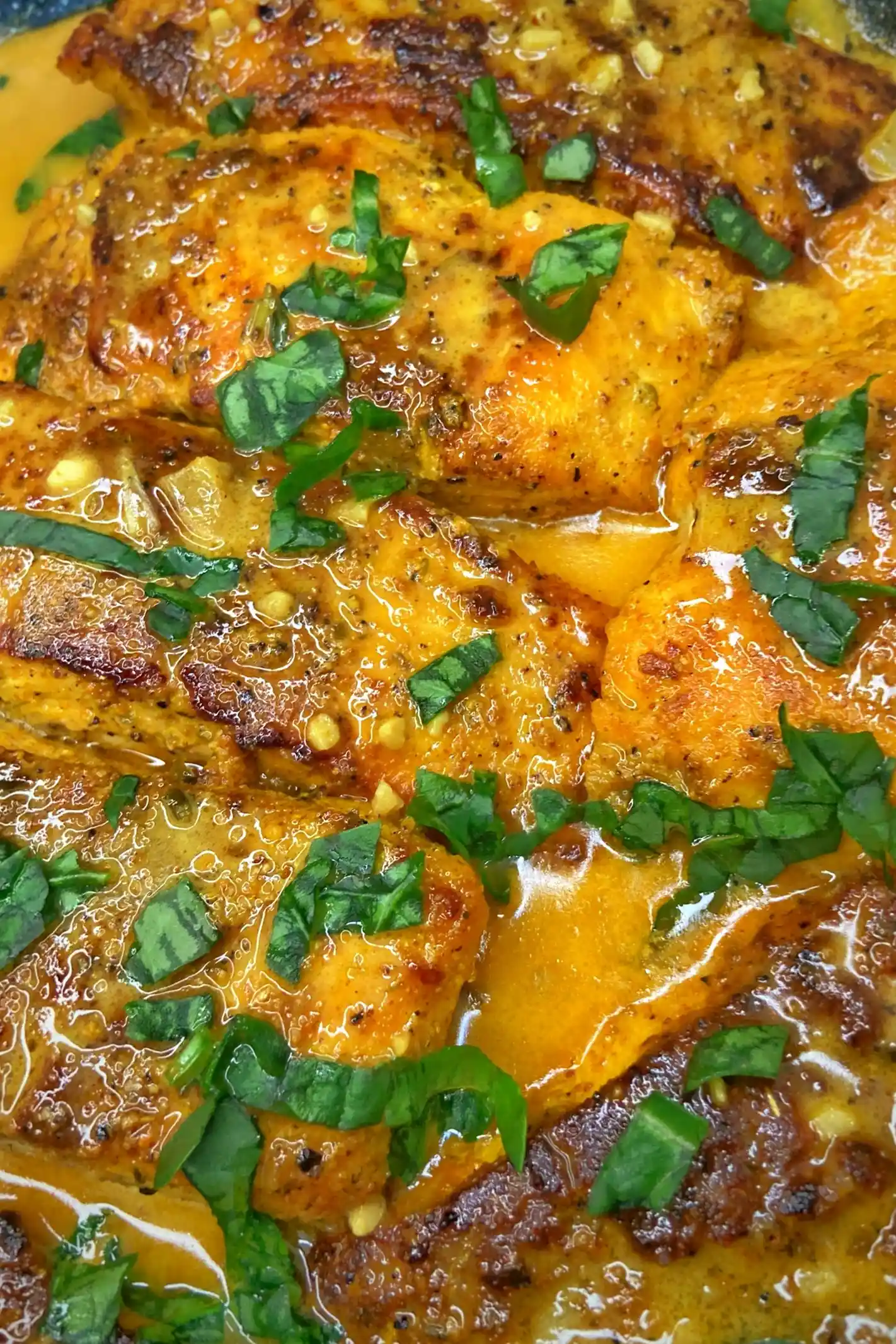
This coconut curry salmon is perfectly seasoned with flavorful Jamaican curry powder, pan-fried, and then simmered in a creamy curry coconut milk sauce. It is a bold, aromatic dish that pairs perfectly with a side of rice.
Ingredients
- Salmon fillets
- 1 tsp Garlic Powder
- 1 tbsp Curry Powder
- 1 tsp Cumin
- 1 tsp Chili
- 1 tsp Garlic salt
- 1 tsp Oregano
- ½ tsp Black Pepper
- 1 tsp All-Purpose Seasoning
- 1 tbsp Olive Oil
- 2 tsp Curry Powder
- 1 small Onion
- 3 cloves Garlic, minced
- 1–2 sprigs Fresh Thyme
- 1 Scotch Bonnet Pepper (optional)
- 1 can (400ml) Coconut Milk
- 1 tsp Paprika
- ½ tsp Black Pepper
- ½ tsp Salt
Instructions
- Wash: Wash salmon with vinegar and lemon water.
- Season: Pat the salmon dry with a kitchen paper towel and season with garlic powder, curry powder, cumin, chili, garlic salt, oregano, black pepper, and all-purpose seasoning.
- Sear: Heat olive oil on medium-high heat, add salmon skin side down and sear for 3 minutes; flip and cook for another 3 minutes, then transfer to a plate.
- Sauté: Reduce heat and add chopped onion, thyme, ginger, and garlic; cook for 30 seconds.
- Simmer Sauce: Pour in coconut milk, stir in curry powder, paprika, black pepper, and salt; simmer on low-medium heat for 5 minutes until slightly thickened.
- Combine: Return the seared salmon to the sauce, simmer for 3 minutes, and serve with rice.
Notes
This recipe can be made vegan or vegetarian by substituting the salmon with mushrooms, zucchini, sweet potato, or tofu.
- Prep Time: 5 minutes
- Cook Time: 15 minutes
- Category: Main Course
- Method: Pan-Frying
- Cuisine: Jamaican
Nutrition
- Serving Size: 1 fillet
- Calories: 252 kcal
- Sugar: 1 g
- Sodium: 650 mg
- Fat: 25 g
- Saturated Fat: 19 g
- Unsaturated Fat: 6 g
- Trans Fat: 0 g
- Carbohydrates: 9 g
- Fiber: 2 g
- Protein: 25 g
- Cholesterol: 65 mg
Keywords: air fried salmon, baked salmon, coconut curry salmon, curry salmon, easy salmon recipe