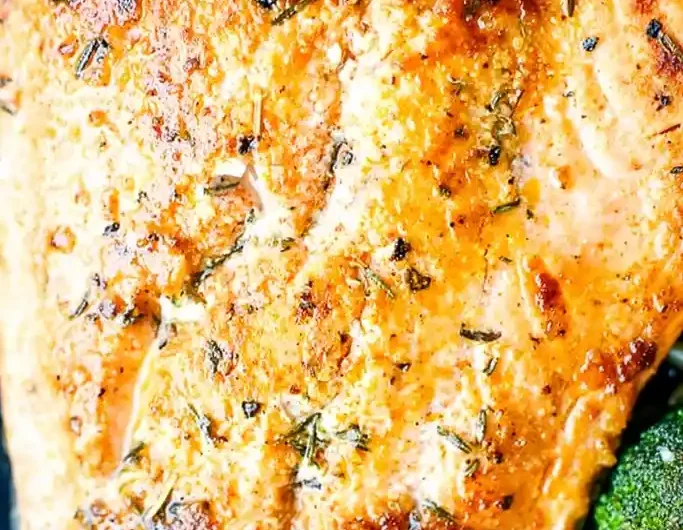
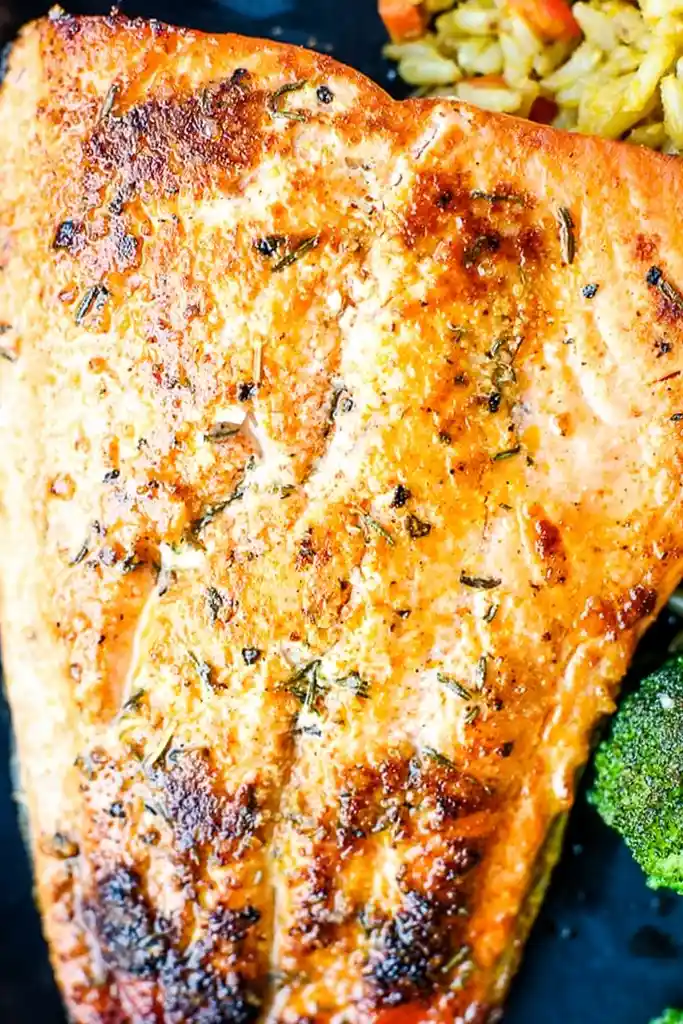
This recipe delivers restaurant-quality pan-fried salmon in about 15 minutes. It is a nutrient-dense meal that works perfectly for a quick weeknight dinner or a special occasion.
List of ingredients
- 1 teaspoon salt – enhances all other seasoning flavors.
- 1/2 teaspoon freshly ground black pepper – provides a mild, spicy kick.
- 1/2 teaspoon garlic powder – adds a savory, aromatic depth.
- 1/2 teaspoon dried onion powder – introduces a subtle sweetness.
- 1/2 teaspoon smoked paprika – gives the fish a woody, smoky aroma.
- 1/2 teaspoon thyme – adds a light, earthy herbal note.
- 2 tablespoons butter (or avocado oil for dairy-free) – used for searing and preventing sticking.
- 4 (skin on) 5-ounce salmon filets – the main protein source.
step-by-step instructions
- Prepare the seasoning: In a small bowl, combine the salt, pepper, garlic powder, onion powder, smoked paprika, and thyme.
- Season the fish: Dry the salmon filets thoroughly with a paper towel. Sprinkle the prepared seasoning blend evenly on each salmon filet.
- Start the sear: In a large skillet, melt the butter over medium-high heat. Place the salmon in the skillet with the skin side facing up.
- Cook and flip: Cook the first side until golden brown, about 4 minutes. Turn the fish over with a spatula and cook until the flesh is firm to the touch and the skin is crispy, about 3 minutes more.
Pro Techniques for a Perfect Sear
Patting the Fish Dry
Moisture on the surface of the fish creates steam, which prevents a proper sear. Use a clean paper towel to press firmly on all sides of the filets before applying seasoning. This ensures the skin becomes crispy and the flesh develops a golden crust.
Selecting the Right Cookware
A heavy-bottomed stainless steel or cast-iron skillet is ideal for this recipe. These materials distribute heat evenly and maintain a high temperature when the cold fish is added. Non-stick pans work well, but they may not produce as deep of a Maillard reaction as stainless steel.
Controlling the Surface Temperature
Wait for the butter or oil to shimmer or barely begin to brown before adding the fish. If the pan is too cold, the salmon will stick and boil in its own juices. If it is too hot, the spices may burn before the fish is cooked through.
Managing Pan Space
Avoid overcrowding the skillet by leaving at least an inch of space between each filet. Adding too many pieces of fish at once drops the pan temperature significantly. This leads to steaming rather than searing, which ruins the crispy texture of the skin.
Choosing High-Smoke Point Fats
While butter adds a rich flavor, it can burn at high temperatures. If you prefer not to use butter, avocado oil is an excellent alternative due to its high smoke point. This allows you to sear the fish at a higher heat without the oil breaking down or smoking.
Ingredient Swaps and Customizations
Alternative Herbal Seasonings
If you do not have thyme, dried oregano or parsley are suitable replacements. Rosemary is also a great option, although it has a stronger flavor that may dominate the dish. Use the same 1/2 teaspoon measurement to keep the flavor balanced.
Paprika Varieties for Different Tastes
Smoked paprika provides a distinct campfire aroma, but sweet paprika can be used for a milder taste. Hungarian paprika offers a slightly more pungent flavor profile. Ensure the paprika is fresh to avoid a bitter taste in the final dish.
Dairy-Free Fat Alternatives
For those avoiding dairy, avocado oil or grapeseed oil are the best choices for pan-frying. These oils are neutral in flavor and can withstand the medium-high heat required for a crisp sear. Avoid using extra virgin olive oil for high-heat searing as it can smoke too early.
Different Salmon Varieties
Atlantic salmon is common and fatty, which helps keep the fish moist. Sockeye salmon is leaner and has a bolder flavor, so it may cook slightly faster. King salmon is the richest option and is highly resistant to overcooking.
Pairing and Presentation Ideas
Complementary Starch Options
Rice pilaf with mixed vegetables provides a light and fluffy base for the savory salmon. Quinoa or farro are excellent nutrient-dense alternatives that add a nutty flavor. Roasted fingerling potatoes also pair well, offering a hearty contrast to the fish.
Roasted Green Vegetables
Broccoli roasted with a sprinkle of parmesan cheese complements the smokiness of the paprika. Asparagus spears sautéed in garlic and lemon are another classic pairing. Roasted Brussels sprouts provide a caramelized sweetness that balances the saltiness of the seasoning.
Fresh Acidic Salads
A crisp garden salad with a lemon-vinaigrette helps cut through the richness of the salmon. Cucumber and tomato salads with red onion add a refreshing crunch to the plate. A spinach salad with dried cranberries and walnuts provides a sweet and tart contrast.
Citrus Garnish Techniques
Serving the salmon with fresh lemon wedges is highly recommended. Squeezing fresh lemon juice over the fish just before eating enhances the natural flavor of the salmon. For a different twist, try a lime wedge for a slightly more zesty, tropical note.
Preservation and Warming Methods
Proper Refrigeration Steps
Allow the salmon to cool slightly before storing it to prevent excessive condensation. Wrap each filet tightly in aluminum foil or plastic wrap to keep air out. Place the wrapped filets in an airtight container and store them in the fridge for 3 to 4 days.
Gentle Oven Reheating
The best way to reheat salmon without drying it out is in the oven at 275 degrees Fahrenheit. Place the filets on a baking sheet and heat for 10 to 15 minutes. This gradual warming process preserves the moisture and texture better than high heat.
Precise Microwave Warming
If using a microwave, reduce the power setting to 50 percent to avoid overcooking the protein. Heat the salmon in 30-second intervals, checking the temperature after each burst. This prevents the fish from becoming rubbery or dry.
Utilizing Leftovers Cold
Cold pan-fried salmon is excellent when flaked into a salad or a wrap. You can mix the cold pieces with a bit of Greek yogurt, lemon, and dill for a quick salmon salad. It also works well as a protein addition to a breakfast bagel.
Common Cooking Issues and Solutions
Fixing Sticking Fish
If the salmon sticks to the pan, avoid forcing it, as this will tear the skin. Let the fish cook for another minute; usually, the salmon will naturally release from the pan once a proper crust has formed. Ensure your pan is sufficiently preheated next time.
Preventing Dry Texture
Overcooking is the primary cause of dry salmon. Use a meat thermometer to ensure the internal temperature reaches 145 degrees Fahrenheit. Remove the fish from the heat slightly early, around 140 degrees, and let it carry-over cook while resting.
Managing Uneven Heat
If one side of the pan is hotter than the other, rotate the filets frequently. Using a heavy-bottomed pan helps mitigate hot spots. If you notice one filet browning too quickly, move it to a cooler area of the skillet.
Stopping Skin Tearing
Tearing often happens when flipping the fish too early or using the wrong tool. Use a wide, thin metal spatula to get completely underneath the skin. Ensure the skin has fully seared and released from the pan surface before attempting to flip.
Frequently Asked Questions
How do you know when salmon is done?
The salmon is done when the flesh feels firm to a gentle touch and flakes easily with a fork. For precision, use a meat thermometer to check that the thickest part of the filet has reached 145 degrees Fahrenheit.
Can you freeze cooked salmon?
Yes, cooked salmon can be frozen for up to two months. Wrap it tightly in freezer-safe foil and place it in a heavy-duty freezer bag to prevent freezer burn. Thaw it slowly in the refrigerator before reheating.
Which salmon cut is best for frying?
Center-cut filets are best because they have a uniform thickness, which ensures even cooking across the piece. Ensure the filets have the skin on, as the skin protects the meat and provides a delicious texture.
How do you keep the fish moist?
The key to moist salmon is avoiding overcooking and using a high-heat sear to lock in juices. Resting the fish for a few minutes after cooking also allows the juices to redistribute, ensuring a tender result.
Print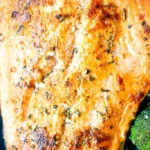
Perfectly Pan Fried Salmon with Savory Seasoning
- Total Time: 12 minutes
- Yield: 4 servings 1x
- Diet: Gluten Free
Description
This pan-fried salmon is the easiest and most flavorful salmon dinner you’ll ever make!
Ingredients
- 1 teaspoon salt
- 1/2 teaspoon freshly ground black pepper
- 1/2 teaspoon garlic powder
- 1/2 teaspoon dried onion powder
- 1/2 teaspoon smoked paprika
- 1/2 teaspoon thyme
- 2 tablespoons butter
- 4 (skin on) 5-ounce salmon filets
Instructions
- Season: In a small bowl, combine the salt, pepper, garlic powder onion powder, smoked paprika, and thyme.
- Prepare: Dry the salmon filets with a towel. Sprinkle the seasoning blend on each salmon filet.
- Sear: In a large skillet, melt the butter over medium high heat. Add the salmon to the skillet, skin side up.
- Cook: Cook until golden brown, about 4 minutes. Turn the fish with a spatula and cook until it is firm to the touch and the skin is crispy, about 3 minutes more.
Notes
For a dairy-free alternative, replace butter with avocado oil.
- Prep Time: 5 minutes
- Cook Time: 7 minutes
- Category: Recipes
- Method: stove top
- Cuisine: American
Nutrition
- Serving Size: 1 filet
- Calories: 143 kcal
- Sugar: 0.1 g
- Sodium: 610 mg
- Fat: 14.2 g
- Saturated Fat: 7.6 g
- Unsaturated Fat: 6.6 g
- Trans Fat: 0 g
- Carbohydrates: 0.9 g
- Fiber: 0.3 g
- Protein: 12.9 g
- Cholesterol: 65 mg
Keywords: pan fried salmon, seared salmon, healthy meal, quick dinner