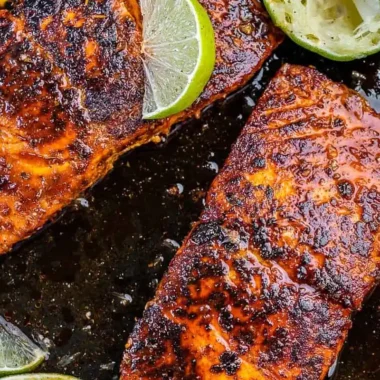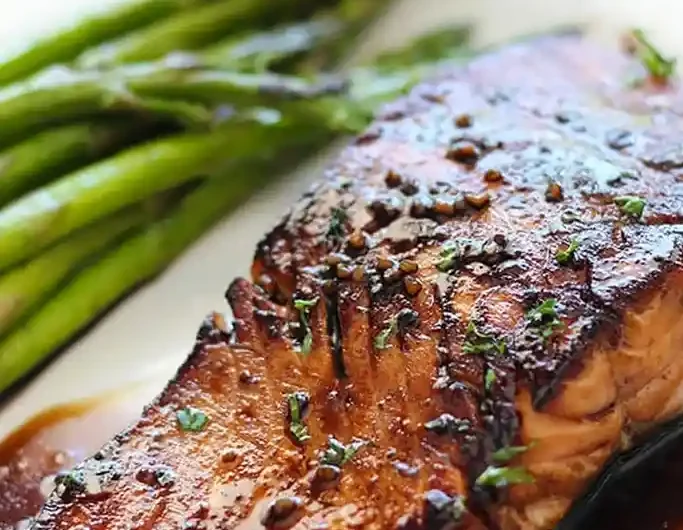
This recipe features tender salmon fillets coated in a sweet and tangy balsamic reduction. It is a quick, restaurant-quality meal that is perfect for healthy weeknight dinners.
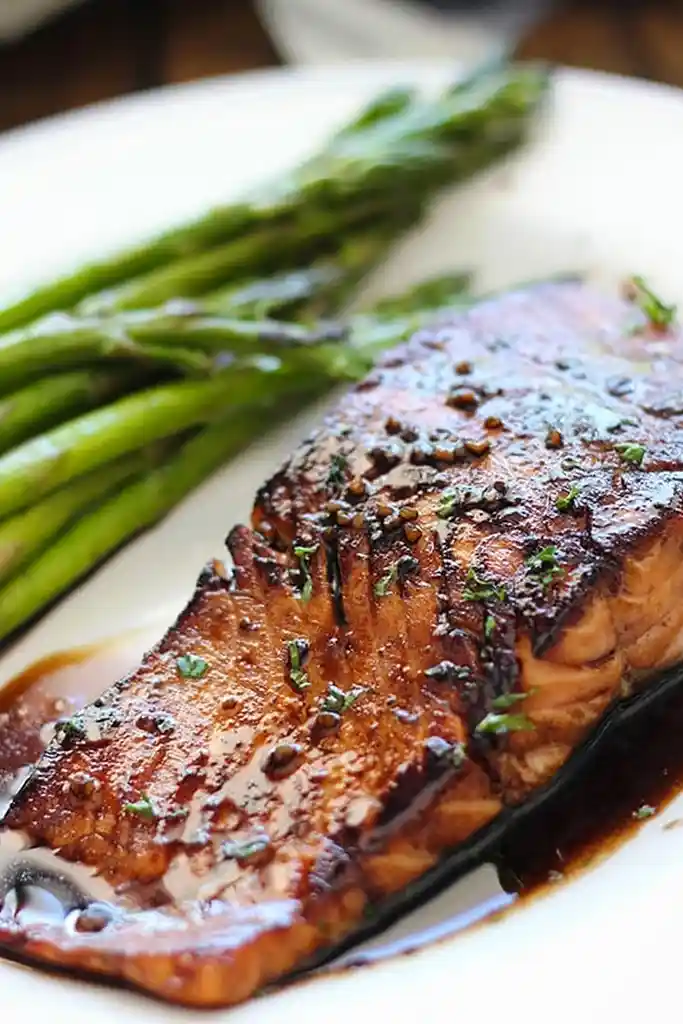
List of ingredients
- 1 lb. salmon fillet – center-cut fillets provide the most even cooking.
- 1/4 cup brown sugar – balances the acidity of the vinegar.
- 1/4 cup balsamic vinegar – provides the signature tart base.
- 2 teaspoons Dijon mustard – adds a subtle tang and thickens the sauce.
- 1 teaspoon garlic, minced or 1/4 teaspoon garlic powder – adds savory depth.
- 1/4 teaspoon red pepper flakes – adds a mild spicy kick.
- 1/2 tablespoon Worcestershire sauce – enhances the overall umami flavor.
- Salt and pepper to taste – essential for seasoning the fish.
step-by-step instructions
- Prepare the Glaze: Combine the brown sugar, balsamic vinegar, Dijon mustard, garlic, red pepper flakes, and Worcestershire sauce in a bowl. Stir thoroughly until the sugar is fully dissolved. Divide the finished sauce into two equal portions.
- Marinate the Fish: Place the salmon fillets in a container or zip-top bag. Pour half of the sauce over the fish and refrigerate for 30 minutes. Avoid marinating longer than an hour to prevent the acid from softening the fish too much.
- Bake the Salmon: Arrange the fillets on a foil-lined baking sheet or in a casserole dish. Bake at 350°F for 15-20 minutes, depending on the thickness of your fillets. halfway through the cooking process, baste the salmon with the remaining marinade from the bag.
- Final Touch: Remove the salmon from the oven. Plate the fillets immediately and drizzle the second half of the reserved sauce over the top. Serve hot.
Ensuring Perfect Doneness
The Flake Test Method
Press gently on the top of the fillet with a fork or your finger. The flesh should separate easily along the white connective lines known as albumin. If the fish resists and feels springy, it needs more time; if it falls apart completely, it may be overcooked.
Using an Instant-Read Thermometer
Insert a digital meat thermometer into the thickest part of the fillet. The FDA recommends an internal temperature of 145°F for safety. However, many chefs prefer pulling the fish at 130-135°F for a more moist, medium-rare texture as carry-over cooking continues.
Identifying Visual Color Cues
Observe the color of the salmon from the side. The fish is done when it changes from a translucent red or deep pink to an opaque light pink. Be careful not to let too much white albumin leak out, as this is often a sign that the salmon is becoming dry.
Marination and Glazing Techniques
Optimizing Marination Time
Keep your marination time between 15 and 30 minutes. Because balsamic vinegar is highly acidic, it can actually begin to ‘cook’ the proteins in the fish, similar to ceviche. Marinating for too long can result in a mushy texture rather than a flaky one.
The Importance of Sauce Division
Always divide your sauce into two portions before you start. One portion is used for marinating and basting, which comes into contact with raw fish. The second portion remains clean for drizzling over the cooked salmon, ensuring food safety and a fresh taste.
Reducing the Glaze for Thickness
If you prefer a thicker, syrupy glaze for the final drizzle, place the second half of the sauce in a small saucepan. Simmer it over medium heat for 5-8 minutes until it reduces by about one-third. This concentrates the flavors and creates a more professional presentation.
The Basting Process
Basting the salmon halfway through the baking process is key to a deep flavor profile. Use a silicone brush to coat the top of the fillets with the marinade. This adds an extra layer of sugar and acidity that caramelizes under the oven heat.
Alternative Cooking Methods
Searing in a Skillet
For a crispier exterior, heat a tablespoon of oil in a skillet over medium-high heat. Sear the salmon for 3-4 minutes per side until golden brown before transferring it to the oven. Reduce the baking time by about 5 minutes to avoid overcooking.
Using an Air Fryer
Preheat your air fryer to 400°F. Place the marinated salmon fillets in the basket and cook for 7-8 minutes, depending on the thickness. The high-velocity air helps the balsamic glaze caramelize quickly while keeping the inside juicy.
Broiling for a Charred Finish
After the baking process is complete, turn your oven to the broil setting. Place the salmon on the top rack for 2-3 minutes. Watch the fish closely, as the brown sugar in the glaze can go from caramelized to burnt very quickly.
Ingredient Substitutions
Replacing Brown Sugar with Honey
You can substitute the brown sugar with honey or maple syrup for a different kind of sweetness. Honey provides a smoother texture and a slightly more floral taste. Start with 3 tablespoons and adjust based on your sweetness preference.
Garlic Variations
If you do not have fresh garlic, you can use garlic powder as a convenient alternative. Use 1/4 teaspoon of powder for every 1 teaspoon of minced garlic. Fresh garlic provides a sharper, more pungent flavor, while powder is more subtle and evenly distributed.
Choosing Different Mustards
While Dijon mustard is recommended for its smooth texture and bite, whole grain mustard is a great alternative for added texture. Honey mustard can also be used, though you should slightly reduce the brown sugar to prevent the sauce from becoming too sweet.
Adjusting the Heat Level
If you prefer a mild flavor, simply omit the red pepper flakes entirely. For those who want a spicier kick, you can add a pinch of cayenne pepper or a teaspoon of sriracha to the glaze mixture. This adds complexity without altering the balsamic base.
Serving and Pairing Ideas
Best Green Vegetable Sides
Pair the salmon with steamed asparagus, sautéed green beans, or roasted broccoli. The bitterness and freshness of green vegetables balance the richness of the salmon and the sweetness of the balsamic glaze. A touch of lemon butter on the vegetables works well.
Starch Pairings for Balsamic Salmon
Serve the fillets over a bed of creamy mashed potatoes, cauliflower puree, or a mushroom risotto. These starchy sides absorb the extra balsamic glaze on the plate, ensuring no flavor goes to waste. Quinoa or wild rice are excellent healthier alternatives.
Fresh Garnish Options
Finish the dish with a sprinkle of freshly chopped parsley or sliced green onions for a pop of color. A final squeeze of fresh lemon juice just before serving helps cut through the sugar and brightens the overall flavor profile.
Storage and Reheating Advice
Refrigerator Storage
Store leftover salmon in an airtight container in the refrigerator for up to 3 days. To prevent the fish from absorbing other odors, ensure the container is sealed tightly. Let the fish cool completely before storing to avoid condensation.
Reheating in the Oven
To maintain the best texture, reheat the salmon in the oven at 275°F. Place the fish in a covered baking dish with a tablespoon of water or broth to create steam. Heat for 10-15 minutes until warmed through.
Microwave Reheating Tips
When using a microwave, use a medium power setting and heat in 30-second intervals. Cover the plate with a damp paper towel to trap moisture. This prevents the salmon from becoming rubbery or drying out during the process.
Freezing Considerations
It is best to freeze salmon fillets raw and unmarinated for up to 2 months. If you freeze cooked salmon, the texture may change slightly upon thawing. Always thaw frozen fish in the refrigerator overnight before cooking or reheating.
Troubleshooting Common Issues
Preventing the Glaze from Burning
If you notice the glaze darkening too quickly in the oven, lower the temperature by 25 degrees. You can also cover the salmon loosely with aluminum foil to protect the surface while the interior continues to cook.
Stopping the Salmon from Drying Out
Overcooking is the most common issue with salmon. To prevent this, remove the fish from the oven when the center is still slightly translucent. The residual heat will continue to cook the fish as it rests for 5 minutes.
Correcting a Sauce That Is Too Tart
If the balsamic vinegar feels too overpowering or tart, whisk in an additional teaspoon of brown sugar or honey. This will balance the acidity and mellow out the sharpness of the vinegar.
Frequently Asked Questions
Can I use frozen salmon for this recipe?
Yes, you can use frozen salmon, but it must be completely thawed before marinating. Pat the fillets dry with paper towels after thawing to remove excess moisture, which allows the glaze to adhere better to the fish.
Which cut of salmon is best for baking?
Center-cut fillets are ideal because they have a consistent thickness, which ensures that the entire piece cooks evenly. If using tail pieces, reduce the baking time by a few minutes as they are thinner and cook faster.
Can I make this recipe without red pepper flakes?
Absolutely. The red pepper flakes are an optional ingredient intended to add a hint of heat. Removing them will not affect the structural integrity or the primary flavor of the balsamic glaze.
Print
Balsamic Glazed Salmon
- Total Time: 30 minutes
- Yield: 2 servings 1x
- Diet: General
Description
This balsamic-glazed salmon has tender salmon basted and drizzled with a sauce made from balsamic vinegar, brown sugar, garlic and Dijon mustard.
Ingredients
- 1 lb. salmon fillet
- 1/4 cup brown sugar
- 1/4 cup balsamic vinegar
- 2 teaspoons Dijon mustard
- 1 teaspoon garlic, minced
- 1/4 teaspoon red pepper flakes
- 1/2 tablespoon Worcestershire sauce
- Salt and pepper to taste
Instructions
- Combine: Combine the sauce ingredients and stir to mix. Divide sauce into half.
- Marinate: Marinate the salmon fillet with half the sauce in the fridge for 30 minutes.
- Bake: Arrange the salmon on a foil-lined baking sheet or casserole dish and bake at 350°F for 15-20 minutes depending on the thickness of the salmon. Baste the salmon with the leftover marinade halfway through.
- Serve: Dish and serve hot drizzled with the other half of the sauce.
- Enjoy: Enjoy!
Notes
For crispy salmon, sear the salmon with some oil in a skillet over medium-high heat for 1-2 minutes before baking, or broil for 2-3 minutes in the oven before serving. For a thicker drizzling sauce, bring the other half of the sauce to a simmer in a saucepan and reduce until thickened.
- Prep Time: 5 minutes
- Cook Time: 20 minutes
- Category: Main Course
- Method: Baking
- Cuisine: American
Nutrition
- Serving Size: 1 fillet
- Calories: 600 kcal
- Sugar: 25 g
- Sodium: 500 mg
- Fat: 20 g
- Saturated Fat: 4 g
- Unsaturated Fat: 16 g
- Trans Fat: 0 g
- Carbohydrates: 30 g
- Fiber: 1 g
- Protein: 35 g
- Cholesterol: 80 mg
Keywords: balsamic glazed salmon, baked salmon, seafood dinner, quick recipes