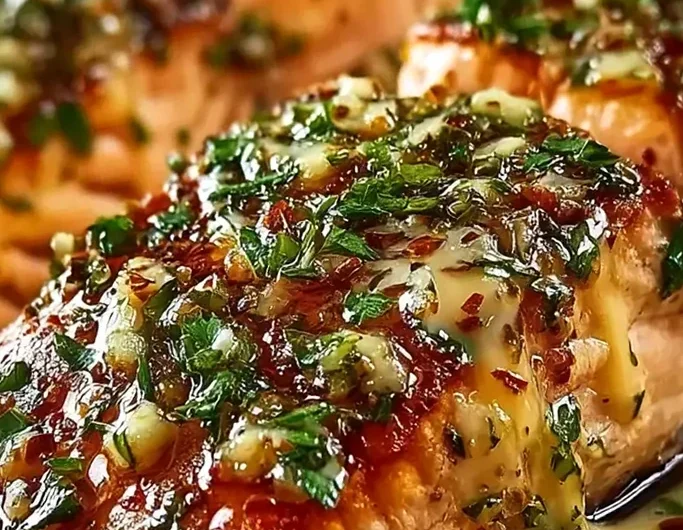
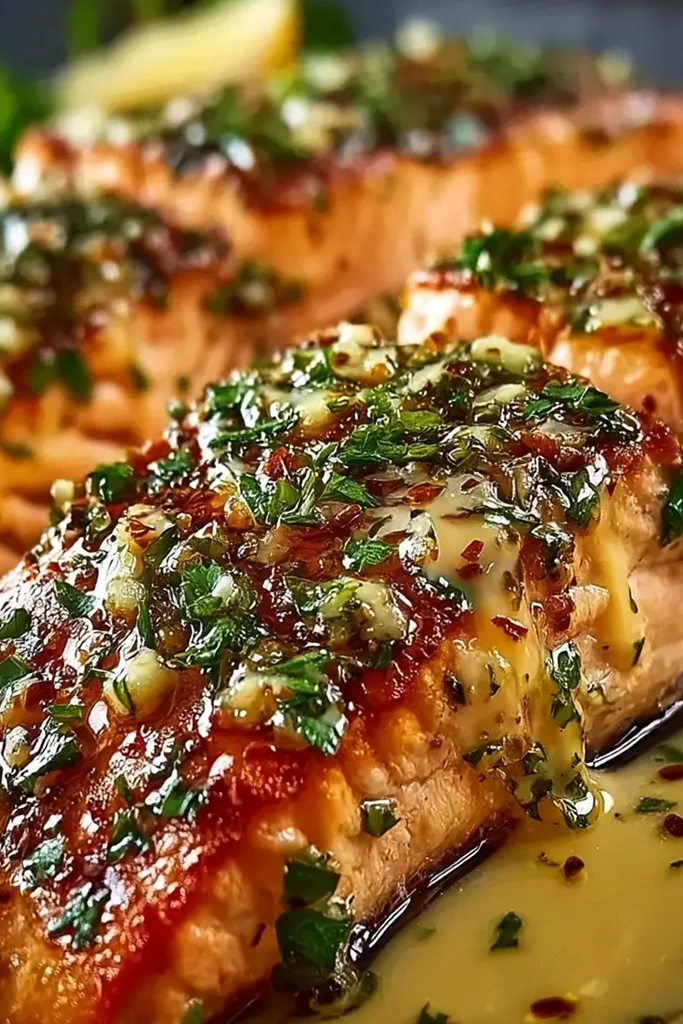
This baked salmon dish combines a zesty lime glaze with sweet honey and savory garlic for a balanced flavor profile. It is a quick, nutrient-dense meal that works well for both weeknight dinners and special occasions.
List of ingredients
- 4 salmon fillets (about 170 grams each) – use fresh, high-quality fillets for the best texture.
- 4 tablespoons unsalted butter (about 57 grams) – melted to create a rich base for the sauce.
- 1/3 cup honey (about 113 grams) – provides a natural sweetness and helps the glaze caramelize.
- 3 tablespoons lime juice (about 45 ml) – freshly squeezed for a bright, acidic contrast.
- 4 cloves garlic – finely minced to distribute the flavor evenly.
- Salt and pepper – used for basic seasoning of the fish.
- Lime slices – used for layering and garnishing.
- Fresh cilantro or parsley – chopped for a fresh finishing touch.
step-by-step instructions
- Preheat the Oven: Set your oven to 400°F (200°C). Ensuring the oven is fully preheated prevents the salmon from cooking unevenly.
- Prepare Your Baking Dish: Line a baking dish with aluminum foil. This prevents the honey glaze from sticking and makes the cleanup process much faster.
- Mix the Flavorful Sauce: In a small mixing bowl, whisk together the melted butter, honey, lime juice, and minced garlic. Stir until the honey is fully incorporated into the butter.
- Season the Salmon: Place the fillets in the lined baking dish with space between them. Season each side generously with salt and pepper.
- Glaze and Garnish: Spoon the honey-lime garlic mixture over each fillet, ensuring they are fully coated. Place a few fresh lime slices on top of each piece of fish.
- Bake to Perfection: Bake for 15-20 minutes. The salmon is ready when the flesh flakes easily with a fork and the glaze looks glossy.
- Garnish and Serve: Remove from the oven and let the fish rest for two minutes. Sprinkle with fresh cilantro or parsley before serving immediately.
Optimal Cooking Techniques
Selecting Wild-Caught vs Farmed Salmon
Wild-caught salmon typically has a deeper red color and a more robust flavor. Farmed salmon is often milder and has a higher fat content, which can make it more forgiving during the baking process.
Managing Internal Temperature
Use a digital meat thermometer to check the thickest part of the fillet. Salmon is perfectly cooked when it reaches an internal temperature of 145°F (63°C) to ensure it is safe and moist.
Preventing Overcooking
Salmon continues to cook for a few minutes after being removed from the oven due to carryover heat. Remove the fillets when they are just barely opaque in the center to avoid a dry texture.
Improving Flavor Through Marinating
For a more intense taste, let the fillets sit in the honey-lime mixture for 30 minutes before baking. This allows the acid in the lime to tenderize the fish and the garlic to penetrate deeper.
Achieving a Caramelized Crust
If you prefer a charred look, turn on the broiler for the last 2-3 minutes of cooking. Watch the fillets closely to prevent the honey from burning, as sugar caramelizes quickly under direct heat.
The Role of Room Temperature Fish
Let the salmon sit at room temperature for about 15 minutes before putting it in the oven. This ensures that the center of the fillet cooks at the same rate as the exterior.
Ingredient Alternatives and Swaps
Using Lemon Juice Instead of Lime
Lemon juice provides a similar acidity but a slightly different citrus profile. It pairs excellently with the garlic and butter, creating a classic lemon-butter salmon flavor.
Substituting Maple Syrup for Honey
Maple syrup offers a woody sweetness that complements salmon very well. Use the same quantity as the honey, though the glaze may be slightly thinner.
Using Agave Nectar for a Different Sweetness
Agave nectar is a neutral sweetener that allows the lime and garlic to stand out more. It has a similar viscosity to honey, making it an easy one-to-one replacement.
Alternative Fish Choices
This glaze works well with other meaty fish like trout or halibut. Adjust the baking time slightly based on the thickness of the fillets, as halibut may require a few extra minutes.
Adding Red Pepper Flakes for Heat
Adding a pinch of crushed red pepper flakes to the sauce adds a subtle spicy kick. This heat balances the sweetness of the honey and the richness of the butter.
Fresh Herb Substitutions
If you do not have cilantro or parsley, fresh dill is a fantastic alternative for salmon. Dill adds an aromatic, grassy note that enhances the citrus flavors.
Serving and Pairing Suggestions
Complementary Grain Sides
Serve the salmon over a bed of fluffy quinoa or brown rice. These grains soak up the extra honey-lime butter from the pan, preventing any sauce from going to waste.
Fresh Vegetable Pairings
Steamed asparagus, sautéed spinach, or roasted broccoli are ideal side dishes. The bitterness of these greens cuts through the richness of the butter glaze.
Citrus Vinaigrette Salads
A light arugula or baby spinach salad with a lemon-olive oil dressing complements the meal. This adds a crisp texture and a refreshing contrast to the baked fish.
Platter Presentation Ideas
Arrange the fillets on a large platter and drizzle the remaining pan sauce over the top. Garnish the platter with extra lime wedges and fresh herb sprigs for a professional look.
Adapting Salmon for Tacos
Flake the cooked salmon and serve it in warm corn tortillas. Add shredded cabbage, sliced avocado, and a dollop of sour cream for a fresh take on the recipe.
Storage and Reheating Guide
Airtight Container Storage
Store leftover salmon in a glass, airtight container in the refrigerator. It will remain fresh and safe to eat for up to three days.
Reheating in the Oven
To maintain the texture, reheat salmon in the oven at 275°F (135°C) until warmed through. This slow heating prevents the fish from becoming rubbery.
Microwave Reheating Tips
If using a microwave, heat the salmon on medium power in short 30-second bursts. Covering the fish with a damp paper towel helps retain moisture during the process.
Using Cold Salmon in Salads
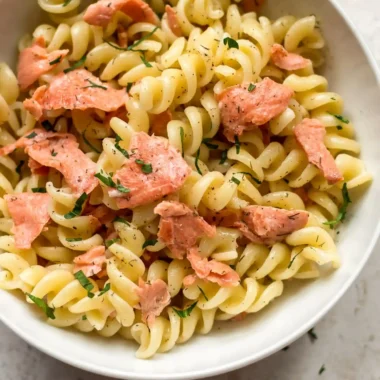
Chilled salmon is excellent when flaked into a cold pasta salad or a Caesar salad. The honey-lime flavors remain distinct even when the fish is served cold.
Common Cooking Troubleshooting
Fixing a Glaze That Is Too Thin
If the sauce seems too watery, simmer it in a small saucepan for a few minutes before applying it to the fish. This reduces the liquid and concentrates the flavors.
Preventing Salmon from Sticking
Always use parchment paper or aluminum foil to line your baking sheet. If the fish sticks, gently lift it with a thin fish spatula to avoid breaking the fillet.
Managing Burnt Honey Glaze
If the glaze burns during the broiler phase, gently scrape off the charred bits. To prevent this, ensure the honey is well-mixed with the butter, which acts as a heat buffer.
Correcting Over-Salted Fish
If you accidentally add too much salt, squeeze a little extra fresh lime juice over the finished fillet. The acid helps neutralize the perception of excess salt.
Frequently Asked Questions
Can I use frozen salmon for this recipe?
Yes, but you must thaw the salmon completely in the refrigerator before cooking. Cooking frozen fillets directly can lead to uneven cooking and a mushy texture.
What is the ideal internal temperature for salmon?
The USDA recommends an internal temperature of 145°F (63°C), but many chefs prefer 130-135°F (54-57°C) for a more moist, medium-rare finish.
Can I make this recipe in an air fryer?
Yes, you can cook the fillets at 380°F (190°C) for about 8-12 minutes. Be careful with the glaze, as the high airflow can cause the honey to burn faster than in an oven.
Should I leave the skin on the salmon?
Keeping the skin on helps hold the fillet together and prevents it from sticking to the pan. The skin becomes flavorful and can be left on or removed after cooking.
Print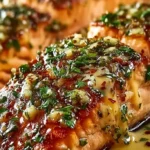
Honey-Lime Garlic Butter Baked Salmon
- Total Time: 45 minutes
- Yield: 4 servings 1x
- Diet: Gluten-Free
Description
Delicious Honey-Lime Garlic Butter Baked Salmon recipe with step-by-step instructions.
Ingredients
- 4 salmon fillets (about 170 grams each)
- 4 tablespoons unsalted butter (about 57 grams)
- 1/3 cup honey (about 113 grams)
- 3 tablespoons lime juice (about 45 ml)
- 4 cloves garlic
- Salt and pepper
- Lime slices
- Fresh cilantro or parsley
Instructions
- Preheat the Oven: Preheat your oven to 400°F (200°C).
- Prepare Your Baking Dish: Line a baking dish with aluminum foil.
- Mix the Flavorful Sauce: Whisk together the melted butter, honey, lime juice, and minced garlic.
- Season the Salmon: Place the salmon fillets in the prepared baking dish and season each fillet generously with salt and pepper.
- Glaze and Garnish: Spoon the honey-lime garlic mixture generously over each salmon fillet.
- Bake to Perfection: Bake the salmon for 15-20 minutes until the fish flakes easily with a fork.
- Garnish and Serve: Garnish with fresh cilantro or parsley before serving.
Notes
Use fresh, high-quality salmon for the best flavor and texture; wild-caught salmon is often the tastiest choice. Be careful not to overbake the salmon; check for doneness around the 15-minute mark to ensure it remains moist.
- Prep Time: 15 minutes
- Cook Time: 30 minutes
- Category: Main Course
- Method: Baking
- Cuisine: American
Nutrition
- Serving Size: 1 fillet
- Calories: 510 kcal
- Sugar: 18 g
- Sodium: 350 mg
- Fat: 31 g
- Saturated Fat: 13 g
- Unsaturated Fat: 18 g
- Trans Fat: 0 g
- Carbohydrates: 22 g
- Fiber: 1 g
- Protein: 34 g
- Cholesterol: 110 mg
Keywords: honey lime salmon, baked salmon, garlic butter salmon, easy dinner, healthy seafood