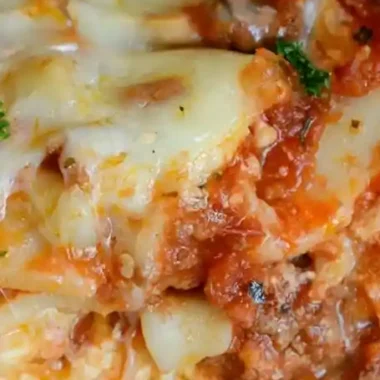
This slow cooker lasagna delivers all the comfort of a traditional oven-baked dish with significantly less effort. It features rich meat sauce, creamy ricotta, and melted mozzarella layered to perfection.
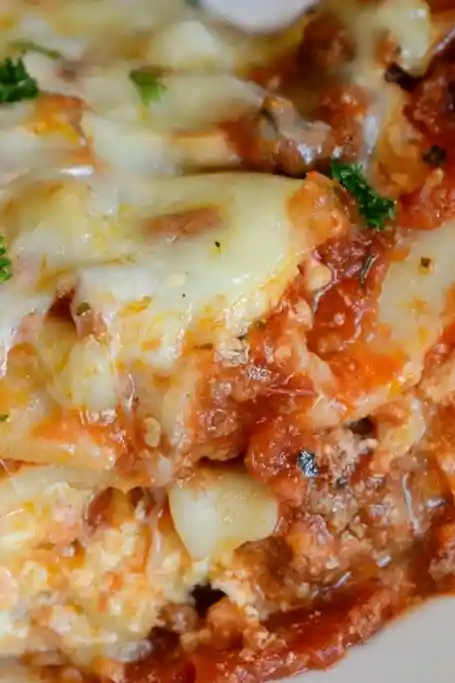
List of ingredients
- 32 oz whole milk ricotta cheese – provides the creamy base for the filling.
- 2 eggs – helps bind the ricotta mixture together.
- 8 oz mozzarella cheese – added to the ricotta layer for extra stretch.
- 4 oz grated Parmesan cheese – adds a sharp, salty depth of flavor.
- 2 tbs fresh parsley (or dried) – adds a touch of herbal freshness.
- 2 (28 oz) cans crushed tomatoes – the primary base for the homemade sauce.
- 1 (28 oz) can diced tomatoes – provides texture and chunks in the sauce.
- 1 pound bulk beef Italian sausage – adds savory, spiced meat flavor.
- 1 pound ground beef – creates a hearty, protein-rich base.
- 1 clove chopped garlic – adds aromatic pungency to the meat.
- 1 cup beef broth – replaces wine to provide a rich, savory liquid base.
- 1 tsp thyme – adds an earthy, woody note.
- 1 tsp dried rosemary – provides a strong, piney aromatic.
- 1 tsp basil – adds a classic sweet Italian herb flavor.
- 1 tsp oregano – adds a pungent, peppery herb quality.
- 48 oz jarred sauce – alternative option if not making homemade sauce.
- 1 pound cooked lasagna pasta – the structural layers of the dish.
- 16 oz shredded mozzarella cheese – used for the final melted topping.
step-by-step instructions
- Prepare the Meat Sauce: Brown the ground beef and beef Italian sausage in a large pan until cooked through and crumbled. If using jarred sauce, stir in 48oz of sauce and set aside. For homemade sauce, add the chopped garlic, crushed tomatoes, and diced tomatoes to the browned meat. Pour in the beef broth and stir in the thyme, rosemary, basil, and oregano. Bring the mixture to a low boil, then reduce heat and simmer on low for about 1 hour to let flavors meld.
- Cook the Pasta: Boil the lasagna noodles according to the package directions. Drain them well and set aside to cool slightly before layering.
- Mix the Cheese Filling: In a large mixing bowl, combine the ricotta cheese, 8 oz of mozzarella, Parmesan cheese, parsley, and eggs. Stir until the mixture is smooth and well combined.
- Layer the Crockpot: Begin by spreading a thin layer of meat sauce at the bottom of the slow cooker to prevent sticking. Place a layer of cooked lasagna noodles over the sauce. Spread a layer of the ricotta cheese mixture evenly over the noodles. Top with another layer of meat sauce.
- Repeat Layers: Continue the layering process (noodles, cheese mixture, meat sauce) until all ingredients are used, ensuring the very top layer is meat sauce.
- Slow Cook: Cover the crockpot and cook on high for 4 hours or on low for 8 hours.
- Add Final Topping: Approximately 1 hour before the cooking time is complete, sprinkle the 16 oz of shredded mozzarella cheese over the top layer of sauce. Cover and finish cooking until the cheese is melted and bubbly.
Optimizing the Meat Sauce Process
Browning Meat for Maximum Flavor
Ensure the ground beef and beef sausage are browned thoroughly until they are no longer pink. Searing the meat helps develop a deeper, caramelized flavor through the Maillard reaction. Drain any excess grease before adding the tomato products to keep the sauce from becoming oily.
Developing Depth through Simmering
When making the homemade sauce, simmering the ingredients for an hour on low heat is crucial. This process allows the dried herbs to rehydrate and infuse the sauce with flavor. It also thickens the consistency, preventing the lasagna from becoming too watery in the slow cooker.
Selecting the Right Tomatoes
Using a combination of crushed and diced tomatoes creates a balanced texture. The crushed tomatoes provide a smooth, cohesive sauce that coats the noodles. The diced tomatoes add hearty chunks that give the lasagna a more rustic and authentic feel.
Mastering the Cheese Mixture
Achieving a Smooth Ricotta Blend
Whisk the eggs into the ricotta cheese until the mixture is completely homogeneous. This ensures that the cheese layer stays cohesive and does not separate during the long cooking process. A smooth blend creates a more professional, creamy mouthfeel in every slice.
Using Fresh Versus Dried Parsley
Fresh parsley provides a bright, clean contrast to the rich cheeses and heavy meat. If you only have dried parsley, use slightly less as the flavor is more concentrated. Stirring the herbs in at the end of the mixing process preserves their color.
The Role of Parmesan Cheese
Grated Parmesan adds a salty, nutty dimension that balances the sweetness of the tomato sauce. It acts as a flavor enhancer for the mild ricotta and mozzarella. For the best results, use finely grated Parmesan so it integrates evenly into the filling.
Noodle Preparation and Handling
Cooking Pasta Al Dente
Boil your lasagna noodles for one to two minutes less than the package directions suggest. Since the noodles will continue to cook in the sauce for several hours, undercooking them slightly prevents them from becoming mushy. This maintains the structural integrity of the layers.
Preventing Noodle Adhesion
Once drained, toss the cooked noodles with a small amount of olive oil or spread them out on parchment paper. This prevents the sheets from sticking together in a clump. Separated noodles are much easier to layer neatly inside the narrow walls of a crockpot.
Considering No-Boil Pasta
If you choose to use no-boil lasagna noodles, you must ensure the meat sauce is slightly thinner. No-boil noodles absorb more liquid from the sauce to soften. Without extra moisture, the noodles may remain hard or chewy after the cooking cycle.
Slow Cooker Assembly Techniques
The Importance of the Bottom Sauce Layer
Always start with a thin layer of meat sauce at the very bottom of the pot. This creates a barrier between the heating element and the pasta. It prevents the bottom layer of noodles from scorching or sticking to the ceramic liner.
Even Distribution of Filling
Use a rubber spatula to spread the ricotta mixture from edge to edge. Ensuring the cheese layer is of uniform thickness prevents some areas of the lasagna from being too meaty and others too cheesy. This creates a consistent taste in every serving.
Sealing the Top Layer
The final layer of meat sauce serves as a protective seal for the noodles underneath. It keeps the moisture locked in and provides a sturdy base for the topping cheese. This ensures the pasta stays tender throughout the long cooking duration.
Serving and Pairing Suggestions
Pairing with Garlic Bread
Warm garlic bread is the ideal accompaniment to this rich dish. The crunch of toasted baguette provides a necessary textural contrast to the soft lasagna. Use a mix of butter, minced garlic, and parsley for a classic flavor profile.
Adding a Fresh Garden Salad
A crisp salad with a light vinaigrette helps cut through the richness of the cheese and beef. Use mixed greens, cucumber, and cherry tomatoes to add freshness. The acidity of a lemon or balsamic dressing balances the heavy fats in the recipe.
Serving with Steamed Vegetables
Steamed broccoli or sautéed spinach adds a nutritional balance to the meal. These greens provide a vibrant color to the plate and a hint of bitterness that complements the sweet tomato sauce. Serve them on the side to keep them crisp.
Storage and Preservation Guide
Refrigerating Leftovers
Transfer leftover lasagna to an airtight container once it has cooled to room temperature. Store it in the refrigerator for up to three days. Keep the container tightly sealed to prevent the pasta from drying out or absorbing fridge odors.
Freezing for Future Meals
This lasagna freezes exceptionally well for long-term meal prep. Place portions in freezer-safe containers and freeze for up to three months. For the best quality, wrap the container in foil to prevent freezer burn.
Effective Reheating Methods
To reheat individual slices, use a microwave with a damp paper towel over the top to keep the cheese moist. For larger portions, place them in an oven-safe dish, cover with foil, and heat at 350 degrees Fahrenheit until warmed through.
Troubleshooting Common Issues
Preventing Watery Lasagna
If your lasagna is too runny, it is often due to under-drained pasta or too much liquid in the sauce. Ensure the meat sauce is simmered until thickened before layering. Using a colander to thoroughly drain the noodles is also essential.
Managing Burnt Edges
Slow cookers can sometimes create hot spots along the sides of the ceramic pot. Using a slow cooker liner can help distribute heat more evenly and make cleanup easier. Alternatively, you can add a tablespoon of water around the perimeter of the pot.
Fixing Mushy Noodles
Mushy noodles usually result from overcooking the pasta during the initial boil. To avoid this, always check the pasta a few minutes before the timer goes off. Keeping the noodles firm ensures they hold their shape after hours of slow cooking.
Frequently Asked Questions
Can I substitute cottage cheese for ricotta?
Yes, you can replace the ricotta with cottage cheese. The flavor will be slightly tangier, and the texture will be more granular, but it remains a delicious and practical alternative.
Can I use ground turkey instead of beef?
Ground turkey is a suitable substitute for both the ground beef and the beef sausage. To maintain the flavor, add extra Italian seasoning or a pinch of smoked paprika to the turkey while browning.
Do I really need to cook the noodles first?
Cooking the noodles first is highly recommended for the best texture. While raw noodles can be used, they often result in a watery consistency and unevenly cooked pasta in a slow cooker environment.
How do I get clean slices when serving?
Let the lasagna rest for 15 to 20 minutes after removing it from the heat. This allows the cheese and sauce to set. Use a sharp knife to cut straight down and a wide spatula to lift the slices out carefully.
Print
Slow Cooker Layered Lasagna
- Total Time: 4 hours 15 minutes
- Yield: 12 servings 1x
- Diet: General
Description
Crockpot Lasagna is layers of meat sauce, ricotta mixture, lasagna noodles, and cheese. One of my all-time favorite crockpot pasta recipes.
Ingredients
- 32 oz whole milk ricotta cheese
- 2 eggs
- 8 oz mozzarella cheese
- 4 oz grated Parmesan cheese
- 2 tbs fresh parsley (or dried)
- 2 (28 oz) cans crushed tomatoes
- 1 (28 oz) can diced tomatoes
- 1 pound bulk beef Italian sausage
- 1 pound ground beef
- 1 clove chopped garlic
- 1 cup beef broth
- 1 tsp thyme
- 1 tsp dried rosemary
- 1 tsp basil
- 1 tsp oregano
- 1 pound cooked lasagna pasta
- 16 oz shredded mozzarella cheese
Instructions
- Prepare Meat Sauce: Brown your beef and sausage until brown and crumbles. If using jarred sauce, add 48oz sauce. If homemade, add garlic, crushed tomatoes, diced tomatoes, beef broth, and all spices, bring to a low boil, then reduce heat and cook on low for about 1 hour.
- Cook Pasta: Cook pasta according to box instructions.
- Mix Cheese: In a large bowl mix together ricotta, mozzarella, parmesan, parsley, and eggs.
- Layering: Begin layering your lasagna in your crockpot.
- First Layer: The first layer is meat sauce.
- Second Layer: Next a layer of lasagna noodles.
- Third Layer: Next a layer of cheese mixture.
- Fourth Layer: Now a layer of meat sauce.
- Repeat: Repeat layers with the very top layer being meat sauce.
- Cook: Cook on high for 4 hours or low for 8 hours.
- Finish: When you have 1 hour left add mozzarella to the top.
Notes
If you prefer to use the No-Boil pasta that is fine also with the same cooking time. I don’t like to use non cooked pasta in mine it makes the lasagna watery. I prefer to cook my pasta ahead of time.
- Prep Time: 15 minutes
- Cook Time: 4 hours
- Category: slow cooker
- Method: slow cooker
- Cuisine: American
Nutrition
- Serving Size: 1 serving
- Calories: 751 kcal
- Sugar: 10 g
- Sodium: 1686 mg
- Fat: 48 g
- Saturated Fat: 24 g
- Unsaturated Fat: 22 g
- Trans Fat: 0 g
- Carbohydrates: 25 g
- Fiber: 4 g
- Protein: 49 g
- Cholesterol: 197 mg
Keywords: crockpot lasagna, slow cooker pasta, easy dinner, American lasagna