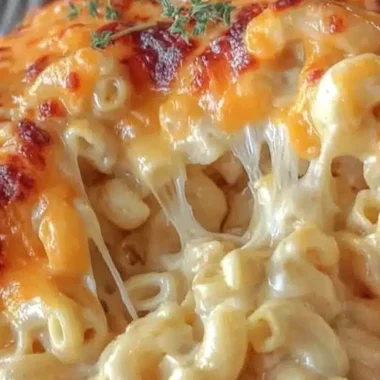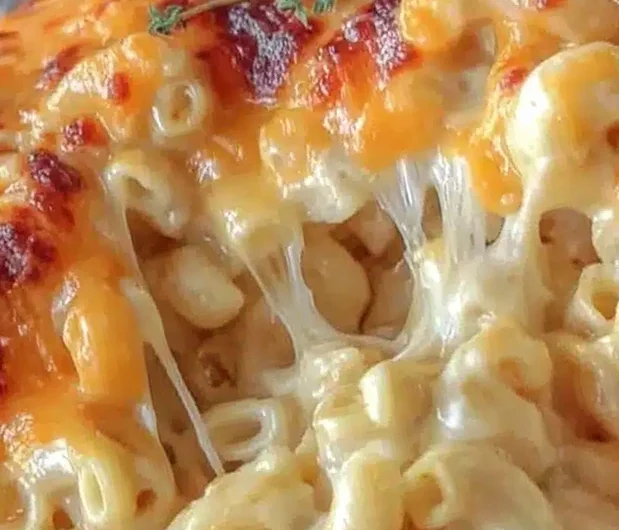
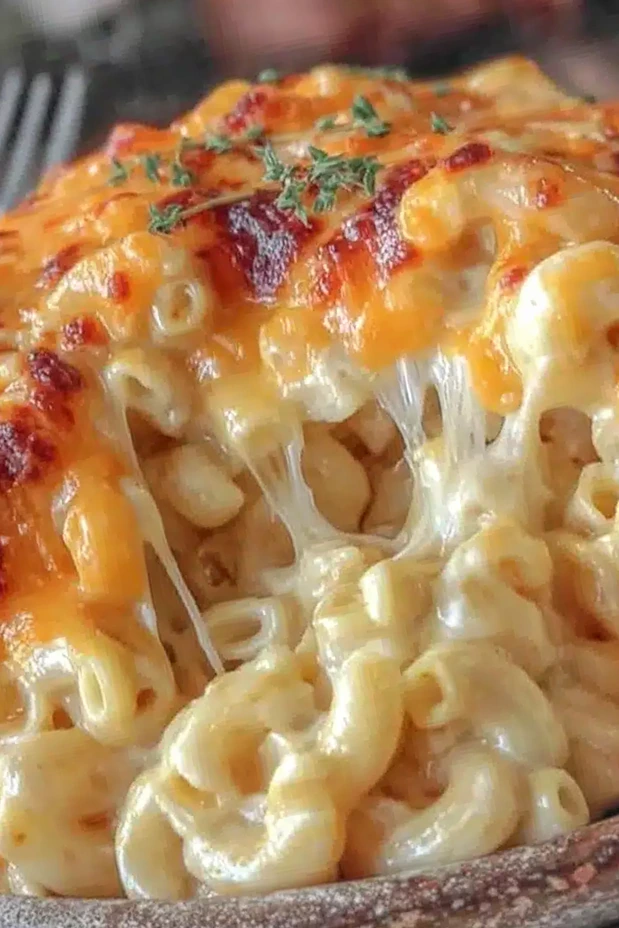
This slow cooker mac and cheese delivers a rich, velvety texture with minimal active effort. It is an ideal solution for busy days when you need a satisfying, hearty meal without standing over a stove.
List of ingredients
- 12 oz elbow macaroni – use a standard brand for consistent cooking times.
- 4 cups shredded sharp cheddar cheese (about 400 g) – shred this fresh from a block for the smoothest melt.
- 8 oz cream cheese, softened (about 225 g) – ensures a silky, stable sauce.
- 2 cups whole milk (480 ml) – provides the necessary fat for richness.
- 4 tbsp unsalted butter (56 g) – used to coat the pasta and add flavor.
- 1 cup evaporated milk (240 ml) – thickens the sauce and prevents separation.
- 1 tbsp yellow mustard – adds a slight tang to balance the richness.
- 1 tsp onion powder – provides a subtle depth of flavor.
- Salt and pepper to taste – used for final seasoning.
step-by-step instructions
- Parboil the pasta: Bring a large pot of salted water to a boil, add the elbow macaroni, and cook for approximately 4 minutes until just under al dente. Drain the pasta and immediately toss it with softened butter in a mixing bowl to prevent the noodles from sticking.
- Prepare the sauce base: In your crockpot, combine the whole milk, evaporated milk, softened cream cheese, shredded cheddar, yellow mustard, onion powder, salt, and pepper. Stir the ingredients gently until they are well combined, but avoid over-mixing the cheese.
- Combine pasta and sauce: Pour the buttered macaroni into the crockpot and stir gently to ensure every noodle is evenly coated in the cheese mixture.
- Slow cook: Cover the crockpot and cook on the low setting for 2 to 3 hours. Stir the mixture every 30 to 45 minutes to ensure the cheese does not stick to the bottom and the pasta cooks evenly. If you notice the sauce becoming too thick, stir in a small splash of additional milk.
- Final seasoning: Before serving, taste the mac and cheese and adjust the salt and pepper as needed. Serve the dish hot directly from the slow cooker.
Expert Tips for Perfect Slow Cooker Pasta
Parboiling is Essential for Texture
Cooking the pasta for a few minutes before adding it to the slow cooker prevents the noodles from becoming mushy. Since the pasta continues to cook in the sauce for several hours, starting with undercooked noodles ensures they maintain a firm bite. This technique avoids the common issue of overcooked, gummy pasta associated with slow cooker meals.
Hand-Shred Your Own Cheese
Avoid using pre-shredded cheese from bags, as these products are coated in potato starch or cellulose to prevent clumping. These anti-caking agents can interfere with the melting process, resulting in a grainy or oily sauce. Grating a block of sharp cheddar by hand ensures a completely smooth and creamy emulsion.
Prioritize Full-Fat Dairy Products
Using whole milk and full-fat cream cheese is critical for the structural integrity of the sauce. Lower-fat alternatives lack the necessary fats to bind the cheese and liquids together, which often leads to a watery or separated sauce. Full-fat dairy provides the characteristic velvetiness that defines a classic macaroni and cheese.
Maintain a Consistent Stirring Schedule
Stirring the crockpot every 30 to 45 minutes is necessary because cheese is prone to scorching at the base of the pot. Regular agitation distributes the heat evenly and ensures that the noodles on the bottom do not overcook. This habit also helps the sauce stay homogeneous as the temperature rises.
Ingredient Substitutions and Alternatives
Alternative Pasta Shapes
While elbow macaroni is the traditional choice, other small shapes can work well in a slow cooker. Cavatappi or cellentani provide more surface area for the sauce to cling to, while small shells can trap the cheese inside. Ensure the pasta size is consistent so that everything cooks at the same rate.
Varying the Cheese Blend
Sharp cheddar provides a bold flavor, but you can create a more complex profile by mixing in other cheeses. Monterey Jack or Colby are excellent choices for added gooeyness and a milder taste. Avoid using too much extra-sharp cheese on its own, as it can occasionally separate more easily during long cook times.
Replacing Evaporated Milk
If evaporated milk is unavailable, heavy cream is the best substitute to maintain the richness and thickness of the sauce. In a pinch, you can use additional whole milk, but you may need to increase the amount of cream cheese to prevent the sauce from becoming too thin. Evaporated milk is preferred because it has a lower water content, which stabilizes the emulsion.
Mustard and Flavor Swaps
Yellow mustard provides an acidic contrast to the heavy fats in the cheese. If you prefer a more sophisticated flavor, Dijon mustard can be used, though it has a slightly stronger punch. If you want to avoid mustard entirely, a teaspoon of lemon juice or a pinch of cream of tartar can provide the necessary acidity.
Flavor Variations and Add-ins
Incorporating Lean Proteins
To turn this side dish into a full meal, stir in cooked shredded rotisserie chicken or grilled turkey breast. These proteins complement the cheesy sauce without adding excessive grease. Add the cooked protein during the last 30 minutes of cooking to ensure it is heated through without overcooking.
Adding Fresh Vegetables
Fold in sautéed spinach, roasted red peppers, or steamed broccoli florets for added nutrition and color. Vegetables with high water content, like zucchini, should be sautéed first to remove excess moisture, which prevents the cheese sauce from thinning out. Stir these in during the final hour of the cooking process.
Boosting the Spice Profile
For a subtle kick, stir in a small amount of smoked paprika or a few dashes of hot sauce just before serving. These additions provide depth and cut through the richness of the dairy. For a more pungent flavor, a pinch of cayenne pepper or garlic powder can be added to the initial sauce mix.
Making a Gluten-Free Version
Substitute the standard elbow macaroni with a high-quality gluten-free pasta made from brown rice or corn. Be cautious with gluten-free pasta, as it often has a narrower window between al dente and overcooked. Reduce the initial boiling time by a minute to ensure the pasta does not disintegrate during the slow cooking phase.
Serving and Presentation Suggestions
Pairing with Fresh Green Salads
The richness of the macaroni and cheese is best balanced by a crisp, acidic side. A simple garden salad with a lemon vinaigrette or a classic Caesar salad provides a refreshing contrast. The bitterness of arugula or the crunch of romaine helps cleanse the palate between bites of cheesy pasta.
Complementing with Roasted Vegetables
Roasted Brussels sprouts, garlic-sautéed green beans, or glazed carrots make excellent accompaniments. The charred flavors of roasted vegetables pair well with the creamy sauce of the mac and cheese. This creates a balanced plate with a variety of textures and flavors.
Garnishing for Visual Appeal
Before serving, sprinkle a small amount of freshly chopped parsley or chives over the top to add a pop of color. A light dusting of paprika can also enhance the visual presentation. Serving the dish in individual bowls with a sprinkle of extra cheddar on top adds a professional touch.
Storage and Reheating Instructions
Refrigeration Guidelines
Store leftover macaroni and cheese in an airtight container in the refrigerator for up to four days. Because the sauce is dairy-heavy, it is important to cool the dish quickly before sealing it to maintain food safety. Ensure the container is completely sealed to prevent the pasta from absorbing fridge odors.
Best Reheating Methods
The best way to reheat the dish is on the stovetop over low heat, adding a splash of milk to loosen the sauce. If using a microwave, heat in short bursts and stir frequently to avoid creating hot spots or breaking the cheese emulsion. Stirring in a tablespoon of milk before reheating helps restore the original creamy consistency.
Why Freezing is Not Recommended
Freezing this specific recipe is not recommended because the emulsion of cream cheese and milk often separates upon thawing. This results in a grainy texture and a sauce that may appear oily. For the best quality, it is better to make only the amount you plan to eat within a few days.
Common Troubleshooting and FAQs
Why is my sauce watery?
A watery sauce usually occurs if low-fat milk was used instead of whole milk or if the cream cheese was omitted. It can also happen if you used a high-moisture vegetable without sautéing it first. To fix this, you can stir in a bit more shredded cheese or let the dish cook uncovered for the last 30 minutes to reduce the liquid.
Can I double the recipe for a crowd?
You can double the recipe, but you must ensure you are using a large enough slow cooker, typically 8 quarts or larger. If the pot is too full, the heat will not distribute evenly, and the center may remain undercooked while the edges overcook. If you don’t have a larger pot, it is safer to cook the recipe in two separate batches.
How do I prevent the pasta from sticking?
The most effective way to prevent sticking is to toss the parboiled pasta in melted butter before adding it to the crockpot. The butter creates a fat barrier around each noodle. Additionally, stirring the mixture every 30 to 45 minutes prevents the pasta from clumping together as the starches release during the slow cooking process.
What if I don’t have a slow cooker?
You can adapt this recipe for the oven by transferring the mixture to a greased baking dish. Bake at 350 degrees Fahrenheit (175 degrees Celsius) for about 30 to 45 minutes, stirring occasionally. While the texture will be slightly different, the flavor profile remains the same.
Print
Creamy Slow Cooker Macaroni and Cheese
- Total Time: 3 hours 30 minutes
- Yield: 6–8 servings 1x
- Diet: General
Description
A creamy, cheesy, and perfectly cooked mac and cheese made effortlessly in the crockpot. This recipe is ideal for busy days when you want comfort food without the fuss.
Ingredients
- 12 oz elbow macaroni
- 4 cups shredded sharp cheddar cheese
- 8 oz cream cheese, softened
- 2 cups whole milk
- 4 tbsp unsalted butter
- 1 cup evaporated milk
- 1 tbsp yellow mustard
- 1 tsp onion powder
- Salt and pepper to taste
Instructions
- Step 1: Bring a large pot of salted water to a boil, add elbow macaroni and cook for about 4 minutes until just under al dente. Drain and toss immediately with softened butter in a mixing bowl.
- Step 2: In the crockpot, combine milk, evaporated milk, softened cream cheese, shredded cheddar, mustard, onion powder, salt, and pepper. Stir gently to mix.
- Step 3: Add the buttered pasta to the crockpot and stir gently to combine with the cheese sauce.
- Step 4: Cover and cook on low for 2 to 3 hours, stirring every 30-45 minutes to prevent sticking. If sauce is too thick, add a splash of milk and stir.
- Step 5: Before serving, taste and adjust salt and pepper as needed. Serve hot.
Notes
Partially cooking the pasta before adding to the crockpot is crucial to avoid mushy noodles. Stir every 30-45 minutes during cooking to prevent sticking and burning. Use full-fat dairy for best creaminess. Freshly shred cheese for better melting.
- Prep Time: 30 minutes
- Cook Time: 3 hours
- Category: Main Course
- Method: Slow Cooking
- Cuisine: American
Nutrition
- Serving Size: 1 cup
- Calories: 450 kcal
- Sugar: 6 g
- Sodium: 550 mg
- Fat: 28 g
- Saturated Fat: 17 g
- Unsaturated Fat: 11 g
- Trans Fat: 0 g
- Carbohydrates: 35 g
- Fiber: 1 g
- Protein: 18 g
- Cholesterol: 95 mg
Keywords: crockpot mac and cheese, easy mac and cheese, Paula Deen recipe, comfort food, slow cooker mac and cheese, creamy mac and cheese