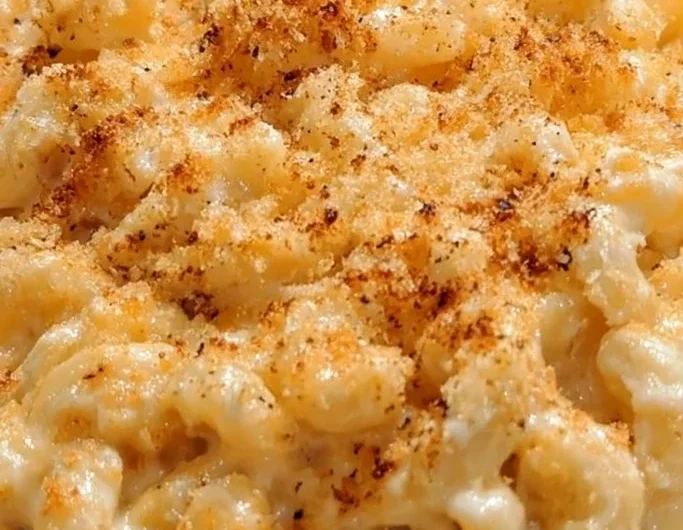
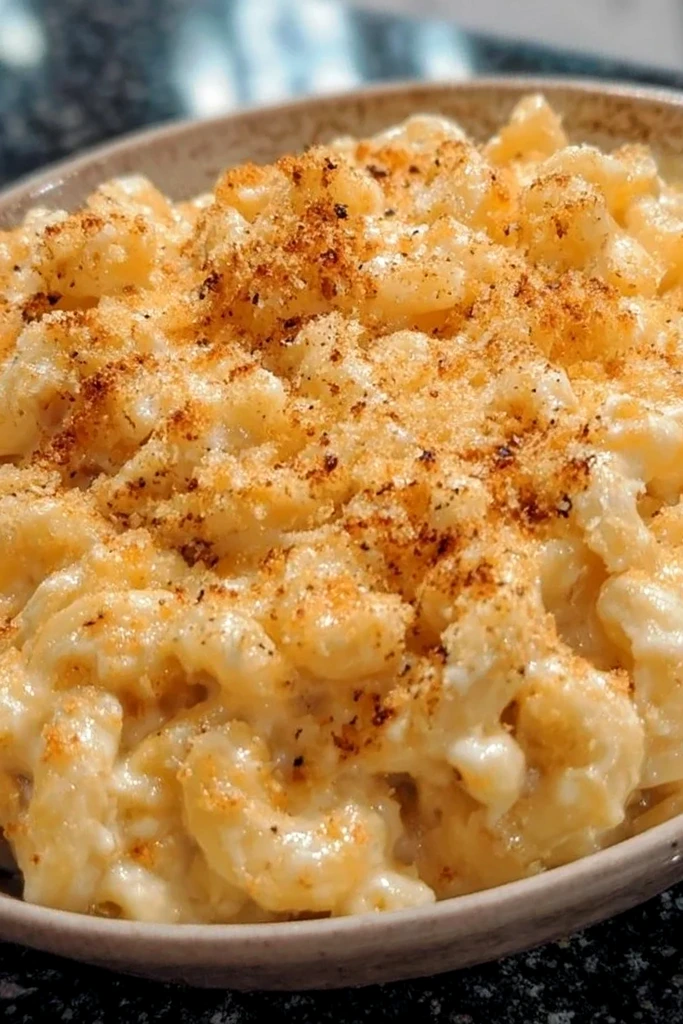
This slow cooker macaroni and cheese is a rich, creamy dish designed for minimal active effort. It uses a blend of cheeses and evaporated milk to ensure a smooth consistency throughout the cooking process.
List of ingredients
- 8 ounces elbow macaroni, cooked al dente – use high-quality pasta to maintain structure.
- 5 cups sharp Cheddar cheese, grated and divided – a mix of sharp and mild can be used for balanced flavor.
- 12 ounces can evaporated milk – provides essential stability and creaminess.
- 1.5 cups whole milk – adds liquid volume and richness.
- 1/4 cup melted butter – contributes to a silky mouthfeel.
- 2 large eggs, beaten – acts as a binder for a custard-like sauce.
- 1 teaspoon salt – enhances the overall savory profile.
- Dash of pepper – adds a subtle spicy note.
- Dash of paprika – used for color and a hint of warmth.
step-by-step instructions
- Prepare the pot: Lightly spray the interior of a 4-quart slow cooker with cooking spray to prevent the cheese from sticking to the sides.
- Combine main ingredients: Add the cooked macaroni, evaporated milk, whole milk, melted butter, salt, pepper, beaten eggs, and 4.5 cups of the grated cheese to the slow cooker.
- Mix thoroughly: Stir all ingredients together until the pasta is evenly coated and the mixture is well-combined.
- Add the topping: Sprinkle the remaining 0.5 cup of grated cheese over the top of the mixture and finish with a dash of paprika.
- Cook: Cover the slow cooker and cook on the LOW setting for 3 hours and 15 minutes, or until the cheese is fully melted and bubbling.
- Final touch: Turn off the heat and give the mac and cheese one final stir before serving hot.
Cheese Selection and Pairing
Prioritizing Extra Sharp Cheddar
Extra sharp Cheddar provides a punchy, acidic flavor that cuts through the richness of the milk and butter. It is recommended to grate the cheese from a block to avoid the cornstarch coatings found in pre-shredded varieties. This ensures a smoother melt and prevents the sauce from becoming grainy.
Adding Gruyere for Nutty Complexity
Replacing a portion of the Cheddar with Gruyere adds a sophisticated, nutty depth to the flavor profile. Gruyere is an excellent melting cheese that blends well with the other dairy components. It creates a more complex taste that elevates the dish from a basic comfort food to a gourmet meal.
Using Monterey Jack for Better Melt
Monterey Jack is known for its superior melting capabilities and mild flavor. Mixing it with sharp Cheddar ensures that the sauce remains fluid and stretchy even after several hours in the slow cooker. This is particularly useful if you prefer a more elastic cheese pull in your pasta.
Balancing Sharpness with Mild Cheddar
Combining sharp and mild Cheddar allows you to control the intensity of the cheese flavor. The sharp variety provides the depth, while the mild variety rounds out the taste to make it more approachable for children. This balance ensures the dish is flavorful without being overwhelming.
Pasta Preparation and Texture
Cooking Pasta Al Dente
It is critical to cook the macaroni just until al dente, meaning it still has a firm bite. Because the pasta continues to cook in the slow cooker, overboiling it initially will result in a mushy texture. Drain the pasta well to prevent excess water from thinning the cheese sauce.
Alternative Pasta Shapes like Cavatappi
While elbow macaroni is classic, cavatappi or shells are excellent alternatives. These shapes have larger surface areas and hollow centers that trap more of the creamy sauce. This results in a higher ratio of cheese to pasta in every bite.
Avoiding Mushy Noodles
To prevent the noodles from breaking down, avoid using the ‘High’ setting on your slow cooker. The Low setting provides a gentle heat that melts the cheese without overheating the starch in the pasta. Following the exact timing prevents the macaroni from becoming overly soft.
Using Gluten-Free Pasta
Gluten-free pasta can be used as a substitute, but it requires careful timing. Many gluten-free varieties degrade faster than wheat pasta when exposed to moisture and heat. Under-cook the gluten-free pasta slightly more than usual before adding it to the crockpot.
Sauce Science and Consistency
The Function of Evaporated Milk
Evaporated milk is concentrated milk with some water removed, which makes it more stable than regular milk. It prevents the sauce from separating or curdling during the long slow-cooking process. This ensures a homogeneous, velvety texture that stays creamy even when reheating.
Substituting Whole Milk for Heavy Cream
For an even richer and denser sauce, you can replace half a cup of whole milk with heavy cream. The higher fat content in heavy cream increases the viscosity of the sauce. This makes the dish feel more indulgent and provides a thicker coating on the pasta.
The Purpose of Beaten Eggs
Beaten eggs act as an emulsifier and binder in this recipe. As the eggs cook slowly, they create a custard-like structure that holds the cheese and fats together. This prevents the oil from separating from the cheese, resulting in a stable sauce.
Adjusting Sauce Thickness
If the sauce appears too thick after cooking, stir in a small splash of whole milk or cream. This will loosen the consistency without compromising the flavor. Conversely, if it is too thin, let it sit for 10 minutes after turning off the heat to allow the starches to set.
Flavor Enhancements and Add-ins
Adding Sautéed Garlic and Onions
Sautéing minced garlic and finely diced onions in butter before adding them to the slow cooker adds aromatic depth. These ingredients should be cooked until translucent to avoid a raw taste. They introduce a savory layer that complements the sharpness of the Cheddar.
Incorporating Pre-cooked Chicken
Diced cooked chicken breast or thighs can be stirred in during the final mixing step. This transforms the side dish into a complete protein-rich meal. Ensure the chicken is pre-cooked to avoid undercooking issues in the slow cooker.
Mixing in Steamed Broccoli
Steamed broccoli florets add color and nutritional value to the dish. Add them at the same time as the pasta to ensure they are evenly distributed. Broccoli provides a fresh, slightly bitter contrast to the rich cheese sauce.
Adding a Spicy Kick with Jalapeños
Finely diced fresh or pickled jalapeños can be mixed in for those who prefer heat. The spice of the peppers cuts through the heaviness of the dairy. You can also add a pinch of cayenne pepper to the dry seasoning for a more subtle, overall warmth.
Using Buffalo Sauce for Zest
Stirring in two tablespoons of buffalo sauce adds a tangy, spicy twist to the macaroni. This pairs exceptionally well with a blend of Cheddar and Monterey Jack. It creates a bold flavor profile that is popular for parties and game-day appetizers.
Equipment and Cooking Tips
Preventing Sticking in the Crockpot
Using a non-stick cooking spray or a thin layer of butter on the walls of the slow cooker is essential. Cheese tends to bake onto the sides, which can create burnt edges. This simple step makes the final stir easier and simplifies the cleanup process.
Managing Cooking Times
Strictly adhere to the Low setting and the specified time of 3 hours and 15 minutes. Cooking on High can cause the eggs to scramble or the cheese to break, leading to a grainy texture. Consistency in temperature is key to achieving a smooth emulsion.
Using Slow Cooker Liners
For the fastest cleanup, use a heat-resistant slow cooker liner. This eliminates the need for scrubbing the pot after the cheese has hardened. Ensure the liner is tucked securely around the edges to prevent any sauce from leaking underneath.
Scaling the Recipe
This recipe can be doubled for larger crowds, but you may need to increase the cooking time slightly. Ensure you use a larger slow cooker (6-8 quarts) to allow for proper heat circulation. Avoid overfilling the pot to prevent the sauce from bubbling over.
Serving and Presentation
Adding a Breadcrumb Crust
For a crunchy texture, transfer the finished mac and cheese to a baking dish. Top with a mixture of panko breadcrumbs and melted butter, then broil in the oven for 3-5 minutes. This adds a contrasting crispiness to the creamy interior.
Individual Ramekin Serving
Portioning the macaroni into individual ceramic ramekins before serving adds a professional touch. This is particularly useful for dinner parties where you want a controlled presentation. You can add a small pinch of extra cheese to each ramekin before the final cook.
Garnishing with Fresh Herbs
A sprinkle of freshly chopped parsley or chives provides a bright visual contrast to the yellow cheese. Herbs also add a fresh, grassy note that lightens the overall heaviness of the dish. Always add fresh herbs after cooking to preserve their color and flavor.
Recommended Side Dish Pairings
Serve this dish with a crisp green salad with a vinaigrette to balance the richness. Roasted Brussels sprouts or steamed asparagus also provide a healthy, bitter contrast. A light vegetable side ensures the meal feels balanced rather than overly heavy.
Storage and Preservation
Refrigeration Guidelines
Store leftover macaroni and cheese in an airtight container in the refrigerator for up to 3 days. Ensure the dish is cooled slightly before sealing to prevent excessive condensation. This helps maintain the quality of the pasta texture during storage.
Freezing for Future Use
To freeze, portion the dish into freezer-safe containers and leave a small amount of space at the top for expansion. The mac and cheese can be stored for up to 2 months. Thaw the container in the refrigerator overnight before reheating to ensure even heating.
Best Reheating Methods
Reheating in the oven at 325°F (160°C) covered with foil is the best way to maintain texture. If using a microwave, use medium power and stir every 60 seconds. This prevents the edges from overheating while the center remains cold.
Restoring Creaminess After Storage
Pasta absorbs liquid as it sits in the fridge, which can make the sauce seem dry. When reheating, add a tablespoon of milk or cream and stir well. This restores the original velvety consistency and prevents the cheese from becoming clumpy.
Common Troubleshooting
Fixing a Grainy Sauce
A grainy sauce is usually caused by overheating the cheese or using pre-shredded cheese with additives. To fix this, stir in a small amount of warm milk or heavy cream and whisk vigorously. In some cases, a very small amount of cornstarch slurry can help re-emulsify the fats.
Handling Overcooked Pasta
If the pasta becomes too soft, you cannot reverse the texture, but you can mask it. Adding a crunchy topping like breadcrumbs or toasted panko helps introduce a necessary texture contrast. In the future, reduce the initial boiling time by two minutes.
Managing Sauce Separation
If you see oil pooling on top, it means the emulsion has broken. This often happens if the heat was too high. Stirring in a teaspoon of cold butter or a bit of cream while whisking can help pull the sauce back together.
Correcting Over-Saltiness
If the dish tastes too salty, add a splash of unsweetened cream or a bit more milk. You can also stir in a small amount of unsalted ricotta cheese. This adds bulk and creaminess, which dilutes the concentration of salt.
Frequently Asked Questions
Can I use pre-shredded cheese?
While possible, it is not recommended. Pre-shredded cheeses are coated in potato starch or cellulose to prevent clumping, which can lead to a gritty texture in the slow cooker. Grating your own cheese ensures a smoother melt.
Is it possible to make this vegan?
Yes, by substituting the dairy for plant-based alternatives. Use a vegan cheese blend, almond or oat milk, and a plant-based butter substitute. Replace the eggs with a cornstarch slurry or a commercial vegan egg replacer to maintain the binder.
Can I cook the pasta in the slow cooker?
No, it is not recommended for this specific recipe. Cooking raw pasta in a slow cooker often leads to uneven textures, where some noodles are mushy and others are hard. Pre-cooking them al dente ensures a consistent result.
What can I use instead of evaporated milk?
Half-and-half or a mixture of whole milk and a bit of heavy cream can work. However, evaporated milk is preferred because its reduced water content prevents the sauce from thinning out over the long cooking period.
How do I make the dish richer?
Incorporate 4 ounces of softened cream cheese into the mixture before cooking. This adds a tangy richness and increases the thickness of the sauce. You can also replace the whole milk with heavy cream for a more decadent result.
Print
Slow Cooker Mac and Cheese
- Total Time: 3 hours 30 minutes
- Yield: 6 servings 1x
- Diet: General
Description
This slow cooker mac and cheese embodies comfort with creamy cheese and tender pasta, perfect for busy weeknights.
Ingredients
- 8 ounces elbow macaroni, cooked al dente
- 5 cups sharp Cheddar cheese, grated and divided
- 12 ounces can evaporated milk
- 1.5 cups whole milk
- 1/4 cup melted butter
- 2 large eggs, beaten
- 1 teaspoon salt
- dash pepper
- dash paprika
Instructions
- Step: Spray a 4-quart slow cooker with cooking spray to prevent sticking.
- Step: In the slow cooker, combine the cooked macaroni, evaporated milk, whole milk, melted butter, salt, pepper, beaten eggs, and all but 1/2 cup of the grated cheese. Stir everything together until well-mixed and evenly coated.
- Step: Sprinkle the remaining 1/2 cup of cheese on top of the mixture, then add a dash of paprika for color and taste.
- Step: Cover and cook on LOW for 3 hours and 15 minutes or until the cheese is fully melted and bubbly.
- Step: Turn off the heat, give the mac and cheese a final stir, and serve hot.
Notes
Experiment with different cheeses for unique flavors. You can also add diced cooked chicken or broccoli for a heartier dish.
- Prep Time: 15 minutes
- Cook Time: 3 hours 15 minutes
- Category: Comfort Food, Main Course
- Method: Slow Cooking
- Cuisine: American
Nutrition
- Serving Size: 1 cup
- Calories: 450 kcal
- Sugar: 3 g
- Sodium: 650 mg
- Fat: 30 g
- Saturated Fat: 17 g
- Unsaturated Fat: 13 g
- Trans Fat: 0 g
- Carbohydrates: 32 g
- Fiber: 1 g
- Protein: 21 g
- Cholesterol: 95 mg
Keywords: slow cooker, mac and cheese, comfort food, easy dinner, cheesy pasta