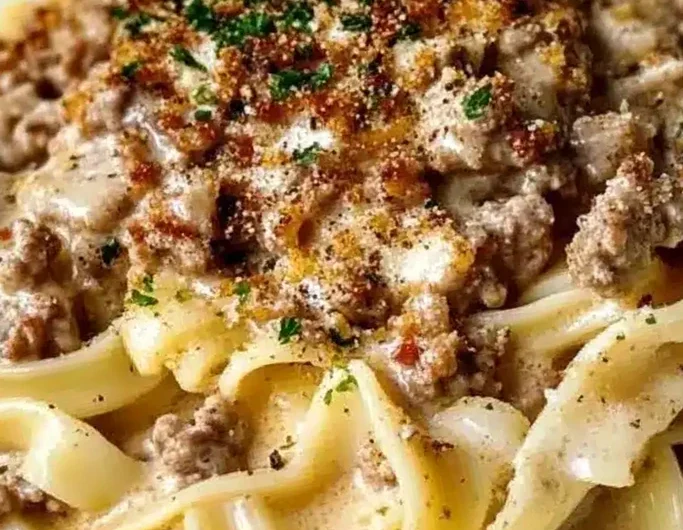
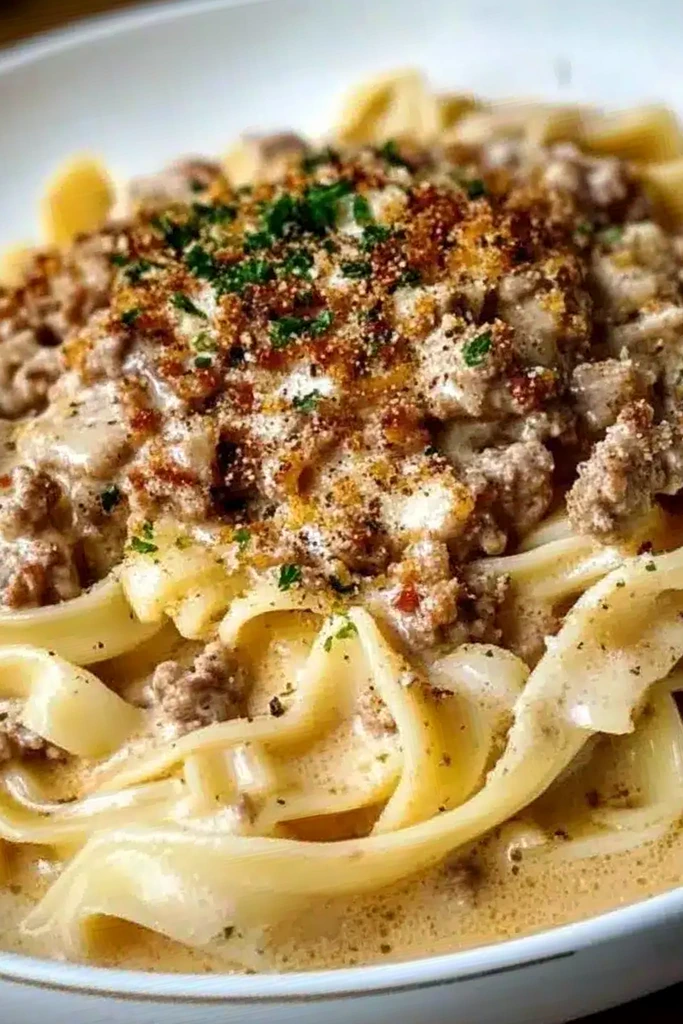
This creamy white bolognese is a rich, velvety alternative to traditional red meat sauces. It pairs perfectly with wide noodles or gnocchi for a comforting and satisfying meal. Use this recipe to transform a standard pasta night into a gourmet dining experience.
List of ingredients
- 1 tablespoon olive oil – used for initial sautéing.
- 1 tablespoon unsalted butter – adds richness and flavor.
- 1 small onion, finely chopped – provides a sweet aromatic base.
- 1 carrot, finely chopped – adds a touch of natural sweetness.
- 1 celery stalk, finely chopped – completes the traditional soffritto.
- 2 cloves garlic, minced – provides a pungent, savory depth.
- 1 pound ground beef – the primary hearty protein.
- 1 pound ground turkey – adds a lighter balance to the meat blend.
- 1 cup whole milk – creates the signature creamy texture.
- 1 cup chicken broth – adds savory liquid for simmering.
- 1 teaspoon salt – enhances all the flavors in the sauce.
- ½ teaspoon black pepper – provides a subtle warmth.
- 1 teaspoon dried oregano – adds a classic herbal note.
- 1 teaspoon dried thyme – brings an earthy aroma to the dish.
- 1 bay leaf – infuses the sauce with a delicate herbal scent.
- Fresh parsley, chopped – used for a bright, fresh garnish.
- Grated Parmesan cheese – adds a salty, nutty finish.
step-by-step instructions
- Heat the Oil and Butter: In a large skillet, heat the olive oil and butter over medium heat until completely melted.
- Sauté Vegetables: Add the chopped onion, carrot, and celery to the pan. Cook for 5-7 minutes until the vegetables have softened.
- Add Garlic: Stir in the minced garlic and cook for an additional minute until it becomes fragrant.
- Brown the Meats: Add the ground beef and ground turkey. Cook, breaking the meat apart with a spoon, until browned and cooked through, about 8-10 minutes.
- Season the Mixture: Stir in the salt, pepper, oregano, thyme, and bay leaf, mixing well to coat the meat.
- Add Milk: Pour in the whole milk and stir to combine. Let it simmer for 10-15 minutes until the milk is mostly absorbed by the meat.
- Incorporate Broth: Slowly add the chicken broth while stirring frequently. Allow the sauce to simmer on low heat for 30-40 minutes, stirring occasionally.
- Adjust Seasoning: Taste the sauce and adjust the salt or pepper if needed. Remove the bay leaf before serving.
- Serve Over Pasta: Toss the completed sauce with your choice of cooked pasta or ladle it over individual portions.
- Garnish: Top the dish with chopped fresh parsley and a generous sprinkle of grated Parmesan cheese.
Essential Cooking Techniques
Proper Browning of Meat
Ensure the skillet is hot enough before adding the ground beef and turkey. Browning the meat properly creates a Maillard reaction, which develops deep, savory flavors. Avoid overcrowding the pan to prevent the meat from steaming in its own juices.
Mastering the Soffritto
The combination of onion, carrot, and celery is known as a soffritto. Sauté these slowly over medium heat to release their natural sugars without burning. This process creates the foundational flavor profile for the entire sauce.
The Milk Reduction Process
Adding milk before the broth is a key step in white bolognese. The milk tenderizes the meat and creates a creamy emulsion. Simmering until the milk is absorbed ensures a thick, luxurious consistency.
Low and Slow Simmering
Keeping the sauce on low heat during the final stage allows the flavors to meld. This slow reduction thickens the sauce and concentrates the savory notes. Frequent stirring prevents the bottom from scorching.
Balancing Salt and Acid
Taste your sauce frequently during the final simmering stage. If the flavor feels too heavy, a tiny squeeze of fresh lemon juice can brighten the dish. Salt should be added gradually to avoid over-seasoning as the liquid reduces.
Ingredient Substitutions and Adaptations
Leaner Meat Options
You can replace the ground beef with ground chicken or lean turkey breast. This reduces the overall fat content while maintaining the hearty structure. You may need to add an extra tablespoon of olive oil if using very lean meats.
Plant-Based Protein Swaps
For a vegetarian version, substitute the meats with a mix of cooked brown lentils and finely diced mushrooms. This combination mimics the texture of ground meat. Ensure you use a vegetable-based broth instead of chicken broth.
Dairy-Free Milk Alternatives
Unsweetened almond milk or oat milk can replace whole milk for a dairy-free option. Oat milk is particularly effective because of its natural creaminess. Avoid using sweetened versions, as they will ruin the savory profile.
Vegetable Substitutions
If you dislike celery, you can substitute it with finely diced fennel for a subtle anise flavor. Parsnips can be used instead of carrots for a more earthy, peppery taste. Always ensure vegetables are chopped to a similar size for even cooking.
Gluten-Free Broth Selection
Most chicken broths are naturally gluten-free, but always check the label for hidden thickeners. You can also use a homemade stock for a cleaner flavor. Vegetable broth is another safe and tasty alternative.
Nut-Based Texture Additions
Adding finely crushed walnuts or pine nuts can provide an interesting textural contrast. Stir these in during the final five minutes of simmering. This adds a nutty depth that complements the Parmesan cheese.
Serving and Presentation Ideas
Choosing the Best Pasta Shape
Wide ribbons like pappardelle or tagliatelle are ideal because they hold the heavy sauce well. Gnocchi is another excellent choice for a more pillowy and comforting texture. Avoid very thin pastas like angel hair, which can be overwhelmed by the sauce.
Creating a Restaurant-Style Plate
Twirl the pasta using a carving fork or tongs to create a high mound in the center of the plate. Ladle the sauce over the top, allowing it to drape naturally over the sides. This vertical presentation looks professional and appetizing.
Ideal Side Salad Pairings
A crisp arugula salad with a lemon vinaigrette cuts through the richness of the cream sauce. A simple mix of baby spinach and cherry tomatoes also works well. The acidity in the dressing balances the savory fats of the bolognese.
Warm Bread Accompaniments
Serve with toasted garlic bread or a warm focaccia to soak up any extra sauce. Bruschetta topped with diced tomatoes and basil provides a fresh contrast. This makes the meal feel more complete and filling.
Garnish for Visual Appeal
Use a mix of flat-leaf parsley and a few leaves of fresh basil for a pop of color. A final grating of fresh Parmesan creates a snowy effect that looks elegant. Avoid over-garnishing to keep the focus on the sauce.
Storage and Meal Prep
Optimal Refrigerator Storage
Place leftover sauce in an airtight glass container once it has cooled completely. It will stay fresh in the refrigerator for up to three days. Keep the pasta separate from the sauce to prevent the noodles from becoming mushy.
Long-Term Freezer Tips
Freeze the sauce in portion-sized freezer bags or airtight containers for up to three months. Flatten the bags to save space and allow for faster thawing. Label each container with the date of preparation.
Safe Thawing Procedures
Thaw frozen sauce in the refrigerator overnight for the safest results. If you are in a rush, you can place the sealed bag in a bowl of cold water. Avoid thawing in the microwave to prevent uneven heating.
Reheating Without Breaking the Sauce
Reheat the sauce on the stove over low to medium heat. Add a splash of milk or broth to restore the creamy consistency. Stir gently to avoid separating the fats from the liquids.
Advanced Prep Strategies
You can prepare the soffritto and brown the meat a day in advance. Store the mixture in the fridge and start the recipe from the milk addition step. This reduces the active cooking time on the day of serving.
Common Cooking Challenges and Solutions
Preventing Sauce Curdling
Avoid boiling the sauce vigorously once the milk has been added. Keep the heat on a steady simmer to ensure the emulsion remains stable. If the sauce looks like it is separating, stir in a tablespoon of warm water quickly.
Managing Excess Meat Fat
If the meat releases too much oil during browning, spoon out the excess before adding the vegetables. Too much fat can make the final sauce feel greasy. A clean pan ensures the flavors remain balanced.
Fixing an Overly Thick Sauce
If the sauce becomes too thick during the simmer, stir in a small amount of chicken broth. Add the liquid one tablespoon at a time until the desired consistency is reached. This allows you to control the thickness without diluting the flavor.
Correcting Bland Flavors
If the sauce tastes flat, increase the amount of black pepper or add a pinch more salt. A small amount of grated Parmesan stirred directly into the sauce can also boost the savoriness. Always taste and adjust just before serving.
Avoiding Overcooked Vegetables
Sauté the vegetables until they are translucent rather than brown. Overcooking the carrots and celery can lead to a mushy texture. The goal is for them to soften and blend into the sauce during the long simmer.
Necessary Kitchen Equipment
The Ideal Sauté Pan
A wide, deep stainless steel or cast iron skillet is best for this recipe. The wide surface area allows for better browning of the meat. Deep sides prevent the sauce from splashing over the edges during the simmer.
Using a High-Quality Chef’s Knife
A sharp chef’s knife is essential for finely dicing the onion, carrot, and celery. Consistent sizing ensures that all vegetables cook at the same rate. This prevents some pieces from being raw while others are overdone.
Importance of Measuring Tools
Use standard measuring cups and spoons for the herbs and liquids. Accurate measurements of salt and pepper are crucial for a balanced flavor. Precise liquid ratios ensure the sauce thickens correctly.
Stirring Utensils for Heavy Sauces
A sturdy wooden spoon or silicone spatula is ideal for breaking up the ground meat. These tools can handle the weight of the sauce without bending. They also help in scraping the browned bits from the bottom of the pan.
Comprehensive FAQ
Can I make this sauce ahead of time?
Yes, you can prepare the sauce a day in advance and store it in the refrigerator. The flavors often deepen and improve overnight. Simply reheat it slowly on the stove before tossing with fresh pasta.
Is the sauce gluten-free?
The sauce itself is naturally gluten-free as long as you use a gluten-free broth. To keep the entire meal gluten-free, serve it with corn-based or brown rice pasta. Always check the labels on processed ingredients.
How do I make it dairy-free?
Replace the whole milk with unsweetened oat milk and the butter with olive oil. Use a vegan Parmesan alternative or nutritional yeast for the final garnish. This maintains the creamy feel without using animal dairy.
Which pasta is best for this sauce?
Pappardelle, tagliatelle, and rigatoni are the best choices because they can support the heavy meat sauce. Gnocchi is also a fantastic option for those seeking a denser meal. Avoid thin noodles like spaghetti for this specific recipe.
Can I use a slow cooker?
You can brown the meat and vegetables in a pan first, then transfer everything to a slow cooker. Cook on low for 6-8 hours to achieve a very tender consistency. Stir in the milk and cream at the very end to prevent curdling.
How to adjust for more servings?
Simply double all the ingredients, but use a much larger pot to avoid overcrowding. Increase the simmering time slightly to account for the larger volume of liquid. Be careful not to double the salt immediately; season to taste at the end.
Print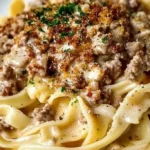
Rich and Creamy White Bolognese Sauce
- Total Time: 75 minutes
- Yield: 6 servings 1x
- Diet: General
Description
A creamy, rich twist on the classic Italian favorite, this White Bolognese Sauce features a savory blend of meats, vegetables, and aromatic herbs simmered to perfection for a luxurious pasta experience.
Ingredients
- 1 tablespoon olive oil
- 1 tablespoon unsalted butter
- 1 small onion, finely chopped
- 1 carrot, finely chopped
- 1 celery stalk, finely chopped
- 2 cloves garlic, minced
- 1 pound ground beef
- 1 pound ground turkey
- 1 cup whole milk
- 1 cup chicken broth
- 1 teaspoon salt
- ½ teaspoon black pepper
- 1 teaspoon dried oregano
- 1 teaspoon dried thyme
- 1 bay leaf
- Fresh parsley, chopped (for garnish)
- Grated Parmesan cheese (microbial-rennet) (for serving)
Instructions
- Heat the Oil and Butter: In a large skillet, heat the olive oil and butter over medium heat until melted.
- Sauté Vegetables: Add the chopped onion, carrot, and celery. Cook until softened, about 5-7 minutes.
- Add Garlic: Stir in the minced garlic and cook for an additional minute until fragrant.
- Brown the Meats: Add the ground beef and ground turkey. Cook, breaking it apart with a spoon, until browned and cooked through, about 8-10 minutes.
- Season the Mixture: Stir in salt, pepper, oregano, thyme, and bay leaf. Mix well.
- Add Milk: Pour in the whole milk, stirring to combine. Let it simmer for 10-15 minutes until the milk is mostly absorbed.
- Incorporate Broth: Slowly add the chicken broth, stirring frequently. Allow the sauce to simmer for 30-40 minutes on low heat, stirring occasionally.
- Adjust Seasoning: Taste and adjust seasoning if needed. Remove the bay leaf before serving.
- Serve Over Pasta: Toss the sauce with your choice of cooked pasta, or serve it directly over the pasta on individual plates.
- Garnish: Top with fresh parsley and a generous sprinkle of grated Parmesan cheese.
Notes
Leftovers can be refrigerated in an airtight container for up to three days or frozen for up to three months. Use fresh herbs for a brighter flavor profile.
- Prep Time: 15 minutes
- Cook Time: 60 minutes
- Category: Main Course
- Method: Simmering
- Cuisine: Italian
Nutrition
- Serving Size: 1 serving
- Calories: 420 kcal
- Sugar: 6 g
- Sodium: 820 mg
- Fat: 30 g
- Saturated Fat: 12 g
- Unsaturated Fat: 18 g
- Trans Fat: 0 g
- Carbohydrates: 10 g
- Fiber: 2 g
- Protein: 25 g
- Cholesterol: 110 mg
Keywords: White Bolognese Sauce, creamy pasta sauce, meat sauce, Italian dinner, hearty pasta