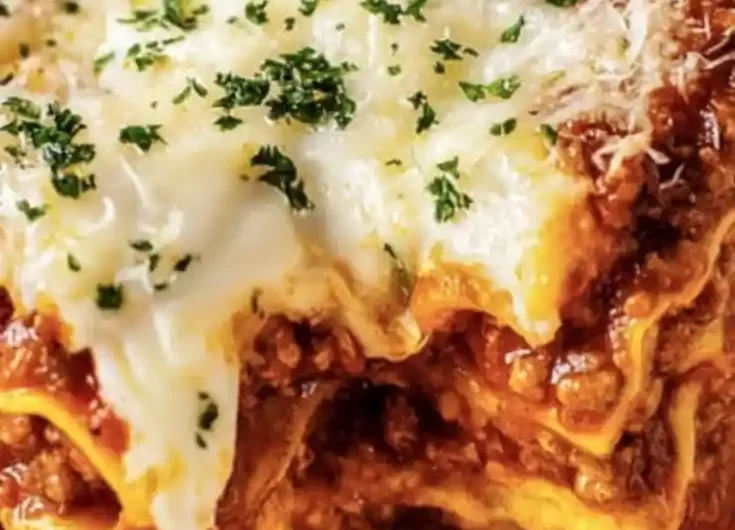
This recipe delivers a sturdy, cheesy lasagna with a rich meat sauce and creamy ricotta. Using no-boil noodles and a long simmer time ensures deep flavor and clean slices.
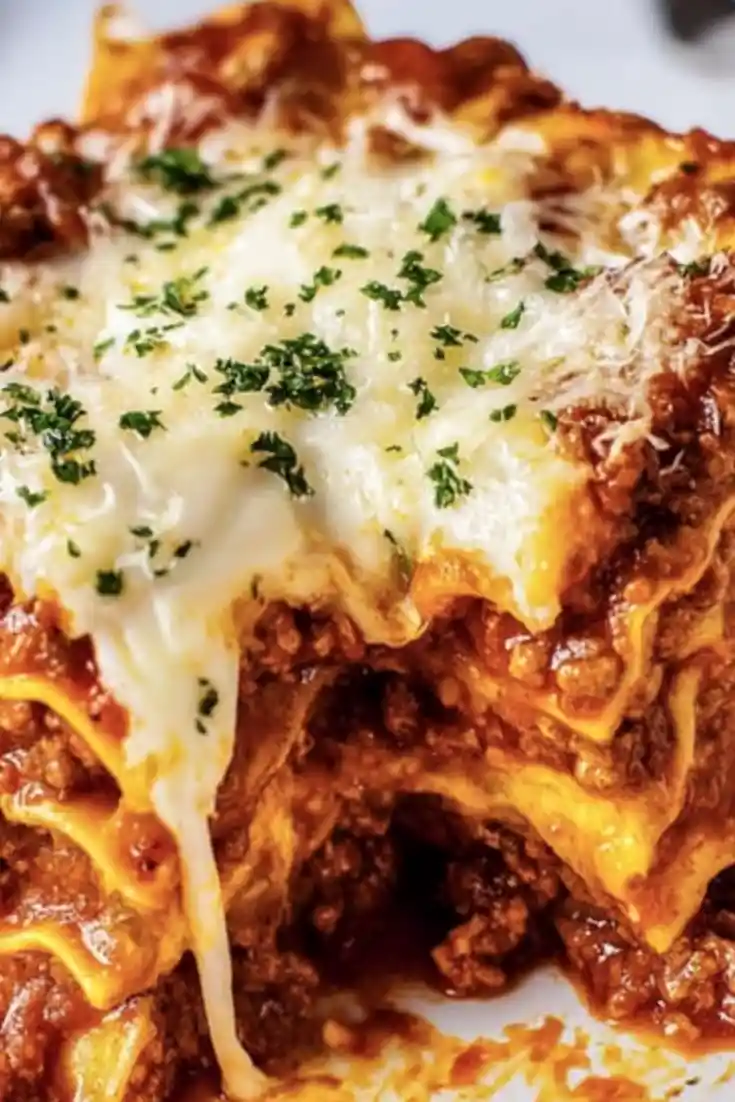
List of ingredients
- 1 lb ground beef (80/20) – provides the base richness.
- ½ lb mild Italian-style beef sausage, casings removed – adds depth and seasoning.
- 1 medium yellow onion, finely diced – for aromatic sweetness.
- 5 cloves garlic, minced – for a pungent, savory kick.
- 3 tablespoons tomato paste – thickens and intensifies the sauce.
- 1 can (28 oz) crushed tomatoes – the primary sauce body.
- 1 can (15 oz) tomato sauce – for a smooth consistency.
- 1½ teaspoons dried oregano – classic herbal note.
- 1 teaspoon dried basil – adds aromatic sweetness.
- 1 teaspoon sugar – balances the acidity of the tomatoes.
- ¾ to 1 teaspoon salt, plus more to taste – enhances all flavors.
- ½ teaspoon black pepper – adds a subtle heat.
- Olive oil for cooking – prevents sticking and sautés aromatics.
- 15 oz whole milk ricotta cheese – creates a creamy filling.
- 1 large egg – binds the ricotta to keep layers stable.
- ½ cup grated Parmesan – adds a salty, nutty flavor.
- 2 tablespoons fresh parsley, chopped – adds brightness to the filling.
- Pinch of salt and pepper – seasons the ricotta mixture.
- 12 to 15 oven-ready (no-boil) lasagna noodles – simplifies assembly.
- 4 cups low-moisture mozzarella, shredded and divided – for the cheesy pull.
- ½ cup grated Parmesan for the top – creates a golden crust.
step-by-step instructions
- Prepare the meat sauce: Heat olive oil in a large pot over medium-high heat. Sauté the diced onion for 4 to 5 minutes until soft, then stir in the minced garlic for 1 minute. Add the ground beef and beef sausage, breaking them apart with a spoon and cooking until browned (about 8 minutes), then drain the excess fat. Push the meat to the side, add the tomato paste to the empty space, and let it darken for 2 minutes before stirring it into the meat. Pour in the crushed tomatoes and tomato sauce, then stir in the oregano, basil, sugar, salt, and pepper.
- Simmer the sauce: Reduce the heat to low and let the sauce simmer uncovered for 30 to 40 minutes. Stir occasionally to ensure it does not stick and the liquid reduces. The sauce should be thick and dark, not watery, before you proceed. Taste and adjust the salt levels as needed.
- Mix the ricotta filling: In a medium bowl, combine the whole milk ricotta, egg, ½ cup Parmesan, chopped parsley, and a pinch of salt and pepper. Stir until the mixture is smooth and well combined. Set the bowl aside for layering.
- Prepare the oven and pan: Preheat your oven to 375°F (190°C). Lightly grease a 9×13 inch baking dish with oil or non-stick spray to prevent the edges from sticking.
- Assemble the layers: Spread 1 cup of meat sauce across the bottom of the baking dish. Place a layer of noodles on top, then dollop half of the ricotta mixture in small spoonfuls and spread it gently. Add a third of the remaining meat sauce, followed by 1 cup of shredded mozzarella. Repeat this order for the second layer. Finish with a final layer of noodles, the remaining meat sauce spread to the edges, the rest of the mozzarella, and ½ cup of Parmesan on top.
- Bake the lasagna: Cover the dish loosely with aluminum foil, ensuring it does not touch the cheese. Bake for 45 minutes with the foil on. Remove the foil and bake for another 15 to 20 minutes until the cheese is bubbly and golden brown.
- Rest before serving: Remove the lasagna from the oven and let it rest uncovered for 20 full minutes. This allowing the internal structure to set, ensuring clean slices instead of a collapse on the plate.
Preparation Secrets for Better Results
Use Whole Milk Ricotta for Maximum Creaminess
Whole milk ricotta provides a richer texture and better mouthfeel than part-skim versions. The higher fat content prevents the filling from becoming grainy during the baking process. If you must use part-skim, the structure remains, but the flavor is less indulgent.
Ensure Sauce Moisture for No-Boil Noodles
No-boil noodles rely on the moisture from the sauce to hydrate and cook in the oven. If your meat sauce has reduced too much and looks overly dense, stir in a splash of water before layering. This provides the necessary steam to soften the pasta sheets completely.
Adjust Salt Levels After the Simmering Process
The flavors of the sauce concentrate as the liquid evaporates during the 40-minute simmer. Salt that tastes correct at the start may taste different once the sauce is reduced. Always perform a final taste test right before you start building the layers to ensure proper seasoning.
Apply Ricotta in Dollops to Protect Noodles
Spreading ricotta in one large motion can shift the no-boil noodles and create gaps in the structure. Instead, place the ricotta in small dollops across the pasta layer. Gently spread these dollops outward to maintain the alignment of the noodles.
Customization and Variations
Add Softened Cream Cheese for a Richer Filling
For a more decadent result, mix 4 ounces of softened cream cheese into the ricotta mixture. This creates a denser, creamier layer that mimics high-end restaurant styles. Ensure the cream cheese is at room temperature to avoid lumps in the filling.
Substitute Full Beef Sausage for Bolder Flavor
If you prefer a more intense meat profile, replace the ground beef entirely with a full pound of Italian-style beef sausage. The higher fat and spice content of the sausage creates a more complex sauce. This variation is particularly effective when serving as a main course for guests.
Sauté Vegetables Thoroughly for Meatless Layers
To create a vegetable version, replace the meat sauce with a high-quality marinara. Sauté zucchini, mushrooms, spinach, or bell peppers in olive oil until their moisture has evaporated. Adding raw vegetables will release water during baking, which can make the lasagna watery.
Serving and Pairing Suggestions
Pair with Garlic Bread and Fresh Green Salads
Because lasagna is heavy and rich, it pairs best with acidic or crisp side dishes. A fresh green salad with a lemon-based vinaigrette cuts through the fat of the cheese. Garlic bread provides a textural contrast and a way to scoop up extra sauce.
Determine Slice Size Based on Meal Type
For a standard family dinner, cut the 9×13 pan into 10 to 12 equal squares. If the lasagna is the sole focus of the meal, 8 larger portions are more appropriate. Using a sharp knife and letting the dish rest is critical for maintaining these clean edges.
Storage and Preservation
Store Refrigerated Leftovers in Airtight Containers
Leftover lasagna can be stored in the refrigerator for 3 to 4 days. Keep the slices in an airtight container to prevent the cheese from drying out. If storing the entire pan, press a piece of parchment paper directly onto the cheese before covering with foil.
Freeze Unbaked Lasagna to Maintain Freshness
Assembling the lasagna and freezing it before baking is the best way to preserve the taste of fresh ingredients. Cover the dish tightly with foil and then wrap the entire pan in plastic wrap to prevent freezer burn. Unbaked lasagna remains high quality for up to 2 months.
Freeze Pre-baked Slices for Quick Meals
For individual portions, let the baked lasagna cool completely before slicing. Wrap each slice tightly in aluminum foil and store them in a freezer-safe bag. This method is ideal for quick lunches or single-serving dinners.
Heating Guidelines
Adjust Baking Times for Frozen Lasagnas
If baking an unbaked lasagna straight from the freezer, increase the covered baking time by 15 to 20 minutes. If the lasagna was fully frozen, bake it covered at 375°F for 1 hour and 15 minutes. Finish by uncovering it for 20 to 25 minutes to brown the top.
Reheat Slices in the Oven to Preserve Texture
To avoid the rubbery texture common with microwaves, reheat slices in the oven at 350°F. Wrap the slice in foil to trap moisture and bake for approximately 20 minutes. This restores the melted consistency of the mozzarella and Parmesan.
Use a Damp Paper Towel for Microwave Reheating
If using a microwave, place the slice on a microwave-safe plate and cover it with a damp paper towel. Heat on medium power in 2-minute intervals. The damp towel creates steam, which prevents the edges of the noodles from becoming hard or chewy.
Common Troubleshooting and FAQs
Why is my lasagna watery after baking?
Wateriness usually occurs if the meat sauce was too thin or if the ricotta filling lacked a binder. Ensure the sauce simmers for the full 40 minutes to reduce excess liquid. Additionally, the egg in the ricotta mixture is essential for absorbing moisture and holding the layers together.
Can I use traditional boil-first noodles?
Yes, you can use traditional noodles, but they must be boiled until just under al dente. Overcooking them during the boiling stage will cause them to turn mushy in the oven. After boiling, lay them flat on parchment paper to prevent them from sticking together before assembly.
How do I stop the cheese from burning?
Prevent burning by tenting the aluminum foil loosely over the top of the dish. The foil should protect the cheese from direct heat while allowing steam to escape. Only remove the foil for the final 15 to 20 minutes of baking to achieve the golden-brown finish.
Print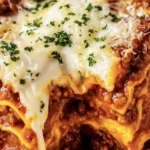
Classic Homemade Lasagna
- Total Time: 1 hour 55 minutes
- Yield: 10 servings 1x
- Diet: General
Description
Cheesy, comforting, and freezer-friendly — this homemade lasagna recipe brings the whole family to the table every single time.
Ingredients
- 1 lb ground beef (80/20)
- ½ lb mild beef Italian sausage, casings removed
- 1 medium yellow onion, finely diced
- 5 cloves garlic, minced
- 3 tablespoons tomato paste
- 1 can (28 oz) crushed tomatoes
- 1 can (15 oz) tomato sauce
- 1½ teaspoons dried oregano
- 1 teaspoon dried basil
- 1 teaspoon sugar
- ¾ to 1 teaspoon salt, plus more to taste
- ½ teaspoon black pepper
- Olive oil for cooking
- 15 oz whole milk ricotta cheese
- 1 large egg
- ½ cup grated Parmesan
- 2 tablespoons fresh parsley, chopped
- Pinch of salt and pepper
- 12 to 15 oven-ready (no-boil) lasagna noodles
- 4 cups low-moisture mozzarella, shredded and divided
- ½ cup grated Parmesan for the top
Instructions
- Start the sauce: Heat a drizzle of olive oil in a large pot or deep skillet over medium-high heat. Add the onion and cook for 4 to 5 minutes until soft. Add garlic and stir for 1 minute. Add the ground beef and sausage, breaking them apart, and cook until browned, about 8 minutes. Drain the excess fat. Push the meat to the side of the pan, add the tomato paste directly to the cleared space, and let it sit undisturbed for about 2 minutes until it darkens. Stir it into the meat, then pour in the crushed tomatoes and tomato sauce. Add the oregano, basil, sugar, salt, and pepper. Stir everything together.
- Let it simmer: Drop the heat to low and let the sauce go uncovered for at least 30 minutes, preferably closer to 40, stirring here and there. It should be thick and deep in color by the end. Taste it and adjust the salt.
- Make the ricotta filling: While the sauce simmers, mix the ricotta, egg, ½ cup Parmesan, parsley, and a pinch of salt and pepper in a bowl until smooth. Set it aside.
- Get the oven going: Preheat to 375°F (190°C) and lightly grease a 9×13 baking dish.
- Build the layers: Spread about 1 cup of meat sauce across the bottom of the dish. Then layer: noodles, dollop half the ricotta in spoonfuls and gently spread it, a third of the remaining sauce, then 1 cup of mozzarella. Repeat that same order for the second layer. Finish with a final layer of noodles, the rest of the sauce spread to the edges, the remaining mozzarella, and ½ cup of Parmesan on top.
- Bake it: Tent foil loosely over the top so it doesn’t touch the cheese. Bake for 45 minutes, covered, then remove the foil and bake for another 15 to 20 minutes, until the top is golden, bubbly, and a little browned at the edges.
- Wait before you cut it: Let it rest uncovered for 20 full minutes before slicing.
Notes
Use whole milk ricotta for the best creaminess. Spread ricotta in dollops rather than one large swipe to keep noodles in place. No-boil noodles are used for convenience. For make-ahead, refrigerate assembled lasagna for up to 2 days (add 15 minutes to covered baking time). For freezing, freeze unbaked in a freezer-safe dish for up to 2 months.
- Prep Time: 20 minutes
- Cook Time: 1 hour 15 minutes
- Category: Food
- Method: Baking
- Cuisine: American
Nutrition
- Serving Size: 1 slice
- Calories: 1670 kcal
- Sugar: 8 g
- Sodium: 1519 mg
- Fat: 55 g
- Saturated Fat: 27 g
- Unsaturated Fat: 28 g
- Trans Fat: 0 g
- Carbohydrates: 199 g
- Fiber: 13 g
- Protein: 87 g
- Cholesterol: 195 mg
Keywords: homemade lasagna, beef lasagna, comfort food, cheesy pasta, freezer-friendly dinner