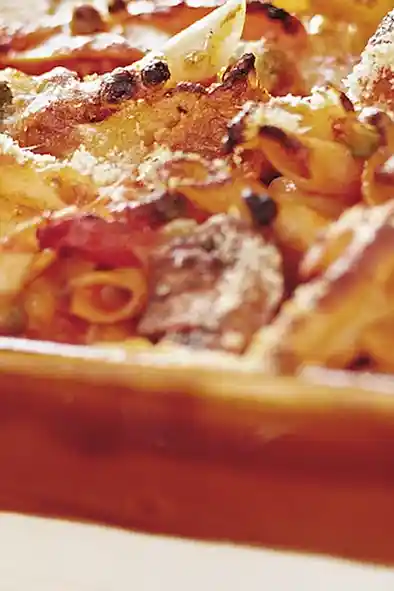
This baked pasta dish combines caramelized roasted vegetables with a rich, three-cheese blend for a hearty meal. It is an efficient way to incorporate multiple servings of vegetables into one cohesive, oven-baked entrée.
List of ingredients
- 2 red bell peppers – cored, seeded, and cut into 1-inch strips
- 2 zucchini – quartered lengthwise and cut into 1-inch pieces
- 2 summer squash – quartered lengthwise and cut into 1-inch pieces
- 4 cremini mushrooms – quartered
- 1 yellow onion – peeled and sliced into 1-inch strips
- 1/4 cup extra-virgin olive oil – for roasting
- 1 teaspoon salt – divided for roasting and mixing
- 1/2 teaspoon freshly ground black pepper – divided for roasting and mixing
- 1 tablespoon dried Italian herb blend or herbes de Provence – for aromatic flavor
- 1 pound penne or elicoidali pasta – for structure and sauce capture
- 3 cups marinara sauce – such as Bio Orto
- 1 cup grated fontina cheese – for creaminess
- 1/2 cup grated smoked mozzarella – for a depth of flavor
- 1/4 cup grated Parmesan – plus an additional 1/3 cup for the topping
- 1 1/2 cups frozen peas – thawed
- 2 tablespoons unsalted butter – cut into small pieces for the topping
step-by-step instructions
- Prepare the oven: Preheat your oven to 450°F to ensure it is hot enough to roast the vegetables quickly.
- Roast the vegetables: On a large baking sheet, toss the bell peppers, zucchini, squash, mushrooms, and onion with the olive oil, 1/2 teaspoon of the salt, 1/4 teaspoon of the pepper, and the herbs. Bake until the vegetables are tender, which usually takes about 15 minutes.
- Cook the pasta: Bring a large pot of salted water to a boil over high heat. Add the pasta and cook for approximately 6 minutes. Ensure the pasta is not completely cooked (underdone) since it will finish cooking in the oven. Drain in a colander.
- Combine ingredients: In a large mixing bowl, combine the undercooked pasta with the roasted vegetables, marinara sauce, fontina, mozzarella, 1/4 cup of the Parmesan, thawed peas, and the remaining 1/2 teaspoon of salt and 1/4 teaspoon of pepper. Mix gently with a wooden spoon until every piece of pasta is coated.
- Bake the pasta: Pour the mixture into a greased 9 x 13 x 2-inch baking dish. Top the surface with the remaining 1/3 cup of Parmesan cheese and the small pieces of butter. Bake for about 25 minutes or until the cheese is melted and the top is golden brown.
Vegetable Preparation and Roasting Tips
Maintaining Uniform Vegetable Sizes
Cutting all vegetables into roughly 1-inch pieces is essential for even cooking. If the zucchini is too large compared to the mushrooms, some pieces will be mushy while others remain raw. Using a consistent size ensures everything caramelizes at the same rate during the 15-minute roast.
Preventing Vegetable Sogginess
Avoid overcrowding the baking sheet when roasting the vegetables. If the vegetables are piled on top of each other, they will steam rather than roast, resulting in a softer texture. Use two baking sheets if necessary to give the produce enough space for moisture to evaporate.
Optimizing the Maillard Reaction
The high oven temperature of 450°F is designed to trigger the Maillard reaction quickly. This creates the brown, caramelized edges on the onions and peppers that provide a deeper flavor profile. Do not lower the temperature, as this will lead to longer cooking times and softer vegetables.
Handling Frozen Peas
Always thaw the frozen peas before adding them to the pasta mixture. Adding frozen peas directly into the bowl can lower the overall temperature of the dish and introduce excess moisture. Thawing them first ensures they stay bright green and do not make the marinara sauce watery.
Cheese Selection and Alternatives
The Role of Fontina Cheese
Fontina is used here for its superior melting capabilities and buttery flavor. It provides the primary creamy stretch within the pasta. If you cannot find fontina, a mild Gruyère is a suitable alternative that offers a similar melt and richness.
Enhancing Flavor with Smoked Mozzarella
Smoked mozzarella adds a subtle campfire note that complements the roasted vegetables. This prevents the dish from tasting too one-dimensional. If smoked mozzarella is unavailable, you can use standard low-moisture mozzarella and add a tiny pinch of smoked paprika to the sauce.
Using Parmesan for the Crust
Parmesan is a hard cheese with a high salt content, making it perfect for the topping. When baked with butter, it creates a savory, crisp crust. Ensure you use freshly grated Parmesan rather than the pre-shredded canned version to achieve a better melt.
Adapting for Different Cheese Preferences
If you prefer a sharper taste, you can substitute a portion of the mozzarella with a sharp white cheddar. Keep in mind that cheddar has a higher oil content and may separate slightly more during the baking process than mozzarella does.
Pasta Choice and Texture Management
Using Elicoidali for Better Sauce Adhesion
While penne is the standard choice, elicoidali pasta is highly recommended due to its corkscrew shape. The twists and grooves capture more marinara sauce and small bits of cheese. This ensures a more flavor-dense experience in every bite.
Preventing Mushy Pasta
The most critical step is undercooking the pasta during the initial boil. Cooking for only 6 minutes leaves the center slightly firm. The pasta then absorbs the moisture from the marinara sauce during the 25-minute bake, reaching a perfect al dente texture.
Adjusting for Whole Grain Pasta
If using whole wheat or whole grain penne, you may need to increase the initial boiling time by 1-2 minutes. Whole grain pastas are denser and take longer to soften. However, still keep them underdone to avoid a grainy texture after baking.
Managing Gluten-Free Pasta Options
Gluten-free pastas, particularly those made from corn or rice, can break down quickly in the oven. For these varieties, reduce the boiling time even further, or simply rinse them in hot water and mix them with the sauce before baking to prevent them from becoming overly soft.
Marinara Sauce Customization
Selecting a High-Quality Base
Use a marinara sauce that has a balanced acidity and a low sugar content. A simple sauce made from San Marzano tomatoes provides a clean backdrop that allows the roasted vegetables to stand out. Avoid sauces with heavy pre-added cream or overly sweet glazes.
Adjusting Sauce Consistency
If your marinara sauce is exceptionally thick, add 2-3 tablespoons of the pasta cooking water to the mixing bowl. This loosens the sauce, allowing it to coat the penne more evenly and preventing the baked dish from drying out in the oven.
Adding Fresh Aromatics
To elevate the store-bought sauce, stir in a teaspoon of minced fresh garlic or a pinch of red pepper flakes before mixing with the pasta. This adds a layer of freshness that complements the dried Italian herbs used during the roasting phase.
Storage and Make-Ahead Instructions
Assembling the Dish in Advance
This recipe is ideal for preparation ahead of time. You can roast the vegetables, boil the pasta, and combine everything in the baking dish up to 24 hours in advance. Cover the dish tightly with foil and refrigerate it until you are ready to bake.
Adjusting Bake Time for Cold Pasta
When baking a dish that has been refrigerated, the internal temperature is much lower. Increase the baking time by 10-15 minutes, or let the dish sit at room temperature for 30 minutes before putting it in the oven to ensure the center is heated through.
Refrigerating Leftovers
Store leftover baked pasta in an airtight container in the refrigerator for up to 4 days. Because the pasta continues to absorb sauce over time, you may find that the leftovers are thicker than the original serving.
Freezing for Long-Term Storage
You can freeze portions of this pasta for up to three months. To prevent the pasta from becoming too soft upon thawing, undercook the initial boil by an additional minute. Wrap individual portions in freezer-safe wrap and then place them in a heavy-duty freezer bag.
Reheating and Serving Ideas
Oven Reheating for Best Texture
To maintain the crispiness of the cheese crust, reheat leftovers in the oven at 350°F. Place the pasta in a small oven-safe dish, add a teaspoon of water or sauce to provide moisture, and cover with foil until heated through.
Microwave Reheating Tips
When using a microwave, place the pasta in a bowl and add a splash of water or extra marinara sauce. Cover the bowl with a damp paper towel to create steam, which prevents the pasta from drying out and the cheese from becoming rubbery.
Complementary Side Dishes
Serve this baked pasta with a crisp green salad tossed in a light lemon vinaigrette. The acidity of the salad cuts through the richness of the three cheeses and the roasted vegetables, balancing the overall meal.
Adding Fresh Garnishes
Just before serving, garnish the dish with fresh torn basil leaves or chopped flat-leaf parsley. The brightness of fresh herbs contrasts well with the deep, roasted flavors of the oven-baked vegetables.
Troubleshooting Common Issues
Fixing a Watery Baked Pasta
If you notice liquid pooling at the bottom of the dish, it is usually caused by frozen vegetables that weren’t fully thawed or zucchini that released too much water. To fix this, bake the dish uncovered for an extra 5-10 minutes to allow the excess moisture to evaporate.
Handling Burnt Cheese Toppings
If the Parmesan topping browns too quickly while the center is still cold, cover the dish loosely with aluminum foil. This shields the cheese from direct heat while allowing the internal temperature to rise.
Correcting Bland Flavors
If the final dish tastes under-seasoned, avoid adding salt directly to the baked pasta. Instead, serve it with a side of freshly grated Parmesan or a drizzle of high-quality balsamic glaze, which adds the necessary salt and acidity to brighten the flavors.
Frequently Asked Questions
Can I use frozen mixed vegetables instead of fresh?
You can use frozen mixed vegetables, but they must be thawed and patted dry before roasting. However, fresh vegetables are highly recommended because frozen ones often release too much water, which can prevent the roasting process and make the pasta watery.
What is the best substitute for butter on top?
If you prefer not to use butter, you can use a drizzle of extra-virgin olive oil or a few small dollops of ricotta cheese. Olive oil will help the Parmesan brown, while ricotta adds creamy pockets of flavor to the crust.
Can I add protein to this recipe?
Yes, you can add cooked chickpeas, cannellini beans, or grilled tofu to increase the protein content. Stir these in during the mixing step along with the peas and roasted vegetables.
How do I stop the zucchini from getting too soft?
To keep zucchini firm, avoid salting it too far in advance. Only toss it with oil and salt immediately before it goes into the oven. This prevents the salt from drawing out the internal moisture before the high heat can sear the outside.
Print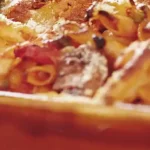
Baked Penne with Roasted Vegetables
- Total Time: 66 minutes
- Yield: 6 servings 1x
- Diet: Vegetarian
Description
A colorful and elegant baked penne pasta loaded with roasted seasonal vegetables, rich marinara sauce, and a blend of melted cheeses.
Ingredients
- 2 red bell peppers (cored, seeded, and cut into 1-inch strips)
- 2 zucchini (quartered lengthwise and cut into 1-inch pieces)
- 2 summer squash (quartered lengthwise and cut into 1-inch pieces)
- 4 cremini mushrooms (quartered)
- 1 yellow onion (peeled and sliced into 1-inch strips)
- 1/4 cup extra-virgin olive oil
- 1 teaspoon salt
- 1/2 teaspoon freshly ground black pepper
- 1 tablespoon dried Italian herb blend or herbes de Provence
- 1 pound penne or elicoidali pasta
- 3 cups marinara sauce
- 1 cup grated microbial-rennet fontina cheese
- 1/2 cup grated microbial-rennet smoked mozzarella
- 1/4 cup grated microbial-rennet Parmesan (plus 1/3 cup for topping)
- 1 1/2 cups frozen peas (thawed)
- 2 tablespoons unsalted butter (cut into small pieces)
Instructions
- Preheat: Preheat the oven to 450°F.
- Roast: On a baking sheet, toss the bell peppers, zucchini, squash, mushrooms, and onion with the olive oil, 1/2 teaspoon of the salt, 1/4 teaspoon of the pepper, and the herbs. Bake until tender, about 15 minutes.
- Boil: Bring a large pot of salted water to a boil over high heat. Add the pasta and cook for about 6 minutes. Drain in a colander.
- Combine: In a large bowl, combine the pasta with the roasted vegetables, marinara sauce, fontina, mozzarella, 1/4 cup of the Parmesan, the peas, and the remaining 1/2 teaspoon salt and 1/4 teaspoon pepper.
- Bake: Pour the pasta into a greased 9 x 13 x 2-inch baking dish. Top with the remaining 1/3 cup of Parmesan cheese and the butter pieces. Bake until the top is golden and the cheese melts, about 25 minutes.
Notes
This dish is a crowd-pleaser and can be assembled in advance, making it convenient for hosting guests.
- Prep Time: 10 minutes
- Cook Time: 56 minutes
- Category: Main Course
- Method: Baking
- Cuisine: Italian-American
Nutrition
- Serving Size: 1 serving
- Calories: 610 kcal
- Sugar: 12 g
- Sodium: 950 mg
- Fat: 26 g
- Saturated Fat: 12 g
- Unsaturated Fat: 14 g
- Trans Fat: 0 g
- Carbohydrates: 68 g
- Fiber: 8 g
- Protein: 24 g
- Cholesterol: 65 mg
Keywords: baked pasta, roasted vegetables, penne, vegetarian dinner, pasta bake