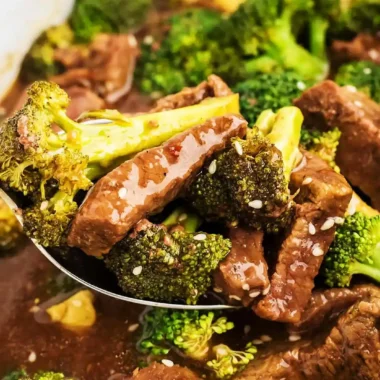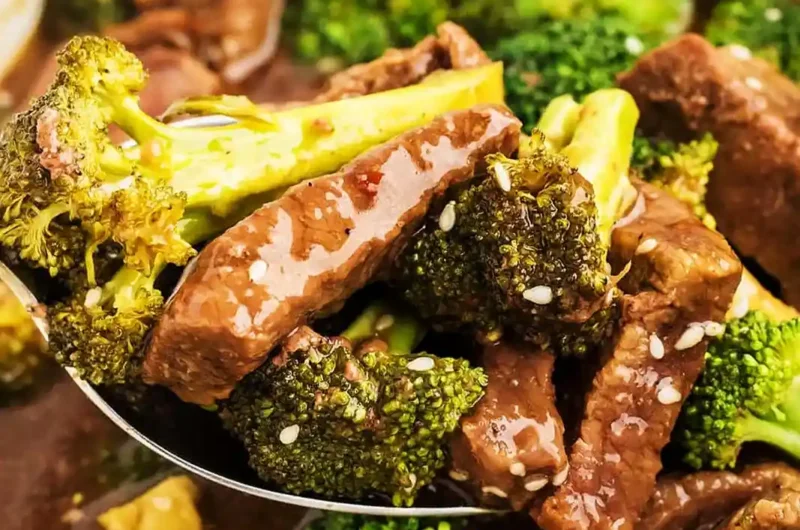
Enjoy a restaurant-style meal at home with this simple slow cooker approach. This recipe delivers tender beef and vibrant broccoli coated in a savory, glossy sauce with minimal effort. It is an ideal solution for busy weeknights when you want a healthy, satisfying dinner.
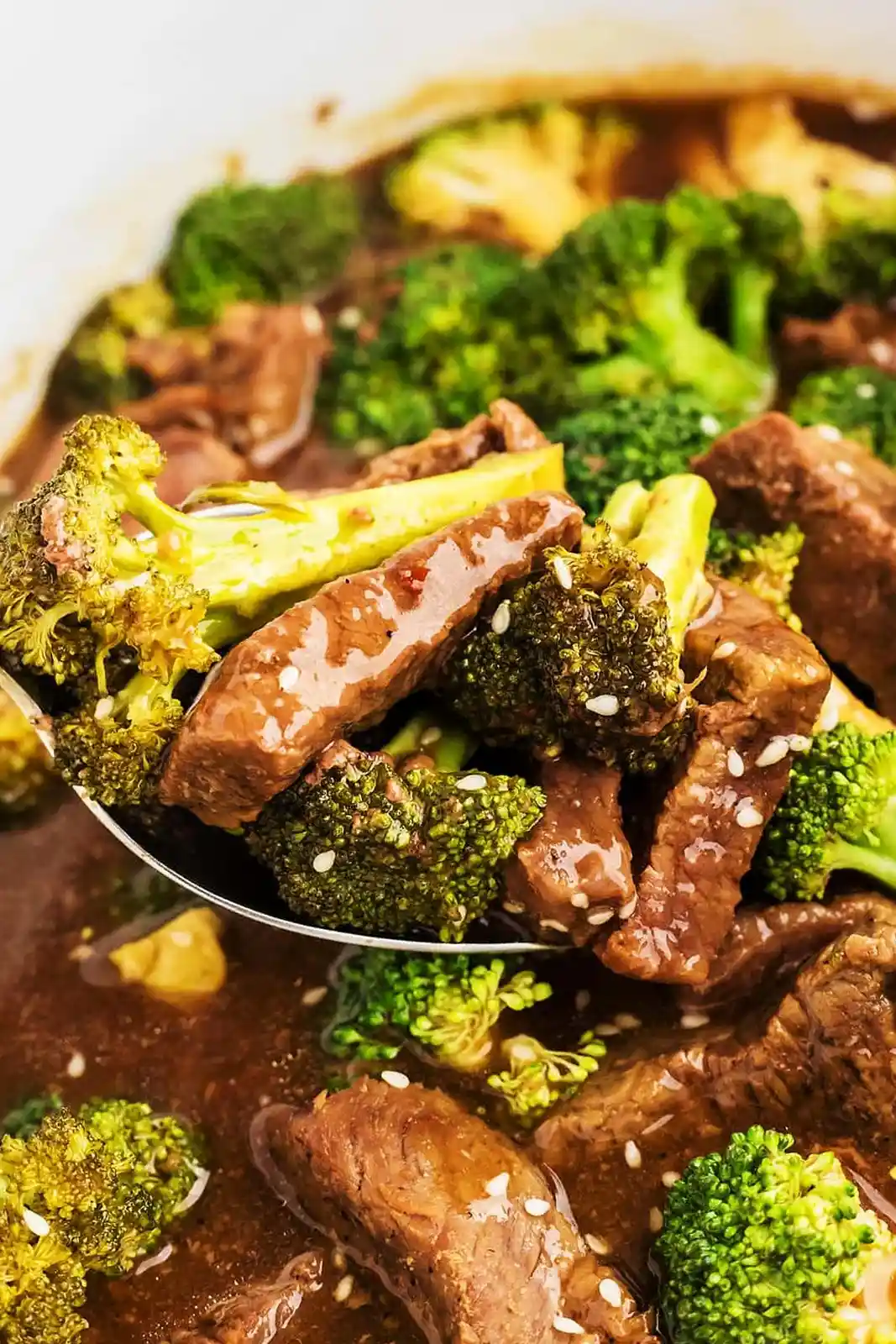
List of ingredients
- 2 pounds beef sirloin – sliced thinly into bite-size pieces for maximum tenderness.
- 1 ¼ cup low sodium beef broth – provides a savory liquid base.
- ½ cup brown sugar – packed, to balance the salt with sweetness.
- ½ cup low sodium soy sauce – adds the essential umami flavor.
- 4 cloves garlic – minced finely for aromatic depth.
- 1 tablespoon rice vinegar – adds a subtle tang to cut through the richness.
- 1 tablespoon toasted sesame oil – provides a distinct nutty aroma.
- 1 teaspoon onion powder – enhances the savory profile.
- ½ teaspoon black pepper – adds a mild spicy kick.
- ½ teaspoon ground ginger – brings a warm, pungent flavor.
- ¼ teaspoon red pepper flakes – provides a hint of heat.
- ¼ cup cornstarch – used for thickening the final sauce.
- 16 ounces broccoli florets – fresh, to be steamed at the end.
- Sesame seeds – used as a garnish for texture and visual appeal.
step-by-step instructions
- Prepare the Sauce: In a large mixing bowl, combine the beef broth, brown sugar, soy sauce, garlic, rice vinegar, sesame oil, onion powder, black pepper, and red pepper flakes. Measure out ½ cup of this mixture and store it in the refrigerator for the final thickening step.
- Begin Slow Cooking: Place the thinly sliced beef sirloin at the bottom of your slow cooker. Pour the remaining sauce mixture over the meat, ensuring the beef is well-coated.
- First Cook Cycle: Set the slow cooker to low and cook for 3 to 4 hours. The beef is ready for the next step once it is cooked through and tender.
- Create the Thickening Slurry: Retrieve the ½ cup of reserved sauce from the fridge and whisk it together with the cornstarch until smooth. Stir this slurry into the slow cooker, blending it gently with the existing sauce.
- Add the Vegetables: Carefully place the fresh broccoli florets on top of the beef. Do not stir them in; leave them on the surface so they can steam rather than boil.
- Final Cook Cycle: Continue cooking for an additional 30 minutes to 1 hour. The sauce should thicken into a glossy glaze, and the broccoli should reach your preferred level of tenderness.
- Combine and Serve: Gently fold the steamed broccoli into the beef and sauce. Serve the dish immediately over steamed rice and garnish with sesame seeds.
Optimizing Meat Selection and Prep
Choosing Beef Sirloin for Tenderness
Beef sirloin is an excellent choice for slow cooking because it maintains a balance between lean protein and tenderness. It does not dry out as easily as leaner cuts and does not require as much trimming as tougher cuts. Slicing it thinly ensures that the meat cooks evenly and absorbs the sauce quickly.
Using Flank Steak as an Alternative
If sirloin is unavailable, flank steak is a suitable substitute due to its strong beefy flavor. Because flank steak has longer muscle fibers, it is essential to slice it very thinly. This helps the slow cooker break down the connective tissue, resulting in a tender bite.
Utilizing Skirt Steak for Richer Flavor
Skirt steak offers a deeper flavor profile and a bit more fat, which can add richness to the sauce. Like flank steak, it must be sliced against the grain to avoid a chewy texture. It works well in this recipe but may result in a slightly different mouthfeel than sirloin.
The Importance of Slicing Against the Grain
To ensure the beef is tender, identify the direction of the muscle fibers and cut perpendicular to them. Slicing against the grain shortens the fibers, making the meat much easier to chew. This is the most critical step for preventing tough or rubbery beef strips.
Mastering the Savory Sauce
The Role of Low Sodium Soy Sauce
Using low sodium soy sauce allows you to control the salt levels while still achieving the characteristic umami flavor. This is especially important in slow cooker recipes where liquids do not evaporate as quickly as they do on a stovetop. If using regular soy sauce, you may want to reduce the amount slightly.
Adding Tang with Rice Vinegar
Rice vinegar provides a mild acidity that balances the sweetness of the brown sugar and the richness of the sesame oil. This tanginess brightens the overall flavor profile and prevents the sauce from feeling too heavy. It is a key component in achieving a takeout-style taste.
Enhancing Aroma with Toasted Sesame Oil
Toasted sesame oil is used for its potent, nutty aroma rather than for frying. Adding it to the sauce mixture provides an authentic Asian-inspired scent and flavor. Because it is very strong, the one tablespoon measurement is usually sufficient for two pounds of beef.
Balancing Heat and Spice
Ground ginger and red pepper flakes provide a layered warmth to the dish. The ginger adds a zesty, aromatic heat, while the red pepper flakes provide a sharp, spicy finish. You can increase the red pepper flakes if you prefer a spicier meal or omit them for a kid-friendly version.
Cooking Techniques for Success
The Cornstarch Slurry Method
Mixing cornstarch with a small amount of cold sauce before adding it to the pot prevents clumps from forming. A slurry ensures that the thickening agent is evenly distributed throughout the liquid. This results in a smooth, glossy glaze that clings perfectly to the beef and broccoli.
Steaming Broccoli for Texture
Placing the broccoli on top of the meat instead of stirring it in allows the vegetables to steam. This method preserves the bright green color and prevents the florets from becoming mushy. Steaming keeps the broccoli tender-crisp, providing a necessary textural contrast to the tender beef.
Controlling Sauce Consistency
If the sauce remains too thin after the final cook cycle, you can leave the lid off for the last 15 minutes to allow some liquid to evaporate. Conversely, if the sauce becomes too thick, stir in a tablespoon of beef broth or water. This allows you to customize the glaze to your preference.
Managing Slow Cooker Temperature
Cooking on the low setting is recommended to prevent the beef from toughening or shredding. High heat can cause the muscle fibers to contract too quickly, leading to a drier result. The low and slow approach ensures the meat remains succulent throughout the process.
Ingredient Substitutions and Variations
Using Arrowroot Powder Instead of Cornstarch
Arrowroot powder is a viable alternative for those who avoid cornstarch. It thickens the sauce effectively and is often considered more digestible by some. Note that arrowroot may produce a slightly different sheen compared to the high-gloss finish of cornstarch.
Incorporating Frozen Broccoli
Frozen broccoli can be used if fresh florets are not available. Because frozen vegetables release more water and cook faster, add them during the last 30 minutes of cooking. Avoid cooking them for the full hour, as they can easily become overcooked and watery.
Reducing Sugar for a Savory Profile
If you prefer a less sweet sauce, reduce the brown sugar to a quarter cup. You can compensate for the lost sweetness by adding a small amount of honey or maple syrup. Adding an extra splash of rice vinegar can also help maintain balance without adding sugar.
Adding Extra Vegetables
To make the meal more nutritious, you can add sliced carrots or snap peas along with the broccoli. Carrots should be added about an hour before the end, as they take longer to soften than broccoli. Snap peas should be added in the final 15 to 20 minutes.
Serving and Pairing Ideas
Classic Rice Pairings
White jasmine or basmati rice are traditional choices that soak up the savory sauce. For a nuttier flavor and more fiber, brown rice is an excellent alternative. To add more flavor, try cooking the rice in beef broth instead of water.
Comforting Side Options
Oatmeal dinner rolls are great for mopping up the extra sauce left on the plate. Their soft texture complements the richness of the beef. Serving the meal with a side of roasted carrots can also add a natural sweetness that pairs well with the soy-ginger glaze.
Adding Freshness with Salads
A chilled cucumber salad with vinegar and dill provides a crisp, refreshing contrast to the warm, savory beef. Alternatively, a chopped tomato salad with a light vinaigrette adds acidity and brightness. These sides help cleanse the palate between bites of the rich sauce.
Garnishing for Presentation
Toasted sesame seeds add a professional touch and a slight crunch to the dish. Sliced green onions or a sprinkle of fresh parsley can also be used for color. These small additions enhance the visual appeal, making the meal look like it came from a restaurant.
Storage and Reheating Advice
Refrigeration Guidelines
Store leftover beef and broccoli in an airtight container in the refrigerator for up to three days. Ensure the food is cooled slightly before sealing the lid to prevent excess moisture from building up. The sauce will thicken further as it cools.
Freezing for Future Meals
This dish can be frozen for up to two months in freezer-safe containers. Leave a small amount of headspace in the container to allow for expansion during the freezing process. Note that the broccoli may lose some of its firmness after being thawed and reheated.
Microwave Reheating Method
For a quick reheat, place a portion in a microwave-safe dish and cover it with a damp paper towel. Heat on medium power in 1-minute intervals, stirring in between. This prevents the beef from overcooking and helps the sauce redistribute evenly.
Stovetop Reheating for Best Quality
The best way to maintain the texture is to reheat the leftovers in a saucepan over medium heat. Add a tablespoon of water or beef broth to loosen the sauce. Gently simmer until the beef is heated through, avoiding over-stirring to keep the broccoli intact.
Meal Prep and Efficiency
Preparing Components in Advance
You can slice the beef and mix the sauce up to 24 hours before you plan to cook. Store the sliced meat in a sealed container and the sauce in a jar in the refrigerator. This reduces your hands-on time on the day of cooking to just a few minutes.
Freezing Pre-Portioned Ingredients
For long-term prep, you can freeze the sliced beef in a freezer bag along with the sauce mixture. Thaw the bag in the refrigerator overnight before placing the contents into the slow cooker. This creates a ‘dump meal’ that requires zero prep on the day of cooking.
Common Troubleshooting
Why is my beef tough?
Tough beef is usually the result of slicing with the grain or overcooking the meat. Ensure you cut across the muscle fibers and stick to the recommended low-temperature cook time. If the beef is still tough, it may need a bit more time to break down the connective tissues.
How to fix mushy broccoli?
Mushy broccoli occurs when the vegetables are cooked for too long or stirred into the sauce too early. To prevent this, always place the broccoli on top of the beef and limit its cooking time to 30-60 minutes. Use fresh, firm florets for the best results.
What to do if the sauce is too thin?
A thin sauce usually means the cornstarch slurry didn’t have enough time to activate or the beef released too much liquid. Remove the lid and cook on high for 15-20 minutes to reduce the liquid. You can also whisk a small amount of additional cornstarch with water and stir it in.
Frequently Asked Questions
How thin should I cut the beef strips?
Aim for slices that are approximately a quarter-inch thick. If the strips are too thin, they may overcook and shred during the slow cooking process. Cutting them into small cubes is another option to ensure they hold their shape.
Can I stir the broccoli into the sauce while it cooks?
Yes, you can stir the broccoli in, but it will cook much faster and lose its firmness. Steaming it on top is the best way to maintain a bit of crunch and a vibrant color. If you prefer very soft broccoli, stirring it in is a good option.
Can I use a different cut of beef?
Yes, flank steak or skirt steak are the best alternatives to sirloin. Avoid using very lean cuts like eye of round, as they can become dry in the slow cooker. Always ensure you slice any cut against the grain for tenderness.
Print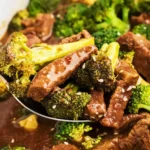
Easy Slow Cooker Beef and Broccoli
- Total Time: 5 hours 15 minutes
- Yield: 4 servings 1x
- Diet: General
Description
Skip the takeout and make this easy slow cooker meal! Tender beef and steamed broccoli are drenched in a thick, flavor-filled sauce that will have you coming back for seconds. This is a quick and easy meal that the whole family will love.
Ingredients
- 2 pounds beef sirloin, sliced thinly into bite-size pieces
- 1 ¼ cup low sodium beef broth
- ½ cup brown sugar, packed
- ½ cup low sodium soy sauce
- 4 cloves garlic, minced
- 1 tablespoon rice vinegar
- 1 tablespoon toasted sesame oil
- 1 teaspoon onion powder
- ½ teaspoon black pepper
- ½ teaspoon ground ginger
- ¼ teaspoon red pepper flakes
- ¼ cup cornstarch
- 16 ounces broccoli florets, fresh
- sesame seeds for garnish
Instructions
- Step: Combine the beef broth, brown sugar, soy sauce, garlic, rice vinegar, sesame oil, onion powder, black pepper, and red pepper flakes in a large bowl. Set aside about ½ cup of the sauce and keep it in the refrigerator for later.
- Step: Add the sliced beef to the bottom of the slow cooker. Pour the sauce mixture (besides the reserved ½ cup) over the beef.
- Step: Cook on low for 3-4 hours or just until the beef is cooked through.
- Step: Whisk the reserved sauce and cornstarch together to make a slurry. Add the slurry to the slow cooker and gently stir to combine with the sauce.
- Step: Add the broccoli florets to the slow cooker. Do not mix so the broccoli can steam in the slow cooker.
- Step: Cook for an additional 30 minutes – 1 hour until the sauce has thickened and the broccoli reaches your preferred tenderness.
- Step: Gently fold in the steamed broccoli to coat it with the sauce. Serve over rice and garnish with sesame seeds if desired.
Notes
Slice beef against the grain for maximum tenderness. If the sauce is too thick after adding the slurry, add a splash of beef broth; if too thin, cook uncovered for a few minutes.
- Prep Time: 15 minutes
- Cook Time: 5 hours
- Category: Dinner
- Method: Slow Cooker
- Cuisine: American
Nutrition
- Serving Size: 1 serving
- Calories: 513 kcal
- Sugar: 22 g
- Sodium: 980 mg
- Fat: 12 g
- Saturated Fat: 5 g
- Unsaturated Fat: 7 g
- Trans Fat: 0 g
- Carbohydrates: 45 g
- Fiber: 5 g
- Protein: 56 g
- Cholesterol: 110 mg
Keywords: beef and broccoli, slow cooker, crockpot, dinner, beef sirloin, takeout alternative