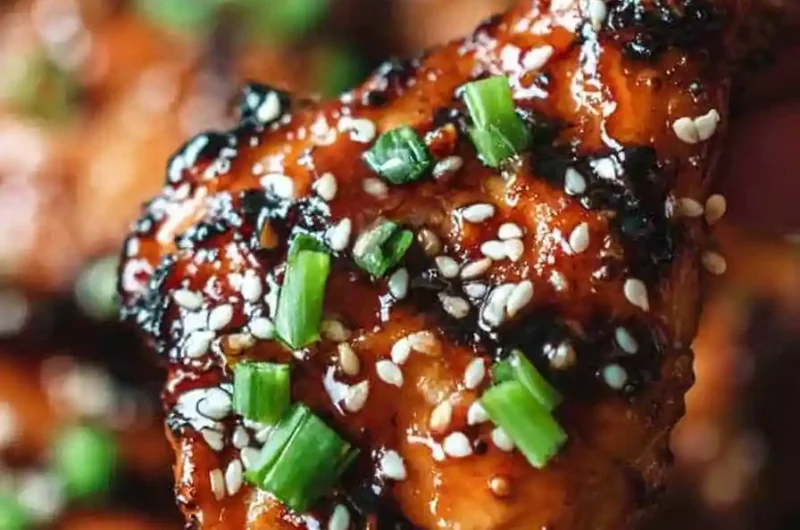
This versatile marinade combines soy, ginger, and sesame to create a deeply savory glaze for chicken. It works perfectly for grilling, baking, or pan-searing to achieve a restaurant-quality finish at home.
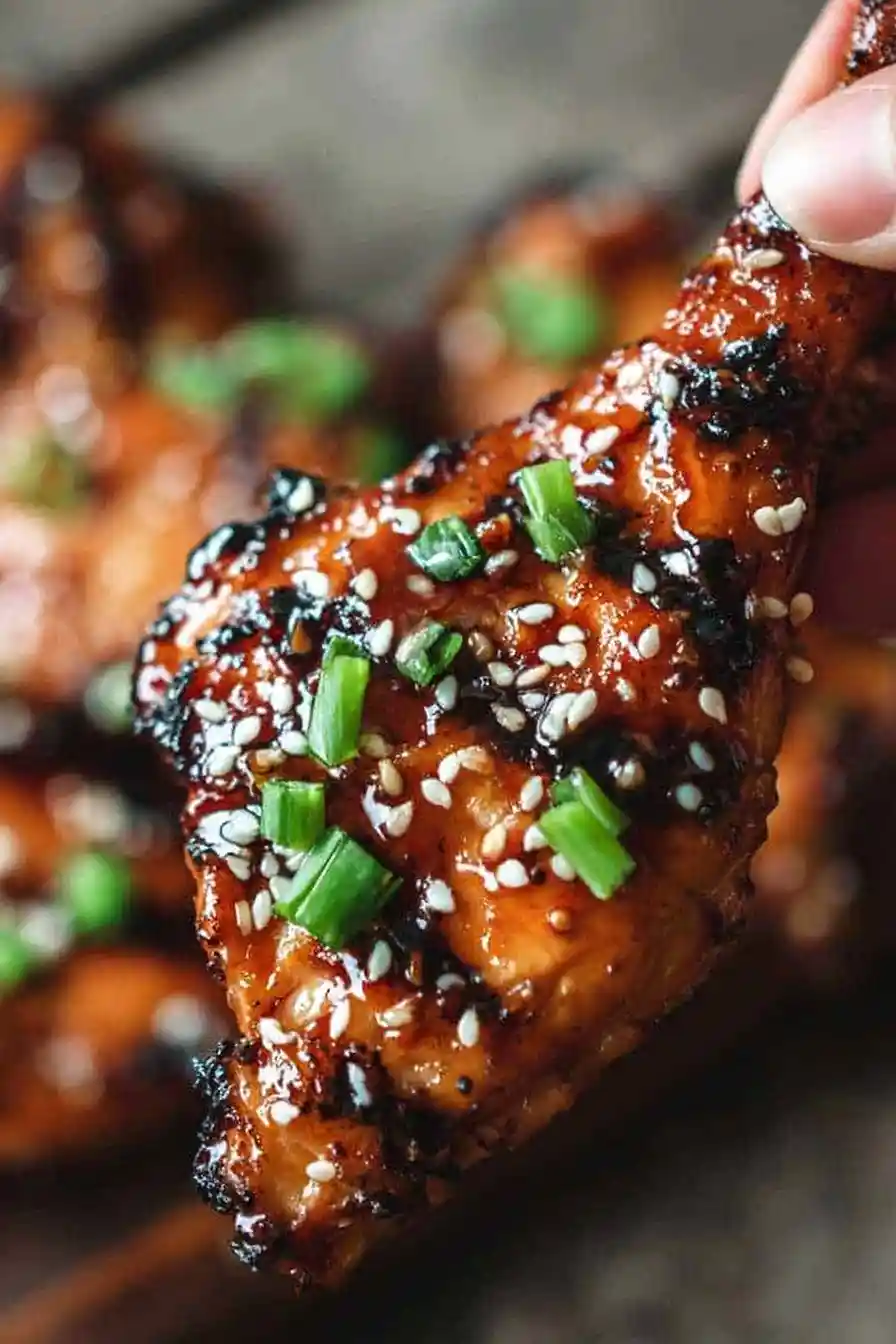
List of ingredients
- 1/3 cup soy sauce – provides a deep salty base.
- 2 tbsp rice vinegar – adds a bright, tangy acidity.
- 1 tbsp lime juice – adds a touch of citrus freshness.
- 2 tbsp honey – provides sweetness and aids caramelization.
- 1 tbsp sesame oil – adds a toasted, nutty aroma.
- 1 tbsp grated ginger – brings a warm, zesty spice.
- 2 cloves garlic, minced – adds aromatic pungency.
- 1 tsp chili paste (optional) – adds a subtle heat.
- 2 tbsp green onions – adds fresh, oniony flavor.
- 1 tbsp sesame seeds – adds a light nutty crunch.
- 1 tbsp neutral oil – ensures an even coating on the meat.
- Optional: 1 tbsp apple juice – a sweet substitute for mirin.
step-by-step instructions
- Combine the Base: Mix the soy sauce, rice vinegar, and lime juice in a bowl. Stir well to blend the acidic and salty components.
- Incorporate Sweetness and Oil: Whisk in the honey, sesame oil, and optional chili paste. Ensure the honey is fully dissolved into the liquid.
- Add Aromatics: Stir in the minced garlic, grated ginger, chopped green onions, sesame seeds, and neutral oil. Mix until the ingredients are evenly distributed.
- Balance the Flavor: Taste the marinade and adjust the balance of sweetness or salt as needed.
- Marinate the Meat: Add your chicken to the mixture and refrigerate for 1 to 4 hours. Use a sealed bag or container to ensure full coverage.
- Prepare for Heat: Remove the chicken from the marinade and pat it dry with paper towels. Cook using your preferred method until the internal temperature reaches 165°F.
Necessary Kitchen Tools
Non-Reactive Mixing Bowl
Use a glass or stainless steel bowl to prevent the acidic vinegar and lime juice from reacting with the material. This ensures the flavor remains pure and uncontaminated.
Fine Mesh Whisk
A whisk is essential for fully incorporating the honey into the soy sauce and vinegar. This prevents clumps of sweetener from settling at the bottom.
Microplane Grater
A fine grater allows you to create a smooth ginger paste. This ensures the ginger is evenly distributed and doesn’t leave large, fibrous chunks in the marinade.
Precision Measuring Set
Use standard measuring cups and spoons to maintain the balance of salt and acid. Precise measurements prevent the marinade from becoming overly salty or too tart.
Airtight Marinating Bag
A resealable food-safe bag is the best way to marinate chicken. It allows you to massage the marinade into the meat and minimizes the amount of liquid needed for coverage.
Professional Marination Techniques
The Role of Acid in Tenderizing
Rice vinegar and lime juice work together to break down the tough muscle fibers of the chicken. This process creates a more tender texture and allows the savory flavors to penetrate deeper into the meat.
Optimizing Marination Time
Chicken is more delicate than beef and requires shorter marination windows. One to four hours is ideal for flavor infusion; marinating for too long can cause the acid to make the meat mushy.
Managing Salt Levels
Using low-sodium soy sauce allows you to control the saltiness of the final dish. If the marinade tastes too salty, you can balance it by adding a small amount of extra honey or a splash of water.
Ingredient Substitutions and Alternatives
Soy-Free Alternatives
For a soy-free version, replace the soy sauce with coconut aminos. This provides a similar umami profile and salty depth while remaining soy-free and lower in sodium.
Substituting for Mirin
Since mirin is alcohol-based, apple juice or white grape juice is an excellent substitute. These provide the necessary sugar and fruitiness to mimic the original flavor profile.
Honey Alternatives for Vegan Options
Maple syrup or agave nectar can be used as a direct replacement for honey. These liquid sweeteners provide a similar viscosity and help the chicken caramelize during the cooking process.
Replacing Fresh Ginger
If fresh ginger is unavailable, you can use ground ginger powder. Use approximately one-quarter teaspoon of powder for every tablespoon of fresh ginger required.
Customizing Your Flavor Profile
Japanese Teriyaki Style
To achieve a Teriyaki flavor, increase the amount of honey and apple juice. Reduce the lime juice slightly to move the profile toward a sweeter, glossier finish.
Korean-Inspired Bulgogi Twist
Incorporate a tablespoon of pear puree and a teaspoon of gochujang into the mix. The fruit enzymes in the pear further tenderize the meat, while the gochujang adds fermented depth.
Thai-Style Chili Influence
Add a teaspoon of fish sauce and a handful of chopped cilantro stems for a Southeast Asian flair. Increase the lime juice to enhance the zesty, bright notes.
Vietnamese Lemongrass Variation
Replace a portion of the ginger with finely minced lemongrass. Use lemon juice instead of lime for a slightly different citrus aromatic that pairs well with the lemongrass.
Chinese Five-Spice Addition
Stir in a quarter teaspoon of five-spice powder and a small amount of hoisin sauce. This creates a warm, complex flavor profile characteristic of traditional Chinese roasting.
Best Cooking Methods for Marinated Chicken
Grilling for Maximum Caramelization
High heat on a grill helps the honey and sugars in the marinade caramelize quickly. Turn the chicken frequently to prevent the sugars from burning while ensuring a charred exterior.
Oven-Roasting for Juicy Results
Bake the chicken at 400°F on a wire rack set over a baking sheet. This allows hot air to circulate around the meat, preventing it from steaming and keeping the skin crisp.
Pan-Searing for a Quick Sear
Use a heavy cast-iron skillet over medium-high heat with a small amount of neutral oil. Sear each side for 5 to 7 minutes to create a deep brown crust.
Air-Frying for Texture
Cook marinated chicken at 375°F for 12 to 15 minutes. The rapid air circulation creates a concentrated glaze on the surface while keeping the inside moist.
Serving Suggestions and Side Pairings
Classic Grain Pairings
Steamed jasmine rice is the traditional choice as it absorbs the extra marinade. Brown rice or quinoa offer nuttier alternatives that complement the sesame oil.
Fresh Vegetable Accompaniments
Sautéed bok choy or steamed broccoli provide a crisp contrast to the rich marinade. A side of sliced carrots can add a natural sweetness to the plate.
Lettuce Wrap Presentation
Serve sliced marinated chicken in butter lettuce or romaine leaves. Top with shredded carrots and bean sprouts for a light, refreshing, and low-carb meal.
Noodle-Based Sides
Toss cooked soba or rice noodles in a small amount of the reduced marinade. This creates a cohesive meal where the side dish mirrors the flavors of the protein.
Storage and Food Safety
Storing Unused Marinade
Keep any marinade that has not touched raw meat in an airtight glass jar in the refrigerator. It will remain fresh and usable for up to five days.
Safe Reuse of Used Marinade
To use the marinade as a sauce after it has touched raw chicken, you must boil it. Bring it to a rolling boil for at least three minutes to eliminate any bacteria.
Refrigeration Limits for Marinated Meat
Do not leave chicken in the marinade for more than 48 hours in the refrigerator. Prolonged exposure to acid can degrade the protein structure and ruin the texture.
Troubleshooting Common Issues
Preventing Sugars from Burning
The honey in this recipe can burn quickly over high heat. If the chicken is browning too fast, lower the temperature and move the meat to a cooler part of the grill.
Balancing Excessive Saltiness
If the final dish tastes too salty, serve it with an unseasoned side like steamed rice. You can also squeeze fresh lime juice over the cooked meat to brighten the flavor.
Addressing Texture Issues
If the chicken feels mushy, you may have marinated it too long. Reduce the marination time to two hours for future batches to maintain a firmer bite.
Frequently Asked Questions
Can I use this for seafood or tofu?
Yes, this marinade works well with shrimp or tofu. However, reduce the marination time to 30 minutes, as these proteins absorb flavors much faster than chicken.
How do I store the leftovers?
Store cooked chicken in an airtight container in the refrigerator for three to four days. Reheat gently in a pan or microwave to keep the meat from drying out.
Can I freeze marinated chicken?
Yes, place the chicken and marinade in a freezer-safe bag. The meat will continue to marinate slowly as it thaws in the refrigerator before cooking.
What if I don’t have rice vinegar?
Apple cider vinegar is a suitable alternative. If the taste is too sharp, dilute it with a teaspoon of water or add a pinch more honey to balance the acidity.
Print
Savory Asian-Style Chicken Marinade for Bold Flavor
- Total Time: 30 minutes
- Yield: 4 servings 1x
- Diet: General
Description
A bold and savory Asian-inspired chicken marinade that balances sweet, salty, and tangy flavors to transform any cut of chicken into something extraordinary.
Ingredients
- 1/3 cup soy sauce
- 2 tbsp rice vinegar
- 1 tbsp lime juice
- 2 tbsp honey
- 1 tbsp sesame oil
- 1 tbsp grated ginger
- 2 cloves garlic, minced
- 1 tsp chili paste (optional)
- 2 tbsp green onions
- 1 tbsp sesame seeds
- 1 tbsp neutral oil
- 1 tbsp alcohol-free mirin alternative (optional)
Instructions
- Step: Combine soy sauce, vinegar, and lime juice in a bowl.
- Step: Whisk in honey, sesame oil, and chili paste.
- Step: Stir in garlic, ginger, green onions, sesame seeds, and oil.
- Step: Taste and adjust balance.
- Step: Add chicken, marinate 1–4 hours, refrigerate.
- Step: Remove, pat dry, and cook as desired.
Notes
For overnight marination, reduce the vinegar slightly to prevent over-tenderizing. Always boil leftover marinade for 3 minutes before using it as a glaze.
- Prep Time: 10 minutes
- Cook Time: 20 minutes
- Category: Cooking
- Method: Marinating
- Cuisine: Asian
Nutrition
- Serving Size: 1 serving
- Calories: 300 kcal
- Sugar: 15 g
- Sodium: 950 mg
- Fat: 12 g
- Saturated Fat: 2 g
- Unsaturated Fat: 10 g
- Trans Fat: 0 g
- Carbohydrates: 20 g
- Fiber: 1 g
- Protein: 4 g
- Cholesterol: 0 mg
Keywords: Asian chicken marinade, soy ginger sauce, savory marinade, global flavor, chicken dinner