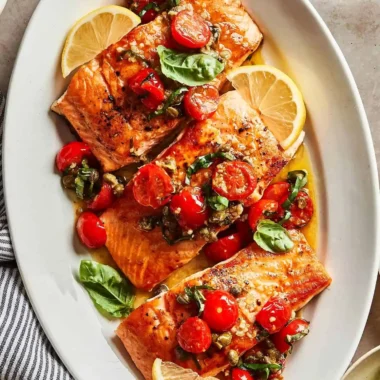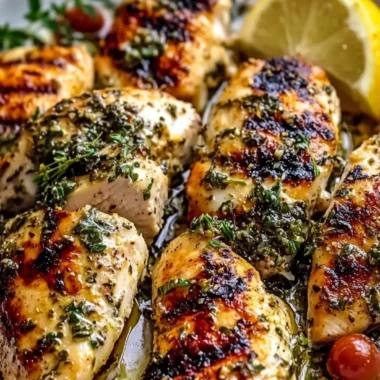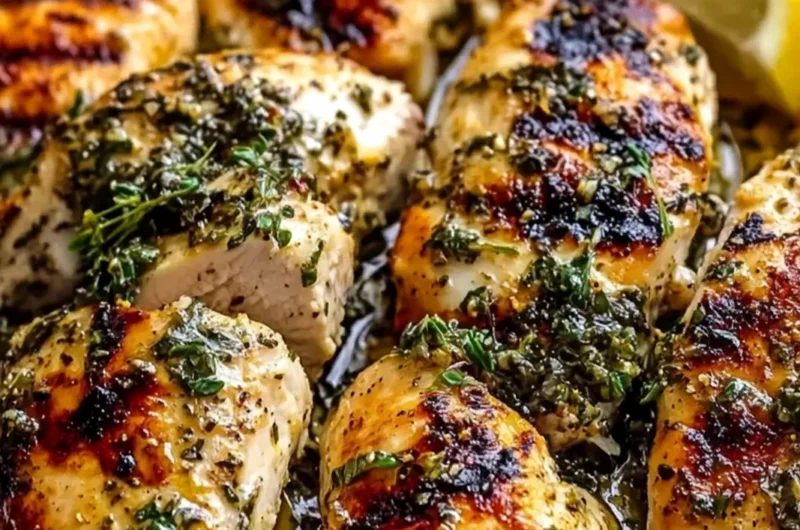
This zesty marinade ensures your chicken remains moist and flavorful using a blend of Mediterranean staples. It is a practical solution for quick weeknight meals or organized meal prep.
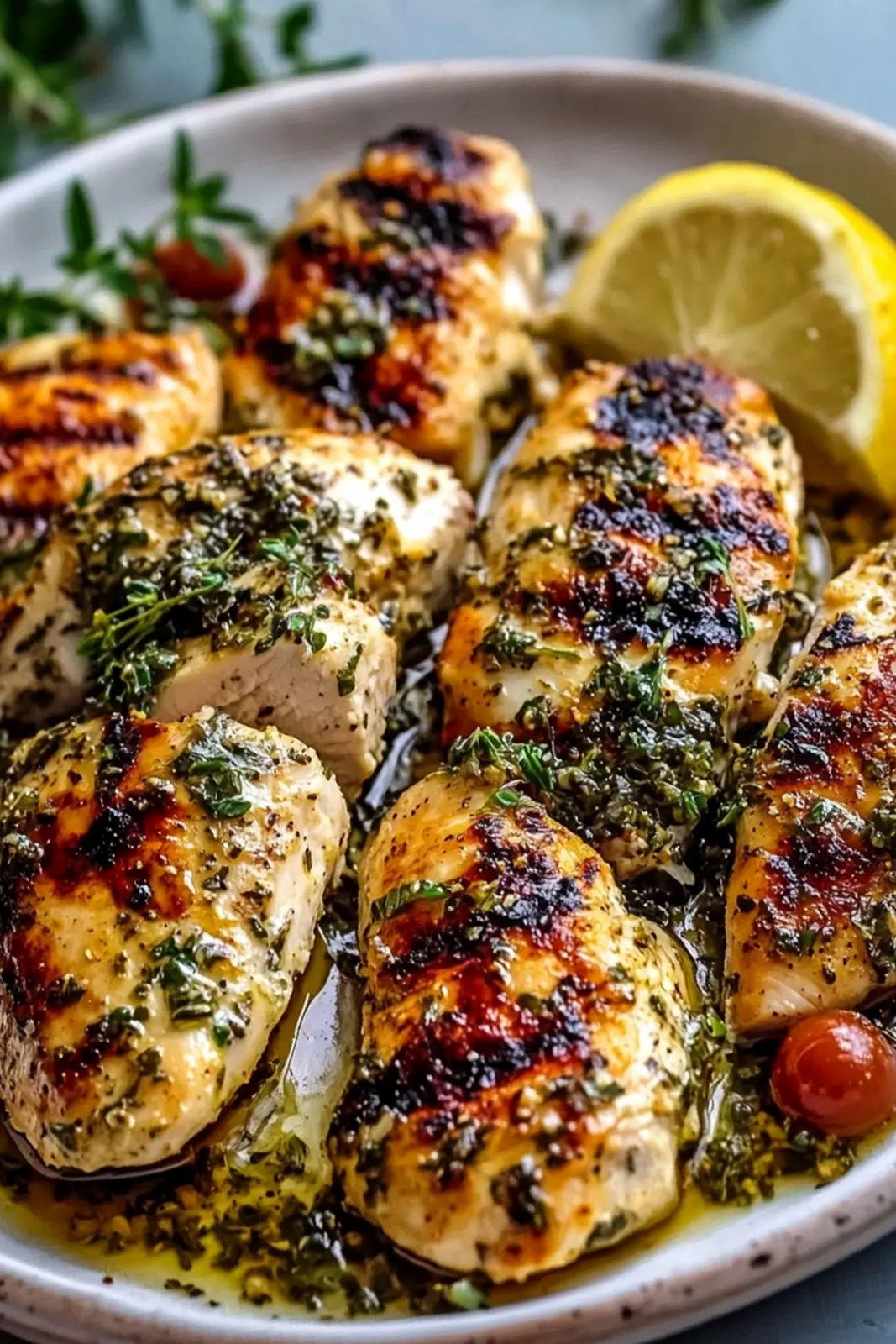
List of ingredients
- 1/2 cup extra virgin olive oil – adds richness and helps distribute flavors.
- 1/4 cup fresh lemon juice – contributes acidity and brightness.
- 3 cloves minced garlic – provides pungent warmth.
- 1/4 cup apple cider vinegar – adds tang and balances richness.
- 1 tablespoon dried oregano – brings earthy flavors.
- 1 teaspoon salt – enhances overall flavors.
- 1/2 teaspoon black pepper – adds mild heat.
- 1/4 teaspoon crushed red pepper flakes – introduces gentle heat.
- 1/4 cup fresh parsley – optional for garnish.
- 1 pound boneless, skinless chicken breasts or thighs – main protein.
step-by-step instructions
- Whisk Ingredients: In a medium bowl, whisk together the extra virgin olive oil, fresh lemon juice, minced garlic, apple cider vinegar, dried oregano, salt, black pepper, and crushed red pepper flakes until smooth.
- Add Fresh Herbs: If using fresh parsley, stir it into the mixture now to add brightness.
- Prepare Meat: Place the boneless, skinless chicken breasts or thighs in a resealable bag or shallow dish in a single layer.
- Coat Chicken: Pour the prepared marinade over the chicken, ensuring every piece is fully coated.
- Seal and Mix: Seal the bag or cover the dish and press down gently to immerse the chicken completely.
- Marinate: Refrigerate for at least 1 hour, or overnight for the most intense flavor.
- Prep for Cooking: Remove the chicken from the marinade and discard any leftover liquid that touched the raw meat.
- Cook: Grill, bake, or sear the chicken until the internal temperature reaches 165°F (75°C).
- Rest: Let the chicken rest for a few minutes to allow juices to redistribute.
- Garnish: Finish with fresh parsley for added color and flavor.
Professional Marinating Techniques
Maximizing Flavor Penetration
Allowing the chicken to marinate overnight allows the acids and salt to penetrate deeper into the muscle fibers. This results in a more consistent taste throughout the meat rather than just on the surface. If you are short on time, a minimum of one hour is necessary for noticeable results.
Ensuring Even Thickness
Use a meat mallet to pound thicker chicken breasts to a uniform thickness before marinating. This ensures that every part of the meat cooks at the same rate and absorbs the marinade evenly. It prevents the edges from drying out while the center remains undercooked.
Avoiding Cross-Contamination
Never reuse marinade that has been in contact with raw poultry as a sauce for cooked meat. This prevents the risk of foodborne illness from bacteria that may have transferred from the raw chicken. Always discard the used marinade immediately after removing the meat.
Using a Meat Thermometer
Avoid relying on the color of the meat to determine doneness. Use a digital meat thermometer to ensure the chicken reaches exactly 165°F (75°C) at its thickest point. This ensures safety while preventing overcooking, which leads to dryness.
Customizing Your Marinade
Adding a Spicy Kick
For those who prefer more heat, add a teaspoon of cayenne pepper or sriracha to the oil mixture. These additions introduce a sharper spice that cuts through the richness of the olive oil. Adjust the amount based on your tolerance for heat.
Increasing the Garlic Punch
Garlic lovers can double the amount of minced garlic to create a more pungent profile. Freshly minced garlic provides a stronger flavor than pre-minced jarred versions. Ensure the garlic is finely chopped to avoid large, burnt bits during cooking.
Incorporating Honey Sweetness
Stirring in a tablespoon of honey creates a sweet contrast to the acidity of the lemon and vinegar. The sugar in the honey helps the chicken caramelize more effectively during grilling or searing. This results in a glossy, brown crust on the meat.
Enhancing the Citrus Profile
Add one teaspoon of fresh lemon zest to the marinade for a more concentrated citrus aroma. The zest contains essential oils that provide a bright flavor without adding more acidity. This elevates the freshness of the Mediterranean profile.
Using Alternative Herbs
While oregano is traditional, you can substitute it with fresh thyme or rosemary for a rustic taste. Dried herbs are more concentrated, so use a smaller amount if switching to fresh herbs. A mix of several Mediterranean herbs can create a more complex flavor.
Protein Alternatives for This Marinade
Marinating Beef Tips
This marinade works well with lean beef cuts like sirloin tips or flank steak. The acidity of the vinegar helps tenderize the tougher fibers of the beef. Reduce the marinating time to 4-6 hours to avoid the meat becoming too soft.
Flavoring Tofu or Tempeh
Firm tofu, pressed to remove excess water, absorbs these flavors exceptionally well. Slice the tofu into cubes and marinate for at least 2 hours before pan-frying. This provides a savory, plant-based alternative with the same zesty profile.
Seasoning Fresh Shrimp
Shrimp require a much shorter marinating period due to their delicate nature. Marinate shrimp for only 15 to 30 minutes to avoid the acid ‘cooking’ the protein. They are best served grilled or sautéed quickly over high heat.
Using Firm Vegetables
Zucchini, bell peppers, and red onions can be tossed in the marinade before roasting. The oil and herbs create a flavorful glaze that enhances the natural sweetness of the vegetables. Roast them at 400°F until charred and tender.
Optimal Cooking Methods
Grilling for Smoky Flavor
Preheat your grill to medium-high heat and lightly oil the grates. Grill the chicken for 6-8 minutes per side depending on the thickness. The direct heat creates charred edges that complement the lemon and oregano.
Baking for Convenience
Place the marinated chicken in a baking dish and cook at 400°F (200°C). Bake for 20-25 minutes or until the internal temperature is safe. This method is ideal for larger batches and requires less active monitoring.
Pan-Searing for a Golden Crust
Use a cast-iron skillet over medium-high heat with a small amount of oil. Sear the chicken for about 5-7 minutes per side until a golden-brown crust forms. This method locks in the juices and provides a rich texture.
Air Frying for Fast Results
Place the marinated chicken in an air fryer basket at 375°F (190°C). Cook for 12-15 minutes, flipping halfway through the process. The convection heat ensures a crisp exterior while keeping the inside tender.
Serving and Pairing Ideas
Fresh Greek Salad Pairing
Serve the chicken alongside a salad of cucumbers, cherry tomatoes, Kalamata olives, and microbial-rennet feta cheese. The cool, crisp vegetables balance the warm, savory notes of the chicken. Use a simple dressing of olive oil and lemon juice.
Grains and Base Options
Quinoa, brown rice, or farro provide a hearty base that absorbs any remaining juices from the meat. Toss the grains with a bit of fresh parsley and lemon juice for added coherence. This makes the meal more filling and nutritionally balanced.
Cooling Yogurt Sauces
A side of tzatziki sauce, made with Greek yogurt, grated cucumber, and garlic, provides a refreshing contrast. The creaminess of the yogurt cuts through the acidity of the marinade. It can be used as a dip or spread on the chicken.
Warm Pita Bread
Serve the chicken inside a toasted pita pocket with sliced red onions and lettuce. This turns the recipe into a portable wrap or a casual street-food style meal. Lightly brush the pita with olive oil before warming.
Roasted Side Vegetables
Grilled asparagus or roasted cauliflower florets complement the Mediterranean flavor profile. Season them with salt and pepper to let the chicken be the star of the dish. Roast them in the oven at the same time as the chicken for efficiency.
Preservation and Storage
Refrigerating Cooked Chicken
Store cooked chicken in an airtight glass container in the refrigerator for up to 4 days. Allow the meat to cool slightly before sealing the lid to prevent excess moisture buildup. This keeps the chicken fresh for lunches throughout the week.
Freezing Marinated Raw Meat
Place raw chicken and the marinade in a heavy-duty freezer bag, squeezing out all air. The chicken will marinate as it thaws in the refrigerator later. Store for up to 3 months for convenient future meals.
Storing Unused Marinade
If you have made a large batch of marinade and haven’t added raw meat, store it in a jar in the fridge for one week. It can be used as a salad dressing or a vegetable marinade. Alternatively, freeze it in ice cube trays for portioned use.
Proper Thawing Methods
Thaw frozen marinated chicken slowly in the refrigerator for 24 hours. Avoid thawing at room temperature to prevent the meat from entering the danger zone for bacterial growth. This preserves the texture and flavor of the marinade.
Reheating and Meal Prep
Oven Reheating for Texture
Reheat cooked chicken in the oven at 325°F (160°C) covered with foil. This prevents the meat from drying out and maintains the tender interior. Heat until the internal temperature reaches 165°F (75°C).
Stovetop Reheating
Place sliced chicken in a pan over medium heat with a tablespoon of water or broth. Cover the pan with a lid to create steam, which re-moisturizes the meat. Heat for 3-5 minutes until warmed through.
Microwave Tips
If using a microwave, cut the chicken into smaller pieces and cover with a damp paper towel. Heat in short 30-second intervals to avoid overcooking and toughening the meat. Stir between intervals for even heating.
Meal Prep Scheduling
Prepare the marinade on Sunday and divide it into portions for different proteins. Marinate the chicken 24 hours before you intend to cook it for maximum flavor. This streamlines the cooking process during busy weeknights.
Troubleshooting Common Issues
Preventing Dry Chicken
Dryness is usually the result of overcooking or using meat that is too lean. Use chicken thighs instead of breasts for a higher fat content and more moisture. Always use a thermometer to stop cooking at exactly 165°F (75°C).
Balancing Too Much Acidity
If the marinade tastes too tart, add a pinch of sugar or a teaspoon of honey. This neutralizes the sharp edges of the vinegar and lemon juice. Balance is key to a professional-tasting Mediterranean sauce.
Avoiding Burnt Garlic
Garlic can burn and become bitter if the pan is too hot. Ensure the garlic is minced very finely so it distributes evenly and doesn’t clump. If using a pan, keep the heat at a steady medium-high rather than maximum.
Fixing Bland Results
Bland meat often stems from insufficient salt or a short marinating time. Increase the salt by a quarter teaspoon or let the meat sit for 4-6 hours. Ensure you are using fresh lemon juice rather than bottled for better impact.
Frequently Asked Questions
How do I select the best lemons for the marinade?
Choose lemons that are bright yellow and feel heavy for their size, which indicates they are full of juice. Avoid lemons with thick, bumpy skins or soft spots. Fresh, heavy lemons provide the best acidity and brightness.
Can I use bottled lemon juice?
While bottled juice is a convenient substitute, fresh lemon juice provides a superior, bright flavor. Bottled versions often contain preservatives that can alter the taste profile. If using bottled, use slightly less to avoid an artificial taste.
How long is the marinade safe in the fridge?
Unused marinade is safe for up to 7 days when stored in an airtight container. Once it has touched raw meat, it must be discarded immediately. Always label your jars with the date of preparation.
Can I use chicken wings instead of breasts?
Yes, chicken wings work excellently with this marinade. Because wings have more skin and fat, they are less likely to dry out. Adjust cooking times and use an air fryer or oven for the best crispiness.
Is this marinade gluten-free?
This recipe is naturally gluten-free as it uses oil, vinegar, and spices. There are no wheat-based thickeners or soy sauce components. It is a safe choice for those following a gluten-free diet.
Print
Zesty Greek Chicken Marinade for Tender and Juicy Results
- Total Time: 30 minutes
- Yield: 4 servings 1x
- Diet: Gluten-Free
Description
This Greek Chicken Marinade is a quick and easy way to enhance your meals with bold Mediterranean flavors.
Ingredients
- 1/2 cup extra virgin olive oil
- 1/4 cup fresh lemon juice
- 3 cloves minced garlic
- 1/4 cup white wine vinegar
- 1 tablespoon dried oregano
- 1 teaspoon salt
- 1/2 teaspoon black pepper
- 1/4 teaspoon crushed red pepper flakes
- 1/4 cup fresh parsley
- 1 pound boneless, skinless chicken breasts or thighs
Instructions
- Step: In a medium bowl, whisk together the extra virgin olive oil, fresh lemon juice, minced garlic, white wine vinegar, dried oregano, salt, black pepper, and crushed red pepper flakes until well combined and smooth.
- Step: Stir in fresh parsley if using.
- Step: Place your boneless, skinless chicken breasts or thighs in a resealable bag or shallow dish, ensuring they are laid out in a single layer for even marinating.
- Step: Carefully pour the prepared marinade over the chicken, ensuring each piece is evenly coated.
- Step: Seal the bag or cover the dish, pressing down gently to immerse the chicken fully in the flavorful marinade.
- Step: Refrigerate the marinating chicken for at least 1 hour, or for the best results, let it sit overnight.
- Step: Before cooking, remove the chicken from the marinade, discarding any leftover marinade that has come into contact with raw chicken.
- Step: Grill, bake, or sear the marinated chicken until it reaches an internal temperature of 165°F (75°C).
- Step: Allow the chicken to rest for a brief moment after cooking before serving.
Notes
Optional: Garnish with fresh parsley for an added touch of color and flavor.
- Prep Time: 15 minutes
- Cook Time: 15 minutes
- Category: Dinner
- Method: Marinating
- Cuisine: Greek
Nutrition
- Serving Size: 1 serving
- Calories: 350 kcal
- Sugar: 1 g
- Sodium: 800 mg
- Fat: 25 g
- Saturated Fat: 4 g
- Unsaturated Fat: 21 g
- Trans Fat: 0 g
- Carbohydrates: 1 g
- Fiber: 0 g
- Protein: 30 g
- Cholesterol: 80 mg
Keywords: Greek chicken, Mediterranean marinade, healthy dinner, juicy chicken