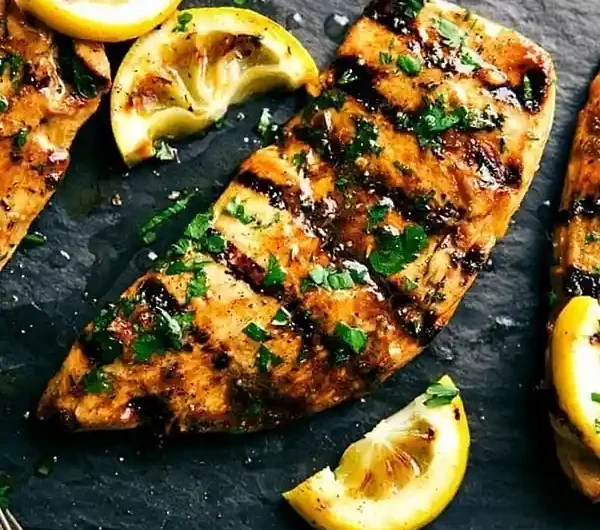
This versatile grilled chicken marinade ensures breasts stay juicy and flavorful during high-heat cooking. It is a quick preparation that works perfectly for summer BBQs or healthy weekday dinners.
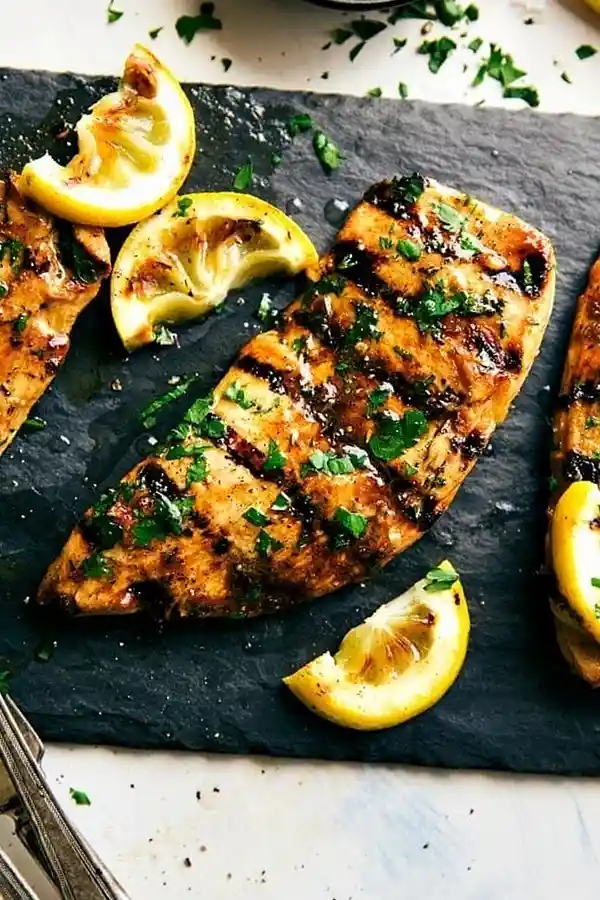
List of ingredients
- 1-1/2 pounds boneless, skinless chicken breasts – trimmed of excess fat.
- 3/4 cup vegetable oil – keeps the meat moist.
- 1/4 cup + 2 tablespoons reduced-sodium soy sauce – provides salt and depth.
- 3 tablespoons Worcestershire sauce – adds a savory umami profile.
- 1/4 cup apple cider vinegar – adds acidity to tenderize the meat.
- 2 large lemons – used for both fresh zest and juice.
- 1/2 tablespoon pepper – reduce to 1 teaspoon if sensitive to heat.
- 2 teaspoons fresh flat-leaf parsley, finely minced – adds a fresh herbal note.
- 3 tablespoons yellow mustard – helps emulsify the marinade components.
- 1 to 2 teaspoons minced garlic – adds an aromatic punch.
- 1 tablespoon honey – balances the salty and acidic flavors.
- 3 tablespoons butter – melted, for the optional honey lemon sauce.
- 1 lemon – for the optional honey lemon sauce.
- 3 tablespoons olive oil – for the optional honey lemon sauce.
- 3 tablespoons honey – for the optional honey lemon sauce.
step-by-step instructions
- Whisk the Marinade: Combine vegetable oil, soy sauce, Worcestershire sauce, apple cider vinegar, 1 teaspoon lemon zest, 3-4 tablespoons lemon juice, pepper, minced parsley, yellow mustard, minced garlic, and honey in a large mixing bowl.
- Reserve Basting Sauce: Measure out 1/3 cup of the finished marinade and set it aside in a separate container to use for basting during the grilling process.
- Prepare the Chicken: Trim any excess fat from the chicken breasts. Pound the meat to a uniform 1-inch thickness, or slice very thick breasts in half horizontally to ensure even cooking.
- Marinate the Meat: Place the chicken in the marinade, ensuring it is fully submerged. Refrigerate for at least 30 minutes, though 4 to 6 hours is ideal for the best flavor.
- Prepare the Grill: Preheat your grill to between 375°F and 450°F. Once hot, use tongs to rub a vegetable oil-drenched paper towel over the grates to prevent sticking.
- Grill the Chicken: Place chicken on the grill and cook for 4 to 6 minutes per side. Use a meat thermometer to ensure the thickest part reaches 160°F, as carry-over heat will bring it to 165°F.
- Baste While Cooking: Generously brush the reserved marinade onto the chicken as it grills. Keep the grill lid closed as much as possible to maintain a consistent temperature.
- Prepare Optional Sauce: In a small bowl, combine melted butter, 1-2 teaspoons lemon zest, 3 tablespoons lemon juice, olive oil, and honey. Add a pinch of pepper and parsley if desired, and serve over the cooked chicken.
Professional Grilling Tips
Pound Meat to Uniform Thickness
Pounding the chicken breasts ensures that the thinner edges do not overcook while the center remains raw. Use a meat mallet or rolling pin to achieve a consistent 1-inch thickness across the entire piece. This results in more even heat distribution and a juicier end product.
Avoid Over-Marinating
While marinating for a few hours is beneficial, exceeding 6 hours can be detrimental. The acids from the lemon juice and vinegar can begin to break down the muscle fibers too much, resulting in a mealy texture. It can also make the meat taste overly salty.
Use a Digital Meat Thermometer
The only way to guarantee chicken is safe yet juicy is by using a thermometer. Pull the chicken off the grill at 160°F. Resting the meat for a few minutes will allow the temperature to rise to the safe 165°F mark without drying it out.
Let the Chicken Rest
After removing the meat from the heat, tent it loosely with aluminum foil for 5 to 10 minutes. This allows the juices to redistribute throughout the meat rather than running out on the cutting board. This step is critical for maximum moisture.
Grease Grates Correctly
Clean grill grates are essential, but greasing them prevents the sugars in the honey and soy sauce from sticking. Using a paper towel held by tongs ensures you can apply oil evenly without burning your hands. Do this only after the grill has preheated.
Score the Meat for Flavor
Pricking the surface of the chicken with the tines of a fork allows the marinade to penetrate deeper into the meat. This increases the surface area available for the flavors to soak in. It is particularly helpful for thicker cuts of breast meat.
Ingredient Substitutions and Swaps
Alternative Oil Options
Vegetable oil is used for its neutral flavor and high smoke point, but olive oil is a healthy alternative. If you prefer a different profile, avocado oil also works well due to its stability at high temperatures. Avoid using butter for the initial marinade as it can burn on the grill.
Soy Sauce Replacements
For those avoiding soy, coconut aminos provide a similar salty and slightly sweet flavor profile. You can also use a gluten-free tamari sauce for a similar effect. Adjust the amount of salt in the recipe if your substitute is less salty than traditional soy sauce.
Honey Alternatives for Sweetness
Maple syrup is an excellent substitute for honey and adds a slightly different, woody sweetness. Brown rice syrup or agave nectar can also work in a 1:1 ratio. These alternatives help caramelize the meat during the grilling process.
Vinegar Variations
Apple cider vinegar is a great all-purpose acid, but distilled white vinegar provides a sharper tang. Rice vinegar is a milder option that works well if you want the lemon flavor to be more prominent. Ensure the vinegar is not too strong to avoid altering the meat texture.
Alternative Cooking Methods
Oven Baking Method
Preheat your oven to 450°F and line a baking sheet with parchment paper. Place the whole chicken breasts on the pan and bake for 15 to 18 minutes, flipping halfway through. Let the chicken rest for 5 to 10 minutes before serving.
Stovetop Sautéing
Heat one tablespoon of oil in a sauté pan over medium-high heat. Cook horizontally halved breasts for 4 to 6 minutes per side until juices run clear. Brush the meat with reserved marinade throughout the process for added flavor.
Air Fryer Preparation
Set your air fryer to 375°F and place the marinated chicken in a single layer. Cook for 10 to 12 minutes, flipping halfway through. Use a meat thermometer to ensure the internal temperature reaches 165°F.
Creative Serving Suggestions
Pair with Fresh Fruit Salsas
A chilled mango or pineapple salsa provides a sweet and spicy contrast to the savory marinade. The acidity of the fruit cuts through the richness of the oil and butter. Serve the salsa directly on top of the sliced chicken breasts.
Add to Fresh Garden Salads
Chop the grilled chicken into bite-sized cubes and serve it over mixed greens. Combine with cucumbers, cherry tomatoes, and a cilantro-ranch dressing for a complete meal. This is an excellent way to use leftover chicken for lunch.
Build a Nutrient-Dense Grain Bowl
Place the grilled chicken on a bed of cooked quinoa or brown rice. Add roasted vegetables like carrots and broccoli, then drizzle with a squeeze of fresh lime. This creates a balanced meal with protein, complex carbs, and vitamins.
Garnish with Fresh Herbs
Sprinkle freshly chopped cilantro, basil, or green onions over the meat immediately after grilling. The heat from the chicken releases the aromatic oils in the herbs. This adds a professional finish and a burst of color to the plate.
Storage and Reheating Guidelines
Refrigeration Times
Store leftover grilled chicken in an airtight container in the refrigerator for 3 to 4 days. Ensure the meat is completely cooled before sealing the container to prevent moisture buildup. Keep the honey lemon sauce in a separate small jar.
Freezing Instructions
For longer storage, place cooked chicken in a freezer-safe bag or container for up to 3 months. To maintain quality, freeze the chicken in individual portions. Thaw the meat overnight in the refrigerator before reheating.
Reheating Without Drying
Reheat the chicken in a skillet over low heat with a splash of water or chicken broth. Covering the pan with a lid creates steam, which keeps the meat moist. Avoid using a microwave on high power, as this often toughens the breast meat.
Troubleshooting Common Issues
Chicken Sticking to the Grill
If the meat sticks, it is usually because the grates were not clean or sufficiently greased. Wait a minute or two before attempting to flip the chicken; often, the meat releases naturally once a sear has formed. Use a thin metal spatula to gently lift the edges.
Dry or Rubbery Texture
Dry chicken is almost always the result of overcooking. Using a meat thermometer is the best way to prevent this. If the chicken is consistently dry, check that you are not grilling at temperatures exceeding 450°F.
Lack of Char or Caramelization
If the chicken looks pale, your grill temperature may be too low. Ensure the grates are hot before adding the meat. The sugars in the honey and soy sauce require high heat to create those characteristic dark grill marks.
Frequently Asked Questions
How long can chicken marinate?
The ideal window is between 30 minutes and 6 hours. Marinating for 4 to 6 hours provides the deepest flavor, but going beyond 6 hours can cause the acids to break down the meat’s texture too much.
Can I use this marinade for other meats?
Yes, this marinade works well for pork loin or shrimp. For shrimp, reduce the marinating time to 30 minutes to prevent the acid from cooking the delicate seafood.
Is it safe to use marinade as a sauce?
Only if you set aside a portion of the marinade before it touches raw meat. If the marinade has already been in contact with raw chicken, it must be boiled vigorously for 2 minutes to be safe for consumption.
Why is my chicken tough?
Toughness is often caused by not pounding the meat to an even thickness or overcooking it. Ensure you follow the resting period, as this allows the muscle fibers to relax and the juices to redistribute.
Print
The Ultimate Juicy Grilled Chicken Marinade
- Total Time: 4 hours 25 minutes
- Yield: 6 servings 1x
- Diet: General
Description
Meet your go-to Grilled Chicken Marinade! Quick to make, it delivers bold flavor and keeps chicken perfectly juicy—your summer grilling game just got better!
Ingredients
- 1–1/2 pounds boneless, skinless chicken breasts
- 3/4 cup vegetable oil
- 1/4 cup + 2 tablespoons reduced-sodium soy sauce
- 3 tablespoons Worcestershire sauce
- 1/4 cup red wine vinegar
- 2 large lemons
- 1/2 tablespoon pepper
- 2 teaspoons fresh flat-leaf parsley, finely minced
- 3 tablespoons yellow mustard
- 1 to 2 teaspoons minced garlic
- 1 tablespoon honey
- 3 tablespoons butter
- 1 lemon
- 3 tablespoons olive oil
- 3 tablespoons honey
Instructions
- Combine: Mix vegetable oil, soy sauce, Worcestershire sauce, red wine vinegar, 1 teaspoon lemon zest, 3–4 tablespoons lemon juice, pepper, minced parsley, yellow mustard, minced garlic, and honey in a large bowl.
- Reserve: Set aside 1/3 cup of the marinade and save it for basting later.
- Prepare Chicken: Remove fat from the chicken and pound the chicken to an even width (about 1 inch wide everywhere).
- Marinate: Place the chicken in the marinade and marinate for at least 30 minutes to 6 hours.
- Preheat Grill: Grease clean grill grates and preheat to 375–450°F.
- Grill: Grill the chicken until completely cooked through (about 4–6 minutes per side) until it registers 160°F at its thickest part.
- Baste: Generously brush chicken with the reserved marinade mix as it grills.
- Prepare Sauce: Combine melted butter, 1–2 teaspoons lemon zest, 3 tablespoons lemon juice, olive oil, and honey in a small bowl to serve over the chicken.
Notes
Store leftover grilled chicken in an airtight container in the fridge for up to 3-4 days. For longer storage, freeze for up to 3 months.
- Prep Time: 15 minutes
- Cook Time: 10 minutes
- Category: Dinner
- Method: Grilling
- Cuisine: American
Nutrition
- Serving Size: 1 serving
- Calories: 497 kcal
- Sugar: 13 g
- Sodium: 802 mg
- Fat: 38 g
- Saturated Fat: 24 g
- Unsaturated Fat: 14 g
- Trans Fat: 0 g
- Carbohydrates: 16 g
- Fiber: 1 g
- Protein: 26 g
- Cholesterol: 73 mg
Keywords: grilled chicken, chicken marinade, bbq chicken, summer grilling