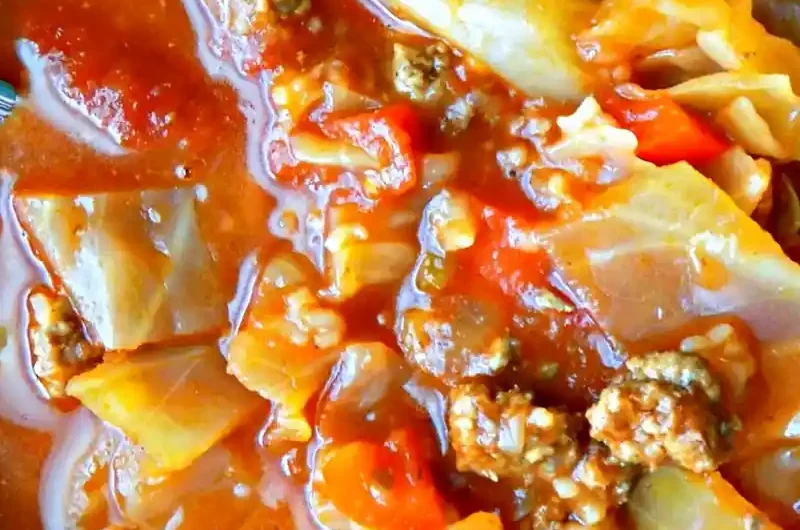
This Stuffed Cabbage Soup delivers all the savory, comforting flavors of traditional cabbage rolls in an easy-to-prepare, one-pot format. By combining tender cabbage, succulent ground beef, and hearty rice within a rich tomato and beef broth, this recipe creates a nourishing meal perfect for chilly evenings. It simplifies the classic technique into a straightforward process that works perfectly for busy weeknights or relaxed weekend batch cooking.
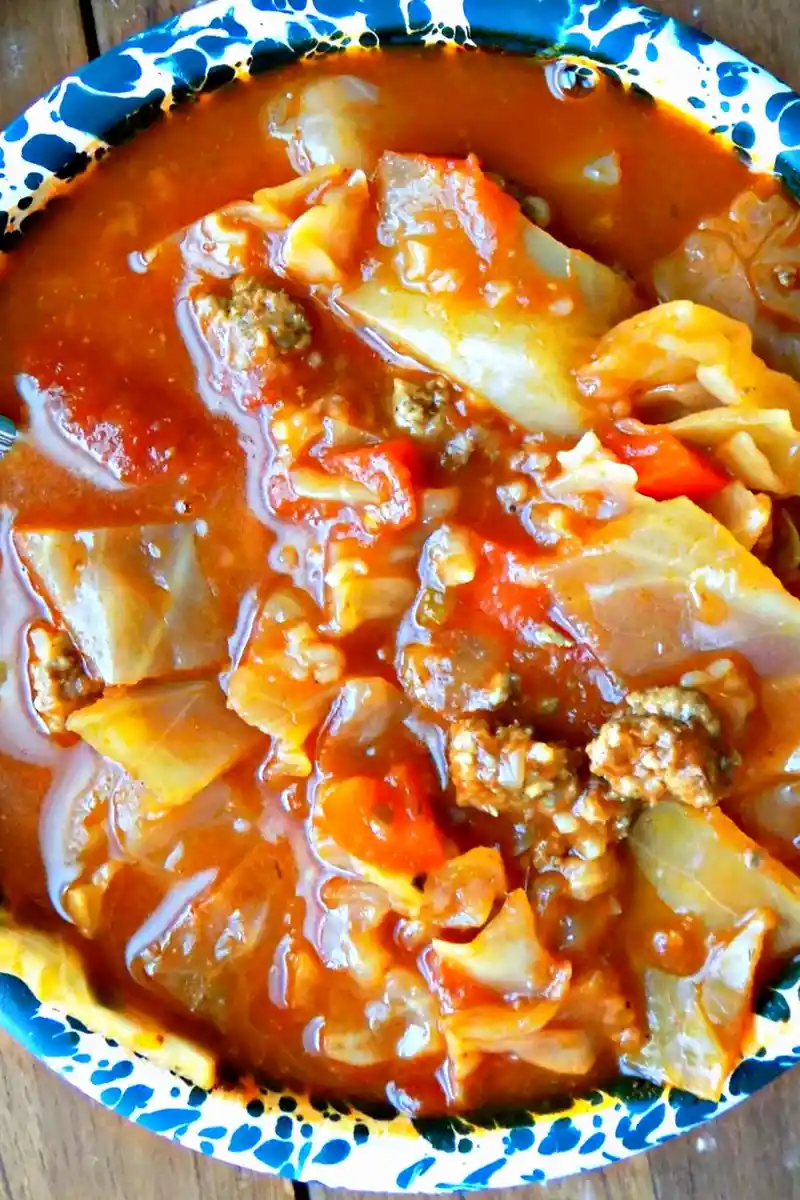
List of ingredients
- 1 tablespoon olive or avocado oil
- 1 1/2 pounds ground beef (85% lean)
- 1 onion, diced
- 1 green bell pepper, diced
- 1 small head of cabbage, cored and coarsely chopped
- 1 28-ounce can of crushed tomatoes
- 6 cups beef stock or broth
- 1 bay leaf
- 1 teaspoon dried dill
- 2 teaspoons paprika
- 1 dash Worcestershire sauce
- 1/2 cup uncooked rice
- Vegetable juice or water to thin if necessary
- Salt and pepper to taste
step-by-step instructions
- Step: In a large stock pot or Dutch oven, heat oil over medium heat.
- Step: Add ground beef, onion, and bell peppers, seasoning with salt and pepper.
- Step: Cook until the beef is browned and vegetables are soft and slightly golden.
- Step: Add chopped cabbage, tomatoes, stock, bay leaf, dill, paprika, and Worcestershire sauce.
- Step: Bring to a boil, then reduce to a simmer and cook uncovered for 45 minutes until the cabbage is tender.
- Step: Add rice and simmer for another 30 minutes.
- Step: Thin with vegetable juice or water if the soup is too thick, and season to taste with salt and pepper.
Practical Cooking Tips
Developing Deep Flavor Through Browning
The secret to a robust soup starts at the very beginning by properly searing the ground beef and vegetables. Do not rush this initial step; allowing the meat to develop a dark, crispy fond on the bottom of your pot creates a complex base of flavor that liquid alone cannot provide. Ensure your heat is consistent, and avoid overcrowding the pan, as this can steam the beef instead of browning it. If you notice a significant amount of excess fat accumulating after the beef is fully cooked, carefully spoon off the top layer before adding your liquid ingredients, as this ensures your final bowl remains clean and light rather than oily.
The Role of Cabbage Texture
When preparing your cabbage, aim for pieces that are about one inch in size, as this allows the vegetable to soften significantly without disintegrating into nothing. If you prefer a more rustic, chewy bite, cut the pieces slightly larger, or if you prefer the cabbage to essentially melt into the broth, slice it into thinner ribbons. Remember that the cabbage will reduce in volume significantly as it wilts, so do not be alarmed if the pot looks overly full when you first add it; it will settle perfectly once the cooking process begins.
Substitutions and Dietary Adjustments
Replacing the Proteins
While ground beef is traditional for this dish, it is very adaptable. Ground turkey or chicken works beautifully as a leaner alternative, though you may need to add a touch more oil to the pot initially since these meats lack the fat content of beef. For a vegetarian version, swap the beef for a mixture of finely chopped mushrooms and cooked lentils to maintain a hearty, dense texture. Replace the beef broth with a high-quality mushroom or roasted vegetable stock to ensure the soup remains rich and savory despite the lack of meat.
Low-Carb and Grain Alternatives
If you prefer to avoid traditional white rice, there are several effective substitutions. Cauliflower rice is a popular choice, but it cooks much faster than traditional grains, so add it only in the last five minutes of the simmering process to prevent it from turning into mush. For a heartier grain, pearl barley is an excellent alternative, though it will require a slightly longer cook time and potentially more broth, as it absorbs liquid more aggressively than standard white rice. If you choose to omit grains entirely, simply add more vegetables like carrots or celery to maintain the bulk of the soup.
Serving and Storage Suggestions
Serving Your Cabbage Soup
This soup is a complete meal on its own, but it pairs wonderfully with sides that can soak up the tomato-based broth. A thick, warm slice of crusty artisan bread slathered in salted butter is a classic choice, as is a simple side salad with a sharp vinaigrette to cut through the richness. If you want to lean into the Eastern European roots of the flavor profile, a small dollop of sour cream or a sprinkle of fresh chopped parsley right before serving adds a refreshing, tangy finish that lightens the bowl.
Storing and Freezing
This soup is excellent for meal prep because the flavors actually improve as they sit in the refrigerator for a day or two. Store leftovers in an airtight container in the refrigerator, where they will remain fresh for up to three days. If you plan to freeze the soup, it is best to cook the rice slightly al dente, as it will continue to absorb liquid and soften further during the freezing and thawing process. Portion the cooled soup into freezer-safe containers, leaving an inch of space at the top to allow for expansion, and keep it for up to three months for the best taste.
Troubleshooting Common Issues
Addressing Overly Thick Soup
It is common for the rice in this soup to continue absorbing moisture even after the heat is turned off, which can lead to a stew-like consistency by the next day. This is not a mistake; it is simply the nature of rice-based soups. To rectify this, simply add a half-cup of warm water or additional vegetable broth while reheating the soup on the stove. Stir gently to incorporate the liquid and allow the soup to return to a simmer, adjusting your salt levels after adding the extra liquid, as dilution can sometimes mute the existing seasoning.
Managing Saltiness
Because stocks and canned tomatoes vary in their salt content, it is easy to accidentally make the soup too salty. If you find the flavor too aggressive, try adding a tablespoon of lemon juice or a pinch of sugar; the acid or sweetness can effectively mask and balance an overly salty broth. If the soup is still too intense, you can also add more chopped cabbage or a splash of water, which will help mellow the concentrated tomato and beef flavors without requiring you to start over.
Frequently Asked Questions
Can I use brown rice instead of white rice?
Yes, you can certainly use brown rice, but keep in mind that it takes significantly longer to cook than white rice. You should add the brown rice to the pot about 20 minutes before you add the cabbage, or cook the rice separately and stir it into the soup during the final stage of assembly. This ensures the rice reaches the perfect texture without requiring you to overcook the cabbage.
Is it possible to make this in a slow cooker?
You can adapt this to a slow cooker by browning the beef and sautéing the onions and peppers first, which is critical for flavor development. After browning, combine all ingredients in the slow cooker and cook on low for 6 to 8 hours. Add the rice during the last hour of cooking to ensure it does not become waterlogged and mushy.
Why did my cabbage turn out mushy?
If your cabbage is losing its texture too quickly, it may be due to the size of the initial chop. Ensure you are chopping the cabbage into large, bite-sized chunks rather than fine shreds, which break down rapidly in the heat. Additionally, avoid over-boiling the soup; once you add the liquid, keep the pot at a very gentle, lazy simmer rather than a rolling boil to protect the integrity of the vegetable.
Can I add other vegetables to the mix?
Absolutely, this recipe is very flexible. Sliced carrots, diced celery, or even small cubes of potato work well in this base and add extra layers of nutrition. Keep in mind that root vegetables will increase the overall cooking time, so add them at the same time as the cabbage to ensure they reach the right level of tenderness alongside the other ingredients.
Print
Hearty Stuffed Cabbage Soup
- Total Time: PT1H45M
- Yield: 6 servings 1x
- Diet: Gluten-Free
Description
This Stuffed Cabbage Soup is a hearty favorite that features cabbage, ground beef, and rice. It’s the soup version of your favorite cabbage rolls, offering all the classic flavors in a cozy, easy-to-make one-pot meal.
Ingredients
- 1 tablespoon olive or avocado oil
- 1 1/2 pounds ground beef (85% lean)
- 1 onion, diced
- 1 green bell pepper, diced
- 1 small head of cabbage, cored and coarsely chopped
- 1 28-ounce can of crushed tomatoes
- 6 cups beef stock or broth
- 1 bay leaf
- 1 teaspoon dried dill
- 2 teaspoons paprika
- 1 dash Worcestershire sauce
- 1/2 cup uncooked rice
- Vegetable juice or water to thin if necessary
- Salt and pepper to taste
Instructions
- Step: In a large stock pot or Dutch oven, heat oil over medium heat.
- Step: Add ground beef, onion, and bell peppers, seasoning with salt and pepper.
- Step: Cook until the beef is browned and vegetables are soft and slightly golden.
- Step: Add chopped cabbage, tomatoes, stock, bay leaf, dill, paprika, and Worcestershire sauce.
- Step: Bring to a boil, then reduce to a simmer and cook uncovered for 45 minutes until the cabbage is tender.
- Step: Add rice and simmer for another 30 minutes.
- Step: Thin with vegetable juice or water if the soup is too thick, and season to taste with salt and pepper.
Notes
Store leftovers in the refrigerator for 2-3 days or freeze in an airtight container for up to 3 months. For a vegetarian option, you may substitute the beef with plant-based crumbles and use vegetable broth.
- Prep Time: PT30M
- Cook Time: PT1H15M
- Category: Soup
- Method: Stovetop
- Cuisine: Eastern European inspired
Nutrition
- Serving Size: 1 bowl
- Calories: 380 kcal
- Sugar: 9 g
- Sodium: 850 mg
- Fat: 18 g
- Saturated Fat: 7 g
- Unsaturated Fat: 9 g
- Trans Fat: 0 g
- Carbohydrates: 32 g
- Fiber: 6 g
- Protein: 24 g
- Cholesterol: 75 mg
Keywords: cabbage, cabbage rolls, golabki, golumpki, Polish, stuffed cabbage, tomatoes