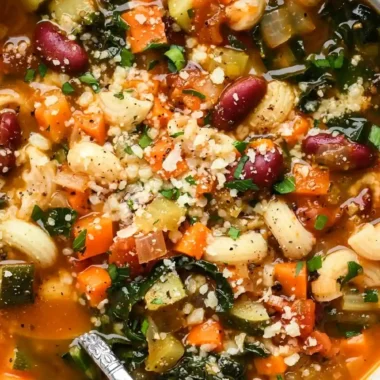
This creamy plant-based soup combines roasted winter vegetables with warming spices and coconut milk for a rich texture. It is an efficient meal-prep option that works well for lunches or dinner sides.

List of ingredients
- 590 grams (roughly 5 cups) butternut squash, peeled and chopped – ensure pieces are uniform for even roasting.
- 430 grams (roughly 4 cups) cauliflower, chopped – cut into small florets.
- 1 small yellow onion, quartered – adds a savory base flavor.
- 2 tablespoons olive oil – used for roasting the vegetables.
- 2 cups vegetable broth – provides the liquid base.
- 1 1/2 cup coconut milk – creates a creamy, dairy-free consistency.
- 1/4 cup sun-dried tomatoes – adds a concentrated umami depth.
- 3 cloves garlic, minced – fresh garlic for aromatic flavor.
- 1 teaspoon crushed ginger – provides a warm, zesty note.
- 1 teaspoon salt – to enhance all flavors.
- 1/2 teaspoon pepper – for a mild spicy kick.
- 1/2 teaspoon ground sage – adds an earthy, autumnal herbal taste.
- 1/4 teaspoon garlic powder – reinforces the garlic profile.
- 1/4 teaspoon ground nutmeg – provides a subtle sweetness.
- 1/4 teaspoon red pepper flakes – adds a touch of heat.
step-by-step instructions
- Prepare for Roasting: Preheat your oven to 400F/200C. Line a large rimmed baking tray with parchment paper to prevent sticking and make cleanup easier.
- Roast the Vegetables: Place the chopped butternut squash, cauliflower, and quartered onion on the prepared baking pan. Drizzle with olive oil and toss to coat evenly. Bake for 30 minutes or until all vegetables are tender.
- Transfer to Blender: Carefully move the roasted vegetables from the baking tray into a high-speed blender or food processor.
- Add Flavorings: Pour in the vegetable broth and coconut milk. Add the sun-dried tomatoes, minced garlic, ginger, salt, pepper, sage, garlic powder, nutmeg, and red pepper flakes.
- Blend: Process the mixture on high speed until all ingredients are fully combined and the texture is completely smooth.
- Serve: Pour the soup into bowls and serve immediately while hot.
Roasted Vegetable Optimization
Use a Large Baking Sheet to Prevent Steaming
Avoid crowding the vegetables on a small tray. When vegetables are too close together, they release moisture and steam instead of roasting, which prevents the caramelization needed for deep flavor.
Maintain Uniform Vegetable Sizes
Cut the butternut squash and cauliflower into similarly sized pieces. This ensures that everything cooks at the same rate and prevents the smaller cauliflower florets from burning before the squash is tender.
Utilize Parchment Paper for Cleanliness
Lining your tray with parchment paper prevents the natural sugars in the squash from sticking to the metal. It also allows you to slide the vegetables easily into the blender without scrubbing the pan.
Monitor for Golden Brown Edges
While 30 minutes is the standard time, check the vegetables periodically. Look for slightly browned edges on the cauliflower and squash, as these charred bits contribute a nutty flavor to the final blended soup.
Achieving the Perfect Consistency
Adjust Liquid Ratios for Thickness
If you prefer a thinner soup, gradually add more vegetable broth after the initial blend. For a thicker, more porridge-like consistency, reduce the coconut milk by a quarter cup.
Use a High-Speed Blender for Maximum Silkiness
A high-speed blender is superior to a food processor for this recipe because it can fully emulsify the coconut milk and vegetable fibers. This results in a professional, velvet-like texture without any remaining chunks.
Sieve the Soup for a Fine Finish
If you are serving this for a formal occasion, pass the blended soup through a fine-mesh sieve. This removes any tiny remnants of sun-dried tomato skin or fibrous ginger pieces.
Temperature Control During Blending
When blending hot roasted vegetables, start the blender on the lowest speed. Gradually increase the speed to prevent a pressure build-up from the steam, which could force the lid open.
Flavor Profile Modifications
Swap Coconut Milk for Other Creamy Bases
You can substitute the coconut milk with an equal amount of cashew cream for a more neutral taste. Alternatively, use a full-fat plant-based cream for a richer, heavier mouthfeel.
Adjust the Heat Level
If you prefer a spicier soup, increase the red pepper flakes to a full teaspoon. Conversely, omit the flakes entirely if you are serving this to children or those sensitive to heat.
Enhance the Sweetness
Adding a teaspoon of maple syrup or agave nectar can balance the earthiness of the sage and nutmeg. This is particularly useful if your butternut squash is less sweet than usual.
Use Fresh Herbs for a Brighter Finish
While ground sage is used in the base, stirring in freshly chopped parsley or cilantro at the end adds a fresh contrast to the deep, roasted flavors.
Pairing and Presentation Ideas
Add Crunchy Toppings for Texture
Top each bowl with toasted pumpkin seeds (pepitas) or sunflower seeds. This provides a necessary textural contrast to the smooth consistency of the puree.
Incorporate Savory Garnishes
A sprinkle of vegan feta or nutritional yeast adds a salty, cheesy element that complements the sweetness of the squash. A swirl of extra coconut cream on top also makes the dish visually appealing.
Select the Right Accompaniment Bread
Serve this soup with a toasted sourdough slice or a warm piece of crusty ciabatta. The acidity of sourdough helps cut through the richness of the coconut milk.
Pair with a Fresh Side Salad
A simple arugula salad with a lemon vinaigrette is an ideal side. The peppery greens and citrus dressing balance the heavy, creamy nature of the roasted vegetable soup.
Preservation and Reheating Guidelines
Refrigeration Best Practices
Store the soup in an airtight glass container in the refrigerator. It will remain fresh and flavorful for 3 to 5 days.
Freezing for Long-Term Storage
This soup freezes exceptionally well for up to 6 months. Leave a small amount of space at the top of the container to allow for expansion during the freezing process.
Stovetop Reheating Method
Warm the soup slowly over medium-low heat on the stove. Stir occasionally to ensure the coconut milk does not separate or burn at the bottom of the pot.
Microwave Reheating Tips
Heat the soup in short 1-minute intervals, stirring in between. This prevents hot spots and ensures the soup is heated evenly throughout.
Fixing Separated Soup After Freezing
If the soup appears separated after thawing, simply whisk it vigorously or pulse it in a blender for 10 seconds. This reintegrates the fats from the coconut milk with the vegetable puree.
Common Questions and Troubleshooting
Why is my soup too bland?
Roasted vegetables can vary in flavor. If the soup lacks depth, add an extra pinch of salt or a teaspoon of lemon juice to brighten the overall taste profile.
Can I use frozen butternut squash?
Yes, you can use frozen squash, but skip the roasting step for the squash itself. Roast the cauliflower and onion, then add the frozen squash directly to the blender with the other ingredients.
What if I don’t have a blender?
You can use an immersion blender directly in the pot. Ensure the pot is deep enough to accommodate the blender head without splashing hot liquid.
How do I peel a butternut squash safely?
Cut the squash in half lengthwise and remove the seeds first. Use a sturdy vegetable peeler to remove the skin from the outside, keeping the squash on a stable cutting board.
Can I substitute the sun-dried tomatoes?
If sun-dried tomatoes are unavailable, use one tablespoon of tomato paste. This provides a similar concentrated tomato flavor and acidity.
Is this soup suitable for meal prep?
Yes, this recipe is designed for meal prep. Because the flavors meld over time, the soup often tastes better the next day after the spices have fully infused.
Print
Roasted Butternut Squash and Cauliflower Soup
- Total Time: 45 minutes
- Yield: 5 servings 1x
- Diet: Vegan, Gluten-Free
Description
This creamy, vegan butternut squash & cauliflower soup is loaded with whole ingredients, is great for meal prep and makes for the perfect fall dish.
Ingredients
- 590 grams (roughly 5 cups) butternut squash, peeled and chopped
- 430 grams (roughly 4 cups) cauliflower, chopped
- 1 small yellow onion, quartered
- 2 tablespoons olive oil
- 2 cups vegetable broth
- 1 1/2 cup coconut milk
- 1/4 cup sun-dried tomatoes
- 3 cloves garlic, minced
- 1 teaspoon crushed ginger
- 1 teaspoon salt
- 1/2 teaspoon pepper
- 1/2 teaspoon ground sage
- 1/4 teaspoon garlic powder
- 1/4 teaspoon ground nutmeg
- 1/4 teaspoon red pepper flakes
Instructions
- Preheat: Preheat the oven to 400F/200C degrees and prepare a large rimmed baking tray with parchment paper.
- Prepare Veggies: Transfer the chopped butternut squash, cauliflower and onion onto the baking pan and drizzle with olive oil.
- Bake: Bake for 30 minutes or until the vegetables are tender.
- Transfer: Carefully transfer the cooked vegetables into a high-speed blender or food processor.
- Add Ingredients: To the blender add vegetable broth, coconut milk, sun-dried tomatoes, minced garlic, ginger, salt, pepper, sage, garlic powder, nutmeg and red pepper flakes.
- Blend: Blend together until all ingredients are fully combined.
- Serve: Serve!
Notes
Store in an air-tight container in the refrigerator for 3-5 days or in the freezer for up to 6 months!
- Prep Time: 15 minutes
- Cook Time: 30 minutes
- Category: Dinner
- Method: Roasting, Blending
- Cuisine: American
Nutrition
- Serving Size: 1 serving
- Calories: 240 kcal
- Sugar: 8 g
- Sodium: 720 mg
- Fat: 17 g
- Saturated Fat: 12 g
- Unsaturated Fat: 5 g
- Trans Fat: 0 g
- Carbohydrates: 21 g
- Fiber: 6 g
- Protein: 5 g
- Cholesterol: 0 mg
Keywords: Dinner, Fall Recipe, Lunch, vegan