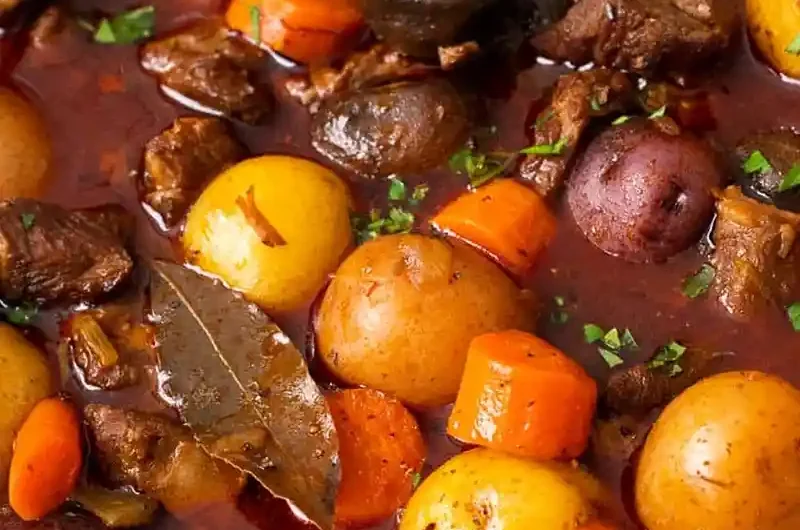
This hearty lamb stew features tender, fall-apart meat and rustic vegetables simmered in a rich, savory broth. It is a filling one-pot meal that provides warmth and comfort during the coldest months of the year.
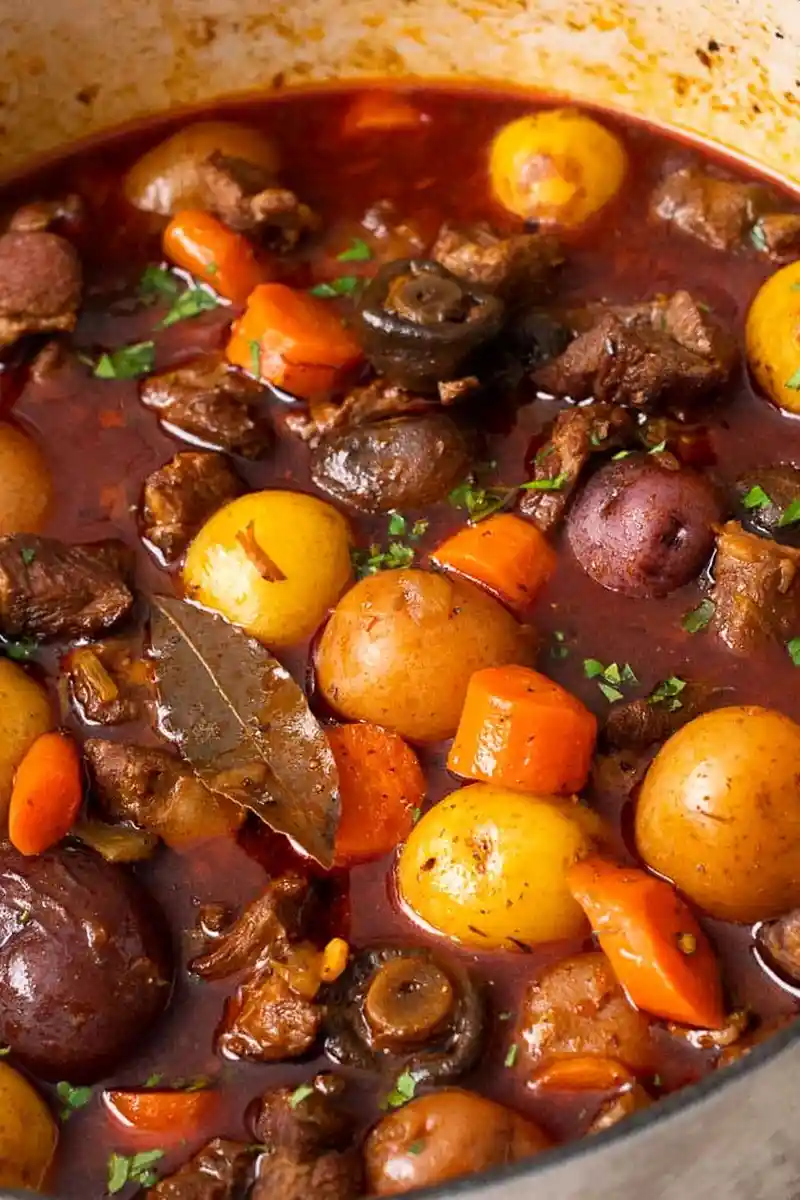
List of ingredients
- 2-3 pounds boneless lamb shoulder – trimmed of excess fat and cut into pieces.
- 2 pounds baby potatoes – kept whole to maintain their shape.
- 2 large carrots – cut into large, chunky pieces.
- 3 large celery stalks – chopped into bite-sized segments.
- 1 large onion – finely chopped.
- 3 large garlic cloves – minced.
- 2 tablespoons extra virgin olive oil – divided for searing and sautéing.
- 1 teaspoon dried oregano – for earthy aroma.
- 1/2 teaspoon dried thyme – for rustic flavor.
- 1 teaspoon salt – divided between seasoning and the broth.
- 1 teaspoon ground black pepper – divided between seasoning and the broth.
- 3 ounces low sodium tomato paste – adds richness and color.
- 8 ounces brown mushrooms – sliced or kept whole.
- 3 cups low sodium beef broth – the base of the rustic gravy.
- 3/4 cup red grape juice – an alcohol-free alternative for acidity and depth.
- 1 tablespoon Worcestershire sauce – for a savory, umami boost.
- 3 bay leaves – simmered for aromatic depth.
step-by-step instructions
- Sear the meat: Preheat a large Dutch oven on medium-high heat and add 1 tablespoon of olive oil. Season the lamb chunks with 1/2 teaspoon salt and 1/2 teaspoon ground black pepper. Working in batches, add half of the lamb to the pot and cook until golden brown, about 7 minutes, stirring occasionally. Transfer the browned meat to a plate and repeat with the second batch.
- Sauté the aromatics: Add the remaining 1 tablespoon of olive oil to the pot. Add the chopped onion, celery, and minced garlic, sautéing until they become translucent. Stir in the dried oregano and thyme, cooking for another 30 seconds while stirring constantly.
- Incorporate paste and mushrooms: Add the tomato paste and stir well with the vegetables until fully incorporated. Add the brown mushrooms to the pot and stir to combine.
- Build the broth: Pour in the beef broth, red grape juice, Worcestershire sauce, and add the bay leaves. Stir in the remaining 1/2 teaspoon salt and 1/2 teaspoon black pepper. Return the browned lamb to the pot and stir everything together.
- Slow simmer: Cover the pot with a lid and bring the liquid to a boil. Once boiling, reduce the heat to low and simmer for 1.5 hours or until the lamb is fork tender.
- Add hardy vegetables: Stir in the baby potatoes and carrots. Continue to simmer for approximately 25 minutes, or until the potatoes are tender when pierced with a fork.
- Rest and serve: Turn off the heat and let the stew stand, covered, for about 10 minutes to let the flavors settle. Serve hot, garnished with fresh parsley and a side of Irish soda bread.
Master Your Cooking Technique
Thaw Meat Completely Before Searing
Ensure your lamb shoulder is fully thawed in the refrigerator before you begin cooking. If the meat is still frozen in the center, the outside will overcook and toughen before the interior reaches the proper temperature. This ensures an even sear and consistent tenderness.
Avoid Skipping the Searing Process
Browning the meat in batches is essential for creating a deep flavor profile. The caramelization of the meat proteins, known as the Maillard reaction, adds a complex richness to the final broth. Avoid overcrowding the pan, as this will cause the meat to steam instead of sear.
Maintain a Low Simmer
Once the stew reaches a boil, it is critical to reduce the heat to a low simmer. High heat can cause the muscle fibers in the lamb to tighten and become tough. A gentle bubble allows the collagen to break down slowly, resulting in meat that falls apart easily.
Prepare a Flour Slurry for Thickness
If you prefer a thicker, gravy-like consistency, you can create a simple thickening agent. Whisk together 1/4 cup of flour with 1/4 cup of water or beef broth in a small bowl. Pour this mixture into the pot during the final 15 minutes of cooking and stir continuously.
Select a Heavy Cast Iron Pot
Using a heavy-bottomed Dutch oven is highly recommended for this recipe. Cast iron or ceramic pots distribute heat more evenly and retain it better than thin stainless steel. This prevents hot spots and reduces the risk of the stew scorching on the bottom.
Balance the Salt Content
Since this recipe uses beef broth and tomato paste, the salt levels can vary depending on the brand. Use low-sodium versions of these ingredients to maintain control over the seasoning. Always taste the broth before the final simmer to adjust the salt accordingly.
Customizing Your Ingredients
Choosing the Best Lamb Cut
Boneless lamb shoulder is ideal because it contains enough fat and connective tissue to stay moist during long cooking. If you cannot find shoulder, boneless leg of lamb is a suitable alternative, though it may require a slightly longer simmer to reach the same tenderness. Trim any excess gristle for a better mouthfeel.
Using Different Potato Varieties
Baby potatoes are used here because they hold their shape well throughout the cooking process. You can substitute them with Yukon Gold or red potatoes for a similar result. If you prefer a thicker stew, use Russet potatoes, as they break down more and naturally thicken the liquid.
Incorporating Root Vegetable Additions
This stew is very versatile and can accommodate other winter vegetables. Parsnips, turnips, and rutabaga add a lovely sweetness and earthiness to the dish. Cut these into large chunks and add them at the same time as the carrots and potatoes.
Selecting a Low Sodium Broth
Using a low-sodium beef broth allows you to layer flavors without making the dish overly salty. If you only have full-sodium broth, omit the added salt in the initial seasoning steps. This ensures the final taste is balanced and not overwhelming.
Replacing Tomato Paste
Tomato paste provides acidity and a rich red hue to the broth. If unavailable, you can use a small amount of tomato puree or a tablespoon of concentrated tomato concentrate. Ensure you sauté it briefly with the aromatics to remove the raw metallic taste.
Plating and Serving Ideas
Pairing with Crusty Breads
A piece of Irish soda bread or a toasted baguette is the perfect companion for this stew. The crusty texture provides a contrast to the tender meat and vegetables. Use the bread to soak up the rich, savory gravy left in the bowl.
Serving Over Grains
For an even heartier meal, serve the lamb stew over a bed of steamed white or brown rice. Polenta or creamy mashed potatoes are also excellent bases that complement the rustic flavors. This approach transforms the stew into a more substantial main course.
Complementing with Fresh Salads
Balance the richness of the lamb with a light, acidic side dish. A simple spinach salad with a lemon vinaigrette or a crisp butter lettuce salad works well. The acidity of the dressing helps cut through the fattiness of the meat.
Adding Fresh Herb Garnishes
Freshly chopped parsley added at the moment of serving brightens the overall flavor. You can also use a sprinkle of fresh thyme or rosemary for added aromatic depth. A dash of cracked black pepper on top adds a final punch of heat.
Suggested Vegetable Side Dishes
If you want more greens on the plate, pair the stew with oven-roasted asparagus or steamed broccoli. These vegetables provide a nutritional balance and a vibrant color contrast to the brown tones of the stew. Keep the seasoning simple to let the stew remain the star.
Preservation and Storage Guidelines
Refrigeration Best Practices
Store any leftover stew in an airtight glass or plastic container. Keep it in the coldest part of the refrigerator to maintain freshness. The stew will remain safe and delicious for up to five days when stored properly.
Freezing for Future Use
While the stew can be frozen for up to three months, be aware that the texture of the potatoes may change. Use freezer-safe containers or resealable silicone bags, leaving a small amount of room for expansion. Ensure the stew is completely cooled before freezing.
Handling Thawed Potatoes
When freezing stews with potatoes, the starch structure often breaks down during the thawing process. This can result in a slightly grainier texture in the vegetables. If this bothers you, consider straining out the potatoes before freezing the meat and broth.
Selecting Airtight Containers
Using high-quality airtight containers prevents the stew from absorbing other odors in the fridge. Glass containers are preferred as they do not stain from the tomato paste and are easier to heat in the microwave. Ensure the lid seals tightly to prevent leakage.
Best Reheating Methods
Slow Stovetop Reheating
The best way to reheat lamb stew is by simmering it in a small pot over low heat. This allows the flavors to meld again without scorching the ingredients. Stir occasionally to ensure the heat is distributed evenly throughout the pot.
Quick Microwave Heating
For a faster option, place a portion of the stew in a microwave-safe bowl and cover it with a lid or paper towel. Heat in short intervals, stirring in between, to avoid cold spots. Be careful not to overheat, as this can make the lamb rubbery.
Adjusting Liquid During Reheating
Stews often thicken in the refrigerator as the potatoes absorb the liquid. If the stew seems too thick upon reheating, stir in a splash of beef broth or water. This restores the original consistency of the rustic broth.
Solving Common Stew Problems
Fixing Tough Meat Texture
If the lamb is still tough after the initial simmer, it simply needs more time. Return the pot to a low simmer for another 30 to 60 minutes. The connective tissue requires a specific window of time and temperature to fully dissolve.
Preventing Mushy Vegetables
Adding the potatoes and carrots too early in the process can cause them to disintegrate. Always add these hardy vegetables in the final stage of cooking. This ensures they are tender but still hold their shape on the plate.
Reducing Excess Surface Fat
Lamb can sometimes release a significant amount of fat during the slow-cooking process. If you see a thick layer of oil on top, use a wide spoon to skim it off before serving. Alternatively, you can chill the stew and lift the solidified fat off the surface.
Correcting a Thin Broth
If your broth feels too watery, you can reduce it by simmering with the lid off for the last 20 minutes. This allows some of the moisture to evaporate, concentrating the flavors. You can also use the flour slurry method mentioned in the tips section.
Common Questions
Can this be made in an Instant Pot?
Yes, you can adapt this for a pressure cooker. Brown the meat using the sauté function, then add all liquids and meat, pressure cooking on high for 30 minutes with a natural release. Add the vegetables last and cook for an additional 5-10 minutes.
How do I adapt this for a slow cooker?
First, sear the lamb and sauté the aromatics in a skillet to develop flavor. Transfer everything to the slow cooker and cook on low for 6-8 hours or on high for 3-4 hours. Add the potatoes and carrots during the last hour of cooking.
What are the best vegetable substitutions?
You can easily swap carrots for parsnips or celery for bok choy stems for a different flavor profile. Frozen peas added in the final five minutes of cooking provide a pop of color and sweetness. Sweet potatoes also work well but should be cut into larger pieces.
Can I use a different liquid instead of grape juice?
If you do not have red grape juice, you can use an equal amount of beef broth or a splash of pomegranate juice. A small amount of apple cider vinegar can also provide the necessary acidity to balance the richness of the lamb.
Print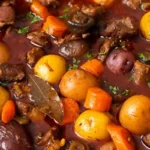
Hearty Slow-Cooked Lamb Stew
- Total Time: 140 minutes
- Yield: 8 servings 1x
- Diet: General
Description
Easy Lamb Stew Recipe with fall-apart lamb and hearty vegetables slowly cooked in a delicious rustic broth.
Ingredients
- 2–3 pounds boneless lamb shoulder (trimmed of excess fat)
- 2 pounds baby potatoes
- 2 large carrots (cut in large chunks)
- 3 large celery stalks (chopped)
- 1 large onion (chopped)
- 3 large garlic cloves (minced)
- 2 tablespoons olive oil (extra virgin)
- 1 teaspoon dried oregano
- 1/2 teaspoon dried thyme
- 1 teaspoon salt (divided)
- 1 teaspoon ground black pepper (divided)
- 3 ounces tomato paste (low sodium)
- 8 ounces brown mushrooms
- 3 cups beef broth (low sodium)
- 3/4 cup alcohol-free red wine
- 1 tablespoon Worcestershire sauce
- 3 bay leaves
Instructions
- Step: Preheat large Dutch oven on medium-high heat and add 1 tablespoon of olive oil. Season lamb with 1/2 teaspoon salt and 1/2 teaspoon ground black pepper. Add half of the lamb to the pot and cook until golden brown, for about 7 minutes and stirring just a few times. Transfer to a large plate and repeat with remaining lamb.
- Step: Add remaining 1 tablespoon of olive oil and add onion, celery and garlic. Saute until translucent, stirring occasionally. Then add oregano and thyme, and saute for another 30 seconds, stirring constantly. Add tomato paste and stir with vegetables until incorporated. Add mushrooms.
- Step: Add beef broth, alcohol-free red wine, Worcestershire sauce, bay leaves, remaining 1/2 teaspoon salt and 1/2 teaspoon black pepper, previously browned lamb and stir.
- Step: Cover pot with a lid and bring to a boil. Then reduce heat to low and simmer for 1.5 hours or until lamb is fork tender.
- Step: Add potatoes and carrots, stir and simmer for 25 minutes or until potatoes are fork tender.
- Step: Turn off heat and let lamb stew stand in a pot covered for about 10 minutes. Serve hot, garnished with parsley if you wish, and a slice of Irish soda bread.
Notes
Store: Refrigerate in an airtight container for up to 5 days. Reheat desired amount by simmering in small pot on low heat. Freeze: You can freeze the stew in an airtight container or resealable silicone bags for up to 3 months, although potato texture may change. Thaw in the fridge overnight or on the counter for 6 hours.
- Prep Time: 10 minutes
- Cook Time: 130 minutes
- Category: Main Course
- Method: Stewing
- Cuisine: North American
Nutrition
- Serving Size: 2 cups
- Calories: 274 kcal
- Sugar: 5 g
- Sodium: 421 mg
- Fat: 8 g
- Saturated Fat: 2 g
- Unsaturated Fat: 6 g
- Trans Fat: 0 g
- Carbohydrates: 28 g
- Fiber: 4 g
- Protein: 19 g
- Cholesterol: 46 mg
Keywords: lamb stew, hearty stew, Dutch oven lamb, comfort food, winter recipes