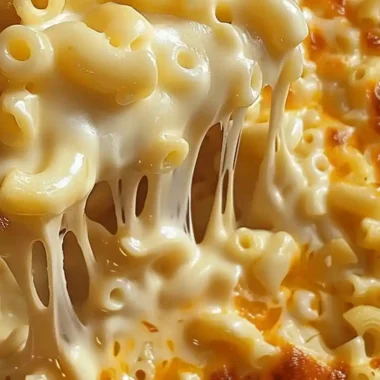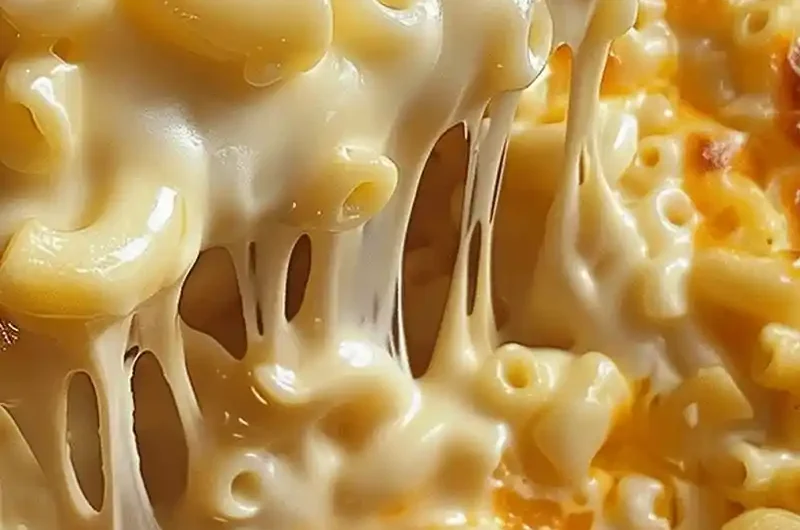
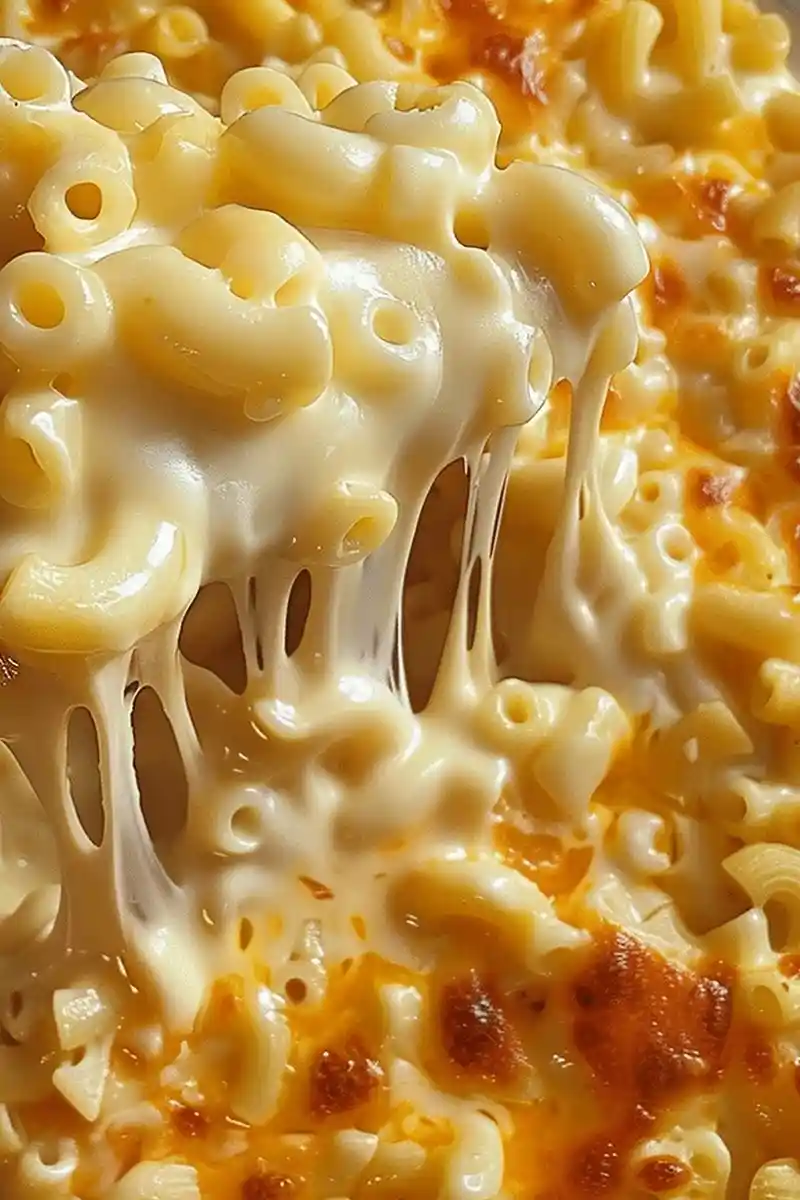
Creating a luscious, velvety macaroni and cheese dinner has never been easier than with this reliable slow cooker method. By combining high-quality cheeses and a rich dairy base, you achieve a restaurant-style consistency that is perfect for busy weeknights or relaxed family gatherings. This set-and-forget technique ensures that every noodle is thoroughly coated in a flavorful, molten cheese sauce.
List of ingredients
- 3 cups (300g) shredded sharp cheddar cheese
- 1 cup (100g) shredded mozzarella cheese
- 1 cup (100g) shredded Gruyere or Parmesan cheese
- 16 oz (450g) elbow macaroni, uncooked
- 4 cups (960ml) whole milk
- 1 can (12 oz) evaporated milk
- ½ cup (115g) unsalted butter, melted
- ½ teaspoon garlic powder
- ½ teaspoon onion powder
- ½ teaspoon ground mustard
- Salt and black pepper, to taste
- Fresh parsley or chives for garnish (optional)
step-by-step instructions
- Step: Prepare the slow cooker surface by applying a thin layer of cooking spray or butter to prevent ingredients from adhering to the sides and bottom.
- Step: Pour uncooked macaroni directly into the slow cooker, creating an even base layer for the creamy mixture.
- Step: Gently incorporate whole milk, evaporated milk, and melted butter, ensuring thorough blending of liquid components.
- Step: Sprinkle shredded cheddar, mozzarella, and Gruyere cheeses evenly across the surface, distributing them throughout the pasta.
- Step: Enhance flavor profile by adding garlic powder, onion powder, ground mustard, salt, and black pepper, mixing all ingredients until uniformly combined.
- Step: Cover the slow cooker and set temperature to low, allowing the dish to gently simmer and develop rich, creamy textures.
- Step: Stir the mixture every 45 minutes to prevent pasta from clumping and ensure consistent cheese distribution.
- Step: Verify pasta tenderness and cheese melting after approximately 2.5 hours of cooking.
- Step: Transition slow cooker to warm setting once pasta reaches desired consistency and cheese becomes fully incorporated.
- Step: Optionally garnish with fresh chopped parsley or chives to add a bright, herbaceous finish before serving hot and creamy.
Refining your slow cooker experience
Maintain consistent sauce viscosity
To ensure your cheese sauce stays creamy throughout the cooking process, avoid opening the lid too frequently, as this causes significant heat loss. Only remove the lid during the designated stirring intervals to check the status of the noodles. If the sauce appears too thick, you can whisk in a splash of warm milk, about two tablespoons at a time, to restore the desired consistency.
Selecting the right cheese varieties
The texture of your final dish depends heavily on the type of cheese you select, as some melt better than others. Always shred your cheese from a block rather than using pre-shredded varieties found in bags. Pre-shredded cheese is often coated in cellulose to prevent clumping, which can interfere with the development of a smooth, velvety sauce in a slow cooker environment.
Managing pasta texture
Slow cookers provide a unique environment where the pasta cooks directly in the sauce rather than in boiling water. This causes the starch to release into the milk and cheese mixture, which acts as a natural thickener. Because of this, it is crucial to avoid overcooking the pasta, as it will continue to absorb liquid even after the slow cooker is switched to the warm setting.
Creative variations and customization
Incorporating colorful garden vegetables
You can easily elevate the nutritional profile of this meal by adding finely diced vegetables that complement the creamy cheese sauce. Small florets of broccoli, finely chopped spinach, or roasted butternut squash cubes work exceptionally well. These additions should be stirred in during the final thirty minutes of the cooking time to ensure they reach the correct texture without losing their vibrancy.
Adding savory depth with herbs
While the recipe includes garlic and onion powder, you can experiment with fresh or dried herbs to tailor the flavor to your personal preference. Dried thyme or smoked paprika can add a subtle earthy undertone that pairs beautifully with Gruyere cheese. If using fresh herbs like rosemary, ensure they are minced finely so they do not create an unpleasant texture in the smooth sauce.
Building a crunch factor
If you prefer a contrast in textures, consider adding a crunchy topping just before serving your mac and cheese. Panko breadcrumbs tossed in a little melted butter and toasted in a separate pan can provide a delightful golden layer. Alternatively, crushed savory crackers can offer a similar crunch, though these should be added immediately before eating to maintain their crispness against the creamy pasta base.
Practical storage and preparation
Guidelines for long-term refrigeration
Leftovers should be cooled quickly before being transferred to an airtight container to maintain food safety. When refrigerated properly, the dish will retain its quality for up to four days. Note that the pasta will continue to absorb some of the liquid from the sauce while it sits in the refrigerator, so you may find that the mixture thickens significantly.
Strategies for gentle reheating
When you are ready to enjoy your leftovers, add a tablespoon or two of milk to the portion before warming. Heat the mixture gently in a saucepan over low heat, stirring constantly to prevent the cheese from separating or scorching at the bottom of the pan. Avoid using high heat, as this can cause the cheese to lose its creamy texture and become oily.
Planning for future meals
If you intend to freeze this dish for later, be aware that dairy-heavy sauces can sometimes undergo a texture change upon thawing. For best results, undercook the pasta slightly before freezing, as it will soften further during the reheating process. Portion the mac and cheese into freezer-safe containers and leave a little room at the top to allow for expansion while the liquid cools and freezes.
Common questions regarding crockpot pasta
Can I use different types of pasta shapes?
While elbow macaroni is the traditional choice due to its ability to hold sauce, other short pasta shapes like penne, rotini, or shells work perfectly fine. Avoid using long, thin pasta like spaghetti or linguine, as they tend to tangle and clump together during the slow stirring process. Ensure that whatever shape you choose is of a similar size to macaroni so that it cooks evenly within the suggested timeframe.
How do I know when the dish is fully cooked?
The dish is ready when the macaroni is al dente, meaning it is tender but still offers a slight resistance when bitten. You should also look for a sauce that is thick enough to coat the back of a spoon without appearing watery or broken. If you find the sauce is too thin, leaving the lid off for the final ten minutes while on the high setting can help evaporate excess moisture.
Is it necessary to use evaporated milk?
Evaporated milk is highly recommended because it has a lower water content and higher protein concentration than regular milk, which helps stabilize the cheese sauce. It provides a deeper, richer flavor and a smoother texture that is difficult to replicate with whole milk alone. If you do not have evaporated milk on hand, you may use a combination of heavy cream and whole milk, though the results may be slightly less stable.
Print
Velvety Crockpot Macaroni and Cheese for Simple Family Dinners
- Total Time: PT3H10M
- Yield: 8 servings 1x
- Diet: Vegetarian
Description
Cheesy mac & cheese crockpot magic delivers pure comfort straight from slow-cooking heaven. Creamy, rich layers of pasta and melted cheese promise a delightful meal you’ll crave again and again.
Ingredients
- 3 cups (300g) shredded sharp cheddar cheese
- 1 cup (100g) shredded mozzarella cheese
- 1 cup (100g) shredded Gruyere or Parmesan cheese
- 16 oz (450g) elbow macaroni, uncooked
- 4 cups (960ml) whole milk
- 1 can (12 oz) evaporated milk
- ½ cup (115g) unsalted butter, melted
- ½ teaspoon garlic powder
- ½ teaspoon onion powder
- ½ teaspoon ground mustard
- Salt and black pepper, to taste
- Fresh parsley or chives for garnish (optional)
Instructions
- Step: Prepare the slow cooker surface by applying a thin layer of cooking spray or butter to prevent ingredients from adhering to the sides and bottom.
- Step: Pour uncooked macaroni directly into the slow cooker, creating an even base layer for the creamy mixture.
- Step: Gently incorporate whole milk, evaporated milk, and melted butter, ensuring thorough blending of liquid components.
- Step: Sprinkle shredded cheddar, mozzarella, and Gruyere cheeses evenly across the surface, distributing them throughout the pasta.
- Step: Enhance flavor profile by adding garlic powder, onion powder, ground mustard, salt, and black pepper, mixing all ingredients until uniformly combined.
- Step: Cover the slow cooker and set temperature to low, allowing the dish to gently simmer and develop rich, creamy textures.
- Step: Stir the mixture every 45 minutes to prevent pasta from clumping and ensure consistent cheese distribution.
- Step: Verify pasta tenderness and cheese melting after approximately 2.5 hours of cooking.
- Step: Transition slow cooker to warm setting once pasta reaches desired consistency and cheese becomes fully incorporated.
- Step: Optionally garnish with fresh chopped parsley or chives to add a bright, herbaceous finish before serving hot and creamy.
Notes
Prevent pasta clumping by stirring every half hour. Cheese selection matters; experiment with sharp cheddar, smoked gouda, or fontina for deeper flavor profiles. Lactose-free adaptation works by substituting whole milk with almond or oat milk and using dairy-free cheese alternatives. Add breadcrumbs or crushed crackers during the last 30 minutes of cooking for a crunchy topping contrast.
- Prep Time: PT10M
- Cook Time: PT3H
- Category: Dinner
- Method: Slow Cooking
- Cuisine: American
Nutrition
- Serving Size: 1 portion
- Calories: 624 kcal
- Sugar: 6 g
- Sodium: 700 mg
- Fat: 34 g
- Saturated Fat: 21 g
- Unsaturated Fat: 10 g
- Trans Fat: 0 g
- Carbohydrates: 54 g
- Fiber: 2 g
- Protein: 25 g
- Cholesterol: 97 mg
Keywords: mac and cheese, crockpot, slow cooker, comfort food, pasta, vegetarian, dinner