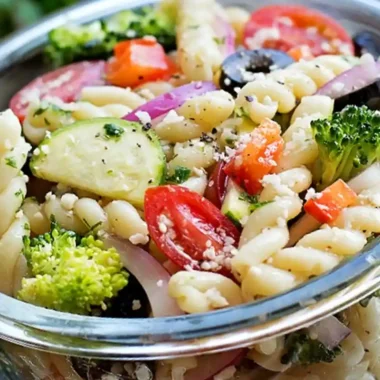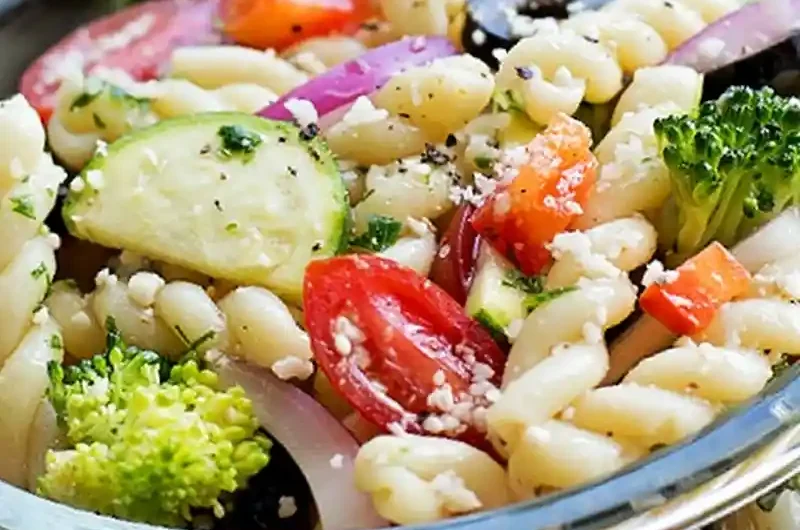
This vibrant summer vegetable pasta salad brings together fresh, crisp garden produce and tender pasta for a quick and satisfying meal. Perfectly suited for outdoor dining, large group gatherings, or simple weeknight dinners, this dish offers a bright flavor profile that everyone can appreciate. It comes together in just twenty minutes, making it an efficient choice when you need a reliable side dish that feels elevated yet remains incredibly easy to prepare.
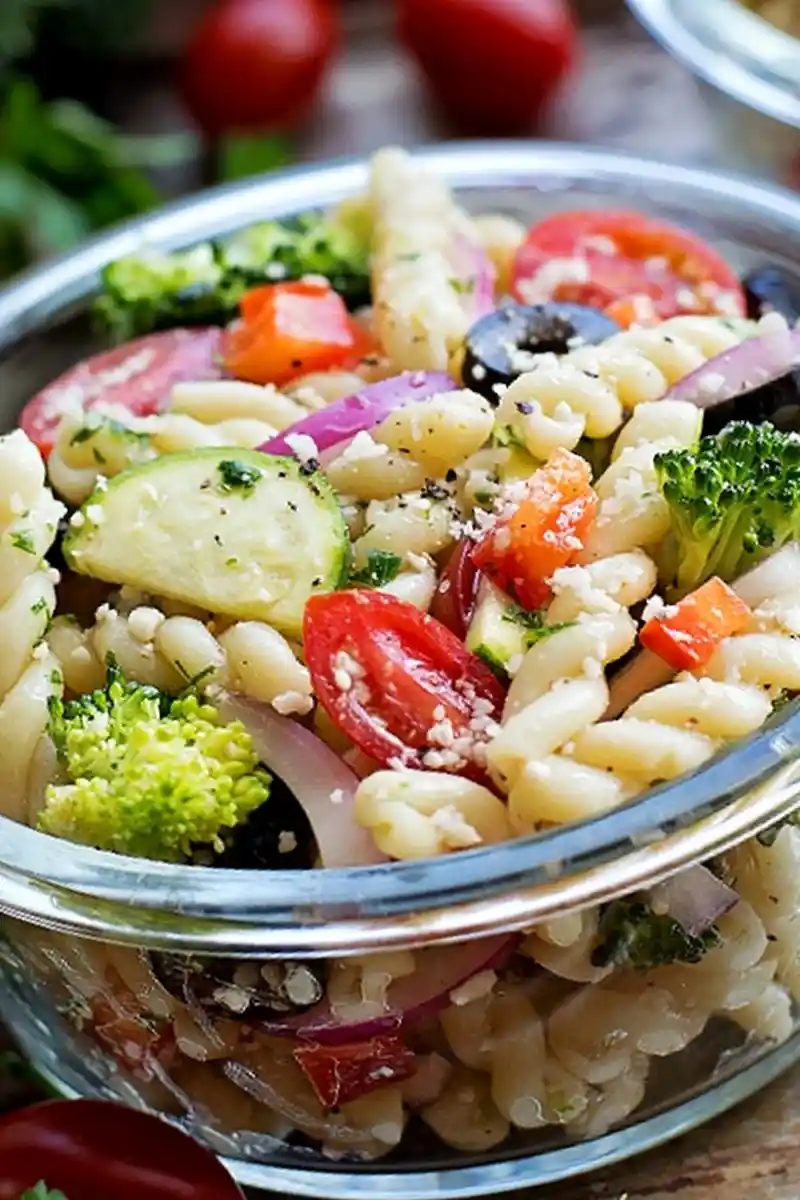
List of ingredients
- 1 lb pasta
- 1 cup cherry tomatoes, halved
- 1 yellow squash, cut in half lengthwise then sliced
- 1 zucchini, cut in half lengthwise then sliced
- 1 large head of broccoli, cut into florets
- 1/2 medium red onion, diced or sliced
- 2/3 cup red bell peppers or roasted red peppers, diced
- 1 (2.25 oz) can sliced black olives
- 2/3 cup Italian dressing
- 1/4 cup grated parmesan
- 2 Tbsp freshly minced parsley
- 1/2 tsp garlic powder
- 1/4 tsp paprika
- 1/4 tsp kosher sea salt
- 1/4 tsp freshly ground black pepper
step-by-step instructions
- Step: Place a large pot of water over high heat, and bring to a boil. Add the pasta and cook until al dente according to the package directions. Drain and set aside.
- Step: Meanwhile, prep the veggies, then in a medium bowl, whisk together the dressing, parmesan, parsley, garlic powder, paprika, salt, and black pepper.
- Step: In the large pot, combine the pasta, veggies, and dressing. Stir until combined. Serve immediately or cover and refrigerate until ready to serve.
Refining your technique for success
Choosing the right pasta shape
For a robust pasta salad, the shape of the noodle is crucial for holding onto the dressing. Rotini, fusilli, or farfalle are excellent choices because their crevices act as pockets to capture the vinaigrette, parmesan, and small bits of herbs. Avoid long, thin strands like spaghetti or linguine as they tend to tangle and make it difficult to distribute the chopped vegetables evenly.
The importance of al dente cooking
When cooking pasta for a salad, aim for a slightly firm texture. Because the pasta will sit in dressing and potentially be refrigerated, it will continue to absorb liquid from the vegetables and the sauce. Cooking it exactly to the al dente stage prevents it from becoming mushy or soft when combined with the other ingredients, ensuring a pleasant bite even on the second or third day.
Ensuring consistent vegetable cuts
Uniformity in your vegetable chopping significantly impacts the overall experience of the dish. Try to cut the zucchini, yellow squash, and red onion into pieces that are roughly the same size as your cherry tomato halves or pasta shapes. This consistency makes the salad easier to eat and ensures that you get a variety of flavors and textures in every single spoonful.
Customizing your flavor profile
Swapping out your favorite veggies
This recipe is highly adaptable based on what is available in your local market during the summer months. Consider adding thinly sliced asparagus, blanched sugar snap peas, or even roasted corn kernels for added sweetness and color. If you have excess cucumbers from the garden, seed them before slicing to keep the salad from becoming watery.
Exploring different dressing styles
While an Italian-style dressing is the classic choice for this pasta salad, you can easily change the profile by substituting your own preferred blend. A light balsamic vinaigrette works beautifully if you want a slightly sweeter, darker finish. Alternatively, a lemon-herb dressing using fresh squeezed juice and high-quality olive oil can provide a cleaner, more refreshing citrus brightness that pairs perfectly with the raw vegetables.
Adding protein options
If you intend for this dish to be the main course rather than a side, adding a source of protein is a straightforward adjustment. Chickpeas or cannellini beans work well to keep the dish meat-free while adding fiber and heartiness. For those who consume animal protein, grilled chicken breast or small shrimp can be tossed into the mix to make the salad more substantial.
Managing and serving your salad
Optimal serving temperatures
This salad is versatile regarding temperature, though many prefer it after it has chilled for at least thirty minutes. Chilling allows the dressing to permeate the pasta and helps the flavors of the garlic, herbs, and onion to meld together. If serving outdoors in hot weather, keep the salad bowl nestled in a larger bowl filled with ice to ensure it stays crisp and safe to eat.
Handling leftovers effectively
If you find yourself with leftovers, store them in a tightly sealed container in the coldest part of your refrigerator. Because this salad lacks delicate greens that wilt quickly, it holds up very well for three to five days. If the pasta appears to have absorbed too much dressing after a day in the fridge, simply add a small splash of fresh dressing or a drizzle of olive oil before serving to freshen it up.
Can I prepare this in advance?
Absolutely, this dish is ideal for make-ahead scenarios. You can cook the pasta and prep the vegetables up to twenty-four hours in advance, keeping them stored in separate containers. When you are ready to serve, toss everything together with the dressing; this prevents the pasta from becoming too soft and ensures the vegetables remain at their peak level of crispness for your event.
Is this salad suitable for freezing?
Freezing this pasta salad is not recommended. The high water content in vegetables like tomatoes, zucchini, and cucumbers will cause them to release moisture upon thawing, leading to a soggy, mushy final texture. Additionally, the pasta structure will lose its integrity after the freezing and reheating process. It is best to prepare only as much as you can consume within a few days.
Troubleshooting common issues
How can I prevent the salad from becoming watery?
The most common cause of watery salad is excess moisture on the pasta or vegetables. Ensure your pasta is thoroughly drained after boiling, and if you wash your vegetables, pat them dry with paper towels before chopping. Furthermore, removing the seeds from the tomatoes and cucumbers before adding them to the bowl can significantly reduce the amount of liquid that pools at the bottom of your serving dish.
How do I fix bland flavor?
If your salad lacks depth, remember that cold temperatures dull our sense of taste. Adjust the seasoning by adding a tiny pinch of additional kosher salt or a squeeze of fresh lemon juice, which can help wake up the other ingredients. Taste your dressing separately before tossing it with the pasta to ensure it has enough punchy acidity and herbal notes to stand up to the neutral taste of the noodles.
Are there tips for better texture?
If you want a more substantial crunch, try lightly blanching the broccoli or using raw, firm vegetables like snap peas or bell peppers. Adding something with a bit of saltiness, like the black olives or a sprinkle of additional parmesan, helps provide a satisfying contrast to the softer ingredients. Keep your add-ins as fresh as possible, as even slightly limp vegetables will take away from the overall mouthfeel of this dish.
How do I avoid overcooked pasta?
The best way to avoid overcooked pasta is to set a timer for two minutes less than the lowest time listed on the package instructions. Taste a piece; if it is firm to the bite but no longer chalky, drain it immediately. You can even rinse the pasta under cool running water for a few seconds to stop the cooking process immediately if you are worried about it softening too much while you chop your remaining ingredients.
Print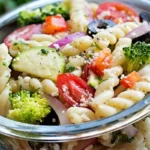
Summer Vegetable Pasta Salad
- Total Time: 20 minutes
- Yield: 8 servings 1x
- Diet: Vegetarian
Description
This fresh Summer Vegetable Pasta Salad is a versatile side with pasta, garden veggies, and a light dressing, ready in just 20 minutes! It’s perfect for picnics or a quick meal.
Ingredients
- 1 lb pasta
- 1 cup cherry tomatoes, halved
- 1 yellow squash, cut in half lengthwise then sliced
- 1 zucchini, cut in half lengthwise then sliced
- 1 large head of broccoli, cut into florets
- 1/2 medium red onion, diced or sliced
- 2/3 cup red bell peppers or roasted red peppers, diced
- 1 (2.25 oz) can sliced black olives
- 2/3 cup Italian dressing
- 1/4 cup grated parmesan
- 2 Tbsp freshly minced parsley
- 1/2 tsp garlic powder
- 1/4 tsp paprika
- 1/4 tsp kosher sea salt
- 1/4 tsp freshly ground black pepper
Instructions
- Step: Place a large pot of water over high heat, and bring to a boil. Add the pasta and cook until al dente according to the package directions. Drain and set aside.
- Step: Meanwhile, prep the veggies, then in a medium bowl, whisk together the dressing, parmesan, parsley, garlic powder, paprika, salt, and black pepper.
- Step: In the large pot, combine the pasta, veggies, and dressing. Stir until combined. Serve immediately or cover and refrigerate until ready to serve.
Notes
Feel free to add chopped avocado—just do it right before you plan on serving! Store leftovers in an airtight container in the refrigerator for 3-5 days. This salad does not freeze well.
- Prep Time: 12 minutes
- Cook Time: 8 minutes
- Category: Side Dish
- Method: Boiling
- Cuisine: American
Nutrition
- Serving Size: 1 serving
- Calories: 289 kcal
- Sugar: 4 g
- Sodium: 2204 mg
- Fat: 2 g
- Saturated Fat: 1 g
- Unsaturated Fat: 0.7 g
- Trans Fat: 0 g
- Carbohydrates: 56 g
- Fiber: 3 g
- Protein: 9 g
- Cholesterol: 3 mg
Keywords: pasta salad, summer side dish, vegetable salad, vegetarian pasta, quick meal