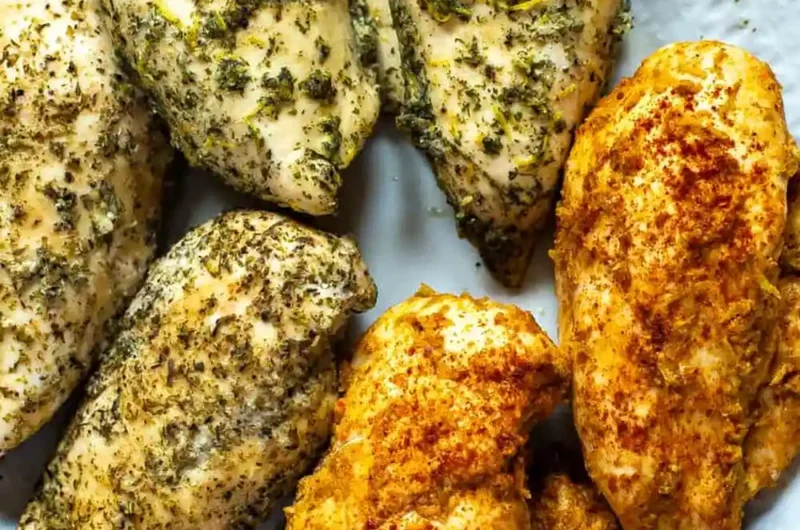
Cooking boneless, skinless chicken breasts in an electric pressure cooker is a game-changer for busy weeknights when you need consistent, succulent results. This foolproof method uses steam to lock in moisture, ensuring your poultry never turns out dry or stringy. By utilizing a trivet, the meat stays tender while absorbing the vibrant flavors of your chosen seasoning blend.
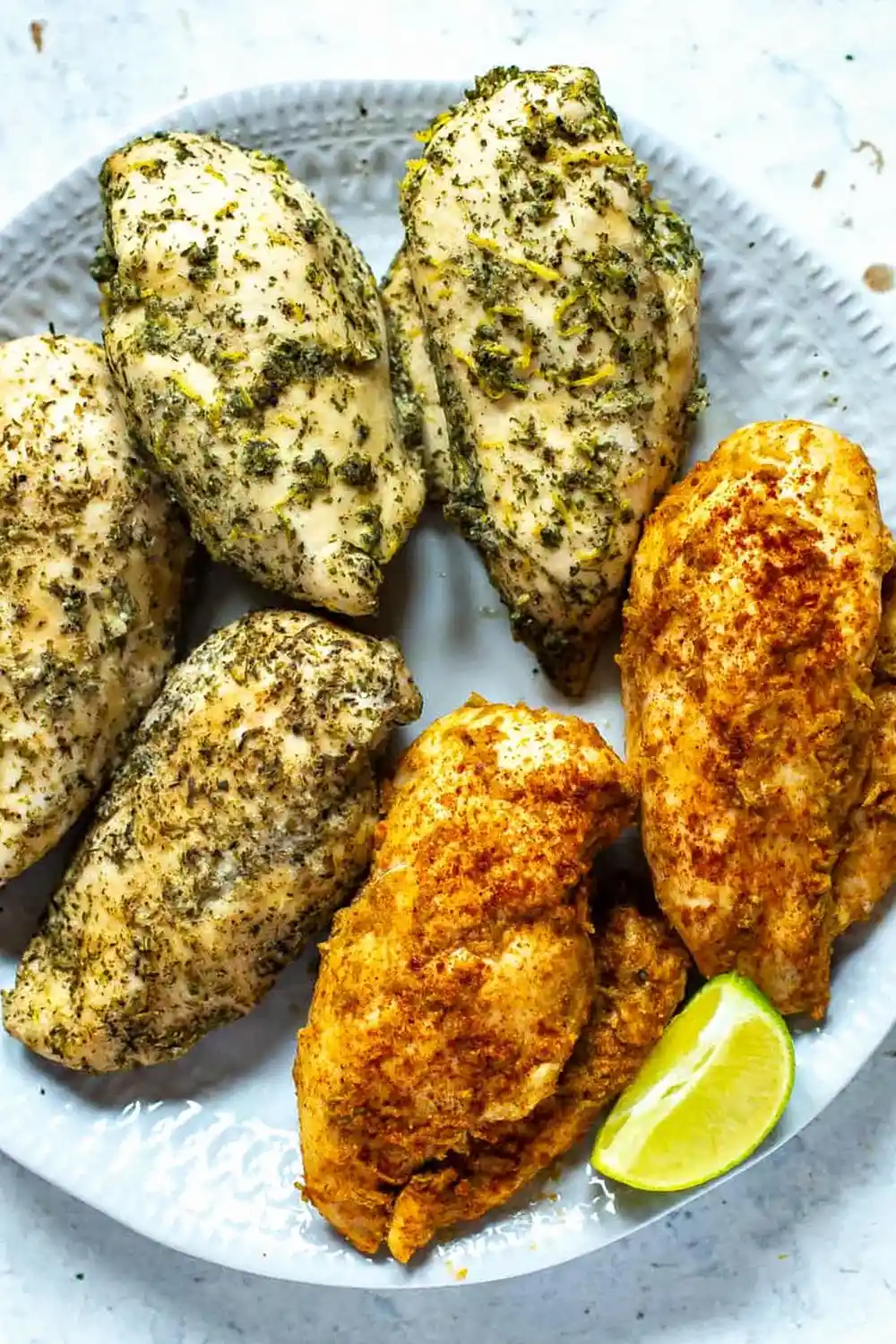
List of ingredients
- 1 tsp olive oil
- 2 medium-sized boneless skinless chicken breasts
- 1/2 cup water
- 2 tsp Italian seasoning
- 1 tsp garlic powder
- 1 tsp onion powder
- 1/4 tsp each salt and pepper
- 2 tsp chili powder
- 1 tsp garlic powder
- 1 tsp lime zest
- 1/4 tsp salt
- 1 tsp garlic powder
- 1 tsp onion powder
- 1 tsp lemon zest
- 1 tsp dried parsley
- 1 tsp dried dill
- 1/4 tsp each salt and pepper
step-by-step instructions
- Step: Season 2 chicken breasts with the seasoning mix of your choice, rubbing the chicken all over with the spices and olive oil.
- Step: Add water and a trivet to the Instant Pot and place the seasoned breasts on top.
- Step: Press the pressure cook button and select the high setting, then set to cook for 5 minutes (add 1 minute for larger breasts).
- Step: Perform a quick release of the pressure once the chicken has finished cooking by carefully opening the steam valve, then open the lid when safe to do so.
Keys to Succulent Pressure Cooker Chicken
Avoid Overcrowding the Pot
While this recipe works well with multiple breasts, avoid stacking them excessively, which can create uneven cooking zones. Keeping the chicken in a single layer on the trivet allows steam to circulate freely around each piece, resulting in consistent texture from top to bottom.
The Role of Quick Pressure Release
Executing a quick release immediately after the timer sounds is vital because it stops the residual carryover cooking. Letting the pressure release naturally can cause the chicken to continue cooking in the trapped steam, leading to a dry and rubbery texture that is difficult to fix once it occurs.
Achieving Uniform Thickness
Chicken breasts are rarely perfectly symmetrical, often featuring a thick end and a thin tip. Briefly pounding the thicker portion with a meat mallet to match the rest of the fillet ensures the entire piece finishes at the same time, preventing the thin edges from becoming overdone.
Customizing Your Flavor Profiles
Why Zest Matters
When using dry seasoning mixes, incorporating fresh citrus zest like lime or lemon provides a bright, acidic lift that cuts through the mild flavor of white meat. The oils in the zest are potent, so rub them into the chicken alongside the dried herbs to maximize the aromatic qualities during the pressure cooking process.
Layering Savory Spices
Garlic and onion powders are essential because they act as the base foundation for most poultry dishes, providing a deep, savory aroma that doesn’t burn like fresh garlic might under pressure. Combining these with dried herbs like parsley and dill creates a layered taste experience that feels more complex than a single-spice seasoning.
Serving Suggestions for Busy Schedules
Transforming Into Shredded Salads
Once the chicken has rested for a few minutes, use two forks to shred the warm meat directly into a bowl. This base is perfect for adding mayonnaise, celery, and grapes for a quick chicken salad or for folding into pasta dishes with a light vinaigrette.
Creating Balanced Bowls
Pairing these chicken breasts with pre-steamed broccoli or roasted baby potatoes creates a complete, macro-friendly meal in under twenty minutes. You can also slice the chicken and place it over a bed of cilantro lime rice, drizzling a bit of the pan juices over the top to keep everything moist.
Storage and Efficiency Advice
Managing Leftover Poultry
Store any remaining cooked chicken in an airtight glass container to preserve its moisture levels in the refrigerator for up to 4 days. If the meat seems slightly dry upon removal, brush it with a tiny amount of water or olive oil before placing it in the microwave for a short burst.
Strategic Freezing Techniques
You can season raw chicken and freeze it in a flat-lay vacuum seal bag, which saves time when you are ready to cook. If freezing pre-cooked portions, ensure they are cooled completely to room temperature before bagging to prevent ice crystals from forming, which can degrade the chicken texture upon thawing.
Frequently Asked Questions
Can I cook the chicken directly in the water?
It is not recommended to boil the chicken directly in the liquid as it causes the meat to become waterlogged and lose its distinct flavor profile. Using a trivet ensures the chicken cooks through the moisture-rich environment of the steam while maintaining a firm, sliceable structure.
Why does the recipe advise against the poultry setting?
Most pressure cookers have a factory-preset poultry button that defaults to a long duration, which is typically far too intense for boneless breasts. Manually setting your machine to high pressure for 5 minutes gives you precise control, preventing the meat from becoming stringy or overly tough.
Can I add vegetables to the bottom of the pot?
While you can place hearty vegetables like carrots or potatoes at the bottom with the water, keep in mind they may absorb the seasonings from the chicken. If you prefer pure flavors, stick to using only the required water under the trivet and steam vegetables separately or in a separate steaming basket.
How do I know the chicken is safe to eat?
Always verify the internal temperature of the thickest part of the breast reaches 165 degrees Fahrenheit using a calibrated meat thermometer. Relying on visual cues like white centers is less accurate than checking the temperature to ensure you are cooking safely and efficiently.
Should I rinse the chicken before seasoning?
You should never rinse raw chicken before cooking, as this risks spreading bacteria throughout your workspace. The high-pressure environment of the cooking process will reach the necessary temperature to sanitize the meat entirely, so simply patting it dry with a paper towel is sufficient.
Print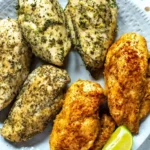
Instant Pot Chicken Breast {3 Ways}
- Total Time: 15 minutes
- Yield: 2 servings 1x
- Diet: Gluten-Free
Description
This Instant Pot Chicken Breast recipe is a foolproof method of making juicy chicken breasts – choose from three delicious seasonings!
Ingredients
- 1 tsp olive oil
- 2 medium-sized boneless skinless chicken breasts
- 1/2 cup water
- 2 tsp Italian seasoning
- 1 tsp garlic powder
- 1 tsp onion powder
- 1/4 tsp each salt and pepper
- 2 tsp chili powder
- 1 tsp garlic powder
- 1 tsp lime zest
- 1/4 tsp salt
- 1 tsp garlic powder
- 1 tsp onion powder
- 1 tsp lemon zest
- 1 tsp dried parsley
- 1 tsp dried dill
- 1/4 tsp each salt and pepper
Instructions
- Step: Season 2 chicken breasts with the seasoning mix of your choice, rubbing the chicken all over with the spices and olive oil.
- Step: Add water and a trivet to the Instant Pot and place the seasoned breasts on top.
- Step: Press the pressure cook button and select the high setting, then set to cook for 5 minutes (add 1 minute for larger breasts).
- Step: Perform a quick release of the pressure once the chicken has finished cooking by carefully opening the steam valve, then open the lid when safe to do so.
Notes
Thaw frozen chicken in the Instant Pot by adding 1/2 cup of water below the trivet and cooking on high pressure for 3 minutes. For bone-in, skin-on chicken breasts, cook on high pressure for 10 minutes. Leftovers can be stored in the fridge for 3-4 days or frozen for up to 3 months.
- Prep Time: 5 minutes
- Cook Time: 10 minutes
- Category: Chicken
- Method: Pressure Cooking
- Cuisine: American
Nutrition
- Serving Size: 1 breast
- Calories: 155 kcal
- Sugar: 0 g
- Sodium: 77 mg
- Fat: 4 g
- Saturated Fat: 1 g
- Unsaturated Fat: 3 g
- Trans Fat: 0 g
- Carbohydrates: 2 g
- Fiber: 0 g
- Protein: 28 g
- Cholesterol: 69 mg
Keywords: Chicken Breast, Instant Pot, Healthy, Poultry