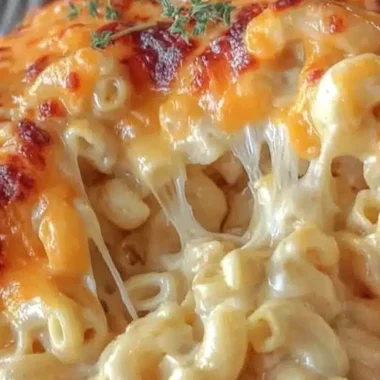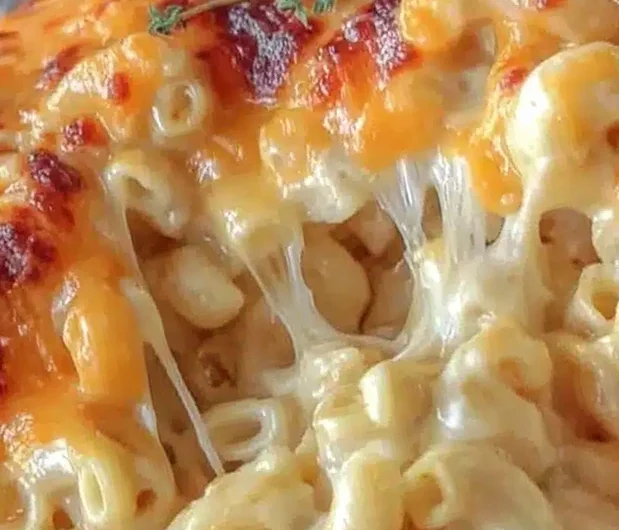
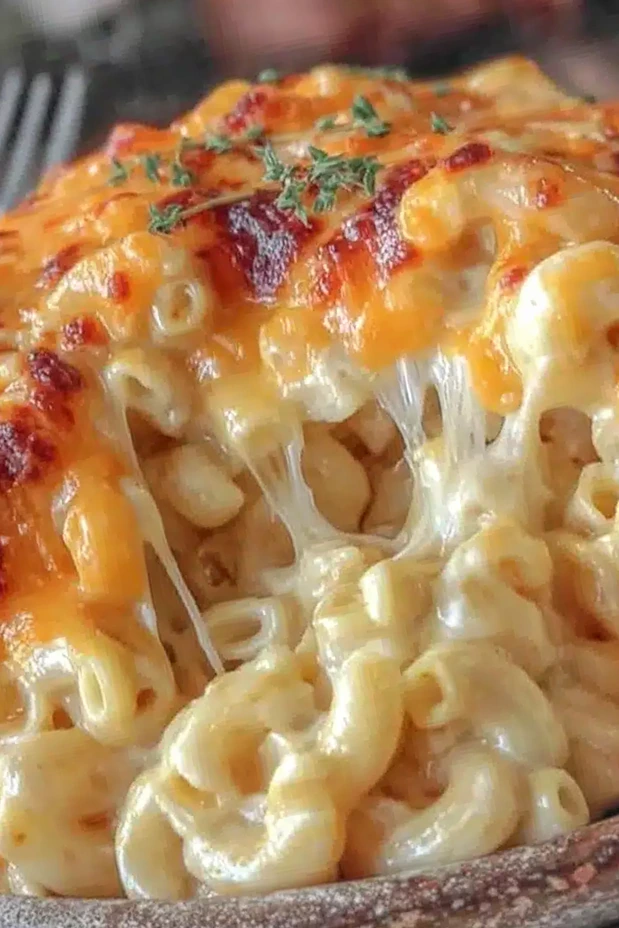
Creating a velvety, restaurant-style macaroni and cheese at home does not require constant monitoring of a stovetop pot. This slow cooker method ensures a rich, creamy texture by utilizing a combination of high-quality cheeses and a gentle, low-heat cooking process. It is an ideal solution for busy households seeking a reliable, crowd-pleasing comfort meal that develops deep flavor while you attend to other tasks.
List of ingredients
- 12 oz elbow macaroni
- 4 cups shredded sharp cheddar cheese
- 8 oz cream cheese, softened
- 2 cups whole milk
- 4 tbsp unsalted butter
- 1 cup evaporated milk
- 1 tbsp yellow mustard
- 1 tsp onion powder
- Salt and pepper to taste
step-by-step instructions
- Step: Bring a large pot of salted water to a boil, add elbow macaroni and cook for about 4 minutes until just under al dente. Drain and toss immediately with softened butter in a mixing bowl.
- Step: In the crockpot, combine milk, evaporated milk, softened cream cheese, shredded cheddar, mustard, onion powder, salt, and pepper. Stir gently to mix.
- Step: Add the buttered pasta to the crockpot and stir gently to combine with the cheese sauce.
- Step: Cover and cook on low for 2 to 3 hours, stirring every 30-45 minutes to prevent sticking. If sauce is too thick, add a splash of milk and stir.
- Step: Before serving, taste and adjust salt and pepper as needed. Serve hot.
Refining Your Slow Cooker Technique
Why Parboiling Matters for Pasta Integrity
Adding raw pasta directly to a slow cooker often leads to inconsistent results where some pieces become mushy while others remain chalky. By parboiling the elbow macaroni for four minutes, you ensure that the starch is properly hydrated but still firm enough to withstand the slow cooking process. This approach is the most effective way to achieve a uniform texture throughout the entire pot.
Selecting the Right Cheese for Melting
The success of a creamy sauce relies heavily on the type of cheese chosen and how it is processed. Sharp cheddar provides the necessary flavor, but it must be shredded from a solid block to avoid the anti-caking agents found in pre-shredded bags. These agents inhibit proper melting and often result in a grainy, separated sauce rather than a smooth, velvety coating.
Managing Sauce Density and Moisture
The inclusion of evaporated milk is intentional; it contains less water than regular milk and provides a higher concentration of milk solids. This helps the sauce hold onto the pasta during the cooking process. If you find the sauce becoming too thick toward the end of the cycle, always add liquid in small, one-tablespoon increments to avoid over-diluting the rich flavor profile.
Practical Ingredient Adjustments
Alternative Options for Tangy Profiles
While yellow mustard is the standard choice for this recipe, you can experiment with other savory additions to influence the flavor of the base. A small amount of Dijon mustard offers a more sophisticated, slightly spicy profile, while a teaspoon of garlic powder can be added alongside the onion powder for a more complex aromatic foundation. Ensure any additional dry spices are whisked thoroughly into the milk mixture before adding the pasta to prevent localized clumps.
Dairy Substitution Considerations
This recipe relies on the high fat content of whole milk and cream cheese for its luxurious mouthfeel. If you only have access to lower-fat milk, you may notice that the sauce is thinner and requires a longer reduction time. To compensate, consider adding a tablespoon of cornstarch mixed with a little cold milk into the slow cooker during the final thirty minutes of cooking to help thicken the sauce properly.
Flavor Enhancements and Variations
Incorporating Smoked Paprika or Hot Sauce
To add a hidden layer of complexity that keeps guests guessing, try whisking a quarter-teaspoon of smoked paprika into the cheese sauce before adding the pasta. The smokiness complements the sharp cheddar beautifully without becoming the dominant flavor. A few drops of hot sauce, such as a vinegar-based cayenne variety, will also brighten the dish and help cut through the richness of the dairy.
Adding Roasted Vegetables for Texture
For those who prefer a more complete meal, you can stir in roasted red peppers or steamed broccoli florets during the final half-hour of the cooking cycle. These additions should be pre-cooked, as the slow cooker’s primary function here is to maintain the sauce’s heat rather than cook raw vegetables through. Be sure to drain any excess moisture from the vegetables before adding them to prevent the sauce from thinning.
Storage and Reheating Requirements
Methods for Proper Refrigeration
If you have leftovers, allow the mac and cheese to cool to room temperature within two hours before transferring it to an airtight glass or plastic container. Properly stored, the dish will remain safe to consume for up to four days in the refrigerator. The pasta will naturally absorb more of the sauce as it cools, so expect a slightly thicker consistency when you remove it from the fridge.
Reviving the Texture During Reheating
Reheating macaroni and cheese requires patience to ensure the sauce returns to its original creamy state. Whether using a microwave or a stovetop, always add a splash of milk or a small pat of butter to the container before heating. If using the stovetop, place the pasta in a saucepan over medium-low heat and stir constantly until the sauce loosens and the noodles are heated through. Avoid high heat, which can cause the cheese proteins to separate and result in an oily pool at the bottom of the pan.
Frequently Asked Questions
Can I successfully use a different pasta shape?
Yes, any dense, short pasta shape will work effectively with this cheese sauce. Cavatappi, small shells, or medium rigatoni are excellent alternatives because their shapes are designed to capture and hold thick sauces, ensuring every mouthful is balanced.
Why should I avoid freezing this specific dish?
The primary reason to avoid freezing this recipe is the nature of the dairy-based sauce combined with the cooked pasta. Upon thawing, the water trapped inside the pasta noodles is released, and the cheese emulsion often breaks, leading to a watery, grainy, and unappealing texture that cannot be easily restored regardless of the reheating method.
Is it necessary to stir the dish so frequently?
Stirring at 30 to 45-minute intervals is essential because slow cookers tend to generate the most heat along the lower exterior edges. Without periodic agitation, the cheese sauce in those areas can overheat and burn, leading to an acrid taste that will permeate the entire batch. Consistent stirring ensures the heat is distributed evenly and the sauce remains smooth.
Can this recipe be prepared in a smaller slow cooker?
If your slow cooker is smaller than 6 quarts, you should scale the recipe down by half to ensure there is enough room for heat circulation. Overfilling a small slow cooker will lead to uneven cooking, where the edges are cooked extensively while the center remains cool and potentially underdone.
What should I do if the cheese begins to separate?
If you notice the sauce appearing oily or separated, it is often an indicator that the heat was too high or it has been cooked for too long. Remove the lid immediately and vigorously stir the mixture for one minute to attempt to re-emulsify the fats and proteins. If it remains separated, try adding a small amount of warm milk and stirring continuously until the sauce stabilizes.
Print
Easy Slow Cooker Macaroni and Cheese
- Total Time: PT3H30M
- Yield: 6 servings 1x
- Diet: Vegetarian
Description
A creamy, cheesy, and perfectly cooked mac and cheese made effortlessly in the crockpot. This recipe is ideal for busy days when you want comfort food without the fuss.
Ingredients
- 12 oz elbow macaroni
- 4 cups shredded sharp cheddar cheese
- 8 oz cream cheese, softened
- 2 cups whole milk
- 4 tbsp unsalted butter
- 1 cup evaporated milk
- 1 tbsp yellow mustard
- 1 tsp onion powder
- Salt and pepper to taste
Instructions
- Step: Bring a large pot of salted water to a boil, add elbow macaroni and cook for about 4 minutes until just under al dente. Drain and toss immediately with softened butter in a mixing bowl.
- Step: In the crockpot, combine milk, evaporated milk, softened cream cheese, shredded cheddar, mustard, onion powder, salt, and pepper. Stir gently to mix.
- Step: Add the buttered pasta to the crockpot and stir gently to combine with the cheese sauce.
- Step: Cover and cook on low for 2 to 3 hours, stirring every 30-45 minutes to prevent sticking. If sauce is too thick, add a splash of milk and stir.
- Step: Before serving, taste and adjust salt and pepper as needed. Serve hot.
Notes
Partially cooking the pasta before adding to the crockpot is crucial to avoid mushy noodles. Stir every 30-45 minutes during cooking to prevent sticking and burning. Use full-fat dairy for best creaminess. Freshly shred cheese for better melting. Add a dash of hot sauce or smoked paprika for a subtle kick if desired.
- Prep Time: PT30M
- Cook Time: PT3H
- Category: Main Course
- Method: Slow Cooker
- Cuisine: American
Nutrition
- Serving Size: 1 cup
- Calories: 450 kcal
- Sugar: 6 g
- Sodium: 550 mg
- Fat: 28 g
- Saturated Fat: 17 g
- Unsaturated Fat: 9 g
- Trans Fat: 0 g
- Carbohydrates: 35 g
- Fiber: 1 g
- Protein: 18 g
- Cholesterol: 85 mg
Keywords: crockpot mac and cheese, easy mac and cheese, Paula Deen recipe, comfort food, slow cooker mac and cheese, creamy mac and cheese