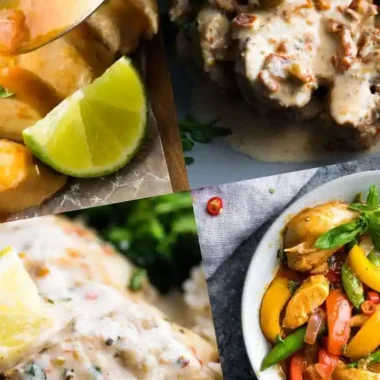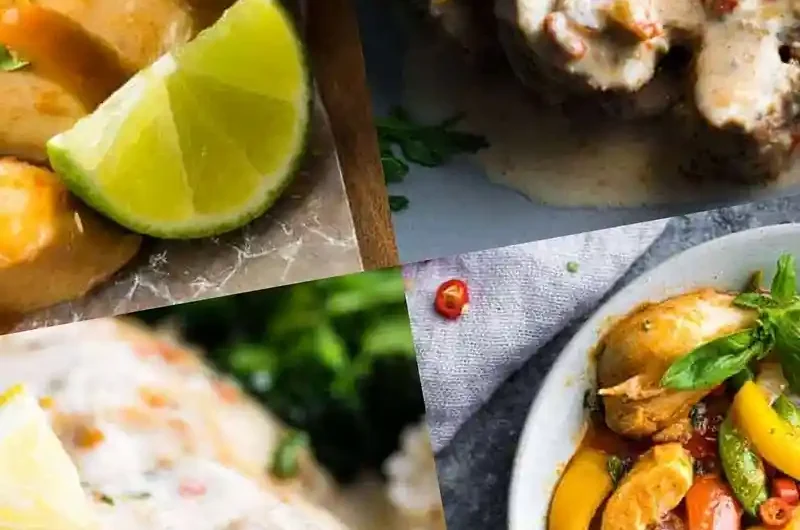
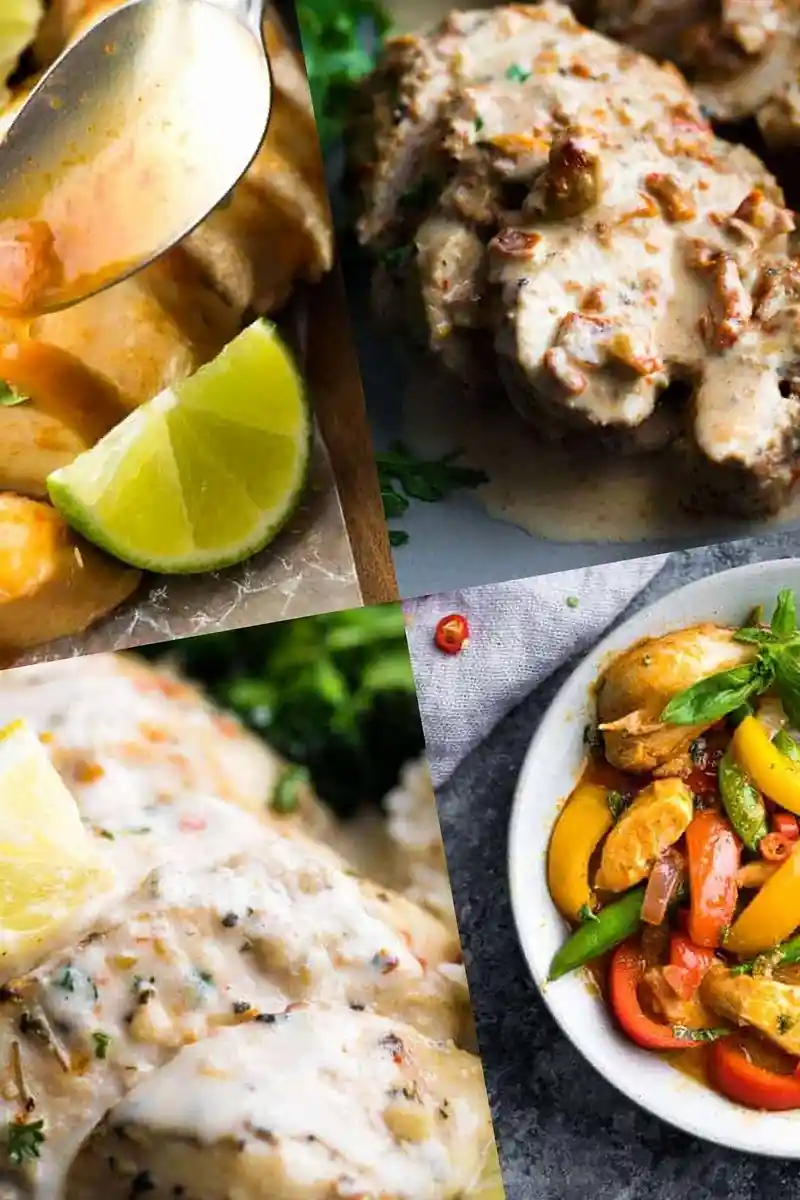
Cooking boneless, skinless chicken breasts in a pressure cooker is a transformative method that ensures moisture retention and flavor depth without the need for an oven. This guide provides a foundational technique for achieving succulent results alongside seven versatile seasoning combinations to keep your weekly meal planning fresh and exciting. By mastering the balance of liquid ratios and pressure-cooking times, you can turn a simple staple into a gourmet dinner in under thirty minutes.
List of ingredients
- 1/2 teaspoon dried oregano
- 1/2 teaspoon dried basil
- 1/4 teaspoon red pepper flakes
- 4 cloves garlic (minced)
- 1 cup chicken stock
- 1 lb boneless skinless chicken breasts
- 2 tablespoons lemon juice
- 1/4 cup parmesan cheese (freshly grated)
- 3/4 cup heavy cream
- 1/3 cup sun dried tomatoes (drained and chopped)
- 1 can coconut milk (400 mL)
- 2 tablespoons red curry paste
- 3 tablespoons vegetable-based savory umami sauce
- 3 tablespoons brown sugar
- 1 tablespoon lime juice
- 1/4 cup sweet chili sauce
- 2 tablespoons reduced sodium soy sauce
- 1/3 cup reduced sodium soy sauce
- 1/3 cup water or stock
- 1/4 cup brown sugar
- 2 tablespoons fresh ginger (finely chopped)
- 1 tablespoon sesame oil
- 2 teaspoons cornstarch
- 1/4 cup honey
- 1 tablespoon sesame seeds
- 3 tablespoons adobo sauce
- 1 chipotle pepper (optional)
step-by-step instructions
- Combine: Place ingredients (excluding those listed for ‘after cooking’) into the Instant Pot.
- Pressure Cook: Cook on high pressure for 8 minutes.
- Release: Perform a quick pressure release once the timer ends.
- Rest: Remove chicken and allow to rest while preparing sauces or veggies.
- Reduce/Finish: Select ‘sautee’ to reduce sauces, thicken with cornstarch slurries, or cook added vegetables for 3-5 minutes as required by the specific flavor variation.
Understanding Pressure Cooker Dynamics
Optimizing Liquid Ratios for Steam Production
The success of this recipe relies on the generation of consistent steam to reach the required pressure level. A standard six-quart pressure cooker requires a minimum of one cup of thin liquid to function correctly, while an eight-quart model often needs one and a half cups. Always avoid using overly thick liquids like concentrated barbecue sauces or heavy purees as the primary cooking medium, as these increase the risk of the device triggering a burn sensor.
Adapting Cooking Times for Varying Protein Sizes
Internal density and protein size drastically change how quickly your food reaches its ideal temperature of 165°F. A five-ounce breast generally requires only six minutes of high pressure, while a larger ten-ounce portion needs ten minutes to ensure the center is fully cooked. Relying on a digital meat thermometer provides the most accurate confirmation of doneness and prevents the common mistake of over-relying on internal timers alone.
Practical Guidance for Flavor Customization
Scaling the Heat in Spicy Preparations
When preparing the Thai Red Curry or Chipotle Lime variations, the spice level is highly adjustable based on your preference. Start with the lower recommended amount of red curry paste or adobo sauce, then taste your sauce during the reduction stage to decide if additional heat is necessary. Adding more chili paste or extra chipotle pepper early in the process creates a more complex, layered heat that permeates the meat during the high-pressure cycle.
Balancing Sweet and Savory Profiles
Many of the flavor variations, such as the Honey Sesame or Soy Ginger, rely on a delicate balance of sugars and salts. If you find a recipe leans too sweet for your palate, increase the quantity of fresh lime juice or ginger to provide a sharp, acidic contrast. This adjustment cuts through the sweetness of honey or brown sugar, resulting in a more balanced sauce that complements steamed rice or fresh steamed greens served alongside the chicken.
Effective Storage and Reheating Methods
Managing Leftovers for Future Meals
Once fully cooked, chicken breasts can be stored in an airtight container in the refrigerator for up to four days without losing significant texture. For longer storage, you can freeze the chicken alongside its sauce in freezer-safe bags for up to three months. When freezing, ensure the chicken is completely submerged in the sauce to prevent freezer burn and to keep the fibers hydrated during the thawing process.
Best Practices for Gentle Reheating
To avoid drying out the chicken during reheating, avoid using high-heat methods like long bursts in the microwave. Instead, place the chicken and sauce into a small saucepan over low heat, adding a splash of chicken stock or water to replenish any moisture lost during storage. Covering the pan traps the steam and helps the chicken regain its original, tender consistency within three to five minutes of gentle warming.
Addressing Common Cooking Hurdles
What to Do If Chicken Stays Underdone
If your digital thermometer registers below 165°F after the initial pressure release, simply return the lid to the pot and set it for an additional two minutes on high pressure. Because the liquid in the pot is already hot, the unit will return to pressure almost instantly. This quick supplemental cycle is usually all that is needed to bring the core of the chicken to a safe, fully cooked state without compromising the exterior texture.
Preventing the Sauces from Separating
When incorporating dairy products like heavy cream or parmesan into your sauce, it is critical to perform this step after the pressure cycle is complete and the ‘sauté’ function is active. High pressure can cause dairy to curdle, resulting in a grainy texture rather than a smooth, cohesive glaze. Always remove the inner pot from the base when adding the final ingredients to ensure the heat remains gentle enough to melt the cheese without breaking the cream emulsion.
Frequently Asked Questions
Can I cook chicken directly from frozen?
Yes, you can safely cook chicken breasts from frozen, though you must extend the cooking time to twelve minutes at high pressure. Ensure the breasts are not clumped together; if they are frozen in a block, cook for two minutes first, then use a quick release to separate them before cooking for the remaining ten minutes.
Does the type of chicken stock matter?
Using a high-quality, reduced-sodium chicken stock allows you to control the total salt content of your finished dish more effectively. Since many of the sauce reductions concentrate the flavors, a standard or high-sodium stock can sometimes make the final glaze taste too salty. If you only have regular stock, omit any additional salt until the final tasting stage of the cooking process.
Is it necessary to use a quick pressure release?
A quick pressure release is essential for chicken breasts because it stops the cooking process immediately once the meat reaches its target internal temperature. Allowing the pot to perform a natural pressure release for ten or fifteen minutes acts as an extension of the cooking cycle, which will almost certainly result in tough, dry, and overcooked poultry that lacks the desired juicy texture.
Print
Instant Pot Chicken Breast: Seven Distinct Flavor Profiles
- Total Time: PT30M
- Yield: 4 servings 1x
- Diet: High Protein
Description
How to cook the most juicy and delicious Instant Pot chicken breast, plus seven flavor options! Using the pressure cooker cooks your chicken breasts quickly, with no need for an oven, and they always come out perfectly.
Ingredients
- 1/2 teaspoon dried oregano
- 1/2 teaspoon dried basil
- 1/4 teaspoon red pepper flakes
- 4 cloves garlic (minced)
- 1 cup chicken stock
- 1 lb boneless skinless chicken breasts
- 2 tablespoons lemon juice
- 1/4 cup parmesan cheese (freshly grated)
- 3/4 cup heavy cream
- 1/3 cup sun dried tomatoes (drained and chopped)
- 1 can coconut milk (400 mL)
- 2 tablespoons red curry paste
- 3 tablespoons vegetable-based savory umami sauce
- 3 tablespoons brown sugar
- 1 tablespoon lime juice
- 1/4 cup sweet chili sauce
- 2 tablespoons reduced sodium soy sauce
- 1/3 cup reduced sodium soy sauce
- 1/3 cup water or stock
- 1/4 cup brown sugar
- 2 tablespoons fresh ginger (finely chopped)
- 1 tablespoon sesame oil
- 2 teaspoons cornstarch
- 1/4 cup honey
- 1 tablespoon sesame seeds
- 3 tablespoons adobo sauce
- 1 chipotle pepper (optional)
Instructions
- Combine: Place ingredients (excluding those listed for ‘after cooking’) into the Instant Pot.
- Pressure Cook: Cook on high pressure for 8 minutes.
- Release: Perform a quick pressure release once the timer ends.
- Rest: Remove chicken and allow to rest while preparing sauces or veggies.
- Reduce/Finish: Select ‘sautee’ to reduce sauces, thicken with cornstarch slurries, or cook added vegetables for 3-5 minutes as required by the specific flavor variation.
Notes
Cook time is based on 7 oz chicken breasts. Adjust to 6 minutes for 5 oz breasts or 10 minutes for 10 oz breasts. Always ensure internal temperature reaches 165°F.
- Prep Time: PT10M
- Cook Time: PT20M
- Category: Dinner
- Method: Pressure Cooking
- Cuisine: American
Nutrition
- Serving Size: 1 breast
- Calories: 380 kcal
- Sugar: 8 g
- Sodium: 450 mg
- Fat: 18 g
- Saturated Fat: 9 g
- Unsaturated Fat: 7 g
- Trans Fat: 0 g
- Carbohydrates: 12 g
- Fiber: 1 g
- Protein: 32 g
- Cholesterol: 110 mg
Keywords: Instant Pot, Chicken Breast, Meal Prep, Easy Dinner, Chicken Recipes