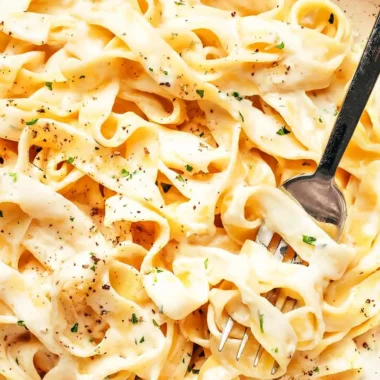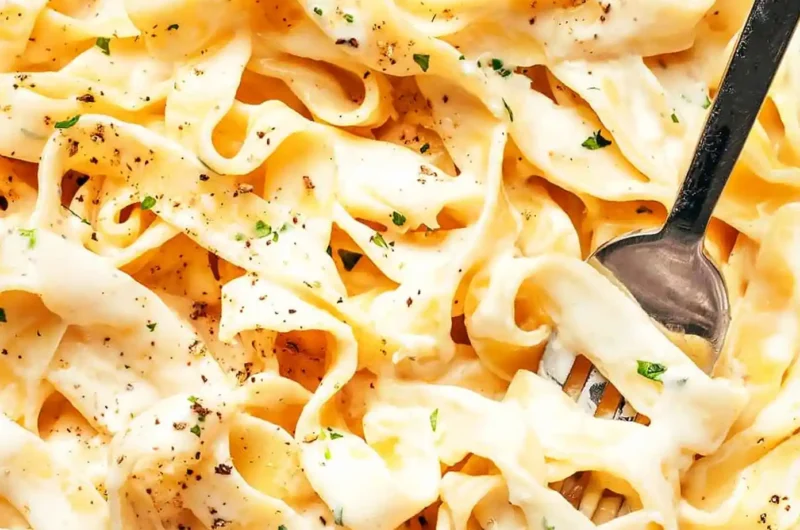
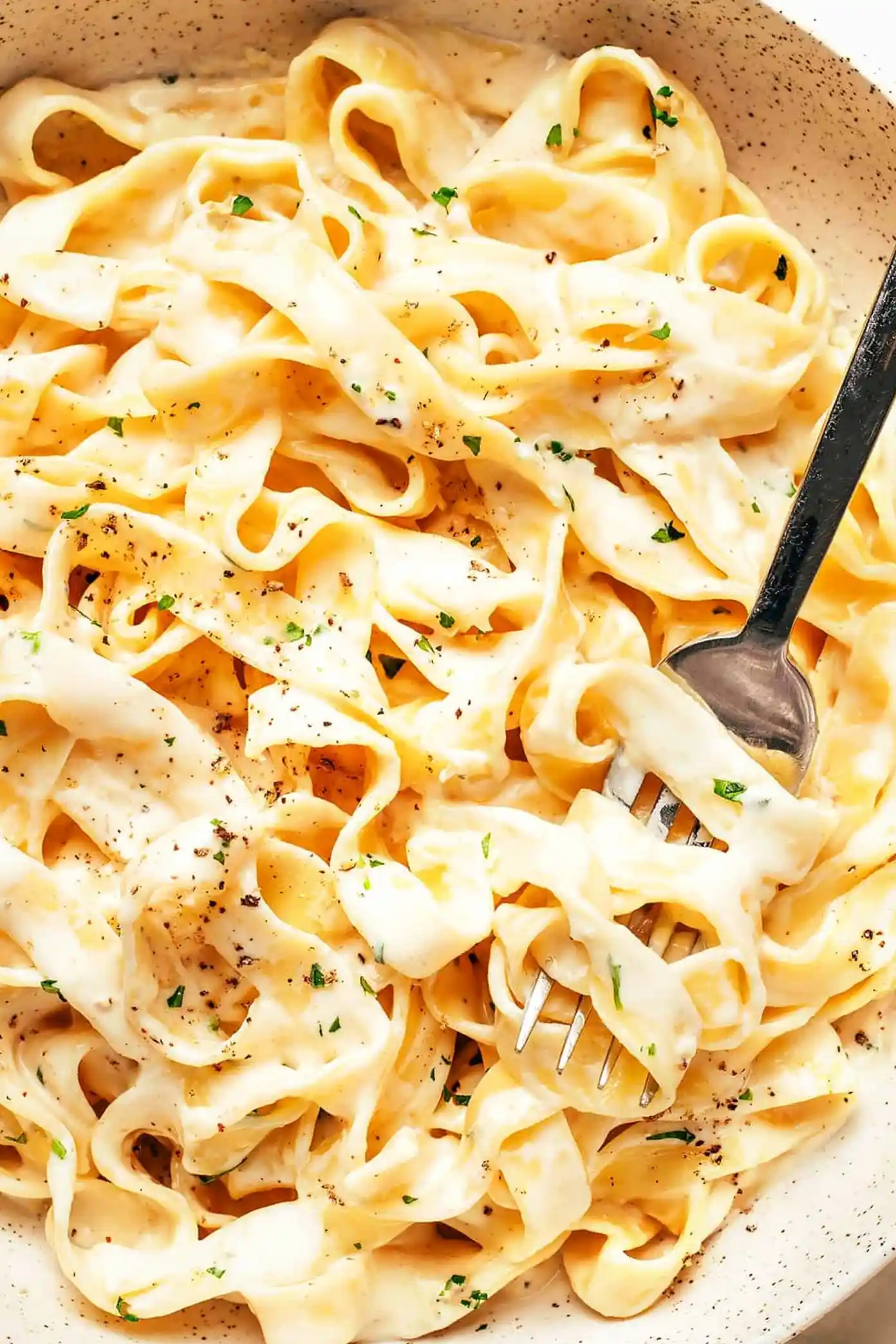
Making your own Alfredo sauce at home is a simple way to elevate any weeknight dinner with rich, restaurant-quality flavors. This recipe relies on a blend of cream, milk, and high-quality cheese to achieve a velvety texture that clings perfectly to pasta. It comes together in just 15 minutes, offering a convenient alternative to bottled versions while providing complete control over the depth of garlic and seasoning.
List of ingredients
- 1 tablespoon butter
- 4 cloves garlic (pressed or finely-minced)
- 1 tablespoon all-purpose flour
- 1 cup heavy cream
- 1 cup milk
- 1 cup freshly-grated Parmesan cheese
- 1/2 teaspoon fine sea salt
- pinch of white pepper
- pinch of ground nutmeg (optional)
step-by-step instructions
- Sauté garlic: Melt butter in a large saucepan or sauté pan over medium-high heat. Add garlic and sauté for 1 minute, stirring frequently. Stir in the flour and sauté for 1 minute more, stirring frequently.
- Add the milk and cream: Add in the heavy cream and milk and whisk until evenly combined.
- Simmer: Continue cooking until the mixture reaches a simmer. Reduce heat to medium-low and continue cooking for 1-2 minutes, until thickened. Add in the Parmesan, salt, white pepper and nutmeg, and whisk until the cheese is completely melted and the sauce is smooth.
- Season: Taste and season with extra salt and/or white pepper, if needed.
- Serve: Serve warm and enjoy!
Refining Your Sauce Technique
Prioritizing Freshly Grated Cheese
The texture of your sauce relies heavily on how well the cheese melts. Pre-grated cheese is coated in cellulose or starches to prevent clumping in the bag, which prevents it from becoming perfectly smooth when heated in a cream base. Always opt for a block of high-quality Parmesan and grate it yourself using a microplane or fine grater.
Managing Temperature During Thickening
High heat can cause dairy to curdle or the garlic to burn quickly. Always reduce the heat to medium-low once the sauce reaches a simmer to maintain a gentle cooking environment. This ensures the flour-thickened base stays emulsified and creamy rather than separating.
Selecting the Best Milk Fat Content
While this recipe suggests 2% milk, you can use whole milk for an even more decadent result. Avoid using skim milk, as the lack of fat can make the sauce feel thin or cause it to curdle more easily when combined with the acidity of the cheese. A higher fat content helps the sauce coat pasta strands more effectively.
Customizing Your Flavor Profile
Creating a Gluten-Free Option
If you need to avoid wheat, you can simply omit the flour. The sauce will naturally be thinner, but you can achieve a similar thickness by letting it simmer a bit longer or by whisking in a small amount of cornstarch mixed with cold water to avoid lumps. If using cornstarch, ensure you bring the sauce to a full boil for a moment to activate the thickening properties.
Adding Depth with Roasted Garlic
For a mellower and more complex garlic flavor, consider roasting a whole head of garlic in advance. Squeeze the soft, caramelized cloves into the butter instead of using raw minced garlic. This technique transforms the sauce, adding a slightly sweet, nutty dimension that pairs beautifully with the savory cheese.
Boosting the Sauce with Fresh Herbs
While classic Alfredo is clean and white, you can fold in chopped fresh parsley or chives at the very end. These herbs add a bright, fresh pop of color and a mild oniony or grassy note that cuts through the richness of the heavy cream and cheese. Add them just before serving to maintain their vibrant green color.
Practical Serving Suggestions
Pairing with Different Pasta Shapes
Fettuccine is the traditional choice because the long, flat ribbons hold a significant amount of sauce in every bite. However, penne or rigatoni are excellent alternatives because their hollow centers act like little scoops. Tortellini or ravioli also pair beautifully with this sauce, especially if they are filled with cheese or spinach.
Using the Sauce as a Pizza Base
Swap out the traditional red tomato sauce for this Alfredo recipe when making homemade white pizza. Brush it over your dough, top it with mozzarella, thinly sliced mushrooms, and grilled chicken for a sophisticated dinner. Ensure the sauce has cooled slightly before spreading it so it doesn’t make the dough soggy.
Storage and Reheating Guidelines
Refrigeration Essentials
Store any leftover sauce in an airtight container or a glass mason jar once it has cooled to room temperature. It will keep well in the refrigerator for up to 3 days. Because of the high dairy content, keep it in the coldest part of your fridge rather than the door to prevent spoilage.
Gently Reheating Without Splitting
When reheating, use a small saucepan over low heat and add a tiny splash of milk or water to help loosen the consistency. Do not microwave the sauce on high power, as the sudden heat can cause the fat to separate from the cheese, resulting in a greasy texture. Stir continuously until it returns to a smooth, pourable state.
Common Kitchen Solutions
Fixing a Grainy Sauce Texture
If your sauce looks grainy, it is usually due to the cheese being added at too high a temperature or using pre-grated cheese. To fix this, you can try whisking in a tablespoon of warm milk or cream vigorously to re-emulsify the sauce. If it remains grainy, it will still taste delicious even if the appearance is slightly compromised.
Adjusting Sauce Consistency
If the sauce becomes too thick while sitting, simply whisk in a small amount of warm milk or broth until it reaches your desired consistency. If it is too thin, continue to simmer it for an additional minute or stir in a little more grated Parmesan, which will thicken the mixture as it melts and incorporates into the liquid.
Balancing Salt Levels
Parmesan cheese can vary significantly in its natural saltiness depending on the age and brand. Always taste your sauce before adding the final measured salt. Start with a smaller amount, whisk, taste, and then add more only if the flavor profile requires it to bring out the brightness of the garlic and cream.
Identifying Proper Simmering
A proper simmer should show small, gentle bubbles breaking the surface occasionally. If the sauce is boiling rapidly, the dairy proteins may seize or the flour can create lumps. Use a heavy-bottomed pan if possible to distribute the heat evenly and prevent hot spots that lead to uneven thickening or scorching on the bottom.
Print
Homemade Creamy Alfredo Sauce
- Total Time: 15 minutes
- Yield: 4 servings 1x
- Diet: Vegetarian
Description
This homemade Alfredo sauce recipe is easy to make in just 15 minutes, it’s rich and creamy and full of the best garlicky flavors, and always ultra comforting and delicious.
Ingredients
- 1 tablespoon butter
- 4 cloves garlic (pressed or finely-minced)
- 1 tablespoon all-purpose flour
- 1 cup heavy cream
- 1 cup milk
- 1 cup freshly-grated Parmesan cheese
- 1/2 teaspoon fine sea salt
- pinch of white pepper
- pinch of ground nutmeg (optional)
Instructions
- Sauté garlic: Melt butter in a large saucepan or sauté pan over medium-high heat. Add garlic and sauté for 1 minute, stirring frequently. Stir in the flour and sauté for 1 minute more, stirring frequently.
- Add the milk and cream: Add in the heavy cream and milk and whisk until evenly combined.
- Simmer: Continue cooking until the mixture reaches a simmer. Reduce heat to medium-low and continue cooking for 1-2 minutes, until thickened. Add in the Parmesan, salt, white pepper and nutmeg, and whisk until the cheese is completely melted and the sauce is smooth.
- Season: Taste and season with extra salt and/or white pepper, if needed.
- Serve: Serve warm and enjoy!
Notes
This recipe yields enough sauce to toss with a 1-pound package of uncooked pasta. To store, let cool to room temperature, transfer to a container, and refrigerate for up to 3 days. Do not freeze.
- Prep Time: 5 minutes
- Cook Time: 10 minutes
- Category: Sauce
- Method: Stovetop
- Cuisine: Italian
Nutrition
- Serving Size: 1/4 of recipe
- Calories: 285 kcal
- Sugar: 3 g
- Sodium: 580 mg
- Fat: 24 g
- Saturated Fat: 14 g
- Unsaturated Fat: 8 g
- Trans Fat: 0 g
- Carbohydrates: 8 g
- Fiber: 0 g
- Protein: 9 g
- Cholesterol: 75 mg
Keywords: alfredo sauce, pasta sauce, italian sauce, creamy sauce