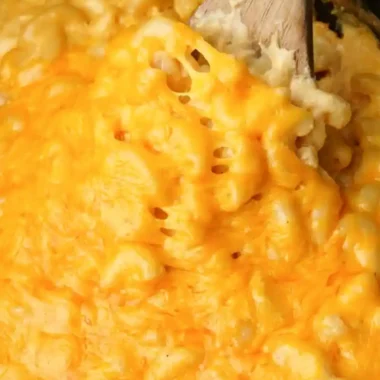
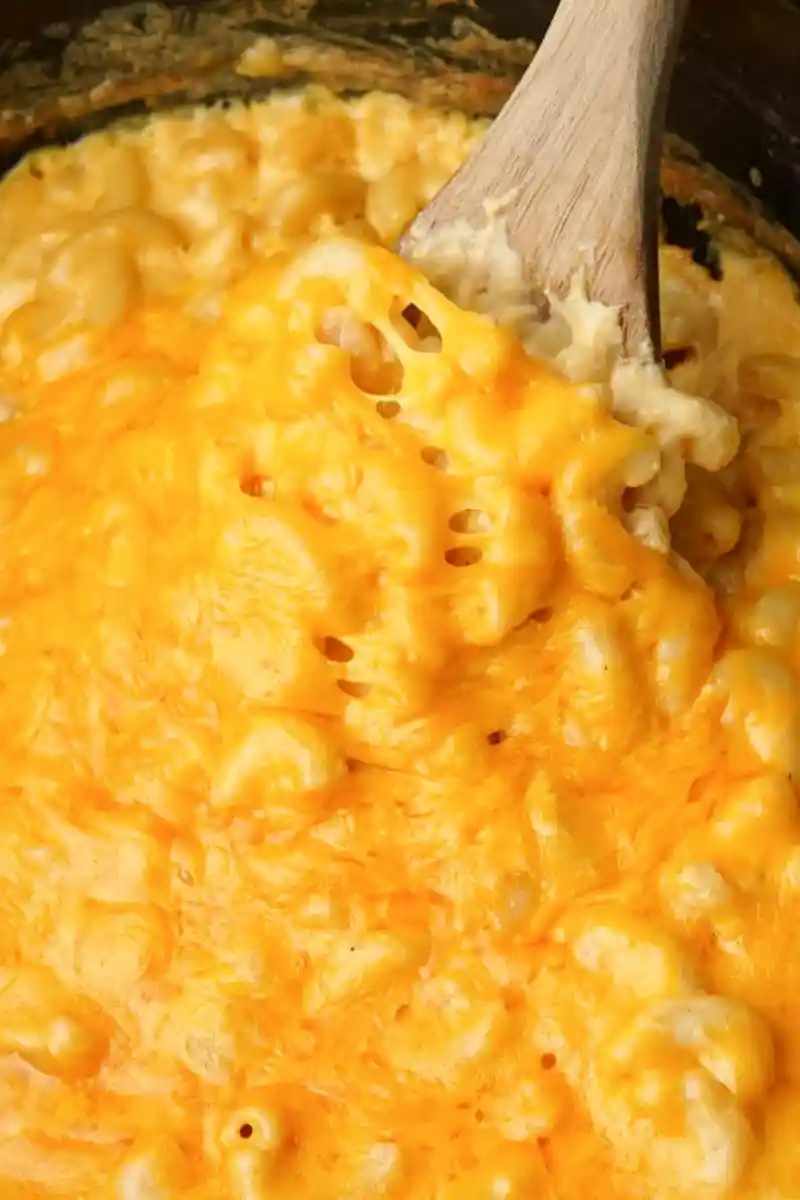
This slow cooker mac and cheese delivers a rich, velvety texture that is perfect for large gatherings or cozy family dinners. By utilizing a specific blend of cheeses and a set-it-and-forget-it approach, this method ensures consistently creamy results without needing to stand over a hot stove. It is a reliable, hands-off way to prepare a crowd-pleasing comfort food staple that remains smooth from the first scoop to the last.
List of ingredients
- 16 ounces elbow macaroni (uncooked)
- 2 ½ cups whole milk
- 12 ounces canned evaporated milk
- 8 ounces colby jack cheese (shredded from the block)
- 8 ounces mild cheddar cheese (shredded from the block, reserve 1/2 cup)
- 8 ounces velveeta cheese (cubed)
- 8 ounces cream cheese (cubed)
- 6 tablespoons unsalted butter
- 1 teaspoon salt
- 1 teaspoon ground black pepper
- 1/2 teaspoon ground mustard
step-by-step instructions
- Step 1: Bring a large pot of salted water to a boil. Cook the elbow macaroni for 5 to 6 minutes, until just al dente. Drain well and set aside.
- Step 2: Lightly spray the slow cooker insert with cooking spray.
- Step 3: Add the drained pasta, whole milk, evaporated milk, Colby Jack, Velveeta, cream cheese, butter, salt, pepper, and ground mustard to the slow cooker. Reserve ½ cup of the shredded cheddar for the end — add the rest now. Stir until everything is well combined.
- Step 4: Cover and cook on LOW for 2 hours, stirring at least once every hour. The sauce may look a little loose when you stir, which is normal. It will thicken as the pasta absorbs the liquid and the cheeses melt together.
- Step 5: After 2 hours, sprinkle the reserved ½ cup of shredded cheddar evenly over the top. Replace the lid and cook for 3 more minutes, until the cheese is melted.
- Step 6: Give it a good stir and serve straight from the slow cooker.
Keys to Consistent Texture
Why Shredding From the Block Matters
Pre-shredded cheese is coated in cellulose or other anti-caking agents that hinder the melting process. These powders can result in a grainy, uneven sauce that fails to achieve the desired silky mouthfeel. Spending a few extra minutes to grate cheese directly from a block ensures a uniform melt and a truly smooth sauce consistency.
The Role of Evaporated Milk
Evaporated milk is a concentrated dairy product with a higher protein and fat density compared to standard milk. It is crucial for this recipe because it helps stabilize the sauce and prevents it from separating into oil and solids over the long cooking period. This allows the sauce to remain thick and clingy rather than turning watery as the heat builds up in the basin.
Managing the Pasta Doneness
Timing the initial boil is vital because the pasta continues to absorb moisture throughout the slow cooker cycle. Pulling the noodles out of the boiling water at the five or six-minute mark ensures they reach the perfect texture as they finish in the cheese sauce. If the pasta is fully cooked before it hits the slow cooker, the final dish will inevitably become mushy and lose its bite.
Refining the Flavor Profile
Enhancing With Complementary Spices
While the recipe relies on ground mustard to brighten the flavor of the cheddar, you can adjust the profile to suit your palate. Adding a quarter teaspoon of smoked paprika introduces a subtle earthiness that pairs well with the creamy dairy. Alternatively, a pinch of garlic powder can be folded in at the beginning to provide an aromatic background note without overpowering the mild cheese flavors.
Balancing With Salt and Pepper
The seasoning requirements depend largely on the specific brand of cheese used, as sodium levels can fluctuate. Always taste the sauce during the final stir before serving to ensure the salt level meets your preference. Keep in mind that as the sauce cools, the intensity of the seasoning may slightly mellow, so a final adjustment right before plating is usually recommended.
Common Queries Addressed
Can I use a different type of pasta?
You can certainly substitute elbow macaroni for other short, sturdy shapes like cavatappi, shells, or rotini. These shapes have ridges or hollows that are excellent for trapping the thick cheese sauce, ensuring every bite is flavorful. Avoid using long noodles like spaghetti or linguine, as they tend to tangle and cook unevenly in the slow cooker.
Why should I avoid the High setting?
Using the HIGH heat setting creates a temperature environment that is too aggressive for the dairy and cheese components. Rapid heating often causes the fat to separate from the proteins, resulting in an oily, broken sauce that cannot be easily fixed. Sticking to the LOW setting is the most reliable way to maintain a gentle, consistent temperature that promotes smooth emulsification.
What is the benefit of adding cheese in stages?
Adding the reserved cheddar at the end creates a distinct, beautifully melted layer on the surface that serves as a visual and textural contrast. It also ensures that the very last portion of cheese added hasn’t been exposed to prolonged heat, preserving the sharp, fresh flavor of the cheddar. This two-stage approach provides a more complex culinary experience than adding all the cheese at once.
Can I add protein to this dish?
This recipe is highly versatile and can easily become a main course by incorporating precooked proteins. Diced chicken breast, sautéed ground turkey, or even cooked shrimp can be stirred in during the final thirty minutes of cooking. Ensure that any added protein is fully heated through before serving to keep the dish safe and satisfying.
Practical Serving and Storage Advice
Maintaining Temperature at Potlucks
When serving this at a party, the WARM setting is your best tool for keeping the texture intact. Once the cooking is complete, you can keep the insert in the slow cooker on the lowest heat setting for up to an hour. If the sauce begins to thicken due to extended time in the heat, stir in two tablespoons of warm milk or broth to restore the desired creaminess.
Proper Reheating Strategies
When reheating leftovers, the goal is to prevent the sauce from breaking. Adding a small splash of dairy—such as milk or even a little heavy cream—before heating on the stovetop over low heat helps rehydrate the noodles. For microwave reheating, use a microwave-safe bowl and heat in short 30-second bursts, stirring frequently to ensure the heat is distributed evenly throughout the mass of the pasta.
Storing for Future Meals
This recipe holds up exceptionally well in the refrigerator for up to five days when stored in an airtight container. Because the pasta will continue to absorb liquid even after cooling, the dish will likely be thicker upon removal from the fridge. Simply adding a small amount of liquid during the reheating process will return the dish to its original, velvety consistency without compromising the flavor. Do not store the dish in the original ceramic insert if you intend to move it into a smaller container for better refrigeration efficiency.
Print
Slow Cooker Mac and Cheese
- Total Time: 160 minutes
- Yield: 8 servings 1x
- Diet: Vegetarian
Description
Rich, creamy, and completely hands-off, this Slow Cooker Mac and Cheese uses a four-cheese blend for the smoothest, most comforting sauce. Just cook the pasta, add everything to the crockpot, and let it do the rest.
Ingredients
- 16 ounces elbow macaroni (uncooked)
- 2 ½ cups whole milk
- 12 ounces canned evaporated milk
- 8 ounces colby jack cheese (shredded from the block)
- 8 ounces mild cheddar cheese (shredded from the block, reserve 1/2 cup)
- 8 ounces velveeta cheese (cubed)
- 8 ounces cream cheese (cubed)
- 6 tablespoons unsalted butter
- 1 teaspoon salt
- 1 teaspoon ground black pepper
- 1/2 teaspoon ground mustard
Instructions
- Step 1: Bring a large pot of salted water to a boil. Cook the elbow macaroni for 5 to 6 minutes, until just al dente. Drain well and set aside.
- Step 2: Lightly spray the slow cooker insert with cooking spray.
- Step 3: Add the drained pasta, whole milk, evaporated milk, Colby Jack, Velveeta, cream cheese, butter, salt, pepper, and ground mustard to the slow cooker. Reserve ½ cup of the shredded cheddar for the end — add the rest now. Stir until everything is well combined.
- Step 4: Cover and cook on LOW for 2 hours, stirring at least once every hour. The sauce may look a little loose when you stir, which is normal. It will thicken as the pasta absorbs the liquid and the cheeses melt together.
- Step 5: After 2 hours, sprinkle the reserved ½ cup of shredded cheddar evenly over the top. Replace the lid and cook for 3 more minutes, until the cheese is melted.
- Step 6: Give it a good stir and serve straight from the slow cooker.
Notes
Cook pasta just to al dente (about 5 to 6 minutes) — it will continue cooking in the slow cooker. Always shred cheese from the block to avoid anti-caking agents. Cook on LOW only. Stir at least once an hour. Refrigerate leftovers in an airtight container for up to 4 to 5 days.
- Prep Time: 10 minutes
- Cook Time: 150 minutes
- Category: Main Course
- Method: Slow Cooking
- Cuisine: American
Nutrition
- Serving Size: 1 serving
- Calories: 780 kcal
- Sugar: 13 g
- Sodium: 1265 mg
- Fat: 47 g
- Saturated Fat: 28 g
- Unsaturated Fat: 19 g
- Trans Fat: 0.3 g
- Carbohydrates: 57 g
- Fiber: 2 g
- Protein: 34 g
- Cholesterol: 140 mg
Keywords: mac and cheese, slow cooker, pasta, cheesy, comfort food