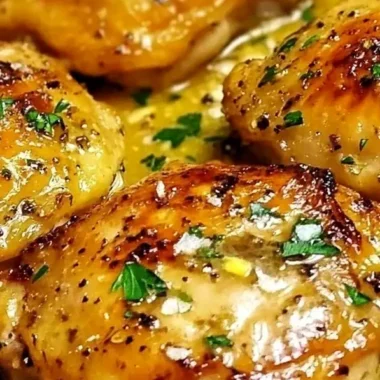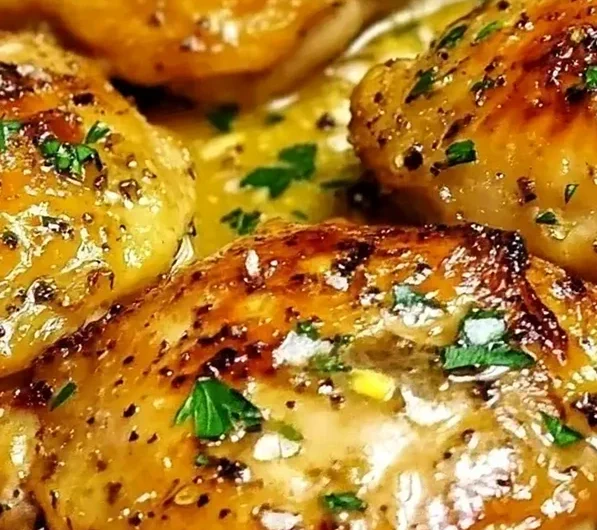
This recipe provides a straightforward method for creating professional-quality, golden-brown chicken thighs right in your own kitchen. By utilizing a high-heat sear followed by a flavorful pan sauce, you can achieve restaurant-standard results in under thirty minutes. The combination of aromatics and a velvety finish makes this an ideal choice for quick yet impressive meals.
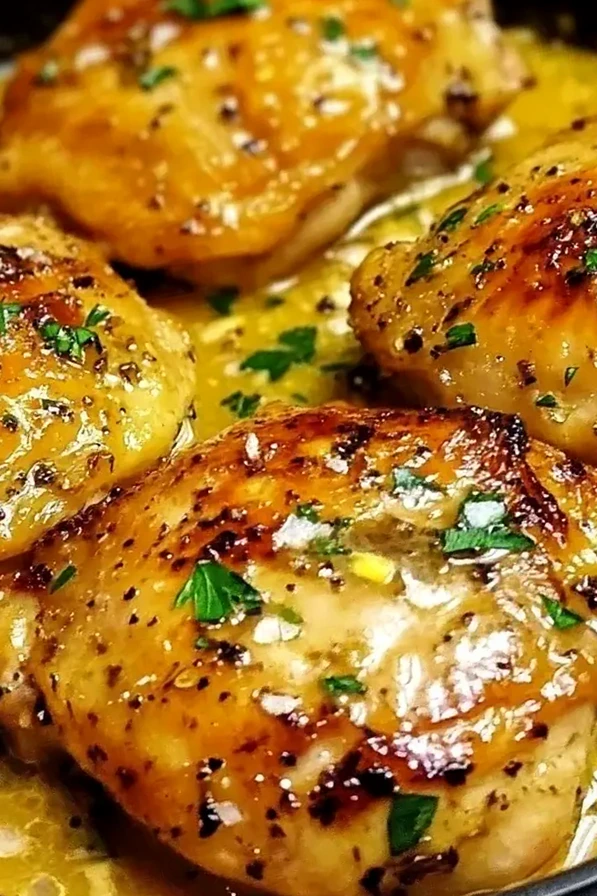
List of ingredients
- 6 boneless chicken thighs (about 1½ pounds)
- 2 tablespoons olive oil
- ½ teaspoon garlic powder
- ½ teaspoon onion powder
- ½ teaspoon paprika
- Kosher salt and freshly ground black pepper, to taste
- 1 tablespoon butter
- 1 small shallot, finely minced
- 3 cloves garlic, minced
- ½ cup chicken broth
- 1 tablespoon fresh lemon juice
- 2 sprigs fresh thyme
- ¼ teaspoon crushed red pepper flakes
- ⅓ cup heavy cream
- Fresh parsley, chopped, for garnish
step-by-step instructions
- Prep: Pat chicken thighs dry with paper towels to help them crisp up when seared.
- Season: In a small bowl, combine garlic powder, onion powder, paprika, salt, and pepper. Rub evenly over the chicken.
- Sear: Heat olive oil in a cast iron skillet over medium heat. Add chicken thighs skin-side down and cook for 5 minutes until golden. Flip and cook another 8–10 minutes until the internal temperature reaches 165°F.
- Sauté: Remove chicken and set aside. In the same skillet, melt butter and sauté shallots and garlic for about 1 minute until fragrant.
- Simmer: Stir in chicken broth, lemon juice, thyme sprigs, and red pepper flakes. Reduce heat to low.
- Thicken: Add heavy cream and simmer for about 5 minutes until the sauce thickens.
- Serve: Return chicken to the skillet, spoon sauce over the top, garnish with parsley, and serve hot.
Improving your searing results
Achieving a deep golden crust
The secret to a professional crust is ensuring the skillet is properly preheated before the chicken makes contact with the metal. If the pan is too cold, the chicken will steam rather than sear, which results in pale, soft skin. Allow the oil to shimmer slightly, indicating it is hot enough to create an immediate reaction upon contact.
Preventing the chicken from sticking
When placing the thighs into the skillet, resist the urge to move them immediately. Let the chicken develop a natural, crispy barrier on the bottom, which will cause it to release from the pan surface naturally once it is properly browned. Trying to flip the chicken too early is the most common reason for tearing the surface and losing that beautiful crust.
Refining the pan sauce
Balancing acidity and richness
The balance of your sauce depends on how well the lemon juice interacts with the heavy cream. If you find the sauce is too thick, add a tiny splash more chicken broth rather than more cream to maintain the perfect consistency. Always keep the simmer gentle; a rolling boil can sometimes cause the cream to separate, which ruins the velvety texture you are working to achieve.
Maximizing flavor extraction
The bits of browned protein left in the pan after searing the chicken are known as the fond, and they are the foundation of your sauce. Use a wooden spatula or a sturdy spoon to scrape these bits up while the broth is simmering. This process, known as deglazing, incorporates all the caramelized sugars from the chicken directly into your creamy base.
Recommended side dishes
Pairing with starch-based sides
Because the sauce is quite rich and flavorful, it is best served alongside something that can absorb the extra liquid. Creamy mashed potatoes, buttered rice, or even a simple herb-roasted potato dish will act as a perfect sponge for the garlic and herb sauce. Avoid overly flavored side dishes, as they might compete with the subtle profile of the chicken.
Adding fresh vegetable components
To keep the meal light, balance the density of the creamy chicken with crisp, green vegetables. Steamed asparagus with a hint of salt, roasted broccoli florets, or a simple arugula salad dressed with balsamic vinegar provide a refreshing contrast to the richness of the butter and cream sauce. Avoid heavy, cheese-based vegetable sides, as they will make the overall meal too heavy.
Common adjustments for your kitchen
What can I use instead of shallots?
If you do not have shallots on hand, a small yellow or white onion will work perfectly fine. Use about one-quarter of a medium onion and mince it finely to ensure it softens quickly in the butter. The flavor will be slightly sharper, but once the cream and lemon juice are added, the difference will be negligible.
Managing heat levels
If you prefer a milder sauce, you can omit the red pepper flakes entirely without affecting the texture of the dish. If you enjoy extra heat, you can double the amount of pepper flakes or add a tiny dash of cayenne pepper during the sauce-making phase. Always taste your sauce once it has thickened before deciding if additional seasoning is necessary.
Frequently asked questions
Can I prepare this dish with chicken breasts?
You can use boneless chicken breasts, but keep in mind that they lack the fat content of thighs and can dry out much faster. You will need to reduce the searing time slightly and be very careful not to overcook them, as they will lose their tenderness without the natural fat reserves found in thighs.
How can I keep the leftovers fresh?
Store any remaining chicken in a tightly sealed container in the refrigerator for up to three days. When you are ready to eat it again, reheat the chicken and the sauce together in a skillet over very low heat. Adding a tablespoon of water can help reconstitute the sauce if it has thickened too much in the fridge.
Is it possible to use dried herbs?
While fresh thyme is recommended for the best flavor infusion, you can use dried thyme if necessary. Use only one-third of the amount called for, as dried herbs are significantly more concentrated than their fresh counterparts. Add the dried herbs at the beginning of the sauce stage to allow the flavors to bloom in the hot liquid.
How do I know the chicken is fully cooked?
The most reliable method is to use a meat thermometer inserted into the thickest part of the thigh. Once it reaches 165°F, it is safe to eat. If you do not have a thermometer, cut into the thickest piece to ensure the juices run clear and there is no visible pink remaining in the center of the meat.
Can this recipe be doubled?
Yes, but ensure you do not crowd the skillet. If you have too many pieces of chicken in the pan at once, the temperature will drop, the moisture will release, and you will not get that essential crispy sear. Use two skillets if you are cooking for a larger group to ensure every piece has enough room to brown properly.
Why did my sauce curdle?
Sauces containing heavy cream can curdle if the heat is too high or if the sauce is boiled vigorously. Always keep the heat at a low simmer when adding the cream. If you see the sauce separating, remove it from the heat immediately and whisk vigorously to help re-emulsify the ingredients before serving.
Print
Bobby Flay’s Chicken Thighs Recipe
- Total Time: 30 minutes
- Yield: 4 servings 1x
- Diet: Low carb
Description
This Bobby Flay’s Chicken Thighs Recipe features perfectly seared, juicy chicken thighs in a rich, creamy garlic sauce with lemon and thyme. It’s a quick, one-skillet meal that’s bursting with flavor and perfect for weeknights or special dinners alike.
Ingredients
- 6 boneless chicken thighs (about 1½ pounds)
- 2 tablespoons olive oil
- ½ teaspoon garlic powder
- ½ teaspoon onion powder
- ½ teaspoon paprika
- Kosher salt and freshly ground black pepper, to taste
- 1 tablespoon butter
- 1 small shallot, finely minced
- 3 cloves garlic, minced
- ½ cup chicken broth
- 1 tablespoon fresh lemon juice
- 2 sprigs fresh thyme
- ¼ teaspoon crushed red pepper flakes
- ⅓ cup heavy cream
- Fresh parsley, chopped, for garnish
Instructions
- Prep: Pat chicken thighs dry with paper towels to help them crisp up when seared.
- Season: In a small bowl, combine garlic powder, onion powder, paprika, salt, and pepper. Rub evenly over the chicken.
- Sear: Heat olive oil in a cast iron skillet over medium heat. Add chicken thighs skin-side down and cook for 5 minutes until golden. Flip and cook another 8–10 minutes until the internal temperature reaches 165°F.
- Sauté: Remove chicken and set aside. In the same skillet, melt butter and sauté shallots and garlic for about 1 minute until fragrant.
- Simmer: Stir in chicken broth, lemon juice, thyme sprigs, and red pepper flakes. Reduce heat to low.
- Thicken: Add heavy cream and simmer for about 5 minutes until the sauce thickens.
- Serve: Return chicken to the skillet, spoon sauce over the top, garnish with parsley, and serve hot.
Notes
Make sure to dry the chicken well for optimal browning. This sauce is excellent with mashed potatoes, rice, or crusty bread. Feel free to substitute bone-in chicken thighs; just adjust cook time accordingly.
- Prep Time: 10 minutes
- Cook Time: 20 minutes
- Category: Dinner
- Method: Skillet
- Cuisine: American
Nutrition
- Serving Size: 1 chicken thigh with sauce
- Calories: 365 kcal
- Sugar: 1 g
- Sodium: 410 mg
- Fat: 25 g
- Saturated Fat: 9 g
- Unsaturated Fat: 14 g
- Trans Fat: 0 g
- Carbohydrates: 3 g
- Fiber: 0 g
- Protein: 28 g
- Cholesterol: 120 mg
Keywords: chicken thighs, creamy chicken, garlic sauce, dinner, one-skillet meal, easy dinner