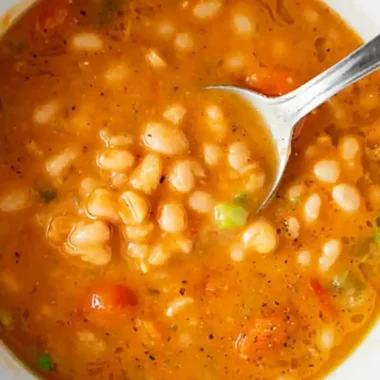
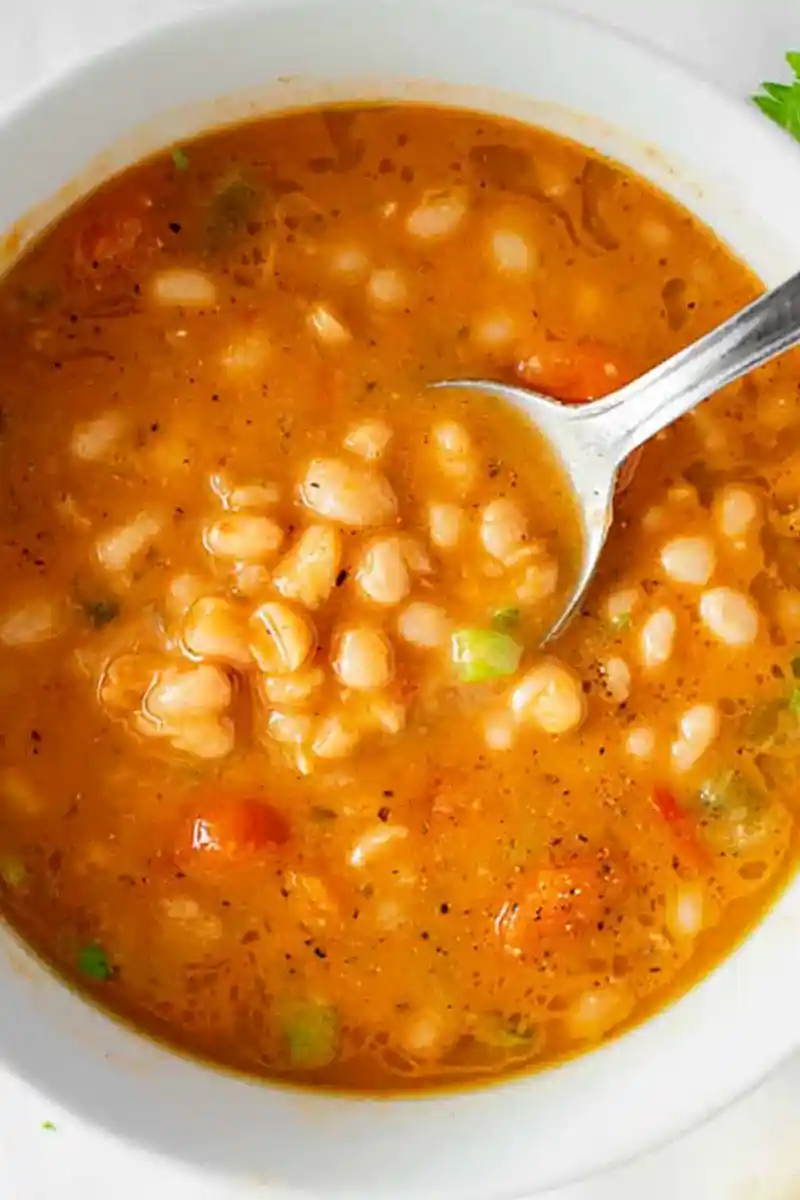
Fasolatha is a classic, hearty white bean soup that provides a deeply satisfying and nutritious meal. By using dried beans, you achieve a velvety, thick consistency that is perfect for chilly weather or when you need a wholesome, comforting dinner. This traditional recipe uses fresh vegetables and high-quality olive oil to create a complex flavor profile that relies on patience and simple techniques to produce a restaurant-quality result at home.
List of ingredients
- 500 grams / 17.6 oz dried cannellini beans (or other small white beans)
- 2 ½ liters (10 cups) boiling hot water or vegetable stock
- 160 grams (1 large) onion, finely chopped
- 1 bay leaf
- 2 carrots, sliced ½ cm (¼ inch) thick
- 150 grams (1 ½ cups) chopped celery, including leaves
- 150 grams (medium-large) extra ripe tomato, hand-grated with skin discarded
- 1 tablespoon tomato paste
- 160 ml (⅔ cup) extra virgin olive oil
- Freshly ground pepper to taste
- Optional: hot red pepper flakes or 1 small chili pepper
step-by-step instructions
- Prepare The Beans: Soak beans in plenty of water for about 1 hour at room temperature. Half-fill a large cooking pot with water, add beans, bring to a boil for 2-3 minutes, then drain in a strainer.
- Cook The Beans: Place beans back in the pot, add 10 cups of boiling water or vegetable stock, bay leaf, and onion. Season with salt, bring to a boil, then reduce heat to low and simmer covered for 1 hour.
- Combine Ingredients: Add tomato paste, grated tomato, celery, carrots, olive oil, and optional chili pepper. Season with pepper. Raise heat to medium and simmer covered for 30 minutes, stirring every 10 minutes.
- Thicken: Raise heat to medium-high and stir frequently until the soup reaches the desired thickness.
- Serve: Remove from heat and let stand for 15 minutes before serving with a drizzle of extra virgin olive oil and extra black pepper.
Essential Tips for Success
Selecting the Best Dried Beans
When selecting your white beans, choose packages that look consistent in size and color. Avoid beans that appear dusty or have broken skins, as these will not cook evenly and will result in a grainy texture rather than a creamy one. Older beans take significantly longer to soften, so if you are unsure of their age, consider adding a few extra minutes to the initial simmer time.
The Role of Olive Oil in Texture
The large amount of extra virgin olive oil specified in this recipe is not just for flavor, but is crucial for the emulsification of the soup. As the oil slowly incorporates with the starch released from the beans during the final stages of cooking, it creates a thick, velvet-like consistency. Always use a high-quality, cold-pressed oil, as the flavor is a primary component of the finished dish.
Why Hand Grating Tomatoes Matters
Grating your ripe tomatoes by hand allows you to extract the sweet, flavorful pulp while leaving the tough, papery skins behind. This results in a cleaner, more refined soup base compared to using pre-diced tomatoes from a can. If your tomatoes are not very ripe, you may need to add a teaspoon of sugar to balance the acidity of the tomato paste.
Flavor Variations and Customizations
Adding Earthy Aromatics
While the classic recipe focuses on the natural sweetness of carrots and celery, you can incorporate additional aromatics to change the flavor profile. Adding two cloves of minced garlic during the final 30 minutes of cooking adds a sharp, savory note that pairs perfectly with the creamy beans. You might also add a sprig of fresh thyme or rosemary tied with string, which should be removed before serving.
Adjusting the Heat Levels
If you prefer a spicy kick, adding a small finely diced chili pepper early in the process allows the heat to infuse throughout the entire pot. If you are serving different preferences at the same table, keep the soup mild and offer crushed red pepper flakes or a chili oil on the side. This allows each guest to control their own spice level without overpowering the delicate earthiness of the legumes.
Practical Serving Suggestions
Bread for Dipping
Fasolatha is famously served with a side of crusty, rustic bread. The goal is to have something sturdy enough to soak up the thick tomato-bean broth. Sourdough or traditional village-style loaves are excellent choices, especially when lightly toasted and rubbed with a raw clove of garlic.
Accompaniments for Balance
To cut through the richness of the olive oil and starchy beans, serve the bowl with a side of acidic components. A dish of pickled vegetables, such as giardiniera, or a small salad of sliced raw onions and parsley tossed in vinegar provides a sharp contrast. These acidic notes highlight the sweetness of the carrots and the deep savoriness of the tomato base.
Storage and Reheating Advice
Proper Refrigeration
This soup keeps exceptionally well in the refrigerator for up to four days. As it sits, the beans continue to absorb the broth and the starches settle, which often makes the flavor even better on the second or third day. Store it in an airtight glass container to prevent any flavor absorption from other items in your fridge.
Reheating Strategy
Because the soup thickens significantly in the cold, it will likely need a splash of water or vegetable stock when you reheat it on the stovetop. Warm it over low heat, stirring frequently to ensure the bottom does not scorch. Avoid using the microwave if possible, as it can heat unevenly and break the emulsion of the olive oil, leading to a separated, oily top layer.
FAQs
Can I freeze this soup?
Yes, this soup freezes beautifully for up to three months. Allow the soup to cool completely to room temperature before transferring it into freezer-safe bags or containers, leaving a little room for expansion. Thaw it in the refrigerator overnight and reheat it slowly on the stove, adding a small amount of water to adjust the consistency if it has become too thick.
What should I do if the soup remains too thin?
If after all the steps the soup is still thinner than you would like, use a potato masher to crush about one-fourth of the beans directly in the pot. This releases additional starch into the broth and creates a natural thickening agent without needing flour or cream. Ensure you stir thoroughly after mashing to integrate the texture throughout the soup.
Can I swap the beans for a different variety?
While Cannellini beans are traditional due to their creamy interior, Great Northern or Navy beans also work well. Each variety will have a slightly different cooking time, so keep an eye on them starting from the one-hour mark to ensure they are tender but not falling apart. Avoid using kidney beans, as they have a firmer texture and stronger flavor that changes the character of this specific dish.
Print
Fasolatha – White Bean and Tomato Soup
- Total Time: PT125M
- Yield: 5 servings 1x
- Diet: Vegan
Description
Fasolatha is a traditional Greek white bean and tomato soup, known for its rich, velvety texture and hearty, nutritious ingredients. This soup is made from scratch using fresh vegetables and high-quality olive oil for an authentic, comforting experience.
Ingredients
- 500 grams / 17.6 oz dried cannellini beans (or other small white beans)
- 2 ½ liters (10 cups) boiling hot water or vegetable stock
- 160 grams (1 large) onion, finely chopped
- 1 bay leaf
- 2 carrots, sliced ½ cm (¼ inch) thick
- 150 grams (1 ½ cups) chopped celery, including leaves
- 150 grams (medium-large) extra ripe tomato, hand-grated with skin discarded
- 1 tablespoon tomato paste
- 160 ml (⅔ cup) extra virgin olive oil
- Freshly ground pepper to taste
- Optional: hot red pepper flakes or 1 small chili pepper
Instructions
- Prepare The Beans: Soak beans in plenty of water for about 1 hour at room temperature. Half-fill a large cooking pot with water, add beans, bring to a boil for 2-3 minutes, then drain in a strainer.
- Cook The Beans: Place beans back in the pot, add 10 cups of boiling water or vegetable stock, bay leaf, and onion. Season with salt, bring to a boil, then reduce heat to low and simmer covered for 1 hour.
- Combine Ingredients: Add tomato paste, grated tomato, celery, carrots, olive oil, and optional chili pepper. Season with pepper. Raise heat to medium and simmer covered for 30 minutes, stirring every 10 minutes.
- Thicken: Raise heat to medium-high and stir frequently until the soup reaches the desired thickness.
- Serve: Remove from heat and let stand for 15 minutes before serving with a drizzle of extra virgin olive oil and extra black pepper.
Notes
For a thicker, creamier consistency, blend a ladleful of the soup in a food processor or blender and stir it back into the pot.
- Prep Time: PT5M
- Cook Time: PT120M
- Category: Main Course
- Method: Stovetop
- Cuisine: Greek
Nutrition
- Serving Size: 1 serving
- Calories: 458 kcal
- Sugar: 4 g
- Sodium: 70 mg
- Fat: 33 g
- Saturated Fat: 5 g
- Unsaturated Fat: 28 g
- Trans Fat: 0 g
- Carbohydrates: 34 g
- Fiber: 13 g
- Protein: 9 g
- Cholesterol: 0 mg
Keywords: Greek soup, white bean soup, fasolatha, healthy vegan soup, comfort food, traditional greek recipe, mediterranean diet