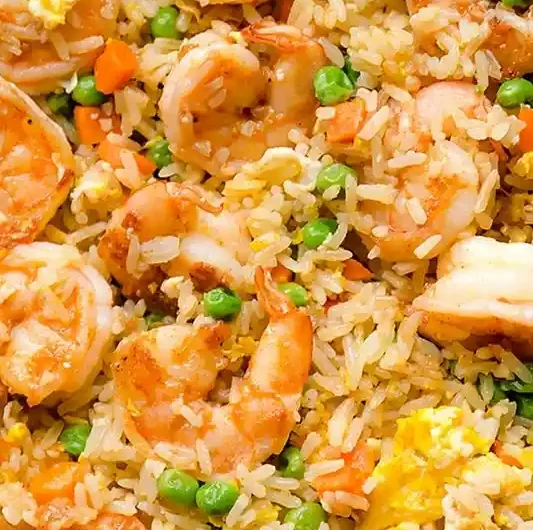
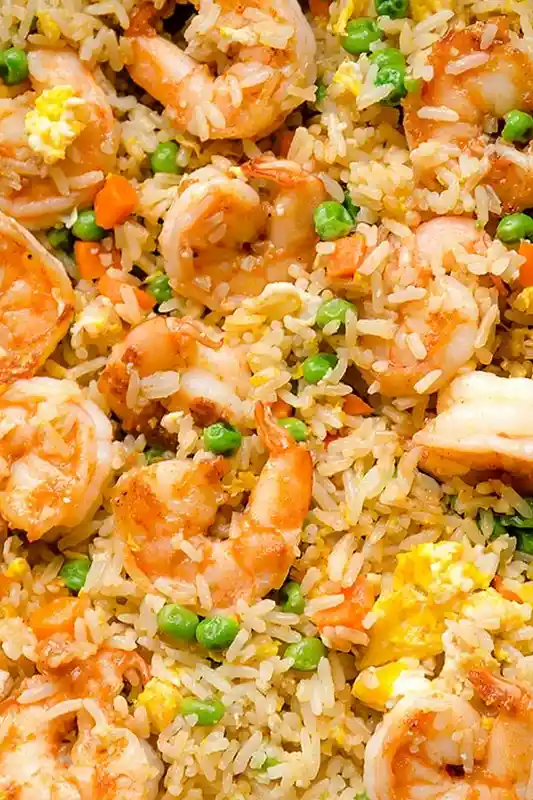
This vibrant spiced shrimp fried rice is a superior alternative to ordering takeout, coming together in just 20 minutes with simple pantry staples. By using cold, day-old rice and a hot skillet, you achieve that coveted restaurant-style texture that is fluffy, savory, and perfectly seasoned. It is an ideal solution for busy weeknights when you need a protein-packed meal that appeals to everyone at the table.
List of ingredients
- 1 lb raw jumbo shrimp, peeled and deveined
- 1 teaspoon cornstarch
- ½ teaspoon smoked paprika
- ½ teaspoon ground cumin
- ¼ teaspoon coarse kosher salt
- ¼ teaspoon black pepper
- 3 tablespoons vegetable oil, divided
- 1 ½ cups frozen carrots and peas, thawed
- 4 cups leftover cooked white rice
- 3 eggs
- 2 tablespoons soy sauce
- 2-3 teaspoons sesame oil
- 1 teaspoon fish sauce
- 1-2 scallions, green part only, sliced
step-by-step instructions
- Step: In a large bowl, place shrimp and add cornstarch, paprika, cumin, salt and pepper. Mix well.
- Step: Heat a large skillet over medium-high heat.
- Step: Add 1 tablespoon of oil and heat it for 30 seconds.
- Step: Once oil is hot, add spiced shrimp in one layer. Cook for about a minute and flip. Cook for another minute or so, or until they are opaque. Transfer to a clean plate.
- Step: Add 1 tablespoon of oil and heat it.
- Step: Add carrots and peas and cook until heated through, about 2 minutes.
- Step: Stir in cold leftover rice. Let sit for a minute or so, and then break it up with a wooden spoon, mixing with the vegetables. Cook for about 3 minutes.
- Step: Push the rice and vegetables to the sides, making a well in the middle.
- Step: Add the remaining 1 tablespoon of oil. Once heated, crack three eggs and scramble in the middle.
- Step: Once the eggs are mostly cooked, stir with rice and vegetables.
- Step: Add sliced greens of green onions.
- Step: Season with soy sauce and sesame oil.
- Step: Lastly, stir in cooked shrimp and serve immediately.
Flavor Enhancements
Achieving Optimal Umami Depth
The secret to creating a restaurant-quality profile in your home kitchen is layering your seasonings carefully. While soy sauce provides the primary salty base, the addition of fish sauce acts as a catalyst for deeper umami notes that make the dish feel complex. Even if you are unfamiliar with fish sauce, adding just the suggested amount will transform the background flavor profile without making the dish taste like seafood.
Selecting the Best Rice Variety
For the most consistent results, opt for long-grain white rice such as Jasmine or Basmati, as these varieties have lower starch content than short-grain types. Using rice that has been refrigerated overnight allows the grains to dry out slightly, which prevents them from clumping together during the stir-fry process. If you find yourself without leftovers, spread freshly cooked rice onto a baking sheet and place it in the freezer for 15 minutes to quickly lower the moisture content.
Practical Preparation Strategies
Efficient Thawing of Frozen Protein
If you forgot to move your shrimp to the refrigerator, you can safely thaw them in under 10 minutes using cold water. Place the frozen shrimp in a bowl and run cold water over them, then drain and refill with fresh cold water, letting them soak for 5 minutes. Avoid using warm or hot water, as this will prematurely begin the cooking process and result in a rubbery texture once they hit the pan.
Managing High-Heat Stir-Frying
The success of this dish relies on maintaining high temperatures to sear the ingredients rather than steaming them. Ensure your skillet is truly hot before adding the oil and the ingredients; if the pan is cool, the rice will absorb the oil and become greasy. Working in batches, as indicated in the instructions, helps maintain the pan’s heat level throughout the cooking process.
Customization and Adaptations
Integrating Additional Vegetables
This recipe is highly versatile and serves as an excellent vehicle for using up lingering produce in your refrigerator. Finely diced bell peppers, baby corn, snap peas, or shredded cabbage make wonderful additions to the carrot and pea base. Just ensure that any harder vegetables are chopped into small, uniform pieces so they cook through at the same rate as the rice.
Adjusting the Heat Levels
While the provided spice blend is mild and approachable, you can easily amplify the heat if you prefer a spicier profile. Stir in a teaspoon of chili garlic sauce, fresh minced bird’s eye chilies, or a pinch of red pepper flakes during the vegetable sautéing phase. These additions integrate perfectly with the soy and sesame notes, creating a balanced, glowing warmth that permeates the entire dish.
Storage and Efficiency
Safe Refrigeration and Reheating
Store any leftover fried rice in a tightly sealed glass container to preserve its moisture levels and prevent it from absorbing other refrigerator odors. It will remain fresh for up to 4 days, though for the best quality, consume it within the first 48 hours. To reheat, sprinkle a few drops of water over the rice before placing it in the microwave to help rehydrate the grains, or reheat it in a lightly oiled pan over medium heat until steaming.
Freezing for Future Meals
Fried rice is surprisingly freezer-friendly, provided you use an airtight container or a heavy-duty freezer bag to minimize air exposure. Portion the meal into single-serving containers before freezing to avoid the need for repeatedly thawing and refreezing the entire batch. It can be kept in the freezer for up to three months, though note that the texture of the vegetables may soften slightly upon thawing.
Commonly Asked Questions
Can I use brown rice for this recipe?
Yes, brown rice can be substituted, but it will result in a chewier, nuttier texture compared to traditional white rice. Be aware that brown rice has a higher fiber content and may require slightly more sauce to achieve the same coating consistency. Ensure the brown rice is also fully chilled before starting the stir-fry process to avoid a sticky outcome.
What is the benefit of adding cornstarch to the shrimp?
Cornstarch acts as a protective barrier during the searing process, locking in the shrimp’s natural juices while allowing the surface to develop a light, golden crust. This technique also helps the spice rub adhere more effectively to the shrimp, ensuring that every bite is equally flavorful. It prevents the shrimp from becoming tough, especially if they are inadvertently cooked for a few seconds too long.
Should I use fresh or cooked shrimp for this dish?
This recipe is designed specifically for raw, peeled, and deveined shrimp, which allows the spices to penetrate the meat during the quick searing stage. If you only have pre-cooked shrimp on hand, you must significantly reduce the cooking time to avoid rubbery meat. Simply toss the pre-cooked shrimp in the spice mix and stir them in at the very final step just long enough to heat them through.
Why is the green part of the scallion preferred?
The green tops of the scallions offer a vibrant visual appeal and a mild, fresh onion flavor that doesn’t overpower the delicate sweetness of the shrimp. The white parts of the scallion are much stronger and more pungent, which can clash with the aromatics of the ginger or garlic if you choose to include them. Using the greens provides a clean finish and a pleasant textural contrast to the soft rice grains.
Print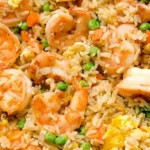
Spiced Shrimp Fried Rice
- Total Time: PT20M
- Yield: 4 servings 1x
- Diet: Pescatarian
Description
Faster than take-out, this spiced shrimp fried rice is so flavorful and easy to make! Everyone loves it, even the picky eaters!
Ingredients
- 1 lb raw jumbo shrimp, peeled and deveined
- 1 teaspoon cornstarch
- ½ teaspoon smoked paprika
- ½ teaspoon ground cumin
- ¼ teaspoon coarse kosher salt
- ¼ teaspoon black pepper
- 3 tablespoons vegetable oil, divided
- 1 ½ cups frozen carrots and peas, thawed
- 4 cups leftover cooked white rice
- 3 eggs
- 2 tablespoons soy sauce
- 2–3 teaspoons sesame oil
- 1 teaspoon fish sauce
- 1–2 scallions, green part only, sliced
Instructions
- Step: In a large bowl, place shrimp and add cornstarch, paprika, cumin, salt and pepper. Mix well.
- Step: Heat a large skillet over medium-high heat.
- Step: Add 1 tablespoon of oil and heat it for 30 seconds.
- Step: Once oil is hot, add spiced shrimp in one layer. Cook for about a minute and flip. Cook for another minute or so, or until they are opaque. Transfer to a clean plate.
- Step: Add 1 tablespoon of oil and heat it.
- Step: Add carrots and peas and cook until heated through, about 2 minutes.
- Step: Stir in cold leftover rice. Let sit for a minute or so, and then break it up with a wooden spoon, mixing with the vegetables. Cook for about 3 minutes.
- Step: Push the rice and vegetables to the sides, making a well in the middle.
- Step: Add the remaining 1 tablespoon of oil. Once heated, crack three eggs and scramble in the middle.
- Step: Once the eggs are mostly cooked, stir with rice and vegetables.
- Step: Add sliced greens of green onions.
- Step: Season with soy sauce and sesame oil.
- Step: Lastly, stir in cooked shrimp and serve immediately.
Notes
Cornstarch is optional, but it helps the shrimp cook nice and crisp. Use long-grain white rice like jasmine for best results.
- Prep Time: PT5M
- Cook Time: PT15M
- Category: Side Dish
- Method: Stir Fry
- Cuisine: Chinese
Nutrition
- Serving Size: 1 bowl
- Calories: 362 kcal
- Sugar: 0.7 g
- Sodium: 710 mg
- Fat: 12 g
- Saturated Fat: 2 g
- Unsaturated Fat: 7 g
- Trans Fat: 0 g
- Carbohydrates: 25 g
- Fiber: 2 g
- Protein: 31 g
- Cholesterol: 280 mg
Keywords: shrimp fried rice, easy dinner, stir fry, quick meal, shrimp recipe