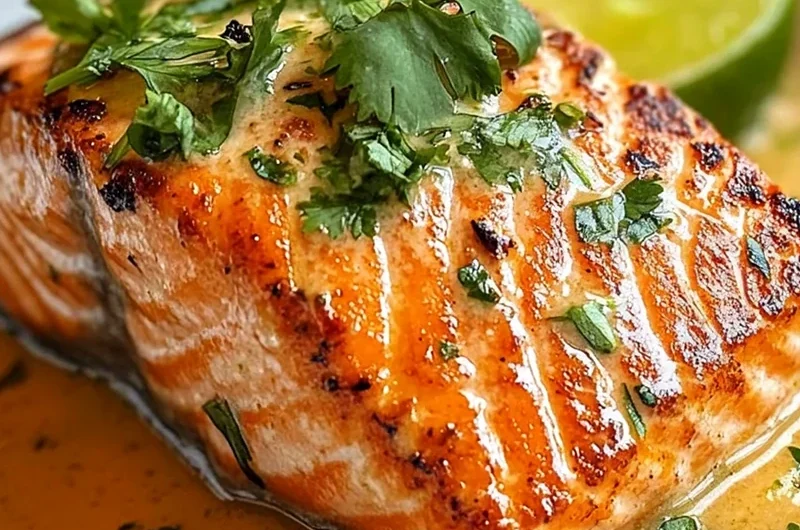
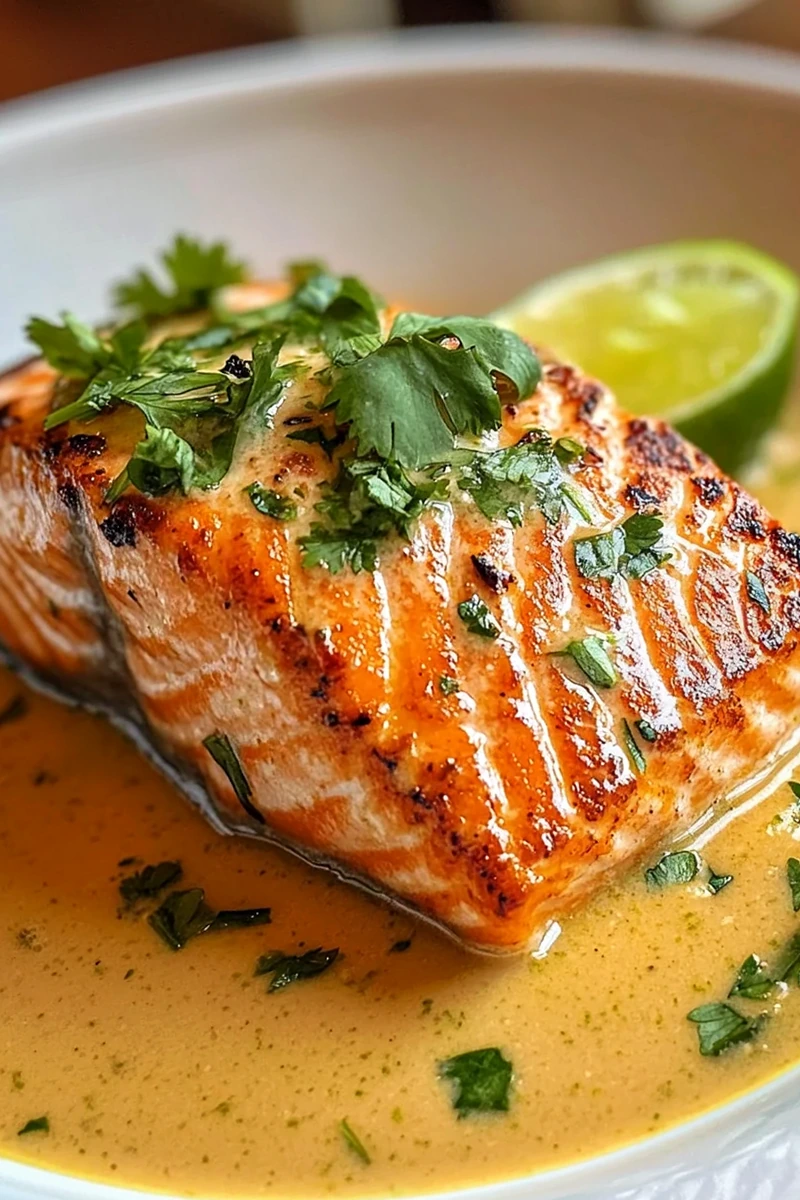
Experience the perfect harmony of creamy coconut milk and vibrant lime in this elegant poached salmon dish. This recipe delivers tender, flaky fish in under thirty minutes, making it a sophisticated choice for busy weeknight dinners or special weekend gatherings. By gently cooking the salmon in a fragrant, aromatic poaching liquid, you ensure maximum moisture and a deep infusion of tropical flavors in every single bite.
List of ingredients
- 4 salmon fillets (6 ounces each)
- 1 cup coconut milk
- 1/2 cup fish stock or water
- 1 tablespoon olive oil or butter
- 2 cloves garlic, minced
- 1 small onion, chopped
- 1 tablespoon fresh ginger, grated
- Juice and zest of 2 limes
- 1 tablespoon soy sauce
- 1 teaspoon honey or maple syrup (optional)
- Salt and pepper to taste
step-by-step instructions
- Step: Prepare the ingredients by chopping the onion and mincing the garlic and ginger.
- Step: In a large skillet over medium heat, melt olive oil or butter and sauté the garlic, onion, and ginger until fragrant (3–5 minutes).
- Step: Add coconut milk, fish stock or water, lime juice and zest, soy sauce, and optional sweetener; stir to combine.
- Step: Gently place salmon fillets in the simmering sauce; reduce heat to low, cover, and poach for 10–12 minutes until cooked through.
- Step: Season with salt and pepper before serving hot with fresh cilantro and lime wedges.
Refining Your Poaching Technique
Maintaining Consistent Low Heat
The secret to perfect poached salmon is keeping the poaching liquid at a very gentle simmer rather than a rolling boil. High heat can cause the proteins in the salmon to seize up, resulting in a rubbery texture that is far from the desired melt-in-your-mouth finish. Keep your heat source set to the lowest possible level once the fillets are added to the pan to protect the delicate structure of the fish.
Selecting the Right Skillet
Choose a skillet that is large enough to hold all four salmon fillets in a single layer without overcrowding the pan. Crowding prevents the poaching liquid from circulating properly around each piece, which leads to uneven cooking. A wider pan also makes it significantly easier to remove the fish without accidentally breaking the fillets when serving.
Flavor Adjustments and Pairings
Balancing the Sauce Acidity
Coconut milk is naturally rich and sweet, which means it requires a significant amount of acidity to keep the dish from feeling heavy. If your sauce tastes too flat after adding the lime juice, consider adding a tiny pinch of extra salt or a small splash of rice vinegar. These additions help sharpen the flavor profile and make the ginger and garlic notes pop significantly more on the palate.
Texture Considerations for Sides
When serving this dish, aim for side dishes that provide a bit of crunch or bite to contrast the velvet-like texture of the salmon and sauce. A side of stir-fried snap peas or lightly steamed baby bok choy works exceptionally well. If you prefer starch, jasmine rice is the gold standard because it absorbs the coconut sauce effectively without distracting from the main event.
Common Queries Addressed
Why does the sauce separate?
If your coconut milk separates, it is usually because the heat was too high or the quality of the canned milk lacked stabilizers. Always use full-fat canned coconut milk, which is thicker and more stable under heat. If you notice slight separation, a quick whisk with a fork before serving will usually bring it back to a creamy consistency.
Can I prepare the ingredients in advance?
You can certainly chop your aromatics and prepare the lime zest up to twenty-four hours in advance to save time. Keep the garlic and ginger in a small airtight container in the refrigerator. However, do not combine the sauce ingredients until you are ready to start the poaching process to ensure the aromatics remain fresh and pungent.
Is this dish suitable for those with dietary restrictions?
This recipe is naturally gluten-free if you use fish stock and check your salt sources. It is also inherently dairy-free if you opt for olive oil instead of butter. Because the primary fat comes from the coconut, it provides a very satisfying mouthfeel without relying on heavy cream or traditional dairy products.
Ensuring Quality and Food Safety
Testing for Proper Doneness
To verify the salmon is ready, look for the flesh to turn from a translucent pink to a solid, opaque shade of lighter pink. If you have a kitchen thermometer, aim for an internal temperature of 145 degrees Fahrenheit at the thickest part of the fillet. This temperature guarantees safety while ensuring the moisture levels remain high for optimal enjoyment.
Handling Leftovers Properly
If you have leftovers, allow the salmon to cool to room temperature before transferring it into a shallow, airtight container. It is best to store the fish and the sauce together, as the sauce acts as a protective barrier against drying out in the refrigerator. Consume within three days, as the delicate flavor of the fish is best when enjoyed fresh.
Gentle Reheating Approaches
When you are ready to eat your leftovers, avoid the microwave as it can turn the salmon tough in seconds. Instead, place the fillets and the sauce in a small saucepan over medium-low heat. Add one extra tablespoon of coconut milk or water to replenish the liquid that may have evaporated during storage, heating only until the fish is warmed through.
Strategic Flavor Enhancements
Incorporating Fresh Herbs
While cilantro is recommended for its citrusy affinity with lime, you can also experiment with fresh Thai basil or finely chopped scallions. These herbs add a layer of freshness that acts as a bridge between the spicy ginger and the creamy coconut. Always add these fresh garnishes right at the moment of serving to ensure they remain vibrant and do not wilt prematurely in the hot sauce.
Adding Subtle Spiciness
For those who enjoy a bit of heat, consider adding a thinly sliced serrano or jalapeño pepper to the skillet when you sauté your garlic and onions. This infuses a controlled, background heat into the sauce that complements the richness of the coconut perfectly. Remove the seeds from the peppers if you prefer a milder sensation that won’t overwhelm the delicate flavor of the salmon fillets.
Print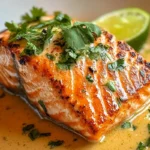
Poached Salmon in Coconut Lime Sauce
- Total Time: 25 minutes
- Yield: 4 servings 1x
- Diet: Pescatarian
Description
Poached Salmon in Coconut Lime Sauce is a delectable dish that combines the creamy richness of coconut milk with the zesty brightness of lime, perfectly complementing tender salmon fillets. This quick and easy recipe comes together in just 25 minutes, making it ideal for busy weeknights or impressing guests at special gatherings.
Ingredients
- 4 salmon fillets (6 ounces each)
- 1 cup coconut milk
- 1/2 cup fish stock or water
- 1 tablespoon olive oil or butter
- 2 cloves garlic, minced
- 1 small onion, chopped
- 1 tablespoon fresh ginger, grated
- Juice and zest of 2 limes
- 1 tablespoon soy sauce
- 1 teaspoon honey or maple syrup (optional)
- Salt and pepper to taste
Instructions
- Step: Prepare the ingredients by chopping the onion and mincing the garlic and ginger.
- Step: In a large skillet over medium heat, melt olive oil or butter and sauté the garlic, onion, and ginger until fragrant (3–5 minutes).
- Step: Add coconut milk, fish stock or water, lime juice and zest, soy sauce, and optional sweetener; stir to combine.
- Step: Gently place salmon fillets in the simmering sauce; reduce heat to low, cover, and poach for 10–12 minutes until cooked through.
- Step: Season with salt and pepper before serving hot with fresh cilantro and lime wedges.
Notes
Ensure the salmon reaches an internal temperature of 145°F (63°C). Leftovers can be stored in an airtight container for up to 3 days.
- Prep Time: 10 minutes
- Cook Time: 15 minutes
- Category: Main
- Method: Poaching
- Cuisine: Tropical
Nutrition
- Serving Size: 1 salmon fillet
- Calories: 378 kcal
- Sugar: 2 g
- Sodium: 380 mg
- Fat: 23 g
- Saturated Fat: 15 g
- Unsaturated Fat: 6 g
- Trans Fat: 0 g
- Carbohydrates: 7 g
- Fiber: 0 g
- Protein: 35 g
- Cholesterol: 95 mg
Keywords: salmon, poached salmon, coconut lime, tropical, easy dinner, healthy dinner