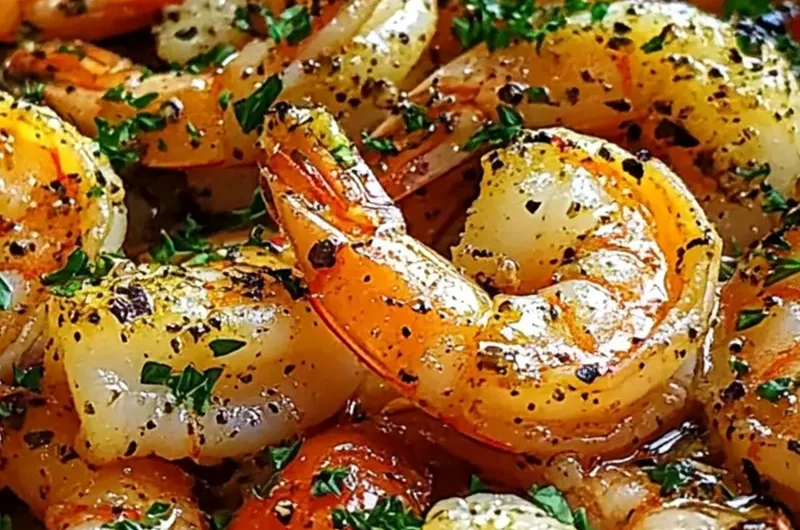
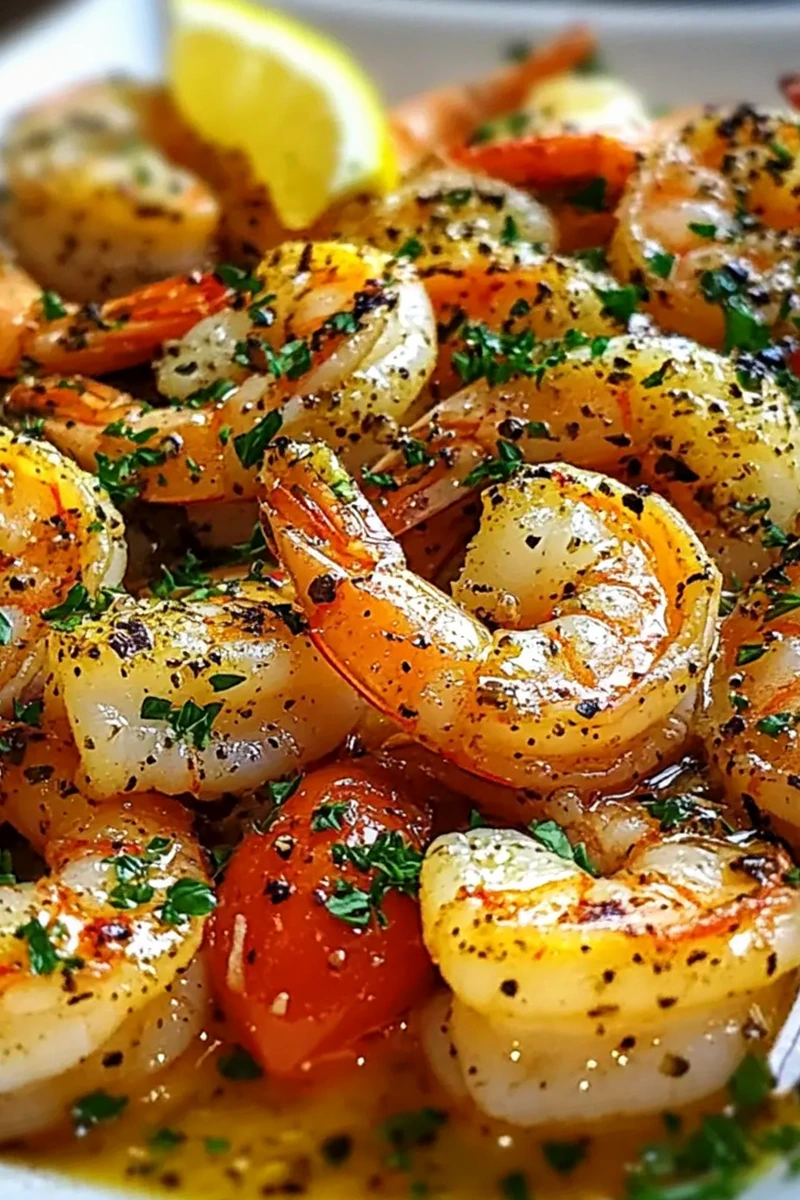
This Mediterranean Shrimp Skillet is a vibrant one-pan meal that brings the bright, zesty flavors of the coast to your kitchen in under 30 minutes. By combining succulent shrimp with garlic, fresh tomatoes, and briny olives, this dish offers a balanced and healthy dinner option that is as simple to prepare as it is impressive to serve. Perfect for busy weeknights, it provides a restaurant-quality experience with minimal cleanup.
List of ingredients
- 1 pound fresh shrimp, peeled and deveined
- 2 tablespoons olive oil
- 4 cloves garlic, minced
- 1 cup cherry tomatoes, halved
- 1/2 cup Kalamata olives, pitted and halved
- 2 tablespoons fresh lemon juice
- 2 tablespoons fresh parsley, chopped
- salt, to taste
- pepper, to taste
- red pepper flakes, optional
step-by-step instructions
- Step 1: Heat 2 tablespoons of olive oil in a large skillet over medium heat. Add 4 cloves of minced garlic, sautéing for about 1 minute until fragrant but not browned.
- Step 2: Add 1 pound of fresh, peeled, and deveined shrimp to the skillet. Cook for 2-3 minutes on each side, or until the shrimp are pink and opaque.
- Step 3: Incorporate 1 cup of halved cherry tomatoes and 1/2 cup of halved Kalamata olives into the skillet. Stir gently, allowing the tomatoes to soften for about 2 minutes.
- Step 4: Drizzle 2 tablespoons of fresh lemon juice over the skillet, and season with salt, pepper, and optional red pepper flakes. Stir well and cook for an additional 1-2 minutes.
- Step 5: Remove from heat and sprinkle with 2 tablespoons of chopped fresh parsley. Serve immediately.
Refining Your Cooking Technique
Achieving the Perfect Sear
To get the best flavor from your shrimp, ensure the skillet is adequately preheated before they hit the pan. If the pan is not hot enough, the shrimp will steam rather than sear, which prevents that desirable golden exterior. A quick, high-heat sear locks in moisture and creates a more complex taste profile.
Balancing the Acidity
Lemon juice is the key to brightening the flavor of this Mediterranean dish. Adding the juice toward the end of the cooking process ensures the brightness remains sharp and does not dissipate during the heating phase. If you find the dish too acidic, consider adding a pinch of sugar or a touch more olive oil to mellow the profile.
Customizing Your Skillet Experience
Adding Substantial Vegetables
While tomatoes and olives provide the classic flavor base, you can easily incorporate other vegetables for a more nutrient-dense meal. Thinly sliced zucchini or bell peppers work exceptionally well when added along with the tomatoes. These vegetables absorb the garlic-infused oil, creating a cohesive and satisfying texture that rounds out the plate.
Selecting Alternative Proteins
If you prefer a different protein or have dietary preferences, this recipe is highly adaptable. Cubed chicken breast or firm white fish pieces can be substituted for the shrimp. Note that chicken will require a slightly longer cooking time, so ensure it is cooked through before adding the tomatoes and olives to the pan.
Serving and Presentation Ideas
Building a Complete Meal
This dish is incredibly versatile when it comes to pairings. For a light yet filling option, serve the shrimp over a bed of fluffy couscous or cauliflower rice. These grains act as a sponge, soaking up the flavorful sauce left in the skillet, which is arguably the best part of the meal.
Pairing with Crusty Breads
If you enjoy a more rustic dining experience, serve this skillet alongside a loaf of warm, crusty bread. The bread is perfect for mopping up the remaining olive oil, garlic, and tomato juices left behind in the pan. A light garlic rub on the bread slices can enhance the theme of the dish even further.
Maintenance and Storage Strategies
Proper Refrigerator Storage
To keep leftovers fresh, store them in an airtight container immediately after the meal has cooled to room temperature. This prevents the shrimp from drying out and maintains the integrity of the sauce. Consume the leftovers within 48 hours for the best quality and safety.
Reheating Without Overcooking
Reheating shrimp is a delicate task because they can quickly become rubbery. The best approach is to reheat the dish slowly on the stovetop over low heat with a teaspoon of water or vegetable broth. This small amount of liquid creates steam, which helps warm the shrimp gently without further cooking them through.
Freezing Considerations
While fresh is always preferred, you can freeze this dish for up to two months. Ensure the shrimp are cooled completely before transferring to a heavy-duty freezer bag. When thawing, do so slowly in the refrigerator, and understand that the texture of the tomatoes may soften significantly during the freezing and thawing process.
Addressing Common Cooking Concerns
What should I do if the sauce is too thin?
If you prefer a thicker, more concentrated sauce, simply remove the shrimp from the pan once they are cooked and set them aside. Let the remaining liquid and vegetables simmer for an additional 2-3 minutes to reduce and concentrate the flavors. Once the sauce thickens to your liking, fold the shrimp back in just long enough to warm them through.
Why does the shrimp taste rubbery?
Shrimp have a very narrow window of doneness. They are perfectly cooked as soon as they turn pink and opaque. Any cooking beyond that point causes the proteins to tighten and release their moisture, resulting in a rubbery texture. To avoid this, watch the shrimp closely and remove the pan from the heat the moment they look cooked.
How can I make the meal more kid-friendly?
If you are cooking for younger palates that may find olives too strong or red pepper flakes too spicy, simply omit these ingredients. The core of the dish—shrimp, garlic, and tomatoes—is generally quite appealing on its own. You can also increase the amount of tomatoes to provide a sweeter, more familiar flavor profile.
Can I prepare the ingredients in advance?
Preparation is key for a fast weeknight dinner. You can mince the garlic, halve the tomatoes, pit the olives, and chop the parsley up to 24 hours in advance. Keeping these prepped ingredients in separate containers in the refrigerator will allow you to assemble the entire meal in under 10 minutes when you are ready to cook.
Is this meal appropriate for guest hosting?
This dish makes a fantastic impression for casual hosting because of its vibrant presentation. To elevate the experience for guests, use a variety of colorful cherry tomatoes, such as yellow and orange varieties, to add visual interest. Garnishing with extra fresh herbs right before serving adds a professional touch that guests will appreciate.
Print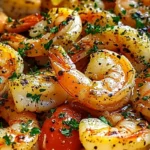
Savory Mediterranean Shrimp Skillet for Effortless Dinner Joy
- Total Time: 25 minutes
- Yield: 4 servings 1x
- Diet: Pescatarian
Description
This Mediterranean Shrimp Skillet is a delightful one-pan meal packed with vibrant flavors and quick to prepare.
Ingredients
- 1 pound fresh shrimp, peeled and deveined
- 2 tablespoons olive oil
- 4 cloves garlic, minced
- 1 cup cherry tomatoes, halved
- 1/2 cup Kalamata olives, pitted and halved
- 2 tablespoons fresh lemon juice
- 2 tablespoons fresh parsley, chopped
- salt, to taste
- pepper, to taste
- red pepper flakes, optional
Instructions
- Step 1: Heat 2 tablespoons of olive oil in a large skillet over medium heat. Add 4 cloves of minced garlic, sautéing for about 1 minute until fragrant but not browned.
- Step 2: Add 1 pound of fresh, peeled, and deveined shrimp to the skillet. Cook for 2-3 minutes on each side, or until the shrimp are pink and opaque.
- Step 3: Incorporate 1 cup of halved cherry tomatoes and 1/2 cup of halved Kalamata olives into the skillet. Stir gently, allowing the tomatoes to soften for about 2 minutes.
- Step 4: Drizzle 2 tablespoons of fresh lemon juice over the skillet, and season with salt, pepper, and optional red pepper flakes. Stir well and cook for an additional 1-2 minutes.
- Step 5: Remove from heat and sprinkle with 2 tablespoons of chopped fresh parsley. Serve immediately.
Notes
Store leftovers in an airtight container in the refrigerator for up to 2 days.
- Prep Time: 10 minutes
- Cook Time: 15 minutes
- Category: Dinner
- Method: Stovetop
- Cuisine: Mediterranean
Nutrition
- Serving Size: 1 serving
- Calories: 300 kcal
- Sugar: 3 g
- Sodium: 600 mg
- Fat: 20 g
- Saturated Fat: 3 g
- Unsaturated Fat: 16 g
- Trans Fat: 0 g
- Carbohydrates: 10 g
- Fiber: 2 g
- Protein: 25 g
- Cholesterol: 200 mg
Keywords: Mediterranean, Shrimp, Skillet, Dinner, One-pan