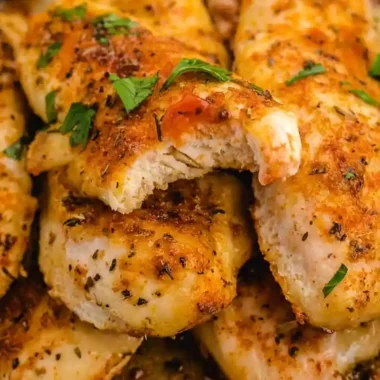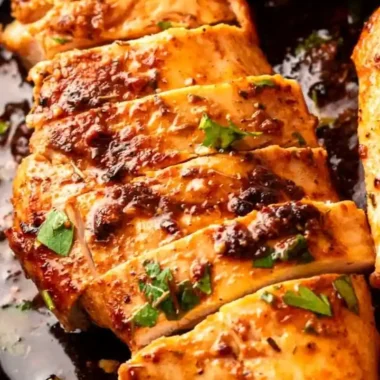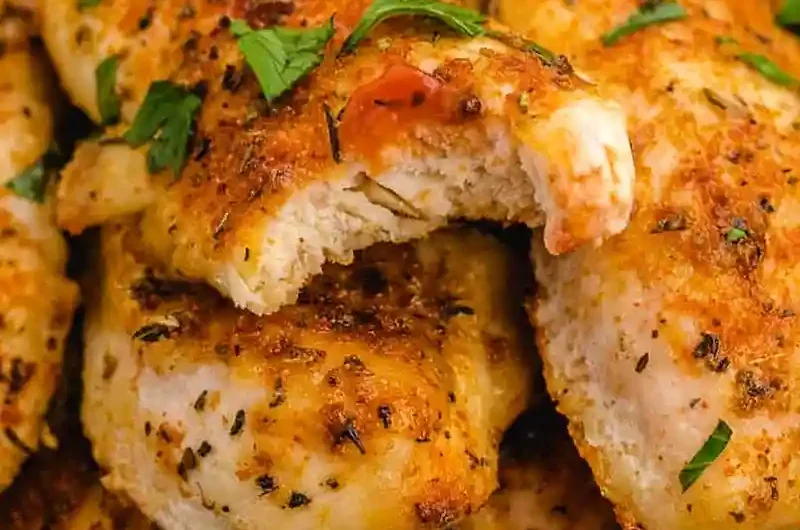
These oven-baked chicken tenderloins offer a fantastic, flavorful alternative to traditional breaded versions. By utilizing a savory dry rub and high heat, you achieve golden, juicy results in under twenty minutes. This preparation is ideal for those seeking a protein-packed meal that fits perfectly into a variety of dietary preferences.
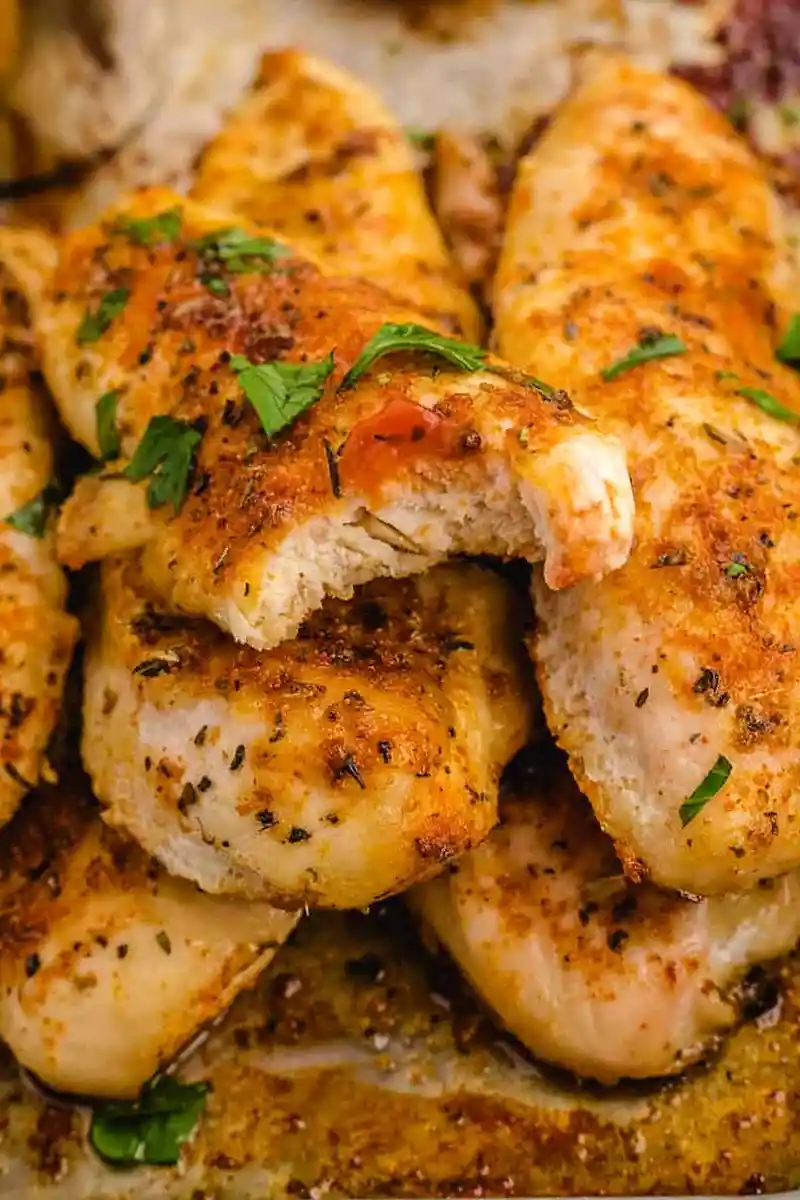
List of ingredients
- 2 lb chicken tenders
- 1/4-1/2 cup butter (melted) or olive oil
- 3-4 Tbsp chicken rub (homemade or store-bought)
- 1 Tbsp sweet paprika
- 1 Tbsp garlic powder
- 2 tsp onion powder
- 2 tsp Italian seasoning
- 2 tsp sweetener (brown sugar or sugar-free golden monk fruit)
- 1/2 tsp fine sea salt
- 1/2 tsp freshly ground black pepper
- 1/4 tsp cayenne pepper
- Chopped fresh parsley for garnish
step-by-step instructions
- Step: Preheat the oven to 400F and put the oven rack in the center position.
- Step: In a small bowl combine the paprika, garlic powder, onion powder, Italian seasoning, sweetener, salt, black pepper, and cayenne pepper.
- Step: Cube the butter and add it to a shallow dish. Microwave it in 20-second increments until it’s melted, stirring as needed. Alternatively, you can use olive oil instead of butter or do 50/50.
- Step: Dredge the tenders in the melted butter, or you can brush it on the chicken to use less of it. Lay the raw chicken on a baking sheet.
- Step: Sprinkle the seasoning on both sides of the tenderloins.
- Step: Bake the chicken until golden brown for a total of 10-12 minutes or until the internal temperature of the chicken reaches 160-162F. Let the chicken rest for 5 minutes, it will continue cooking and should reach 165 F. Enjoy!
- Step: Garnish with chopped fresh parsley and your favorite dipping sauces.
Strategic Preparation Methods
Maintaining Even Cooking Temperatures
When working with thin cuts of protein, temperature control is paramount for achieving a consistent texture. Ensure your oven is fully preheated before placing the tray inside, as this initial burst of heat seals the surface of the chicken. Using a middle rack position is crucial because it balances the heat radiating from both the top and bottom elements of your oven.
Applying the Coating Efficiently
To keep the process clean and efficient, use the double-hand method or a pastry brush for the butter or oil. If you prefer a lighter touch, brushing the fat onto the chicken on the baking sheet reduces excess liquid and helps the spices form a more defined crust. Ensure every surface of the tender is coated, as the fat serves as the primary conductor for the dry rub flavors.
Understanding Carryover Cooking
The science of carryover cooking is why we aim for 160-162F rather than the final 165F. Because the chicken continues to generate heat internally even after leaving the oven, pulling it slightly early ensures the fibers remain juicy rather than turning rubbery or dry. A five-minute rest period is non-negotiable for professional-quality results at home.
Customization and Flavor Adaptations
Exploring Diverse Dry Rub Profiles
While the classic herb blend is versatile, you can easily pivot the profile by swapping the spice ratios. For a Southwestern flair, increase the cumin and replace the Italian seasoning with ground chili powder. If you prefer a brighter, citrus-forward dish, add dried lemon peel or lime zest to your dry spice mixture before applying it to the chicken.
Adding Texture Without Breading
If you crave a slight crunch without traditional flour-based coatings, consider a topping of toasted almond flour or finely grated parmesan cheese. These ingredients brown beautifully in the oven and provide a satisfying texture contrast. Simply sprinkle the topping over the seasoned chicken during the last three minutes of baking to prevent burning.
Practical Serving Strategies
Pairing With Nutritious Sides
To build a complete meal, consider pairing these tenders with roasted root vegetables like carrots, parsnips, or sweet potatoes. These vegetables thrive at the same 400F roasting temperature, making them perfect to bake alongside your chicken. Alternatively, serve them over a crisp bed of arugula and shaved fennel with a light vinaigrette for a refreshing dinner.
Creative Uses for Leftover Chicken
These tenders are highly adaptable for meal prep due to their simple flavor profile. Chop them up cold to stir into a creamy pesto pasta salad or shred them for use in high-protein lettuce wraps. Because the chicken is cooked without heavy breading, it retains its structural integrity better than fried versions when stored in the refrigerator.
Managing Storage and Quality
Maintaining Freshness in Storage
Proper storage is essential to keep the meat from drying out after the initial cooking. Place any leftovers in an airtight glass container once they have cooled to room temperature. This helps retain moisture within the meat, ensuring that when you eat them later, the texture remains as close to the original as possible.
Gentle Reheating Techniques
Avoid the microwave for reheating if possible, as it tends to overcook the delicate chicken fibers. Instead, place the tenders in a preheated oven at 350F for about five to seven minutes, or use a dry skillet over medium-low heat. Adding a tiny splash of water or broth to the pan can create a gentle steam that revitalizes the meat without toughening it.
Frequently Asked Questions
Can I prepare this dish using frozen chicken tenders?
Yes, though it requires adjustments to the cooking duration. Defrosting in the refrigerator overnight is recommended for the best texture, but if you must cook from frozen, increase your cook time by about five to seven minutes and use a thermometer to ensure the internal temperature hits 165F.
What is the best way to prevent the chicken from drying out?
The key is avoiding overexposure to high heat. By patting the chicken completely dry before applying the oil or butter, you ensure the rub adheres properly, which helps create a barrier that seals in the juices. Always rely on a digital thermometer rather than visual guesswork to determine doneness.
How can I make this recipe completely dairy-free?
Simply replace the melted butter with high-quality extra virgin olive oil, avocado oil, or melted coconut oil. These alternatives work perfectly for both the dredging process and the final flavor profile without requiring any modification to the cooking time or temperatures.
What should I do if my seasoning mix is too salty?
When using store-bought spice blends, they often contain added salt that varies by brand. To mitigate this, taste your seasoning blend before applying it to the chicken; if it seems overly salty, add a little extra garlic powder or sweetener to dilute the intensity. It is always safer to start with less salt in the rub and allow guests to add more to their own plates.
Print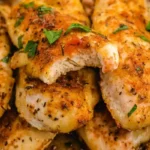
Oven Baked Chicken Tenderloins (No Breading)
- Total Time: 20 minutes
- Yield: 16 servings 1x
- Diet: Gluten-free, Low carb
Description
Easy healthy baked chicken tenderloins without breading and with a dry rub that cook in just 10 mins! Dip in your favorite sauce or use in recipes.
Ingredients
- 2 lb chicken tenders
- 1/4–1/2 cup butter (melted) or olive oil
- 3–4 Tbsp chicken rub (homemade or store-bought)
- 1 Tbsp sweet paprika
- 1 Tbsp garlic powder
- 2 tsp onion powder
- 2 tsp Italian seasoning
- 2 tsp sweetener (brown sugar or sugar-free golden monk fruit)
- 1/2 tsp fine sea salt
- 1/2 tsp freshly ground black pepper
- 1/4 tsp cayenne pepper
- Chopped fresh parsley for garnish
Instructions
- Step: Preheat the oven to 400F and put the oven rack in the center position.
- Step: In a small bowl combine the paprika, garlic powder, onion powder, Italian seasoning, sweetener, salt, black pepper, and cayenne pepper.
- Step: Cube the butter and add it to a shallow dish. Microwave it in 20-second increments until it’s melted, stirring as needed. Alternatively, you can use olive oil instead of butter or do 50/50.
- Step: Dredge the tenders in the melted butter, or you can brush it on the chicken to use less of it. Lay the raw chicken on a baking sheet.
- Step: Sprinkle the seasoning on both sides of the tenderloins.
- Step: Bake the chicken until golden brown for a total of 10-12 minutes or until the internal temperature of the chicken reaches 160-162F. Let the chicken rest for 5 minutes, it will continue cooking and should reach 165 F. Enjoy!
- Step: Garnish with chopped fresh parsley and your favorite dipping sauces.
Notes
Use them in your favorite recipes like a main dish of chicken salad or sliced on top of pasta, or eat them as a main dish alongside your favorite dipping sauce. The rub mix makes a little more than you’ll need in the recipe, just coat the chicken with rub to your personal taste.
- Prep Time: 10 minutes
- Cook Time: 10 minutes
- Category: Chicken
- Method: Baking
- Cuisine: American
Nutrition
- Serving Size: 1 tenderloin
- Calories: 145 kcal
- Sugar: 1 g
- Sodium: 280 mg
- Fat: 7 g
- Saturated Fat: 3 g
- Unsaturated Fat: 3.5 g
- Trans Fat: 0 g
- Carbohydrates: 2 g
- Fiber: 0.5 g
- Protein: 19 g
- Cholesterol: 75 mg
Keywords: chicken tenders, baked chicken, low carb, gluten free, healthy dinner, oven baked