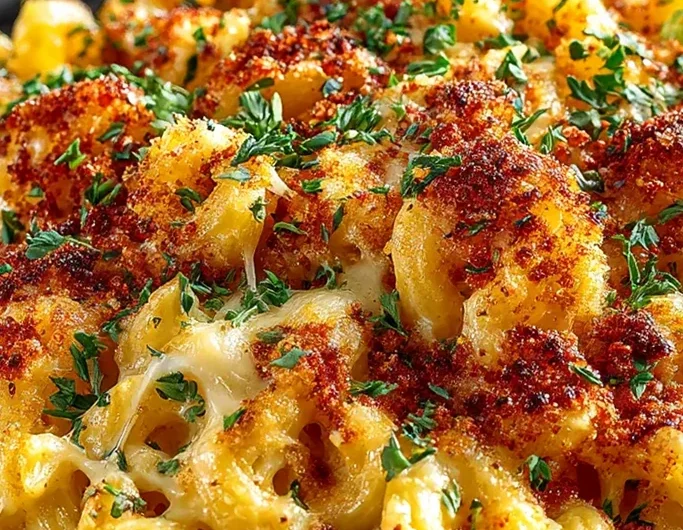
This slow cooker mac and cheese is a reliable, hands-off solution for creating the ultimate creamy comfort food without the constant monitoring of a stovetop. By allowing the cheese and pasta to meld gently over a few hours, you achieve a velvety, luxurious texture that holds up perfectly for dinner or large gatherings. This recipe is designed to be straightforward and consistent, making it an ideal choice for busy households seeking a classic, flavorful meal with minimal active effort.
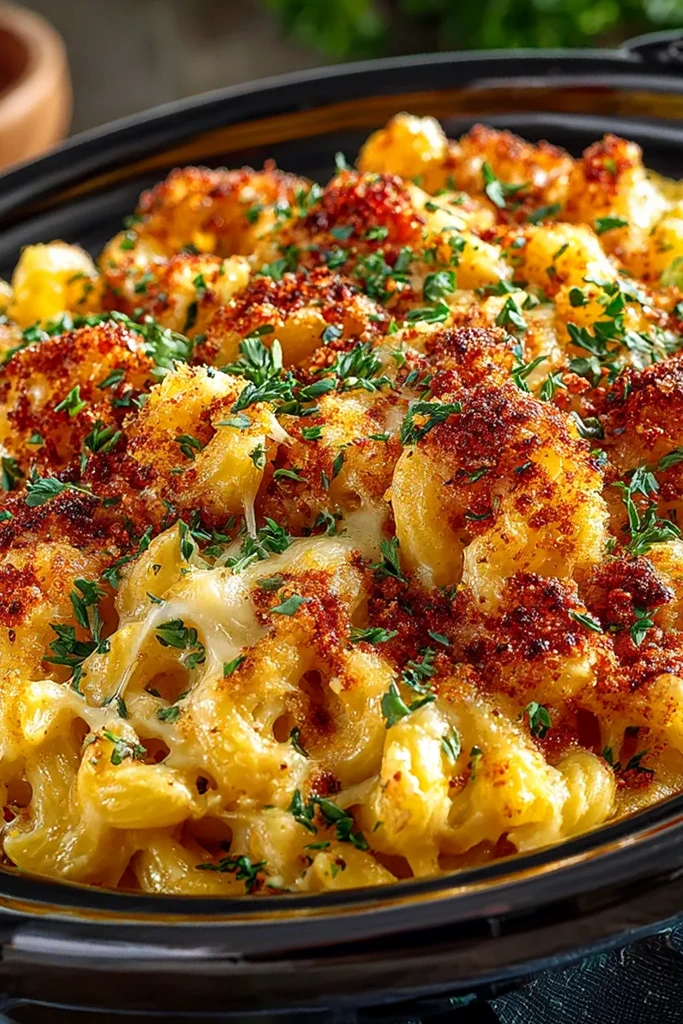
List of ingredients
- 1 lb elbow macaroni
- 4 cups shredded cheddar cheese
- 2 cups milk
- 1/2 cup unsalted butter
- 1 tsp salt
- 1/2 tsp black pepper
step-by-step instructions
- Step: Grease the inside of a 4-6 quart crockpot.
- Step: Add the uncooked macaroni, shredded cheese, milk, butter, salt, and pepper to the crockpot. Stir to combine.
- Step: Cover and cook on low for 3-4 hours, stirring occasionally, until the pasta is tender and the cheese is melted and creamy.
- Step: Serve hot, garnished with additional shredded cheese or chopped parsley if desired.
Refining Your Slow Cooker Technique
The success of this dish relies heavily on temperature management and ingredient preparation. Because slow cookers vary in heating intensity, monitoring the moisture level during the first two hours is critical. If your specific model runs hot, you may notice the edges of the cheese sauce bubbling faster than the center, which serves as a signal to stir more frequently to redistribute the heat evenly.
Selecting the Right Cheese for Melting
For the most consistent results, opt for medium cheddar rather than extra sharp. While extra sharp cheddar offers a bold flavor, it contains less moisture and a higher protein-to-fat ratio, which can sometimes lead to a grainy texture if not handled correctly. Mixing a softer cheese, like Monterey Jack, with your cheddar can also significantly improve the meltability and silkiness of your final sauce without compromising the classic flavor profile.
The Role of Pasta Texture
Since the pasta is cooked directly in the sauce rather than being boiled in water first, it absorbs the dairy and fats directly, which results in a much deeper flavor infusion. However, this also means you should not pre-boil the noodles. If the pasta is already cooked, it will disintegrate into mush during the extended time in the slow cooker. Stick to the provided instructions to ensure each noodle retains its shape and provides a satisfying texture against the creamy sauce.
Effective Ingredient Substitutions
You can adjust this recipe based on what you have in your pantry without sacrificing the essential creamy quality of the meal. If you find yourself out of milk, half-and-half or heavy cream can be used to achieve an even richer result, though you may need to add a splash of vegetable broth to maintain the correct liquid ratio. For a dairy-free approach, consider using a high-quality, unsweetened oat milk mixed with a small amount of nutritional yeast to replicate the savory depth usually provided by the cheddar cheese.
Adding Depth with Alternative Seasonings
While the original recipe calls for simple salt and pepper, the base is highly receptive to mild spices. A small pinch of dry mustard powder can brighten the cheese flavor and help stabilize the emulsion of the sauce. Similarly, a hint of smoked paprika can add a subtle, savory dimension that elevates the dish without requiring heavy ingredients or complex prep work. Always incorporate these dried spices during the initial mixing stage to ensure they are fully dissolved into the milk and butter.
Utilizing Different Pasta Shapes
If you prefer a change from elbow macaroni, you can use any short, sturdy pasta shape such as shells, orecchiette, or cavatappi. These shapes function similarly to elbow macaroni because they are designed to hold onto heavy sauces within their cavities or ridges. Avoid long, thin noodles like spaghetti or linguine, as they tend to tangle in the slow cooker and do not provide the proper structural integrity required to support the weight of the cheese sauce.
Serving Suggestions for a Complete Meal
Serving this dish is all about balance, as the richness of the cheese and pasta can be quite heavy. Pairing the mac and cheese with crisp, acidic, or fibrous sides will provide a necessary contrast. A simple salad composed of arugula, shaved fennel, and a light citrus vinaigrette cuts through the fat of the cheese perfectly, cleansing the palate between bites. Steamed vegetables like asparagus or green beans, lightly seasoned with lemon zest, also offer a clean, refreshing flavor profile that complements the density of the main dish.
Elevating the Presentation
When serving to guests, the aesthetic of the mac and cheese matters just as much as the taste. After the final stir, let the dish sit for a few minutes so the sauce clings to the noodles rather than pooling at the bottom of the bowl. Top individual servings with a fresh dusting of cracked black pepper and perhaps some finely minced chives or parsley to introduce a pop of color and a fresh, herbal note that distinguishes the homemade quality of the meal.
Storage and Reheating Best Practices
Proper storage is essential for maintaining the quality of your leftovers, as the sauce can thicken significantly once it loses heat. Transfer any remaining portion into an airtight glass or plastic container as soon as the dish has reached room temperature, as leaving it out for more than two hours can compromise the integrity of the dairy. Keep the container in the coldest part of your refrigerator, away from the door, to ensure it remains fresh for up to four days.
Reviving the Texture During Reheating
The biggest challenge when reheating leftover mac and cheese is the tendency for the sauce to break or become dry. To restore the creamy texture, add two tablespoons of milk or water for every cup of pasta before placing it in the microwave or on the stovetop. If you are using a microwave, heat the dish in short, thirty-second intervals, stirring thoroughly between each cycle to ensure the heat penetrates evenly without scorching the cheese.
Common Issues and Troubleshooting
If you encounter a sauce that feels too thick or appears slightly separated, don’t panic, as this is a common issue with slow-cooked dairy. If the sauce is just too dense, simply whisk in an extra quarter-cup of warm milk until the desired consistency is achieved. If the sauce looks grainy or separated, it often means the temperature was too high; next time, ensure your slow cooker is set to low and resist the urge to increase the heat, even if the pasta seems to be taking longer than expected to soften.
Preventing Stuck or Burnt Edges
If you consistently find that the edges of your mac and cheese are browning or burning, it indicates that your specific slow cooker model runs quite hot. You can mitigate this by placing a small layer of parchment paper along the sides of the bowl before adding the ingredients, or by ensuring the liquid covers the noodles completely during the first hour of cooking. Remember that the moisture will redistribute as the cheese melts, so keep the lid closed as much as possible to trap the steam, which aids in cooking the pasta uniformly.
Understanding Pasta Consistency
Not all pasta brands cook at the same rate, even when they are the same shape. Check the pasta after the three-hour mark; if it still feels too firm, continue cooking for another 30 to 60 minutes. Keep in mind that the pasta will continue to absorb liquid even after the slow cooker is turned off, so aiming for just-tender pasta is usually the best strategy to avoid ending up with a mushy texture by the time you sit down to eat.
Frequently Asked Questions
Can I add protein to this recipe?
Yes, you can incorporate pre-cooked proteins such as diced chicken breast or sautéed vegetables like spinach or peas. It is best to stir these ingredients in during the final 30 minutes of cooking to ensure they are warmed through without overcooking or becoming tough.
Why did my cheese sauce turn grainy?
Graininess usually happens when the cheese is heated too quickly or unevenly. Always use low heat and ensure you are using a fresh block of cheese rather than pre-shredded cheese, as pre-shredded varieties are often coated in cellulose to prevent clumping, which can interfere with the emulsification process.
Can I freeze the leftovers?
While you can freeze the mac and cheese, be aware that the texture of the sauce may change slightly upon thawing. If you choose to freeze it, do so in a sealed, freezer-safe bag with as much air removed as possible, and thaw it slowly in the refrigerator overnight before gently reheating it with a little extra milk.
Print
Crockpot Mac And Cheese Recipe
- Total Time: 4 hours 10 minutes
- Yield: 6 servings 1x
- Diet: Vegetarian
Description
This crockpot mac and cheese recipe is an incredibly easy and delicious way to enjoy a classic comfort food. The slow cooker does all the work, resulting in a creamy, cheesy dish that’s perfect for busy weeknights or special occasions.
Ingredients
- 1 lb elbow macaroni
- 4 cups shredded cheddar cheese
- 2 cups milk
- 1/2 cup unsalted butter
- 1 tsp salt
- 1/2 tsp black pepper
Instructions
- Step: Grease the inside of a 4-6 quart crockpot.
- Step: Add the uncooked macaroni, shredded cheese, milk, butter, salt, and pepper to the crockpot. Stir to combine.
- Step: Cover and cook on low for 3-4 hours, stirring occasionally, until the pasta is tender and the cheese is melted and creamy.
- Step: Serve hot, garnished with additional shredded cheese or chopped parsley if desired.
Notes
For a creamier texture, you can add an extra 1/2 cup of milk. For extra flavor, try using a blend of cheeses like cheddar and Monterey jack. Leftovers can be stored in the refrigerator for up to 4 days.
- Prep Time: 10 minutes
- Cook Time: 4 hours
- Category: Main Course
- Method: Slow Cooker
- Cuisine: American
Nutrition
- Serving Size: 1 serving
- Calories: 580 kcal
- Sugar: 8 g
- Sodium: 850 mg
- Fat: 32 g
- Saturated Fat: 18 g
- Unsaturated Fat: 12 g
- Trans Fat: 0 g
- Carbohydrates: 52 g
- Fiber: 2 g
- Protein: 21 g
- Cholesterol: 95 mg
Keywords: mac and cheese, crockpot, slow cooker, comfort food, easy dinner