Preparing a homemade meal during a busy week often feels like an impossible task, yet this slow-cooked macaroni and cheese brings comfort and ease to your dining table. By utilizing your crockpot, you eliminate the constant stove-top monitoring usually required for a perfect cheese sauce, allowing you to produce a velvety, indulgent result that remains warm and ready whenever you are. This simple method yields a rich, restaurant-quality dish that is consistently creamy, perfectly seasoned, and incredibly easy to share with friends and family.
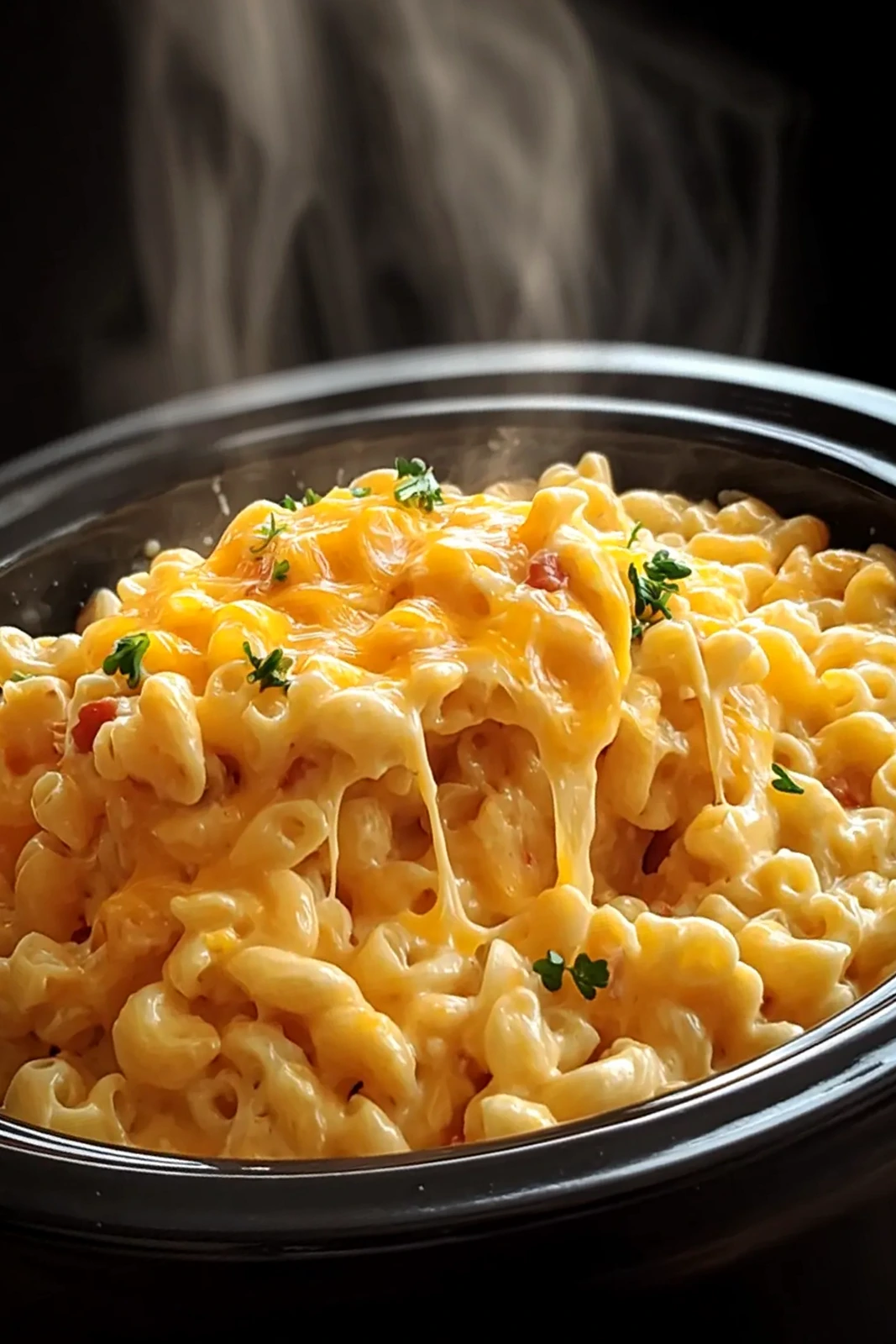
List of ingredients
- 8 oz elbow macaroni
- 2 cups shredded cheese (Cheddar or blend)
- 8 oz cream cheese
- 2 cups milk
- 4 Tbsp butter
- 1 tsp ground mustard
- salt & pepper to taste
step-by-step instructions
- Step: Gather your elbow macaroni and shred the cheese if you haven’t already.
- Step: Boil the elbow macaroni in salted water until it’s al dente, about 7-8 minutes. Drain and set aside.
- Step: In your crockpot, combine the cooked macaroni, butter, milk, ground mustard, and freshly shredded cheese. Stir until evenly mixed.
- Step: Cover the crockpot and set it to low. Let it cook for 2-3 hours, stirring occasionally.
- Step: After about 2 hours, peek inside to see how creamy it is. Add a splash of milk if too thick.
- Step: Transfer to plates and optionally drizzle with extra cheese or herbs.
Essential Preparation Pointers
Using Fresh Grated Cheese
Always prioritize grating your own cheese from a block rather than buying pre-shredded bags. Pre-shredded cheese is often tossed in cellulose or potato starch to prevent clumping in the bag, which can interfere with the way the cheese melts in a slow cooker. By using a fresh block, you ensure the proteins remain pure, resulting in a much smoother, stretchier, and more cohesive cheese sauce that won’t feel gritty or grainy.
Managing the Pasta Texture
Cooking your pasta only to al dente is non-negotiable when using a slow cooker because the noodles will continue to soften as they soak in the warm milk and cheese sauce for several hours. If you boil the pasta until it is completely soft on the stove, it will likely turn mushy or fall apart once it spends time in the slow cooker. Aim for a firm texture that still has a slight bite, allowing the liquid to finish the cooking process gently.
Monitoring for Even Heat
Not all slow cookers heat with the same intensity, and some models feature hot spots along the edges or near the base. Stirring the mixture once per hour is crucial not just for flavor, but for temperature control throughout the vessel. By rotating the contents, you prevent the pasta on the bottom from overheating while ensuring the cheese on top melts thoroughly into the sauce.
Substitutions and Flavor Adaptations
Choosing the Right Dairy
If you prefer a lighter profile, you can swap the whole milk for two percent milk, though it may result in a thinner sauce. Conversely, if you want an ultra-decadent result, using a mix of half-and-half and heavy cream creates a much thicker, restaurant-style consistency. For those avoiding dairy, ensure the plant-based milk used is unsweetened and unflavored, as any hint of vanilla or excessive sweetness will ruin the savory balance of the dish.
Enhancing the Savory Profile
While ground mustard is the standard addition for depth, you can customize the base seasoning to match your specific taste. A small dash of smoked paprika adds a wonderful depth that mimics a wood-fired flavor without changing the heat profile significantly. Alternatively, a quarter teaspoon of onion powder or white pepper can provide a clean, savory backbone that makes the sharp cheddar notes pop without introducing large chunks of aromatics.
Adding Texture Layers
If you find that the dish lacks variety in texture, you can add crunch during the final ten minutes of cooking or as a topping before serving. Toasted breadcrumbs tossed in melted butter and a few herbs make a classic topping that adds a golden, crispy contrast. If you prefer vegetables, stir in some blanched peas or finely diced roasted red peppers toward the end of the cooking cycle to preserve their color and texture.
Serving and Storage Advice
Creating a Balanced Plate
Because this mac and cheese is so rich, it works best when served alongside items that offer acidity or freshness to cut through the heavy cream. A simple side salad dressed with a bright lemon vinaigrette or a plate of roasted green beans with garlic and lemon zest are excellent choices. The contrast between the fatty, salty cheese and the acidic, crunchy vegetables creates a much more satisfying meal that feels intentional rather than heavy.
Refrigeration and Cooling
If you have leftovers, allow the mac and cheese to cool to room temperature before transferring it into an airtight glass or plastic container. Avoid leaving it out on the counter for more than two hours, as the dairy base is susceptible to rapid bacterial growth if kept in the temperature danger zone. Store it in the coldest part of your refrigerator, where it will maintain its quality for up to three days.
Best Practices for Reheating
When reheating, it is important to avoid a microwave if possible, as it can cause the cheese sauce to split, leaving you with oily pasta. Instead, transfer the leftovers to a small saucepan over low heat, adding a tablespoon of water or milk per cup of pasta. Stir gently and constantly until the sauce returns to a creamy state; this slow, controlled heat prevents the proteins from tightening and ensures the sauce stays smooth and glossy.
Frequently Asked Questions
Can I freeze this mac and cheese for later?
Freezing homemade macaroni and cheese is possible, but it is best done before the final bake or final slow cook. If you freeze the fully cooked dish, the pasta will likely become extremely soft once thawed and reheated. For the best result, freeze the sauce and pasta components separately if you are meal prepping, or simply enjoy it fresh for the highest quality experience.
Why is my cheese sauce grainy?
A grainy cheese sauce is usually caused by heating the cheese too quickly or using pre-shredded cheese containing anti-caking agents. High heat causes the proteins in the cheese to clump together and separate from the milk solids. Always keep your slow cooker on the lowest setting and ensure the cheese is added when the milk is warm, not boiling, to prevent this separation.
Can I swap the macaroni for other pasta shapes?
You absolutely can swap the elbow macaroni for other shapes like shells, rotini, or cavatappi. The key is to choose a pasta shape that has ridges or an interior hollow space, as these features are designed to hold onto thick sauces. Avoid long, thin strands like spaghetti or linguine, as they tend to clump together into a single mass rather than remaining individual bites coated in sauce.
Is it okay to leave the cream cheese out?
While you can omit the cream cheese, the dish will lose its characteristic velvet-like texture and may become thinner or more prone to separation. If you choose to skip it, consider adding a small amount of sour cream or Greek yogurt to the mixture just before serving to provide the necessary acidity and thickness. These alternatives work well to mimic the body that the cream cheese provides during the cooking process.
Print
Creamy Crockpot Macaroni and Cheese
- Total Time: 3 hours 15 minutes
- Yield: 8 servings 1x
- Diet: vegetarian
Description
A delicious and creamy macaroni and cheese recipe made in a crockpot, perfect for busy weeknights.
Ingredients
- 8 oz elbow macaroni
- 2 cups shredded cheese (Cheddar or blend)
- 8 oz cream cheese
- 2 cups milk
- 4 Tbsp butter
- 1 tsp ground mustard
- salt & pepper to taste
Instructions
- Step: Gather your elbow macaroni and shred the cheese if you haven’t already.
- Step: Boil the elbow macaroni in salted water until it’s al dente, about 7-8 minutes. Drain and set aside.
- Step: In your crockpot, combine the cooked macaroni, butter, milk, ground mustard, and freshly shredded cheese. Stir until evenly mixed.
- Step: Cover the crockpot and set it to low. Let it cook for 2-3 hours, stirring occasionally.
- Step: After about 2 hours, peek inside to see how creamy it is. Add a splash of milk if too thick.
- Step: Transfer to plates and optionally drizzle with extra cheese or herbs.
Notes
This recipe can be easily modified to be gluten-free by using gluten-free pasta. Freshly grated cheese will melt better than pre-shredded cheese. Experiment with different types of cheese for varied flavors.
- Prep Time: 15 minutes
- Cook Time: 3 hours
- Category: main course
- Method: crockpot
- Cuisine: American
Nutrition
- Serving Size: 1 serving
- Calories: 350 kcal
- Sugar: 5 g
- Sodium: 600 mg
- Fat: 20 g
- Saturated Fat: 11 g
- Unsaturated Fat: 7 g
- Trans Fat: 0 g
- Carbohydrates: 29 g
- Fiber: 1 g
- Protein: 15 g
- Cholesterol: 60 mg
Keywords: mac and cheese, crockpot, slow cooker, comfort food, vegetarian