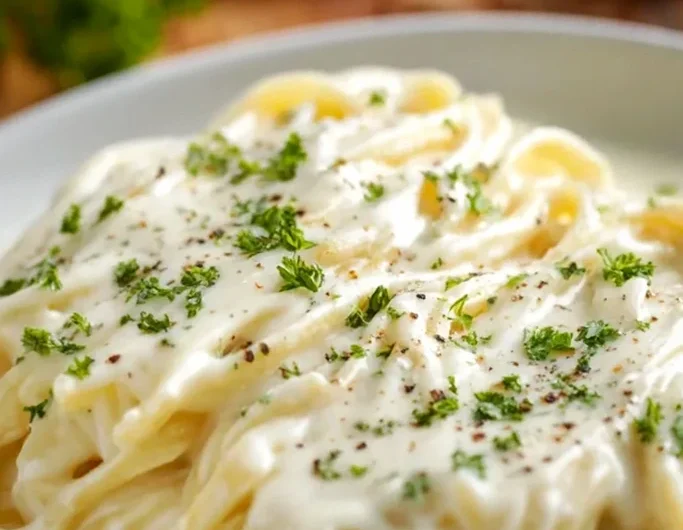
Creating a restaurant-quality Alfredo sauce in your own kitchen is a rewarding experience that requires only a handful of pantry staples and a little bit of patience. This recipe delivers a luxurious, velvet-smooth texture and a deeply savory Parmesan profile that transforms simple pasta into an indulgent meal. By mastering the delicate balance of heat and high-quality dairy, you can achieve that perfect glossy coating that professional chefs are known for.
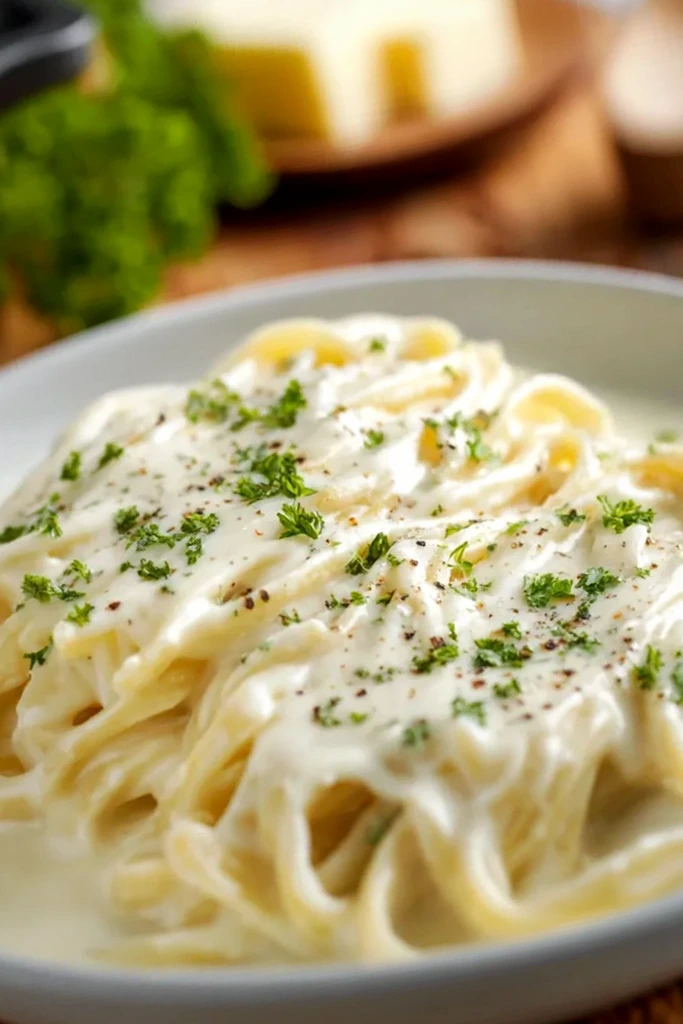
List of ingredients
- 0.5 cup butter
- 4 cloves garlic, minced
- 2 cups heavy cream
- 2 cups freshly grated Parmesan cheese
- 0.5 teaspoon salt
- 0.5 teaspoon black pepper
- 1 pinch nutmeg
step-by-step instructions
- Step: Melt butter in a saucepan over medium heat.
- Step: Add garlic and sauté until fragrant, 30–60 seconds.
- Step: Add heavy cream and bring to a gentle simmer.
- Step: Slowly whisk in Parmesan until smooth and creamy.
- Step: Season with salt, pepper, and optional nutmeg.
- Step: Simmer 2–3 minutes until slightly thickened.
- Step: Serve immediately with hot pasta.
Refining Your Technique for Professional Results
Achieving the Perfect Emulsion
The secret to a stable Alfredo sauce lies in the temperature control of your dairy. When adding cheese to the heated cream, always ensure the heat is turned down to the lowest setting to prevent the fat from separating. If the sauce begins to look oily, remove the pan from the heat immediately and whisk in a small splash of room-temperature heavy cream to re-stabilize the emulsion.
Selecting the Right Cheese Quality
Always opt for authentic Parmigiano-Reggiano if your budget allows. This cheese is aged longer, which results in a more complex flavor and superior melting capabilities. When you grate it finely using a microplane or the finest side of your box grater, the cheese melts into the cream almost instantly, ensuring a smooth, grit-free final texture that clings to the pasta strands perfectly.
Practical Guidance for Recipe Success
Avoiding Common Texture Issues
If your sauce turns out too thin, do not be tempted to add more cheese immediately, as this can lead to clumping. Instead, continue to simmer the mixture on low heat for an extra minute or two, stirring constantly to allow the water content in the cream to evaporate naturally. Patience is the primary ingredient when trying to thicken a sauce based on cream and cheese.
Managing Sauce Consistency
If you find that your Alfredo sauce has become too thick after sitting, you can easily rescue it before serving. Simply reserve about a quarter cup of the starchy water from your pasta pot. Add this water to the sauce one teaspoon at a time, whisking constantly until it returns to a silky, pourable consistency. The starch in the pasta water also helps the sauce adhere better to your noodles, making it a professional chef’s secret for perfect pasta dishes.
Temperature Control During Assembly
Never add cold pasta to your sauce, as the temperature difference will cause the fat in the Parmesan to seize, resulting in a grainy texture. Ensure your pasta is drained quickly and transferred while still piping hot. If you are preparing a large batch, you can even warm your serving bowls with hot water beforehand to keep the sauce at the ideal serving temperature for longer.
Creative Variations and Flavor Enhancements
Adding Protein for a Hearty Meal
To turn this sauce into a complete dinner, consider incorporating pan-seared chicken breast slices or quick-sauteed shrimp. If using shrimp, cook them in a separate pan with a little butter and garlic before adding them to the final sauce. This prevents the delicate seafood from overcooking in the heavy cream and keeps the flavors clean and distinct.
Incorporating Fresh Herbs and Aromatics
While the classic version is simple, you can elevate the profile by adding finely chopped fresh Italian parsley or chives at the very last second. Avoid adding dried herbs during the simmering stage, as they can become bitter or overly gritty. Fresh basil or a light dusting of lemon zest can also provide a bright contrast that balances the intense richness of the heavy cream and cheese.
Managing Storage and Reheating
Proper Refrigeration Techniques
Store any leftover sauce in an airtight glass container to prevent it from absorbing refrigerator odors. It will stay fresh for up to four days in the coldest part of your fridge. Note that the sauce will thicken significantly as it cools due to the dairy content, but this is a natural reaction to the cold and does not indicate spoilage.
Reheating Without Separation
The best way to reheat Alfredo sauce is on the stovetop using very low heat. Add a small amount of heavy cream or milk to the pan before turning on the burner to help loosen the sauce. Stir continuously and gently; avoid using the microwave, as it tends to heat unevenly and can cause the cheese proteins to tighten and pull away from the fat, resulting in a separated, oily mess.
Frequently Asked Questions
Why does the sauce separate into oil and solids?
Separation usually occurs if the sauce is boiled or if the cheese is added while the cream is too hot. Always keep the heat on low when introducing the cheese, and never allow the sauce to bubble vigorously once the dairy has been combined.
Can I substitute milk for the heavy cream?
You can replace a portion of the cream with whole milk to reduce the overall richness, but do not replace all of it. Heavy cream provides the essential fat needed for the sauce to emulsify and hold its structure; using only milk will result in a thin, watery sauce that fails to coat the pasta properly.
How can I make the sauce even thicker without adding more flour?
Avoid using flour, as it changes the flavor profile of the dish. Instead, let the sauce simmer for a longer period over very low heat. You can also add a small amount of high-quality butter right at the end to thicken the sauce via the monter au beurre technique, which provides a glossy sheen and a luxurious mouthfeel.
What is the best type of pasta for this recipe?
Long, flat noodles like fettuccine, linguine, or tagliatelle work best because they offer a large surface area for the sauce to cling to. However, if you prefer short pasta, shapes like penne or fusilli are excellent because they have hollow centers or ridges that trap the creamy sauce, ensuring every bite is flavorful.
Can I freeze this sauce for later use?
Freezing is not recommended because the high dairy and fat content will likely cause the emulsion to break upon thawing. When the ice crystals form and melt, the cheese proteins separate from the butterfat, creating a grainy texture that cannot be fixed. It is always best to prepare this sauce fresh, given how quickly it comes together.
Print
The Best Homemade Alfredo Sauce
- Total Time: PT15M
- Yield: 6 servings 1x
- Diet: Vegetarian
Description
A rich, creamy Alfredo sauce made with butter, heavy cream, and freshly grated Parmesan for a smooth restaurant-quality finish.
Ingredients
- 0.5 cup butter
- 4 cloves garlic, minced
- 2 cups heavy cream
- 2 cups freshly grated Parmesan cheese
- 0.5 teaspoon salt
- 0.5 teaspoon black pepper
- 1 pinch nutmeg
Instructions
- Step: Melt butter in a saucepan over medium heat.
- Step: Add garlic and sauté until fragrant, 30–60 seconds.
- Step: Add heavy cream and bring to a gentle simmer.
- Step: Slowly whisk in Parmesan until smooth and creamy.
- Step: Season with salt, pepper, and optional nutmeg.
- Step: Simmer 2–3 minutes until slightly thickened.
- Step: Serve immediately with hot pasta.
Notes
Use freshly grated Parmesan for the smoothest sauce. Do not let the sauce boil, as this can cause the cheese to clump or separate. Warm your pasta before tossing to ensure even coating.
- Prep Time: PT5M
- Cook Time: PT10M
- Category: Sauce
- Method: Stovetop
- Cuisine: Italian-American
Nutrition
- Serving Size: 1/6 of recipe
- Calories: 380 kcal
- Sugar: 1.5 g
- Sodium: 450 mg
- Fat: 36 g
- Saturated Fat: 22 g
- Unsaturated Fat: 10 g
- Trans Fat: 0 g
- Carbohydrates: 4 g
- Fiber: 0 g
- Protein: 10 g
- Cholesterol: 110 mg
Keywords: alfredo, pasta sauce, creamy parmesan, italian-american, dinner, vegetarian