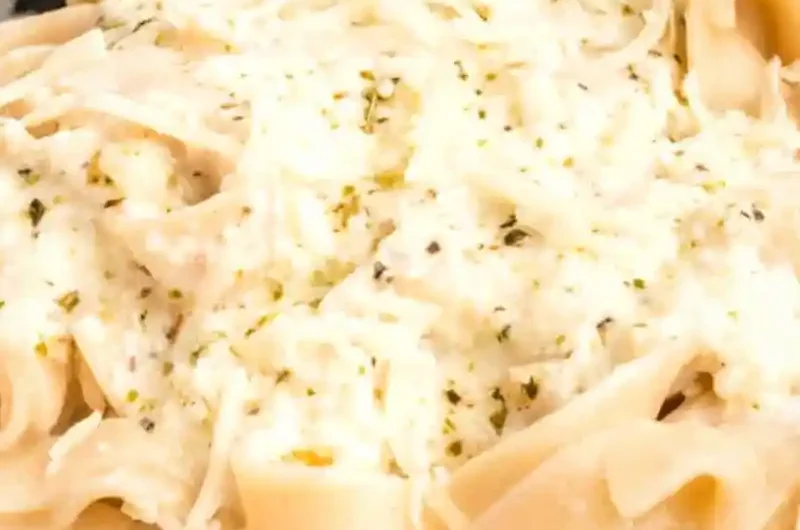
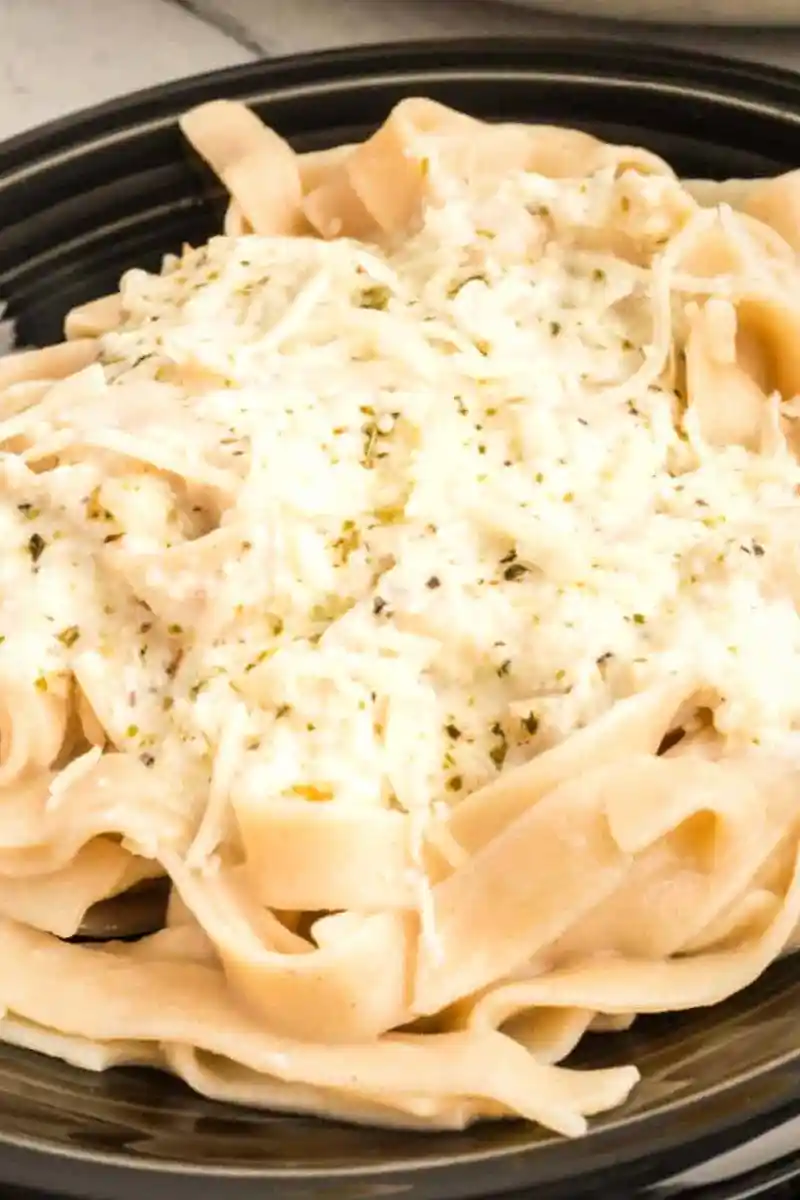
This lighter Alfredo sauce provides all the comfort of a classic creamy pasta dish while keeping the caloric footprint manageable. By utilizing a blend of skim milk and light cream cheese, this recipe achieves a luxurious texture without relying on heavy cream or excessive butter. It is the perfect solution for busy weeknights when you want a satisfying meal that fits into a balanced lifestyle.
List of ingredients
- 2 cups skim milk
- 1/2 cup Parmesan cheese
- 4 ounces light cream cheese
- 2 tablespoons olive oil
- 1 tablespoon Italian seasoning
- salt to taste
step-by-step instructions
- Step: Put the oil and milk in a pan and heat until bubbly.
- Step: Add the Parmesan and cream cheese and stir until melted and smooth.
- Step: Stir in the Italian seasoning and salt; continue to cook over medium heat for at least 2 more minutes while stirring to thicken.
- Step: Serve with pasta or other recipes using Alfredo sauce.
Improving Sauce Texture
Achieving a Perfectly Smooth Consistency
The most important factor in a lump-free sauce is the temperature of your cream cheese. Always ensure your cream cheese is softened to room temperature before adding it to the warm milk. If the cheese remains too cold, it will take longer to melt, which can lead to overcooking the milk and potentially causing it to scald or separate.
Managing the Heat Levels
Maintain a consistent medium-low heat throughout the cooking process. High heat can cause the milk proteins to denature too quickly, leading to a grainy texture in the final sauce. If you notice the sauce thickening too rapidly, simply lower the heat and whisk in an extra splash of milk to restore the desired consistency.
Creative Flavor Enhancements
Boosting the Savory Profile
While the Italian seasoning provides a solid foundation, adding fresh aromatics can elevate the dish significantly. Finely minced shallots or sautéed garlic cloves cooked briefly in the olive oil before adding the milk will add layers of complexity. You can also incorporate a pinch of red pepper flakes if you prefer a subtle heat that cuts through the creaminess.
Adding Brightness with Citrus or Herbs
To cut the richness of the dairy, consider whisking in a teaspoon of fresh lemon zest right at the end of the cooking process. A handful of finely chopped fresh flat-leaf parsley or basil stirred in just before serving will also provide a vibrant, herbaceous pop that complements the earthy tones of the Parmesan.
Practical Serving Suggestions
Ideal Pasta Pairings
This sauce adheres best to pasta shapes with plenty of surface area, such as fettuccine, pappardelle, or linguine. Because the sauce is lighter than a traditional heavy cream version, it also works remarkably well with tubular shapes like penne or rigatoni, which trap the creamy sauce inside their centers for a balanced bite.
Using the Sauce Beyond Pasta
Transform this recipe into a versatile kitchen staple by using it as a white base for pizzas, replacing traditional red sauce. It also serves beautifully as a creamy gravy for roasted vegetables like cauliflower or broccoli. For a lighter dinner, drizzle the warm sauce over grilled chicken breasts or seared white fish to provide immediate moisture and flavor.
Storage and Reheating Advice
Maintaining Quality in the Fridge
If you have leftovers, allow the sauce to cool completely before transferring it to an airtight glass container. Keep it in the coldest part of your refrigerator, where it will maintain its quality for up to four days. Avoid keeping it in the door of the fridge where temperature fluctuations are more frequent.
Techniques for Gentle Reheating
When reheating, use a saucepan on the stove over low heat to prevent the cheese from breaking. If the sauce has thickened too much in the fridge, whisk in a tablespoon of milk or vegetable broth to loosen it up. Avoid using the microwave if possible, as it tends to heat unevenly and can cause the dairy to separate or become gritty.
Common Questions Addressed
Can I make this sauce dairy-free?
While this recipe relies on traditional dairy for its structure, you can experiment with high-quality, unsweetened almond or oat milk as a base. For the cheese components, substitute with high-quality plant-based Parmesan alternatives and dairy-free cream cheese spreads that are specifically designed for melting. Keep in mind that plant-based fats respond differently to heat, so use a very gentle simmer.
Why did my sauce separate?
Separation usually occurs if the sauce is boiled or if the cheese is added while the milk is at a rolling boil. Keep the heat controlled at a steady, gentle simmer. If separation does happen, remove the pan from the heat immediately and whisk vigorously or use an immersion blender to re-emulsify the fats and liquids back together.
Can I thicken the sauce further?
If you prefer a thicker sauce, you can create a slurry using a half-teaspoon of cornstarch mixed with one tablespoon of cold water. Whisk this mixture into the sauce while it is simmering and allow it to cook for an additional minute until it thickens to your preference. This is a very effective way to adjust the consistency without adding more cheese or fats.
Should I use pre-grated cheese?
It is strongly recommended to grate your own Parmesan cheese from a block. Pre-grated cheese is often coated in cellulose or anti-caking agents, which prevents it from melting into a smooth, silky sauce and can leave your dish with a grainy or powdery mouthfeel. Hand-grating ensures the cheese melts perfectly into the milk base.
How do I prevent a skin from forming?
As the sauce cools, a skin may form on the surface due to the protein content in the milk and cheese. To prevent this, press a piece of plastic wrap directly onto the surface of the sauce once it is in the storage container, ensuring there is no air gap. This maintains the moisture content on the top layer and keeps the texture smooth for the next time you use it.
Can I add protein to the sauce directly?
Yes, you can stir in pre-cooked shredded chicken, diced cooked shrimp, or even canned chickpeas to create a complete meal in one pan. Add these ingredients during the final minute of cooking to ensure they are thoroughly warmed through without drying out. This method ensures that every piece of protein is well-coated in the sauce for a consistent flavor experience in every bite.
Print
Better For You Alfredo Sauce Recipe
- Total Time: 30 minutes
- Yield: 8 servings 1x
- Diet: Vegetarian
Description
Experience guilt-free indulgence with our Better For You Alfredo Sauce. Creamy, low-fat, and irresistibly delicious for your dishes!
Ingredients
- 2 cups skim milk
- 1/2 cup Parmesan cheese
- 4 ounces light cream cheese
- 2 tablespoons olive oil
- 1 tablespoon Italian seasoning
- salt to taste
Instructions
- Step: Put the oil and milk in a pan and heat until bubbly.
- Step: Add the Parmesan and cream cheese and stir until melted and smooth.
- Step: Stir in the Italian seasoning and salt; continue to cook over medium heat for at least 2 more minutes while stirring to thicken.
- Step: Serve with pasta or other recipes using Alfredo sauce.
Notes
For a tomato cream sauce, add 1 cup marinara sauce with the Italian seasoning. Store any leftover Alfredo sauce in an airtight container in the refrigerator for up to 3-4 days. Reheat it gently on the stove or in the microwave, stirring occasionally. Freezing is not recommended for this recipe.
- Prep Time: 10 minutes
- Cook Time: 20 minutes
- Category: Sauces & Condiments
- Method: Stovetop
- Cuisine: Italian
Nutrition
- Serving Size: 1 serving
- Calories: 106 kcal
- Sugar: 4 g
- Sodium: 176 mg
- Fat: 7 g
- Saturated Fat: 3 g
- Unsaturated Fat: 4 g
- Trans Fat: 0 g
- Carbohydrates: 5 g
- Fiber: 0.3 g
- Protein: 6 g
- Cholesterol: 14 mg
Keywords: Alfredo sauce, healthy alfredo, cream sauce, low fat alfredo, italian sauce