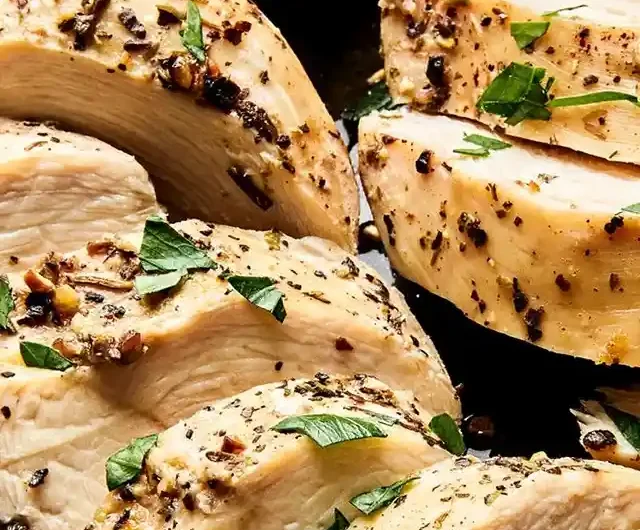
Achieving perfectly tender, juicy chicken breasts at home is now faster and more reliable than ever before. Using your pressure cooker allows you to transform simple poultry into a succulent centerpiece or a versatile foundation for your weekly meal prep in roughly 20 minutes. This method works beautifully with either fresh or frozen chicken, ensuring a delicious outcome every single time.
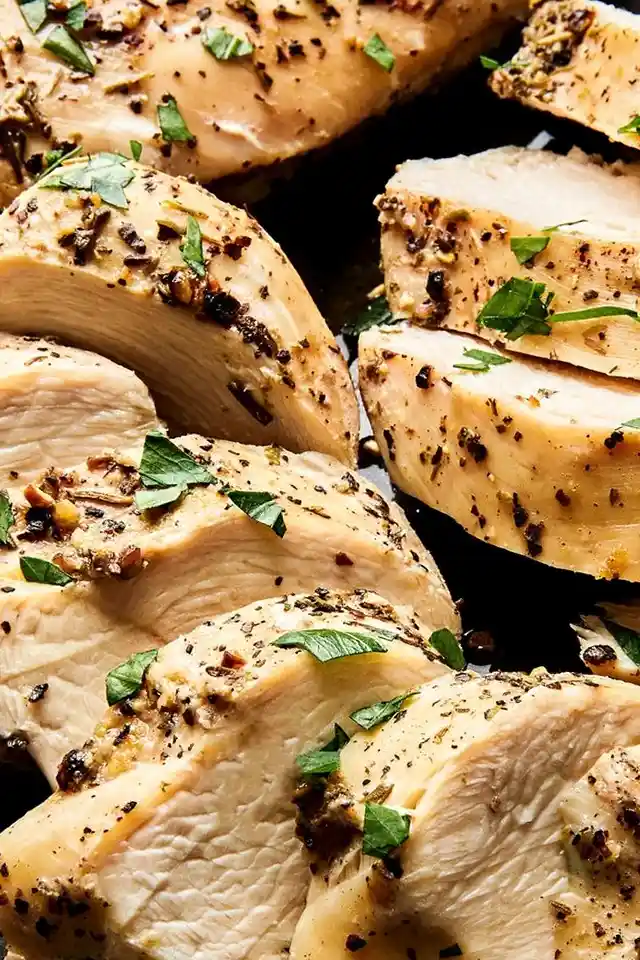
List of ingredients
- 1 cup chicken stock
- 2 to 3 pounds boneless, skinless chicken breast, room temperature or frozen
- 1 teaspoon Italian seasoning, oregano, basil or thyme
- ½ teaspoon garlic powder
- 1 teaspoon brown sugar
- 1 teaspoon kosher salt
- ½ teaspoon freshly cracked black pepper
step-by-step instructions
- Step: Line an Instant Pot with the trivet insert. Pour the chicken stock into the base.
- Step: Place the chicken into a large bowl. If using frozen chicken, make sure the breasts are separated. Sprinkle with the Italian seasoning, garlic powder, brown sugar, salt, and pepper. Toss to coat.
- Step: Place the seasoned chicken into the Instant Pot in a single layer. Secure the lid and put the vent in the closed position.
- Step: Pressure cook on high for 10 minutes for fresh chicken, or 15 minutes for frozen. It will take about 10 minutes to come to pressure.
- Step: When the cook time is finished, wait for the pressure to release naturally or carefully move the vent a little at a time for a quick release. Check the chicken’s internal temperature registers 165°F on an instant-read thermometer.
Refining your cooking technique
Optimal pressure release methods
When cooking lean proteins like chicken breast, the release method matters. A natural release of pressure prevents the protein fibers from contracting too rapidly, which helps the meat retain its internal juices and stay tender. If you are in a rush, a controlled quick release works well, provided you monitor the meat immediately after.
Ensuring proper heat distribution
While the recipe specifies a single layer, modern pressure cookers are efficient enough to handle slight overlapping. If you find your chicken breasts are unusually large, consider cutting them into uniform halves to ensure they all reach the target temperature at the same time. This simple step prevents the exterior from becoming tough while the center stays raw.
Customizing flavor profiles
Versatile herb combinations
The seasoning blend provided acts as a reliable starting point for many different cuisines. Feel free to swap the Italian seasoning for a Mediterranean blend with lemon zest, or try a smoky profile using paprika and cumin. Because the chicken is cooked in broth, it absorbs these dry rub aromatics effectively, creating a deeply flavored result that pairs with almost any side dish.
Enhancing the cooking liquid
While chicken stock is the standard, you can swap it for a vegetable-based broth for a lighter profile or even incorporate a splash of mild citrus juice. Adding a few cloves of crushed garlic or a knob of fresh ginger directly into the liquid before sealing the pot will gently perfume the meat as it steams, elevating the final dish without adding any extra fat.
Managing large batches and storage
Efficiently storing leftovers
This chicken is a superstar for weekly meal prep because it remains moist even after being refrigerated. Once cooled, store the breasts in an airtight container for up to four days. To prevent the chicken from drying out during storage, add a tablespoon of the cooking liquid from the pot into the container with the chicken.
Freezing prepared poultry
If you have cooked more than you can use within a few days, you can easily freeze the prepared chicken. Wrap each breast individually in plastic wrap and then place them in a freezer-safe bag to prevent freezer burn. When you are ready to use the chicken, thaw it in the refrigerator overnight, and it will maintain its texture perfectly for soups, salads, or quick skillet meals.
Troubleshooting common concerns
Correcting a burn warning
The most common issue with pressure cooking is the burn indicator, which usually triggers if there is insufficient liquid or if residue on the pot base creates a hot spot. Always ensure the chicken stock is poured in first and avoid stirring the ingredients after adding the chicken to the pot. If the alert persists, ensure your sealing ring is properly installed and clean.
Achieving the ideal texture
If you find your chicken is slightly stringy, it may have been overcooked. Since pressure cookers vary in how quickly they reach pressure, start with the lower end of the recommended time if your specific model is known for high heat. If the chicken is not quite done, you can return it to the pot for two additional minutes under pressure.
Managing different breast sizes
Not all chicken breasts are created equal in size or thickness. To get the most consistent results, try to select breasts that are roughly similar in weight. If you have one massive piece and one small one, trim the larger piece to match the size of the smaller one so that you never end up with one piece that is dry while the other is undercooked.
Creative serving suggestions
Building nutritious plates
Because this chicken is lightly seasoned, it serves as an excellent blank canvas for various sauces. Try serving it over a bed of steamed grains, alongside roasted root vegetables, or shredded into a vibrant salad with a lemon-tahini dressing. The mild flavor profile ensures that it will complement, rather than compete with, your favorite seasonal toppings and fresh herbs.
Repurposing into new meals
Think of this recipe as your weekly shortcut to better lunches. The cooked meat can be easily diced and added to vegetable-heavy soups in the final minutes of simmering, or tossed into a warm bowl of grains. It also shreds beautifully with two forks, making it perfect for quick wraps, tacos, or mixing with a small amount of mayonnaise and celery for a classic chicken salad lunch.
Frequently asked questions
Can I use frozen chicken?
Yes, you can cook frozen chicken directly in the pot. Simply follow the exact instructions for seasoning, but increase the cooking time to 15 minutes. Ensure the frozen breasts are separated before you start the pressure-cooking cycle to ensure even heat penetration throughout the entire batch.
How do I know if the chicken is finished?
The only truly reliable way to ensure safety and quality is by using an instant-read thermometer. Insert the probe into the thickest part of the largest breast to verify an internal temperature of 165°F. This practice removes any guesswork and prevents you from overcooking the meat by relying on timing alone.
Does the type of chicken matter?
This recipe is designed specifically for boneless, skinless chicken breasts. If you choose to use chicken thighs instead, note that they are more forgiving and have a higher fat content, which usually requires slightly different timing. For the best result with this specific instruction set, stick to the breast portions as noted in the ingredients.
What if I do not have a trivet?
If you do not have the metal trivet insert, you can still successfully prepare this dish. The primary goal of the trivet is to keep the meat from scorching on the bottom of the hot metal pot. If you omit it, just be extra careful to layer the chicken neatly and ensure there is enough liquid to provide consistent steam, which will still yield delicious, moist results.
Print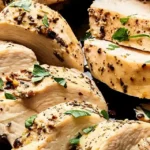
Instant Pot Chicken
- Total Time: PT30M
- Yield: 6 1x
- Diet: dairy-free, gluten-free, low-carb, whole-30
Description
In about 20 minutes, you can cook boneless skinless chicken breasts—even frozen ones—and they’ll be tender, moist and delicious! Say hello to the best Instant Pot chicken recipe ever.
Ingredients
- 1 cup chicken stock
- 2 to 3 pounds boneless, skinless chicken breast, room temperature or frozen
- 1 teaspoon Italian seasoning, oregano, basil or thyme
- ½ teaspoon garlic powder
- 1 teaspoon brown sugar
- 1 teaspoon kosher salt
- ½ teaspoon freshly cracked black pepper
Instructions
- Step: Line an Instant Pot with the trivet insert. Pour the chicken stock into the base.
- Step: Place the chicken into a large bowl. If using frozen chicken, make sure the breasts are separated. Sprinkle with the Italian seasoning, garlic powder, brown sugar, salt, and pepper. Toss to coat.
- Step: Place the seasoned chicken into the Instant Pot in a single layer. Secure the lid and put the vent in the closed position.
- Step: Pressure cook on high for 10 minutes for fresh chicken, or 15 minutes for frozen. It will take about 10 minutes to come to pressure.
- Step: When the cook time is finished, wait for the pressure to release naturally or carefully move the vent a little at a time for a quick release. Check the chicken’s internal temperature registers 165°F on an instant-read thermometer.
Notes
Chicken breasts can be stacked if they do not fit in a single layer. For best results, use an instant-read thermometer to ensure internal temperature reaches 165°F.
- Prep Time: PT5M
- Cook Time: PT25M
- Category: dinner
- Method: pressure-cooker
- Cuisine: American
Nutrition
- Serving Size: 1 breast
- Calories: 234 kcal
- Sugar: 1 g
- Sodium: 272 mg
- Fat: 5 g
- Saturated Fat: 1.5 g
- Unsaturated Fat: 3 g
- Trans Fat: 0 g
- Carbohydrates: 1 g
- Fiber: 0 g
- Protein: 43 g
- Cholesterol: 138 mg
Keywords: Instant Pot, chicken, healthy, dinner, dairy-free, gluten-free, low-carb, whole-30, 30-minute-meals, kid-friendly, pressure-cooker