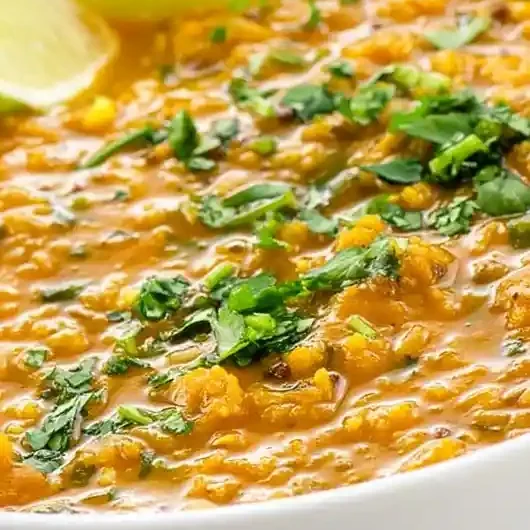
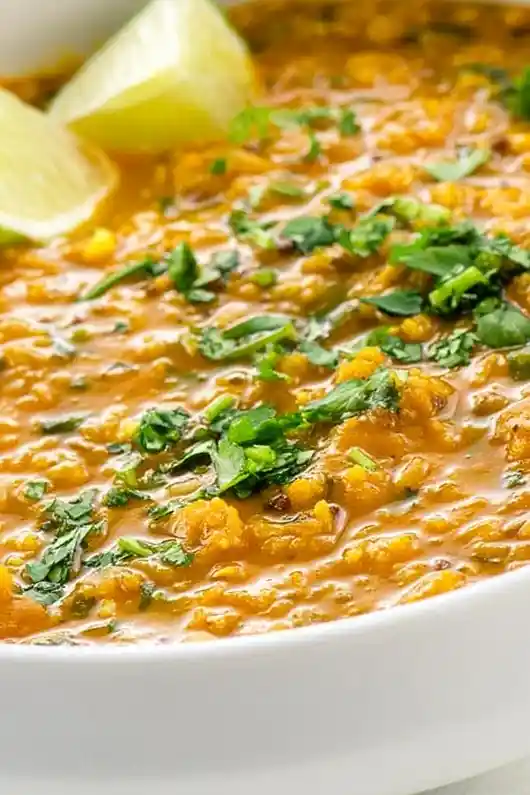
This vibrant red lentil dahl provides a nourishing, plant-based meal that balances creamy textures with aromatic spices. It is a satisfying dish that works perfectly as a protein-rich dinner or a hearty side served alongside warm flatbreads or steamed rice. By utilizing red lentils, you can achieve a rich, comforting consistency in under an hour, making it an ideal choice for busy evenings.
List of ingredients
- 2 tablespoons safflower oil
- 1 medium yellow onion (finely diced)
- 1 inch fresh ginger (peeled and minced)
- 6 garlic cloves (minced)
- 1 teaspoon fine sea salt
- 2 teaspoons black mustard seeds
- 2 teaspoons cumin seeds
- 2 green cardamom pods
- 1 teaspoon ground turmeric
- 1 teaspoon ground coriander
- 1 teaspoon paprika
- 1/4 teaspoon ground cayenne
- 1/2 teaspoon freshly ground black pepper
- 4 cups water
- 2 tablespoons tomato paste
- 1 13.5-ounce can coconut milk
- 2 cups dry red lentils
- 1/2 cup chopped fresh cilantro
- Juice of 1/2 lime
step-by-step instructions
- Step: Heat the oil over medium heat in a large pan that has a lid.
- Step: Add the onion, garlic, and ginger, sprinkle with the salt, and cook until the onion is softening and beginning to turn translucent, about 5 minutes.
- Step: Add the mustard and cumin seeds and cardamom pods and cook for one minute.
- Step: Add the turmeric, coriander, paprika, cayenne, and black pepper and cook, stirring, constantly, for 30 seconds.
- Step: Add the water, tomato paste, and coconut milk and stir to combine.
- Step: Pour in the lentils.
- Step: Bring to a boil, then reduce the heat to maintain a simmer and cover the pan.
- Step: Cook until lentils are tender, about 20 minutes.
- Step: Off the heat, stir in the cilantro and lime juice.
- Step: Let rest for at least 10 minutes before serving.
Refining the Preparation
Achieving the Proper Consistency
Red lentils possess a natural ability to break down during the simmering process, which is exactly what creates the signature creamy texture of a classic dahl. If you prefer a thinner soup-like consistency, you can stir in an additional half-cup of water during the final minutes of cooking. Conversely, if you prefer a thicker, dip-like texture, simply simmer the mixture uncovered for a few extra minutes after the lentils are tender.
Toasting Spices Properly
The step of blooming your whole seeds and ground spices in hot oil is critical for building the deep flavor base of this dish. When you add the spices, keep the heat at a controlled medium level to avoid scorching, which can turn the spices bitter rather than aromatic. You will know the spices are ready when the kitchen becomes filled with their distinct, concentrated scent, usually within thirty seconds to a minute of active stirring.
Selecting the Right Lentils
Ensure you are using dry red lentils rather than split peas or larger brown or green lentils, as red lentils have a unique, quick-cooking nature that makes this recipe work. They do not require pre-soaking, which is a major advantage for home cooks, but they must be rinsed thoroughly in a fine-mesh strainer to remove any dust or debris. If your lentils are older, they may take an extra five minutes to soften completely, so always taste-test for tenderness before declaring the cooking process finished.
Versatile Substitutions
Finding Alternatives for Aromatic Bases
If you find yourself without ginger or garlic, you can use high-quality powders, though the flavor will differ slightly from the fresh ingredients. Use one-quarter teaspoon of ground ginger and a half-teaspoon of garlic powder as a baseline, adding them at the same time you add the other ground spices. If fresh onion is unavailable, shallots are an excellent mild alternative that sautés just as beautifully and adds a refined touch to the finished dahl.
Adapting Spice Profiles
While the combination of cumin, coriander, and mustard seeds provides a traditional profile, you can customize the heat and intensity to suit your palate. If the cayenne pepper is too bold, you can replace it with a pinch of smoked paprika or a mild chili powder for a different dimension of warmth. Those who love cardamom can leave the pods whole during service, but removing them before eating is recommended as they can be quite pungent if bitten into directly.
Serving and Accompaniments
Pairing with Grains
Basmati rice is the classic companion for this dahl, as its light, fluffy texture complements the rich, creamy consistency of the lentils. For a heartier meal, consider serving the dahl with warm garlic naan or toasted pita triangles to scoop up every last bit of the sauce. If you want to increase the vegetable content of your meal, you can stir in some steamed baby spinach or sautéed kale just before serving, as the greens wilt perfectly in the residual heat.
Adding Texture and Contrast
To provide a contrast to the soft texture of the lentils, consider topping your serving with crunchy elements like toasted cashews or crispy fried shallots. A dollop of plain, unsweetened coconut yogurt can also add a cooling effect that balances the spice blend, especially if you have increased the amount of cayenne pepper. Sprinkling a few extra fresh herbs, such as mint leaves alongside the cilantro, adds a bright aromatic layer that elevates the presentation for guests.
Storage and Preservation
Managing Leftovers
This dahl is notorious for tasting even better on the second day, as the lentils continue to absorb the aromatic spices while resting in the refrigerator. Store any remaining dahl in an airtight glass container, where it will remain fresh for up to five days. Because the starch in the lentils will thicken significantly when chilled, you will likely need to add a small splash of water when reheating to restore the original creamy texture.
Freezing for Future Meals
Red lentil dahl freezes remarkably well, making it a perfect candidate for batch cooking and emergency meal planning. Pour the cooled dahl into freezer-safe containers, leaving a half-inch of headspace to allow for expansion. When you are ready to eat, thaw the container in the refrigerator overnight and reheat gently on the stovetop over low heat, stirring occasionally to ensure the coconut milk remains emulsified. While freezing is effective, be aware that the texture may become slightly more rustic, which can be fixed by a quick stir with a whisk during the reheating process.
Common Questions
How can I avoid the coconut milk separating?
To prevent separation, ensure the coconut milk is well-incorporated with the tomato paste and water before adding the dry lentils. If you find your specific brand of coconut milk is particularly prone to separation, add it to the pot after the lentils have begun to soften rather than at the very beginning of the simmering process. Keeping the heat at a gentle, controlled simmer also helps maintain the stability of the fats in the coconut milk throughout the cooking duration.
Why are the lentils not softening after 20 minutes?
If your lentils remain firm after the recommended cooking time, check your water-to-lentil ratio and the heat level of your stove. A simmer must be vigorous enough to actually cook the starches, so if the liquid is barely bubbling, the process will take significantly longer. Additionally, if your water contains a high mineral content, it can sometimes toughen the skins of legumes; in such cases, simply add a small amount of extra water and continue to simmer covered until they reach your desired level of tenderness.
Can I add more vegetables to this pot?
You can certainly incorporate additional vegetables, though you should choose those with similar cooking times to ensure everything finishes together. Diced sweet potatoes or cauliflower florets are excellent additions; simply add them to the pot at the same time as the lentils and ensure you increase the water amount by about one-half cup to account for their absorption. Root vegetables like carrots can also be added, provided they are cut into small, uniform cubes to allow them to cook through in the twenty-minute window.
Is this dish suitable for those with dietary restrictions?
This dahl is naturally vegan and gluten-free, provided you verify that your spice blends and tomato paste are produced in facilities that do not introduce cross-contamination. It is a fantastic option for a variety of dietary needs, offering high protein and fiber content without the need for meat or dairy products. Always double-check your labels for any hidden additives if you are cooking for guests with severe food sensitivities or specific allergy requirements.
Print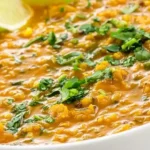
Red Lentil Dahl with Coconut Milk
- Total Time: 40 minutes
- Yield: 8 servings 1x
- Diet: Vegan, Gluten-Free
Description
This cozy dahl makes a healthful and flavorful component of a meal or a dinner in its own right.
Ingredients
- 2 tablespoons safflower oil
- 1 medium yellow onion (finely diced)
- 1 inch fresh ginger (peeled and minced)
- 6 garlic cloves (minced)
- 1 teaspoon fine sea salt
- 2 teaspoons black mustard seeds
- 2 teaspoons cumin seeds
- 2 green cardamom pods
- 1 teaspoon ground turmeric
- 1 teaspoon ground coriander
- 1 teaspoon paprika
- 1/4 teaspoon ground cayenne
- 1/2 teaspoon freshly ground black pepper
- 4 cups water
- 2 tablespoons tomato paste
- 1 13.5-ounce can coconut milk
- 2 cups dry red lentils
- 1/2 cup chopped fresh cilantro
- Juice of 1/2 lime
Instructions
- Step: Heat the oil over medium heat in a large pan that has a lid.
- Step: Add the onion, garlic, and ginger, sprinkle with the salt, and cook until the onion is softening and beginning to turn translucent, about 5 minutes.
- Step: Add the mustard and cumin seeds and cardamom pods and cook for one minute.
- Step: Add the turmeric, coriander, paprika, cayenne, and black pepper and cook, stirring, constantly, for 30 seconds.
- Step: Add the water, tomato paste, and coconut milk and stir to combine.
- Step: Pour in the lentils.
- Step: Bring to a boil, then reduce the heat to maintain a simmer and cover the pan.
- Step: Cook until lentils are tender, about 20 minutes.
- Step: Off the heat, stir in the cilantro and lime juice.
- Step: Let rest for at least 10 minutes before serving.
Notes
Red lentils (masoor) are small and quick-cooking. Safflower oil is recommended for its high smoke point, but any neutral vegetable oil works. Store leftovers in an airtight container in the fridge for up to a week. You can freeze this meal for up to a year.
- Prep Time: 10 minutes
- Cook Time: 30 minutes
- Category: Beans + Lentils
- Method: Stovetop
- Cuisine: Middle Eastern
Nutrition
- Serving Size: 1 serving
- Calories: 252 kcal
- Sugar: 2 g
- Sodium: 320 mg
- Fat: 6.3 g
- Saturated Fat: 4 g
- Unsaturated Fat: 2.3 g
- Trans Fat: 0 g
- Carbohydrates: 38.8 g
- Fiber: 6.5 g
- Protein: 13.1 g
- Cholesterol: 0 mg
Keywords: dahl, red lentil, coconut milk, vegan, gluten-free, indian-inspired