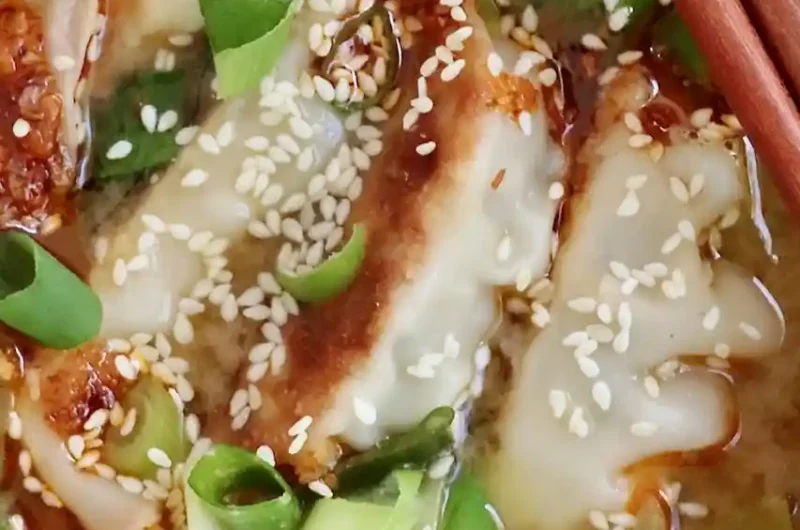
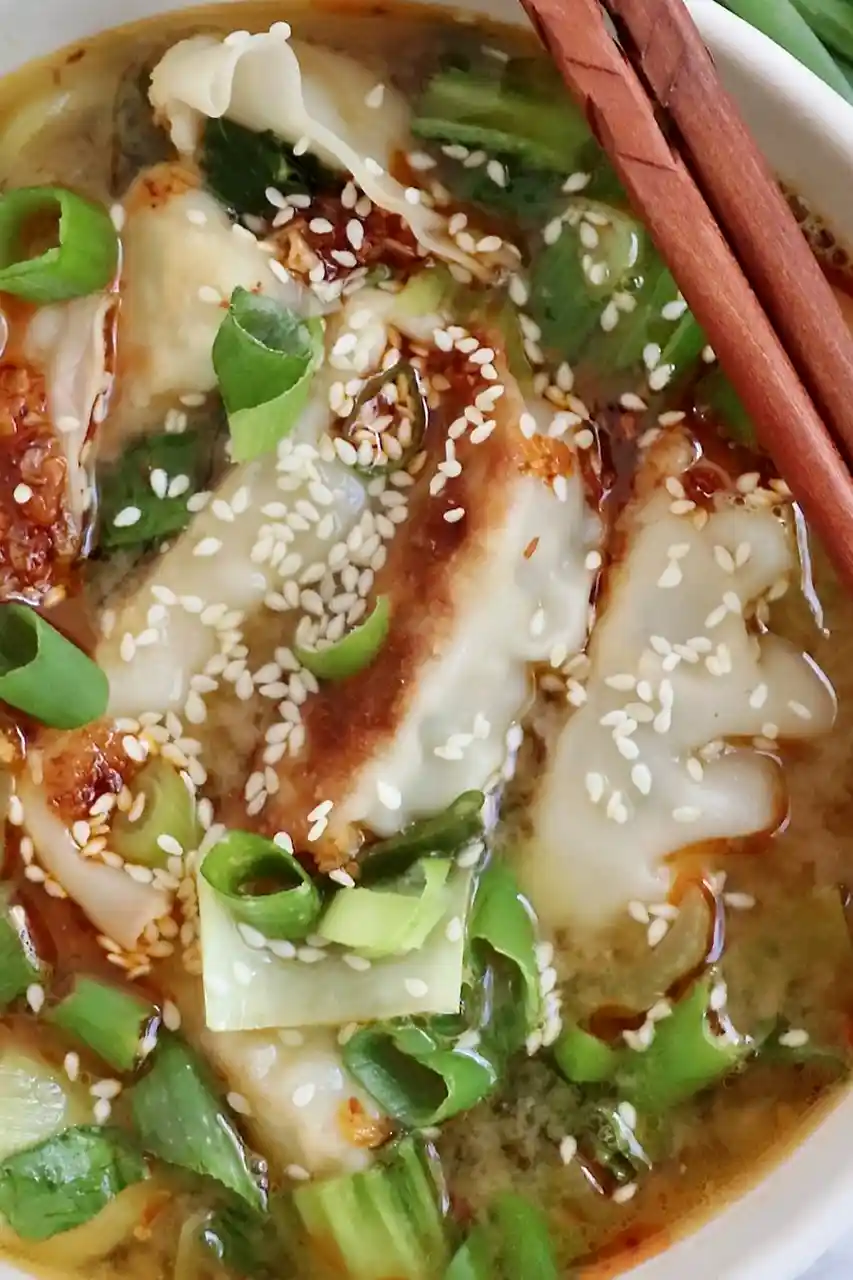
This vibrant miso gyoza soup brings together tender dumplings and a deeply aromatic broth in just fifteen minutes. It is a fantastic one-pot meal that combines the comfort of classic miso soup with the satisfying bite of savory pan-fried dumplings. Perfect for busy weeknights, this dish delivers bold umami notes and fresh textures that feel like a restaurant-quality meal at home.
List of ingredients
- 2 tablespoons canola oil
- 1 pound frozen gyoza
- 1/4 cup green onions, thinly sliced
- 1 tablespoon minced garlic
- 1 tablespoon ginger paste
- 6 cups chicken broth
- 3 tablespoons low-sodium soy sauce
- 3 tablespoons white miso paste
- 1 tablespoon chili garlic sauce
- 1/2 pound baby bok choy, chopped
step-by-step instructions
- Step: Heat the canola oil in a large pot, or dutch oven, on the stove over medium-high heat. Once hot, add the gyozas and cook for 5 minutes without moving.
- Step: After 5 minutes, use a spatula to gently remove the gyoza from the pot, making sure you don’t rip them as you remove them. Set them aside on a plate or clean cutting board.
- Step: Add the green onions, garlic and ginger paste to the pot. Cook for 1 minute, then pour the chicken broth in the pan.
- Step: Add the soy sauce, white miso paste, chili garlic sauce, stir to combine everything, and bring the liquid to a simmer.
- Step: Add the baby bok choy, cover and simmer for 3 minutes.
- Step: Remove the lid and add the gyozas back to the pot. Remove the pot from the heat and serve with toppings like diced green onions, sesame seeds, or chili crisp oil.
Refining your broth profile
Balancing the miso paste intensity
Miso paste can vary in strength depending on the brand and fermentation duration. If you find your broth is too mild, increase the quantity by half a tablespoon at a time, whisking it in thoroughly to avoid lumps. Always add the miso at the end of the heating process or ensure the liquid is only simmering, as high-temperature boiling can diminish its nuanced flavor profile.
Achieving the perfect umami ratio
The combination of soy sauce, garlic, and chili paste creates a complex base, but you can adjust these to suit your personal palate. If the soup feels too salty, add a splash of water or a bit more broth to dilute the intensity. A small pinch of sugar or a drop of mirin can also round out the sharpness of the miso and soy sauce.
Preparation and ingredient handling
Selecting the right dumpling variety
Since the quality of the gyoza defines the texture of the dish, look for varieties with a thin wrapper that holds up well in liquid. While many options exist, ensure you choose fillings that complement the light chicken broth base, such as vegetable-only mixes or savory chicken combinations. Keep the dumplings frozen until the very moment you are ready to sear them to ensure the dough remains firm.
Managing the searing process
The secret to a great gyoza soup is the contrast between the crispy bottom of the dumpling and the soft wrapper that absorbs the broth. Do not be tempted to move the gyoza while they sear, as the starches need time to adhere to the pan surface. Using a non-stick pot or a well-seasoned dutch oven is crucial for achieving that signature golden finish without damaging the delicate pleats.
Flavor enhancements and modifications
Adjusting the heat levels
If you prefer a milder bowl, reduce the chili garlic sauce to half a tablespoon or substitute it entirely with a touch of sweet soy or toasted sesame oil. For those who enjoy extra spice, consider adding a dash of white pepper or finely diced fresh Thai bird chilis along with the garlic and ginger during the initial sauté phase. These additions infuse the heat directly into the base oil for a more distributed flavor.
Incorporating extra vegetable volume
If you want to make this meal heartier, you can increase the amount of greens or add sliced shiitake mushrooms. When using mushrooms, add them to the pot during the garlic and ginger stage to ensure they release their juices and cook through completely before the broth is added. Adding thinly sliced carrots or snap peas can also provide a fresh, crisp texture that balances the softness of the dumplings.
Frequently Asked Questions
Can I prepare this dish in advance?
While the broth base can be prepared ahead of time, it is best to sear the gyoza just before serving. If you store the dumplings in the soup for too long, the wrappers will become overly soft and may break apart. Keep the broth and the dumplings separate until the final stage to ensure the best possible texture.
How should I store leftovers properly?
Leftover soup should be stored in an airtight container in the refrigerator for no longer than two days for optimal quality. When reheating, use a small saucepan on the stove over medium heat until the soup is just simmering. Avoid using a microwave if possible, as it can cause the gyoza to lose their structural integrity and become mushy.
What are the best garnishes to use?
To finish the dish, consider adding freshly sliced green onion tops, a light sprinkle of toasted white sesame seeds, or a small drop of chili crisp oil for an extra layer of flavor and visual appeal. A few strips of toasted nori or a light dusting of furikake seasoning can also add a delightful oceanic finish that pairs beautifully with the miso base.
Common serving and presentation tips
Pairing with complementary side dishes
This soup is a complete meal, but it pairs wonderfully with a small side of quick-pickled cucumbers or a refreshing seaweed salad. The acidity from the pickled vegetables cuts through the richness of the miso, creating a balanced dining experience. If you are serving a crowd, provide extra bowls of chili oil and soy sauce on the side so guests can customize their individual servings.
Optimizing bowl temperature for enjoyment
Miso-based soups are best enjoyed at a temperature that is hot but not scalding. Because the soup contains delicate greens and dumplings, serving them in pre-warmed bowls helps maintain the temperature during the meal. If you are serving multiple guests, ladle the dumplings into the bowls first and then pour the broth over the top to ensure everyone receives an equal number of gyoza.
Troubleshooting common culinary issues
Preventing excessive saltiness
Miso and soy sauce are both naturally high in sodium, so it is vital to taste the broth before adding any extra seasoning. If you accidentally make the broth too salty, you can add a little plain water or a small amount of unsweetened soy milk to mellow the flavor. Always opt for low-sodium soy sauce as a base to maintain better control over the final salt content of the dish.
Fixing a broken or cloudy broth
If the miso paste does not dissolve correctly, you might notice small clumps or a grainy texture. To avoid this, whisk the miso paste with a small amount of warm broth in a separate bowl until smooth before pouring it into the main pot. This technique ensures a silky, uniform consistency for the soup that looks polished and professional when served.
Print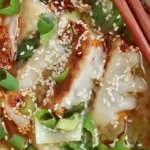
Savory Miso Gyoza Soup
- Total Time: 15 minutes
- Yield: 4 servings 1x
- Diet: Dairy-Free
Description
In just 15 minutes, make the most flavorful Gyoza Soup recipe! It’s so easy to put together and is bursting with rich Japanese flavors, like miso, ginger, and garlic. This recipe combines hearty dumplings and savory broth into one easy, comforting meal.
Ingredients
- 2 tablespoons canola oil
- 1 pound frozen gyoza
- 1/4 cup green onions, thinly sliced
- 1 tablespoon minced garlic
- 1 tablespoon ginger paste
- 6 cups chicken broth
- 3 tablespoons low-sodium soy sauce
- 3 tablespoons white miso paste
- 1 tablespoon chili garlic sauce
- 1/2 pound baby bok choy, chopped
Instructions
- Step: Heat the canola oil in a large pot, or dutch oven, on the stove over medium-high heat. Once hot, add the gyozas and cook for 5 minutes without moving.
- Step: After 5 minutes, use a spatula to gently remove the gyoza from the pot, making sure you don’t rip them as you remove them. Set them aside on a plate or clean cutting board.
- Step: Add the green onions, garlic and ginger paste to the pot. Cook for 1 minute, then pour the chicken broth in the pan.
- Step: Add the soy sauce, white miso paste, chili garlic sauce, stir to combine everything, and bring the liquid to a simmer.
- Step: Add the baby bok choy, cover and simmer for 3 minutes.
- Step: Remove the lid and add the gyozas back to the pot. Remove the pot from the heat and serve with toppings like diced green onions, sesame seeds, or chili crisp oil.
Notes
Do not move or flip the gyoza during the 5 minute cook time to ensure they get a crispy crust and do not rip. For a vegetarian version, substitute vegetable gyoza and vegetable broth.
- Prep Time: 7 minutes
- Cook Time: 8 minutes
- Category: Main Course
- Method: Stovetop
- Cuisine: Japanese
Nutrition
- Serving Size: 1 bowl
- Calories: 391 kcal
- Sugar: 6 g
- Sodium: 3266 mg
- Fat: 22 g
- Saturated Fat: 4 g
- Unsaturated Fat: 18 g
- Trans Fat: 0 g
- Carbohydrates: 33 g
- Fiber: 3 g
- Protein: 15 g
- Cholesterol: 30 mg
Keywords: Gyoza soup, Miso soup, Japanese recipe, Quick dinner, One pot meal