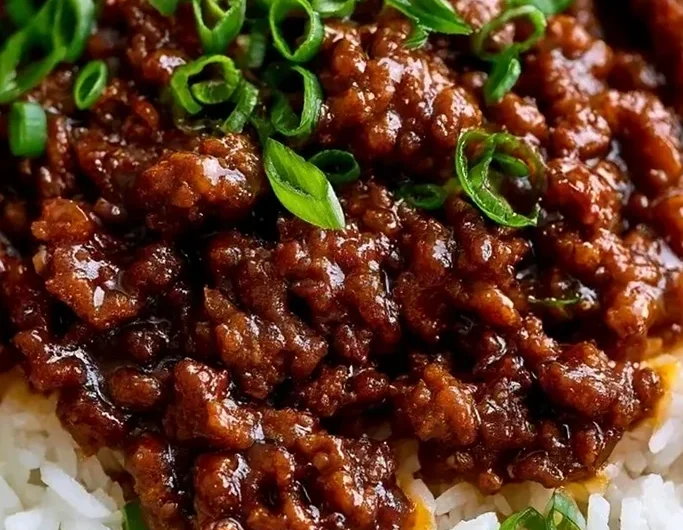
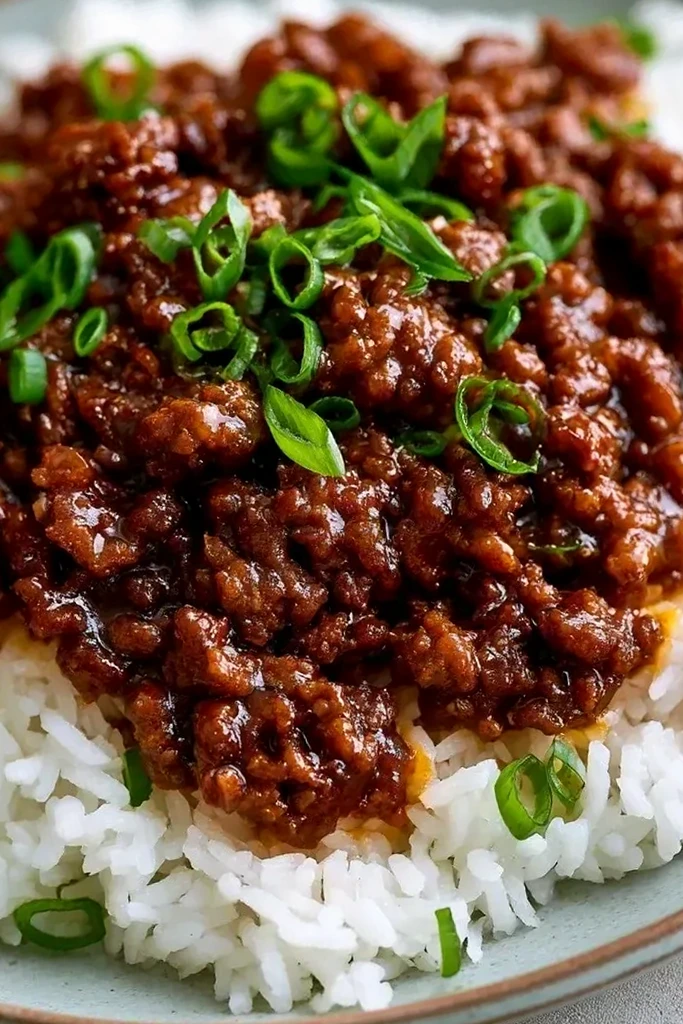
This Korean-inspired ground beef recipe is a weeknight savior, transforming humble pantry staples into a deeply savory, glazed masterpiece in under fifteen minutes. By balancing the saltiness of soy sauce with the sweetness of brown sugar and the warmth of fresh aromatics, you get a restaurant-quality meal that perfectly clings to every bite of meat. It is an ideal choice for busy households looking for a high-protein, flavor-packed dish that requires minimal cleanup.
List of ingredients
- 1 lb lean ground beef
- 1 tbsp vegetable oil
- 1/4 cup soy sauce
- 3 tbsp brown sugar
- 1 tbsp sesame oil
- 3 cloves garlic, minced
- 1 tsp fresh ginger, grated
- 3 stalks green onions, thinly sliced
- 1 tsp toasted sesame seeds
step-by-step instructions
- Step: Heat the vegetable oil in a large cast iron skillet or non-stick frying pan over medium-high heat.
- Step: Add the ground beef and cook, breaking it apart with a spatula, until fully browned and no longer pink. Drain any excess fat if necessary.
- Step: Push the beef to the sides of the pan to create an opening in the center. Add the minced garlic and grated ginger, sautéing for 30–60 seconds until fragrant.
- Step: Pour in the soy sauce, brown sugar, and sesame oil. Stir to coat the beef and simmer for 2–3 minutes until the sauce reduces into a glossy glaze.
- Step: Stir in the sliced green onions just before removing from heat.
Practical Cooking Pointers
Managing Skillet Temperature for Proper Browning
Achieving a deep, flavorful crust on your ground beef requires a hot pan. If the pan temperature is too low, the beef releases its internal moisture and essentially steams instead of browning, which results in a pale color and less complex flavor. Always ensure your oil is shimmering before adding the meat, and avoid overcrowding the pan to maintain that high heat.
Selecting the Best Lean-to-Fat Ratio
Using a leaner grind of beef, such as 90/10 or 95/5, is essential for this recipe because it prevents the dish from becoming overly greasy. If the beef is too fatty, the oil will separate from the soy-based glaze, preventing the sauce from clinging to the meat and creating a pooled oil effect. If you must use a fattier blend, be diligent about draining the excess fat before adding your aromatics and sugar.
Maximizing Freshness of Aromatics
Fresh ginger and garlic are the heartbeat of this dish, and their potency is highest when prepared right before cooking. Use a microplane or the finest setting on a box grater for the ginger to ensure it incorporates into the glaze without leaving fibrous, chunky pieces behind. Adding them to the center of the hot pan right before the liquids ensures their volatile oils are released effectively.
Refining and Personalizing
Swapping Ingredients for Dietary Needs
If you need to avoid soy, coconut aminos serve as a fantastic, slightly sweeter substitute that works beautifully with the brown sugar. For a lighter protein option, ground turkey or even ground chicken can be used, though these meats are generally leaner and may require a tiny bit more oil to prevent sticking. If you are watching your sugar intake, a monk fruit-based brown sugar alternative can replace the standard sugar without sacrificing the desired caramelization effect.
Adding Heat and Texture
To introduce a spicy kick, consider adding a teaspoon of chili paste or a generous pinch of red pepper flakes during the simmering stage. For added texture and nutritional value, folding in finely shredded carrots or sliced water chestnuts during the final minute of cooking provides a refreshing crunch. These additions turn a simple beef dish into a more complex, multi-textured experience without significant extra effort.
Service and Storage
Creative Serving Suggestions
While serving this over a steaming bed of jasmine or basmati rice is the classic approach, the versatility of the meat allows for more creative options. Spoon the savory beef into fresh, crisp butter lettuce leaves for a low-carb wrap that highlights the bright notes of the green onions. You can also toss the cooked beef with cold rice noodles and fresh cucumber slivers for an entirely different lunch bowl experience.
Effective Storage and Reheating
Leftovers remain vibrant for up to four days when stored in an airtight container in the refrigerator. When reheating, do not rely on the microwave, as it often makes the ground beef rubbery; instead, warm it in a skillet over medium-low heat with a small splash of water or a drizzle of extra sesame oil. This method re-emulsifies the glaze and restores the glossy, sticky texture that makes the dish so appealing.
Freezing for Future Meals
This dish is an excellent candidate for long-term storage in the freezer, lasting up to three months. Allow the mixture to cool completely before transferring it to a freezer-safe bag, pressing out as much air as possible to prevent frost. To enjoy, simply thaw the container in the refrigerator overnight and reheat it on the stovetop as you would with refrigerated leftovers.
Addressing Common Queries
What can be done if the beef turns grey instead of browning?
Grey beef is almost always the result of overcrowded pans or insufficient heat. To fix this, ensure your skillet is fully preheated before adding the meat and cook in smaller batches if necessary to allow the moisture to evaporate quickly. If your pan is already crowded, increase the heat setting slightly to encourage the browning process.
How can I balance the saltiness if the sauce is too intense?
If the dish tastes too salty, avoid adding more liquid or extra salt. Instead, stir in another teaspoon of brown sugar or add a small squeeze of fresh lime or rice vinegar to brighten the dish. The acidity and sweetness act as a counterbalance to the sodium, rounding out the flavor profile and making the dish much more palatable.
Should the white parts of the green onions be discarded?
The white parts of green onions are highly flavorful and should certainly be utilized. Chop the white ends finely and add them to the pan along with the garlic and ginger to develop a deep, aromatic base. Save the tender, vibrant green tops for the final garnish to provide that characteristic fresh, crisp texture and beautiful color contrast at the end of the cooking process.
Print
Quick Korean Ground Beef Bowls: Savory and Sticky
- Total Time: PT15M
- Yield: 4 servings 1x
- Diet: High Protein
Description
This Quick Korean Ground Beef is a savory win. Serve as a Korean Ground Beef Bowl with rice. Ready in 15 minutes!
Ingredients
- 1 lb lean ground beef
- 1 tbsp vegetable oil
- 1/4 cup soy sauce
- 3 tbsp brown sugar
- 1 tbsp sesame oil
- 3 cloves garlic, minced
- 1 tsp fresh ginger, grated
- 3 stalks green onions, thinly sliced
- 1 tsp toasted sesame seeds
Instructions
- Step: Heat the vegetable oil in a large cast iron skillet or non-stick frying pan over medium-high heat.
- Step: Add the ground beef and cook, breaking it apart with a spatula, until fully browned and no longer pink. Drain any excess fat if necessary.
- Step: Push the beef to the sides of the pan to create an opening in the center. Add the minced garlic and grated ginger, sautéing for 30–60 seconds until fragrant.
- Step: Pour in the soy sauce, brown sugar, and sesame oil. Stir to coat the beef and simmer for 2–3 minutes until the sauce reduces into a glossy glaze.
- Step: Stir in the sliced green onions just before removing from heat.
Notes
Leftovers can be stored in an airtight container for up to 4 days. Reheat in a skillet over medium heat with a splash of water or sesame oil to maintain the texture.
- Prep Time: PT5M
- Cook Time: PT10M
- Category: Main Course
- Method: Stir-fry
- Cuisine: Korean
Nutrition
- Serving Size: 1 bowl
- Calories: 312 kcal
- Sugar: 9.5 g
- Sodium: 740 mg
- Fat: 18.6 g
- Saturated Fat: 7 g
- Unsaturated Fat: 11.6 g
- Trans Fat: 0 g
- Carbohydrates: 11 g
- Fiber: 0.5 g
- Protein: 23.7 g
- Cholesterol: 85 mg
Keywords: Korean Ground Beef, quick meal, stir fry, weeknight dinner, savory beef bowl