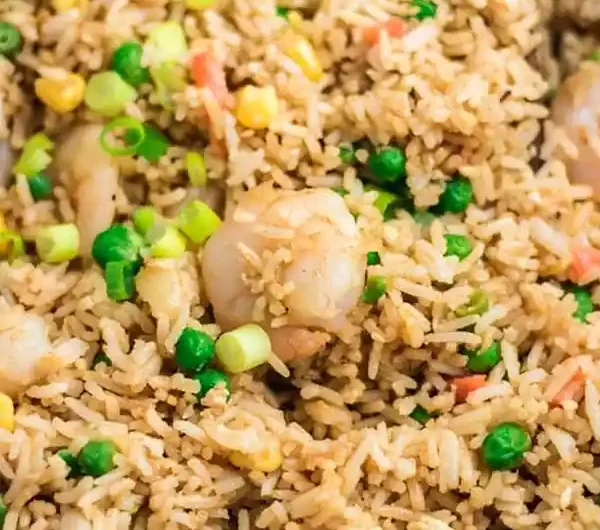
This easy shrimp fried rice is a vibrant, quick-to-prepare meal that brings professional takeaway flavors into your own kitchen. By utilizing simple, fresh ingredients and cold, firm rice, you can create a satisfying dish that is much healthier and more flavorful than store-bought alternatives. It is the perfect solution for busy weeknights when you want a complete, balanced meal in under thirty minutes.
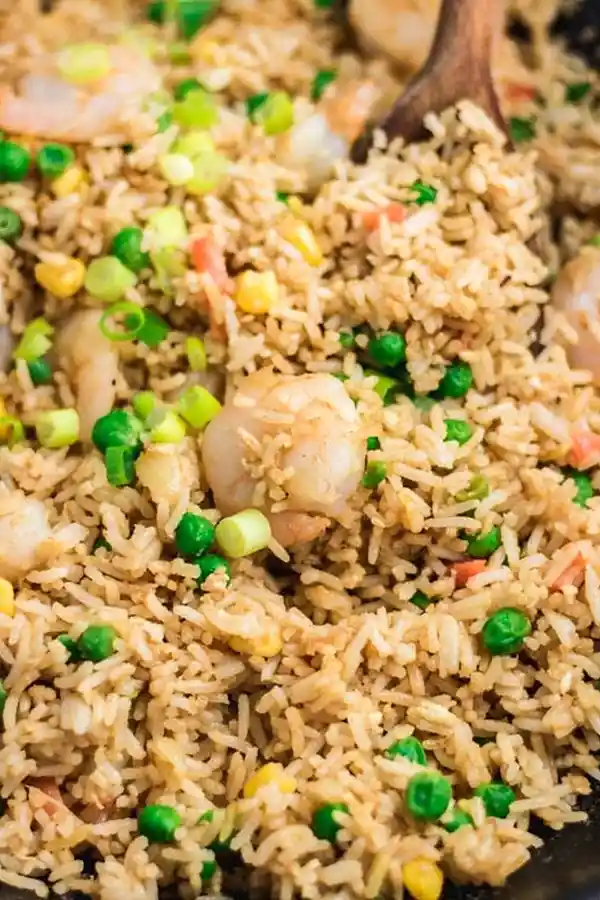
List of ingredients
- 4 cups cooked rice (cold)
- 15-20 raw shrimps (shelled and deveined)
- 2 cups mixed vegetables (peas and carrots)
- ½ tsp salt
- 2 large eggs (beaten)
- 3 tbsp vegetable oil
- 1 small onion (chopped, about 1/3 cup)
- 2 cloves garlic (chopped)
- ½ tbsp white pepper
- 1 tbsp oyster sauce
- 2 tbsp light soy sauce
- ½ tsp sesame oil (optional)
- Green onions (for garnish)
step-by-step instructions
- Step: Start by sautéing chopped onions and garlic in vegetable oil on high heat until fragrant.
- Step: Add the shrimps and cook until pink. Remove the shrimp from the wok or skillet and set aside to avoid overcooking.
- Step: Add the mixed vegetables and stir fry for about 2 minutes, then add the cold rice and stir quickly to combine.
- Step: Crack the eggs into a bowl, season with salt and white pepper, and whisk to combine.
- Step: Increase the heat, create a well in the middle of the pan, add the whisked eggs, scramble them, and mix thoroughly with the rice.
- Step: Return the cooked shrimp to the pan, stir to combine, and adjust salt and seasoning to taste.
- Step: Add the oyster sauce and light soy sauce to the rice and stir to combine.
- Step: Add the chopped green onions and serve immediately.
Essential Rice Preparation Techniques
The Importance of Chilled Grain Structure
Using cold or day-old rice is the fundamental secret to authentic stir-fried textures. When rice cools down, its starch molecules undergo retrogradation, which firms up the individual grains and prevents them from sticking together into a mushy clump when exposed to the high heat of a wok. If you are in a rush and do not have day-old rice, spread freshly cooked grains onto a large baking sheet and place them in the freezer for ten to fifteen minutes to quickly lower their temperature and moisture content.
Alternative Rice Options for Convenience
If preparing rice from scratch is not feasible, vacuum-sealed or pre-cooked pouch rice can be a highly effective shortcut. These products often have an ideal moisture profile that mimics day-old rice, making them perfect for stir-fry applications. Ensure that you break up the rice fully before tossing it into the hot pan to avoid large lumps of cold grains that are difficult to flavor.
Mastering High-Heat Stir-Frying
Selecting the Proper Cooking Vessel
A carbon steel wok is the ideal tool for this recipe because it distributes heat rapidly and allows for the “tossing” technique common in professional kitchens. However, a large, heavy-bottomed stainless steel or non-stick skillet will also suffice, provided it is spacious enough to allow the rice to fry rather than steam. If you notice the pan is getting too crowded, work in smaller batches to ensure the rice achieves that slightly toasted quality that distinguishes great fried rice.
Preventing Burned Aromatics
Because this recipe relies on high-heat cooking, aromatics like garlic and onions can transition from fragrant to bitter in seconds. Always ensure your oil is hot before adding them, but keep the pan moving consistently to avoid localized burning. If you are ever in doubt about the heat intensity, move the pan off the burner momentarily while adding ingredients to maintain control over the cooking process.
Customizing Protein and Vegetable Blends
Expanding Protein Variety
While shrimp is the primary protein here, you can easily incorporate other ingredients to make the meal heartier or more diverse. Thinly sliced tofu, cooked shredded chicken, or small cubes of firm fish can be added alongside the shrimp for a more substantial serving. When adding multiple proteins, ensure they are cooked to the correct doneness individually before combining them with the rice to preserve the unique textures of each ingredient.
Adjusting Vegetable Textures
You are not limited to standard frozen vegetable mixes; feel free to experiment with thinly sliced snap peas, diced bell peppers, or shredded bok choy. These vegetables add crunch and color, but it is important to add them at the correct time during the stir-fry process. Softer greens should be added during the final minute of cooking, while firmer vegetables like carrots or broccoli florets should be sautéed first to ensure they reach the appropriate level of tenderness.
Storage and Freshness Considerations
Managing Leftover Fried Rice
Any remaining portions of the dish should be transferred to an airtight container once they have cooled to room temperature. Storing the rice properly ensures that the texture remains palatable rather than drying out significantly in the refrigerator. It is best consumed within two days to maintain the best quality of both the shrimp and the rice grains.
Guidelines for Proper Reheating
When reheating, it is helpful to add a tiny splash of water or a small amount of oil to the pan to rehydrate the rice. Heat it over medium-high heat, stirring frequently, until the grains are piping hot throughout. Avoid repeated microwaving as this can cause the shrimp to toughen and the rice to lose its pleasant, chewy consistency.
Frequently Asked Questions
Why does my rice get soggy during the stir-fry?
Soggy rice is usually the result of using too much moisture or cooking over heat that is too low. Ensure your rice is dry and cold before starting, and always maintain high heat so that the moisture evaporates rapidly rather than simmering the rice grains.
Can I make this dish without a wok?
Absolutely, a standard wide skillet with a thick base works well for this recipe. The most important factor is the surface area, which allows the rice to fry evenly without crowding the pan and creating steam.
What is the benefit of adding sesame oil at the end?
Sesame oil is a delicate aromatic that loses its pungent, nutty flavor profile when cooked for long periods. Adding it just before serving preserves its intense fragrance, which significantly enhances the overall sensory experience of the final dish.
Is it necessary to use dark soy sauce?
Dark soy sauce is used primarily for its deep color and slightly sweet, molasses-like undertones. While you can substitute it with regular soy sauce, your fried rice will have a lighter appearance and a less complex savory profile.
How do I achieve larger, chunkier pieces of egg?
If you prefer distinct, chunky pieces of scrambled egg rather than having them dispersed through the grains, cook the eggs separately in the skillet first. Once scrambled to your preference, remove them, set them aside, and gently fold them back into the dish during the very final stage of assembly.
Print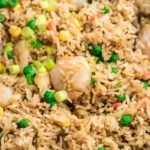
Easy Shrimp Fried Rice
- Total Time: 25 minutes
- Yield: 4 servings 1x
- Diet: Pescatarian
Description
This easy shrimp fried rice is a quick and flavorful dish that brings the takeout experience right to your kitchen. Made with chilled rice, fresh shrimp, scrambled eggs, and colorful mixed vegetables, it is a healthy and customizable meal that the whole family will love.
Ingredients
- 4 cups cooked rice (cold)
- 15–20 raw shrimps (shelled and deveined)
- 2 cups mixed vegetables (peas and carrots)
- ½ tsp salt
- 2 large eggs (beaten)
- 3 tbsp vegetable oil
- 1 small onion (chopped, about 1/3 cup)
- 2 cloves garlic (chopped)
- ½ tbsp white pepper
- 1 tbsp oyster sauce
- 2 tbsp light soy sauce
- ½ tsp sesame oil (optional)
- Green onions (for garnish)
Instructions
- Step: Start by sautéing chopped onions and garlic in vegetable oil on high heat until fragrant.
- Step: Add the shrimps and cook until pink. Remove the shrimp from the wok or skillet and set aside to avoid overcooking.
- Step: Add the mixed vegetables and stir fry for about 2 minutes, then add the cold rice and stir quickly to combine.
- Step: Crack the eggs into a bowl, season with salt and white pepper, and whisk to combine.
- Step: Increase the heat, create a well in the middle of the pan, add the whisked eggs, scramble them, and mix thoroughly with the rice.
- Step: Return the cooked shrimp to the pan, stir to combine, and adjust salt and seasoning to taste.
- Step: Add the oyster sauce and light soy sauce to the rice and stir to combine.
- Step: Add the chopped green onions and serve immediately.
Notes
Use day-old cold rice for the best texture. If using freshly cooked rice, spread it on a tray to cool completely or chill in the fridge first. Ensure frozen shrimp are fully thawed before cooking. High heat is essential for authentic fried rice; keep the pan moving to prevent burning.
- Prep Time: 10 minutes
- Cook Time: 15 minutes
- Category: Main Course
- Method: Stir-fry
- Cuisine: Asian
Nutrition
- Serving Size: 1.5 cups
- Calories: 385 kcal
- Sugar: 3 g
- Sodium: 720 mg
- Fat: 11 g
- Saturated Fat: 2 g
- Unsaturated Fat: 7 g
- Trans Fat: 0 g
- Carbohydrates: 52 g
- Fiber: 3 g
- Protein: 21 g
- Cholesterol: 165 mg
Keywords: easy shrimp fried rice, fried rice, shrimp fried rice, asian dinner, quick meal