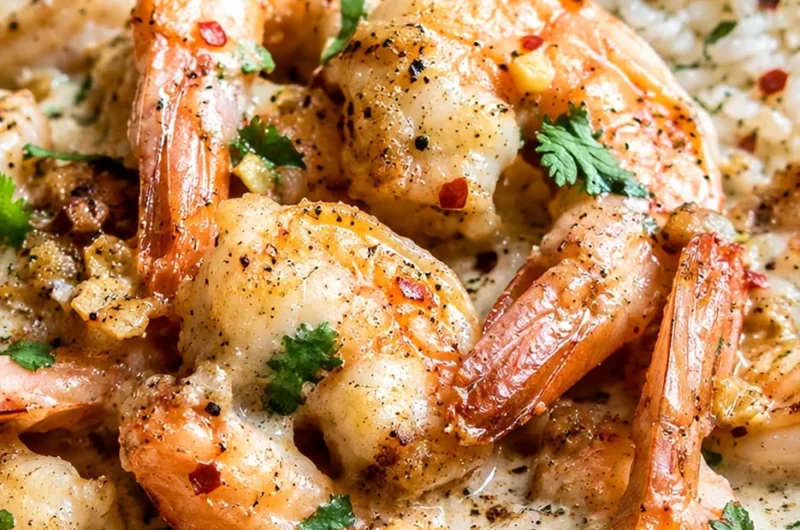
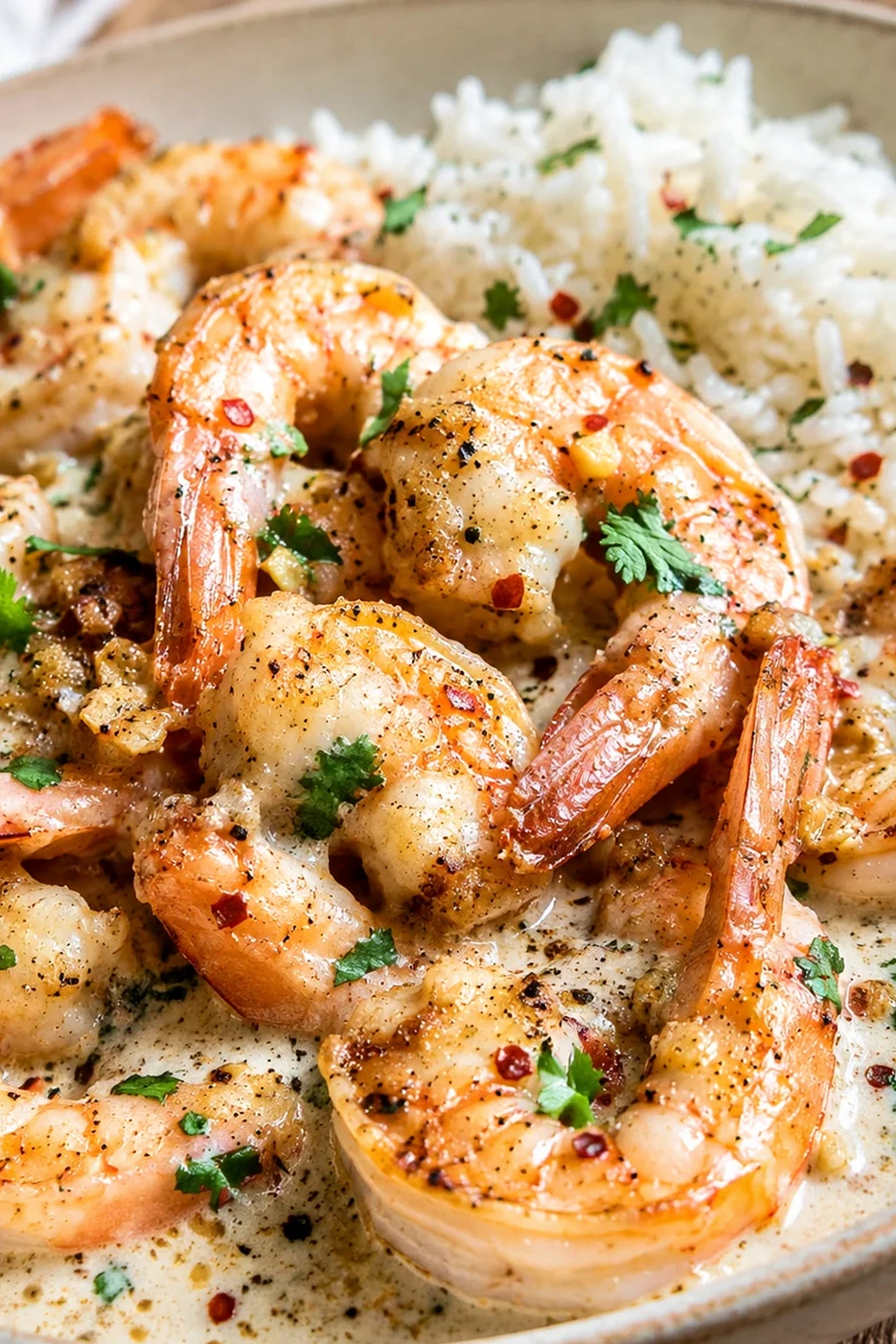
This vibrant dish brings together tender, perfectly seared shrimp and a luxurious, garlicky coconut sauce that highlights bright lime notes. It is a reliable 20-minute meal designed for busy evenings when you crave restaurant-quality comfort food with minimal cleanup. The balance of savory umami and subtle sweetness makes it an ideal centerpiece for family dinners or casual gatherings.
List of ingredients
- 1.1 pounds shrimp – peeled and deveined
- 1 tsp salt
- 1 tsp black pepper
- 1 tsp sweet paprika
- 1 tsp garlic powder
- 1 tbsp unsalted butter
- 1 tbsp olive oil or vegetable oil
- 4 garlic cloves – minced
- 1 yellow onion – diced
- 1 can (14 oz/400 ml) unsweetened full-fat coconut milk
- 2 tsp cornstarch
- 2 tbsp fish sauce
- 1 tsp honey
- 2 tbsp lime juice
- 2 tbsp chopped cilantro, plus more for serving
- Chili flakes – for serving
- Freshly cracked black pepper – for serving
step-by-step instructions
- Step: Thaw shrimp completely, pat dry, peel and devein if needed, then toss with salt, black pepper, sweet paprika, and garlic powder.
- Step: Mince garlic, dice onion, chop cilantro, and measure coconut milk, fish sauce, lime juice, and honey. Whisk cornstarch into a small amount of coconut milk until smooth.
- Step: Heat butter and oil in a large skillet over high heat until hot.
- Step: Arrange shrimp in a single layer in the hot skillet and sear 1 minute per side until pink and opaque; remove shrimp and set aside.
- Step: Turn heat to low and add minced garlic and diced onion to the skillet; sauté about 3 minutes until soft and fragrant.
- Step: Pour in about three-quarters of the coconut milk and stir to combine.
- Step: Whisk the cornstarch mixture again and add it to the pan, then stir in fish sauce, honey, and lime juice.
- Step: Raise the heat slightly and simmer 1–2 minutes until the sauce starts to thicken.
- Step: If using quick-cooking greens like baby spinach or sliced bok choy, add them now and cook until wilted, about 1–2 minutes; for heartier greens, add earlier and cook until tender.
- Step: Stir in chopped cilantro, return the shrimp to the skillet, toss to coat, and simmer 1 minute just to warm through without overcooking.
- Step: Taste and adjust seasoning with more fish sauce for saltiness, extra lime juice for brightness, finish with chili flakes and freshly cracked black pepper.
Refining Your Cooking Technique
Achieving the Perfect Sear
To ensure your shrimp stay tender, you must use high heat for the initial sear. If the pan is not hot enough, the shrimp will steam rather than brown, leading to a rubbery texture. Working in batches is a smart strategy if your skillet is crowded, as maintaining surface temperature is crucial for the best flavor.
Managing Sauce Consistency
The cornstarch slurry is the secret to a professional-looking, silky sauce. Always whisk the cornstarch into cold or room-temperature liquid before adding it to the hot pan to prevent clumps from forming. If the sauce becomes too thick while simmering, simply whisk in a tablespoon of warm water or additional coconut milk to adjust the viscosity.
Flavor Enhancements and Substitutions
Protein and Dairy Adjustments
While this dish centers on shrimp, you can easily substitute with firm white fish like cod or halibut cut into chunks. If you prefer a plant-based alternative, extra-firm tofu pressed and cubed works exceptionally well by absorbing the creamy sauce. For those who need a dairy-free approach, the butter can be replaced with coconut oil to maintain the tropical theme.
Customizing the Sauce Profile
The fish sauce provides a deep savory umami that is hard to replicate, but you can use high-quality soy sauce or tamari if you prefer a different salt profile. If you want to lean into a spicier direction, adding a spoonful of red curry paste during the onion-sautéing phase transforms the dish into a fragrant coconut curry. Always remember to taste your sauce before serving to determine if an extra squeeze of lime or dash of honey is needed to balance the flavors.
Serving and Presentation Ideas
Complementary Side Dishes
Because the sauce is rich and flavorful, serving it over a neutral base is the best way to enjoy it. Steamed basmati or jasmine rice are traditional choices, but don’t overlook thick slices of crusty sourdough bread or warm flatbreads for mopping up the remaining sauce. These options allow you to get the most out of every drop of the creamy coconut infusion.
Adding Fresh Garnishes
While cilantro is the standard finish, you can experiment with fresh Thai basil or mint for a completely different aromatic experience. A scattering of toasted sesame seeds or thinly sliced scallions adds a delightful crunch that contrasts with the softness of the shrimp and the smoothness of the sauce. For visual appeal, a zest of lime sprinkled over the top adds both color and an intense burst of citrus aroma right before eating.
Storage and Reheating Advice
Maintaining Texture Upon Reheating
Leftovers should be stored in an airtight container in the refrigerator and consumed within 48 hours for the best quality. When reheating, avoid high heat, which causes shrimp to shrink and become tough. Use a low-heat setting on your stovetop, stirring constantly until the sauce returns to a creamy state, which usually takes only a few minutes.
Freezing Considerations
While not ideal, you can freeze the sauce portion of the dish if necessary. If you choose to freeze the entire meal, be aware that the texture of the shrimp will change upon thawing, becoming slightly more fibrous. It is highly recommended to cook the shrimp fresh whenever possible, even if you keep a batch of the creamy coconut base portioned out in the freezer.
Frequently Asked Questions
Why did my coconut milk separate in the pan?
Coconut milk can sometimes break if heated too rapidly or if the fat content is uneven. Ensure you stir the coconut milk thoroughly before adding it, and keep the heat moderate while simmering to maintain a smooth, emulsified sauce.
Can I use light coconut milk instead of full-fat?
You can use light coconut milk to reduce the overall calorie count, but the sauce will be significantly thinner and less rich. To compensate for the loss of texture, you may need to increase the cornstarch slurry slightly to achieve a similar mouthfeel.
How do I identify when shrimp are properly cooked?
Look for the shrimp to form a C-shape and become opaque throughout with a slight pink color. If the shrimp begin to form a tight O-shape, they have likely been overcooked, which leads to a rubbery texture and a loss of moisture.
Is it possible to prepare this dish for a larger group?
This recipe doubles easily, but use a very large skillet or a wide Dutch oven to ensure the shrimp can still be seared in a single layer. Overcrowding the pan is the primary reason for uneven cooking and excessive liquid release.
Can I add vegetables to the sauce?
Adding vegetables like snap peas, bell peppers, or sliced bok choy is a fantastic way to stretch the meal. Add these vegetables immediately after the onion sautéing stage so they have time to soften in the coconut milk before you return the shrimp to the pan.
Print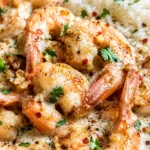
Garlic Shrimp in Creamy Coconut Milk
- Total Time: 20 minutes
- Yield: 4 servings 1x
- Diet: Pescatarian
Description
Tender shrimp seared and simmered in a creamy garlic coconut milk sauce brightened with lime juice and sweetened with honey, served with fresh cilantro and optional chili flakes.
Ingredients
- 1.1 pounds shrimp – peeled and deveined
- 1 tsp salt
- 1 tsp black pepper
- 1 tsp sweet paprika
- 1 tsp garlic powder
- 1 tbsp unsalted butter
- 1 tbsp olive oil or vegetable oil
- 4 garlic cloves – minced
- 1 yellow onion – diced
- 1 can (14 oz/400 ml) unsweetened full-fat coconut milk
- 2 tsp cornstarch
- 2 tbsp fish sauce
- 1 tsp honey
- 2 tbsp lime juice
- 2 tbsp chopped cilantro, plus more for serving
- Chili flakes – for serving
- Freshly cracked black pepper – for serving
Instructions
- Step: Thaw shrimp completely, pat dry, peel and devein if needed, then toss with salt, black pepper, sweet paprika, and garlic powder.
- Step: Mince garlic, dice onion, chop cilantro, and measure coconut milk, fish sauce, lime juice, and honey. Whisk cornstarch into a small amount of coconut milk until smooth.
- Step: Heat butter and oil in a large skillet over high heat until hot.
- Step: Arrange shrimp in a single layer in the hot skillet and sear 1 minute per side until pink and opaque; remove shrimp and set aside.
- Step: Turn heat to low and add minced garlic and diced onion to the skillet; sauté about 3 minutes until soft and fragrant.
- Step: Pour in about three-quarters of the coconut milk and stir to combine.
- Step: Whisk the cornstarch mixture again and add it to the pan, then stir in fish sauce, honey, and lime juice.
- Step: Raise the heat slightly and simmer 1–2 minutes until the sauce starts to thicken.
- Step: If using quick-cooking greens like baby spinach or sliced bok choy, add them now and cook until wilted, about 1–2 minutes; for heartier greens, add earlier and cook until tender.
- Step: Stir in chopped cilantro, return the shrimp to the skillet, toss to coat, and simmer 1 minute just to warm through without overcooking.
- Step: Taste and adjust seasoning with more fish sauce for saltiness, extra lime juice for brightness, finish with chili flakes and freshly cracked black pepper.
Notes
Serve with basmati rice, noodles, crusty bread, or warm naan to soak up the sauce. Optional vegetable add-ins: quick-cooking greens such as spinach, sugar snap peas, bell pepper, bok choy, or kale. Store leftovers in an airtight container in the refrigerator up to 2 days.
- Prep Time: 5 minutes
- Cook Time: 15 minutes
- Category: Main Course
- Method: Stovetop
- Cuisine: Fusion
Nutrition
- Serving Size: 1/4 of recipe
- Calories: 350 kcal
- Sugar: 4 g
- Sodium: 750 mg
- Fat: 25 g
- Saturated Fat: 18 g
- Unsaturated Fat: 6 g
- Trans Fat: 0 g
- Carbohydrates: 8 g
- Fiber: 1 g
- Protein: 25 g
- Cholesterol: 160 mg
Keywords: garlic shrimp, coconut milk shrimp, easy dinner, seafood, fusion