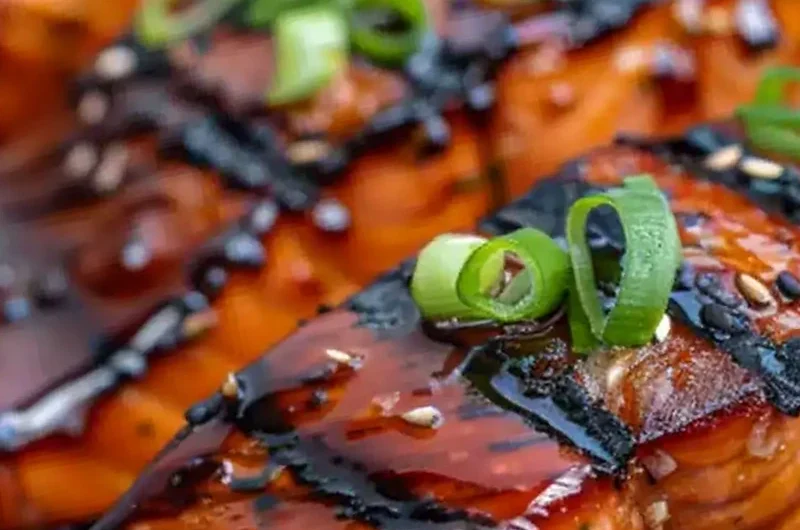
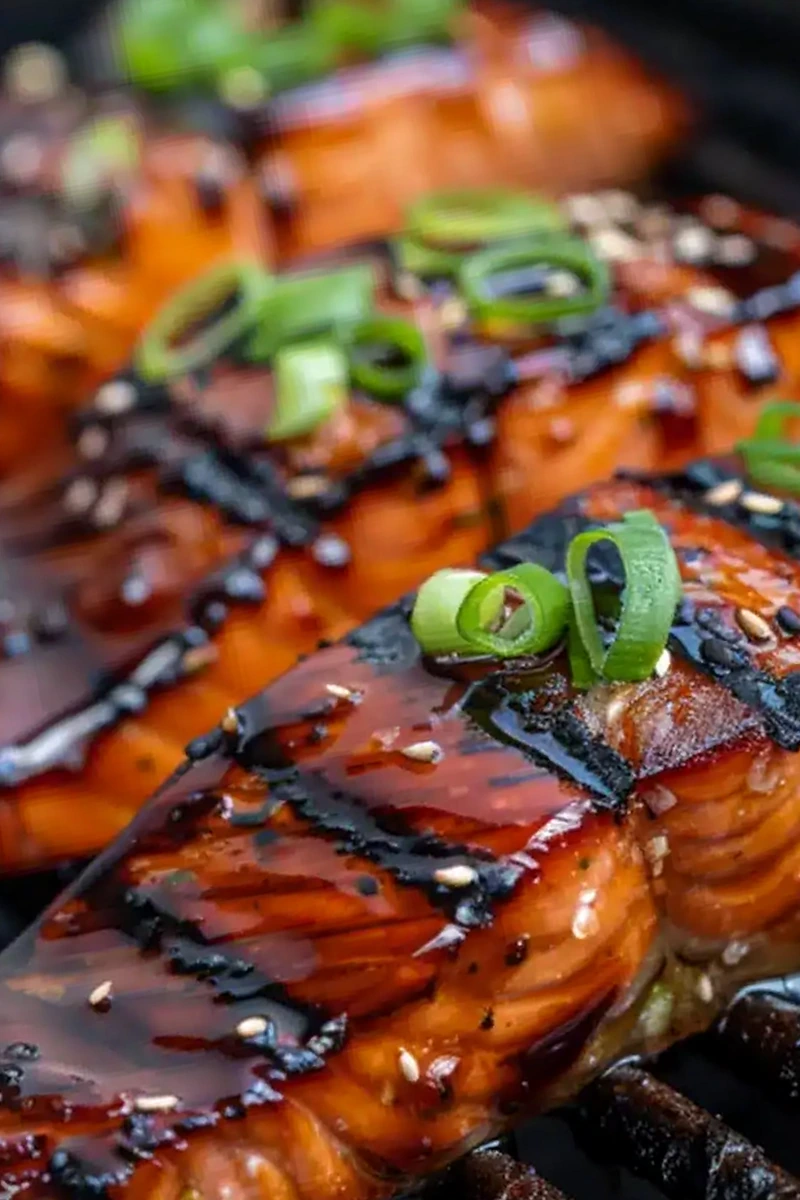
Creating restaurant-quality smoked salmon in your own backyard is remarkably straightforward when you master the art of temperature control on a pellet grill. This recipe balances a savory spice rub with a delicate maple finish, ensuring your salmon remains tender and perfectly flaky every time. Whether you are hosting a weekend brunch or preparing a sophisticated main course, these steps will help you achieve deep, wood-fired flavor with minimal effort.
List of ingredients
- 1–2 lbs of fresh salmon fillet, skin on
- ¼ cup brown sugar
- ¼ cup kosher salt
- 1 tablespoon black pepper
- 1 tablespoon garlic powder
- 1 tablespoon onion powder
- 1 tablespoon cayenne pepper (optional)
- ½ cup maple syrup
- Wood pellets (hickory, apple, or your favorite flavor)
step-by-step instructions
- Step: In a bowl, mix together the brown sugar, kosher salt, black pepper, garlic powder, onion powder, and cayenne pepper.
- Step: Place the salmon fillet in a shallow dish and cover it with the brine mixture. Refrigerate for 1 hour.
- Step: Rinse the salmon under cold water to remove excess brine, then pat dry with paper towels.
- Step: Place the salmon on a wire rack and let it air-dry for 30 minutes to form a pellicle.
- Step: Preheat your pellet grill to 225°F (107°C).
- Step: Fill the hopper with your preferred wood pellets.
- Step: Place the salmon skin-side down on the grill grates.
- Step: Smoke the salmon for 30-40 minutes, until the internal temperature reaches 145°F (63°C).
- Step: Optionally, glaze the salmon with maple syrup during the last 5-10 minutes of smoking.
- Step: Remove from the grill and let rest before slicing.
Strategies for Superior Smoke Quality
Consistency in Grill Temperatures
Maintaining a stable temperature around 225°F is the most important factor for success. Frequent lid opening allows heat and smoke to escape, which extends the cooking time and can dry out the surface of the salmon. Trust your pellet grill’s controller and use a remote thermometer to monitor the internal progress without lifting the lid.
The Role of the Pellicle
Allowing the salmon to sit uncovered on a rack is vital because it dries the outer layer of the fish. This tacky pellicle acts as a magnet for smoke particles, ensuring that your salmon picks up that deep, wood-fired aroma. If you skip this drying step, the smoke will not adhere well, resulting in a muted flavor profile.
Selecting the Best Wood Pellets
Understanding Wood Flavor Profiles
Your choice of wood dictates the final character of your smoked salmon. Apple and cherry pellets are excellent for beginners because they provide a mild, sweet, and fruity smoke that enhances rather than masks the natural flavor of the fish. If you prefer a more intense experience, hickory or oak provides a robust, classic smoke that pairs perfectly with the sweet maple glaze.
Mixing Wood Varieties
You can create a custom blend by combining two types of pellets in your hopper. A mix of 75 percent fruitwood and 25 percent hickory provides a sophisticated middle ground. This allows you to benefit from the mild sweetness of the fruitwood while still achieving the deep color and distinct smoky notes of the stronger wood.
Managing Salmon Moisture Levels
Protecting the Fish from Direct Heat
Keeping the skin on the fillet acts as a protective barrier between the delicate flesh and the hot metal grill grates. This setup prevents the fish from sticking and helps it cook evenly from the bottom up. Avoid flipping the fish during the smoking process, as it is much more likely to break apart once it starts softening.
Why Overcooking Should Be Avoided
Salmon is a fatty fish, but it can turn dry quickly if the internal temperature exceeds 150°F. Using a digital thermometer to pull the fish at exactly 145°F is the most reliable way to maintain a moist, buttery texture. If you notice white albumin beginning to push out of the side of the fillet, it is a signal that the fish is nearing peak doneness.
Serving and Accompaniment Ideas
Breakfast and Brunch Concepts
Serve the warm smoked salmon alongside toasted bagels, whipped cream cheese, capers, and thinly sliced red onions. The acidity from the capers and the creaminess of the cheese cut through the richness of the smoky fish perfectly. You can also flake the cooled salmon into a savory omelet for a gourmet morning meal.
Fresh Lunch and Dinner Pairings
For a lighter meal, place portions of the salmon over a bed of crisp greens tossed in a lemon vinaigrette. The brightness of the lemon balances the heavier, smoky notes of the glaze. Alternatively, serve the salmon alongside roasted asparagus or steamed jasmine rice to create a balanced, protein-rich dinner.
Storage and Make-Ahead Advice
Proper Refrigeration Techniques
Once the salmon has cooled completely, wrap it tightly in plastic wrap or place it in a shallow airtight container. Stored properly, the salmon will stay fresh for up to 3 days in the coldest part of your refrigerator. Always ensure the container is sealed well to prevent the smoke aroma from transferring to other items in your fridge.
Long-Term Preservation
If you have more salmon than you can consume in a few days, it freezes surprisingly well. Wrap the pieces individually in freezer-safe plastic followed by a layer of heavy-duty foil. It will remain in top condition for up to two months, providing a quick source of protein for future meals.
Gently Reheating Techniques
Avoid the microwave when reheating your salmon, as the high power will toughen the fish instantly. Instead, place it in a low-temperature oven at 250°F for about 10 minutes, or simply enjoy it chilled directly from the fridge. Chilled smoked salmon is often even more flavorful the next day as the seasonings have had more time to meld.
Frequently Asked Questions
Should I remove the skin before smoking?
It is best to leave the skin on during the entire smoking process. The skin acts as a heat shield and keeps the flesh intact, making it much easier to transfer the fish from the grill to your serving platter.
Can I substitute a different sweetener for maple syrup?
If you do not have maple syrup, a mixture of honey and a small splash of balsamic vinegar works as a suitable substitute. This combination will provide a similar viscosity and sweetness while adding a hint of tang to the finish.
Why is the salmon not taking on a smoky color?
If your salmon looks pale, it is usually because the pellicle did not form correctly or the grill temperature was too high. Ensure the surface is dry to the touch before smoking and keep your temperature steady to allow the smoke time to impart color.
Is it necessary to use a wire rack for the pellicle stage?
Using a wire rack is recommended because it allows air to circulate around the entire fish, including the bottom. If you do not have one, place the salmon on a plate, but be sure to rotate it halfway through the drying time to encourage even air exposure.
Print
The BEST Pellet Grill Smoked Salmon Recipe
- Total Time: 55 minutes
- Yield: 4 servings 1x
- Diet: Pescatarian
Description
An incredible ultimate delight! This smoked salmon recipe is bursting with rich, smoky flavor, balanced with a hint of sweetness. It’s perfect for impressing guests or treating yourself to something extra special.
Ingredients
- 1–2 lbs of fresh salmon fillet, skin on
- ¼ cup brown sugar
- ¼ cup kosher salt
- 1 tablespoon black pepper
- 1 tablespoon garlic powder
- 1 tablespoon onion powder
- 1 tablespoon cayenne pepper (optional)
- ½ cup maple syrup
- Wood pellets (hickory, apple, or your favorite flavor)
Instructions
- Step: In a bowl, mix together the brown sugar, kosher salt, black pepper, garlic powder, onion powder, and cayenne pepper.
- Step: Place the salmon fillet in a shallow dish and cover it with the brine mixture. Refrigerate for 1 hour.
- Step: Rinse the salmon under cold water to remove excess brine, then pat dry with paper towels.
- Step: Place the salmon on a wire rack and let it air-dry for 30 minutes to form a pellicle.
- Step: Preheat your pellet grill to 225°F (107°C).
- Step: Fill the hopper with your preferred wood pellets.
- Step: Place the salmon skin-side down on the grill grates.
- Step: Smoke the salmon for 30-40 minutes, until the internal temperature reaches 145°F (63°C).
- Step: Optionally, glaze the salmon with maple syrup during the last 5-10 minutes of smoking.
- Step: Remove from the grill and let rest before slicing.
Notes
Use high-quality wood pellets for best flavor. Salmon can be served warm or chilled. Great for salads, bagels, or on its own!
- Prep Time: 15 minutes
- Cook Time: 40 minutes
- Category: Main Course
- Method: Smoking
- Cuisine: American
Nutrition
- Serving Size: 1 fillet
- Calories: 350 kcal
- Sugar: 12 g
- Sodium: 850 mg
- Fat: 20 g
- Saturated Fat: 3 g
- Unsaturated Fat: 14 g
- Trans Fat: 0 g
- Carbohydrates: 15 g
- Fiber: 0 g
- Protein: 30 g
- Cholesterol: 95 mg
Keywords: smoked salmon, pellet grill, seafood, healthy, main course