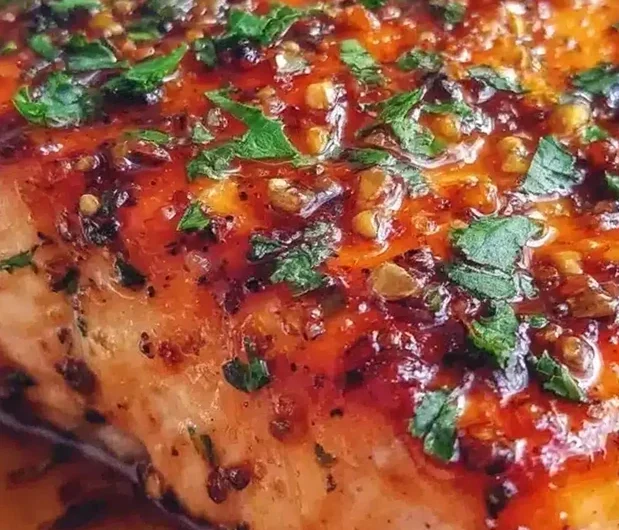
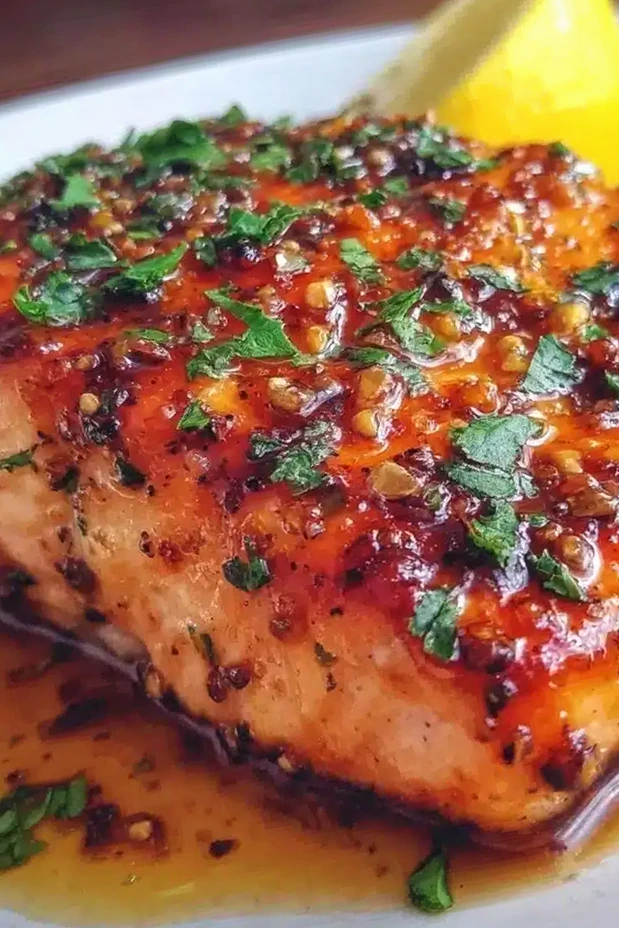
Experience the restaurant-quality taste of perfectly seared, buttery salmon right in your own kitchen with this simple method. By combining a smoky, sweet spice rub with a quick pan-sear and oven-finish, you achieve that signature juicy texture and crisp exterior that defines a great weeknight meal. This recipe is designed to be straightforward for busy home cooks while delivering impressive, savory results every single time.
List of ingredients
- 4 skin-on salmon fillets (about 6 ounces or 170 grams each)
- 2 tablespoons olive oil
- 3 tablespoons unsalted butter, melted
- 1 teaspoon garlic powder
- 1 teaspoon onion powder
- 1 teaspoon smoked paprika
- 1 teaspoon brown sugar
- 1 teaspoon kosher salt
- ½ teaspoon freshly ground black pepper
- 1 tablespoon freshly squeezed lemon juice
- Fresh parsley, chopped (optional)
step-by-step instructions
- Step: Preheat your oven to 400°F (200°C).
- Step: In a small bowl, combine garlic powder, onion powder, smoked paprika, brown sugar, kosher salt, and black pepper. Mix well.
- Step: Pat the salmon fillets dry with paper towels to remove excess moisture.
- Step: Brush the salmon on both sides with olive oil, then sprinkle the seasoning mix evenly over both sides, pressing gently to adhere.
- Step: Heat a heavy-bottomed skillet over medium-high heat until hot.
- Step: Place the salmon fillets skin-side down in the skillet and cook undisturbed for 4-5 minutes until the skin is crispy and edges turn opaque.
- Step: Carefully flip the salmon using tongs or a fish spatula and cook for another 2 minutes on the flesh side.
- Step: Transfer the skillet to the preheated oven and bake for 5-7 minutes, depending on thickness, until the salmon flakes easily with a fork but remains moist.
- Step: While baking, melt the butter in a small bowl.
- Step: Remove salmon from the oven and brush generously with the melted butter.
- Step: Sprinkle fresh lemon juice over the salmon, garnish with chopped parsley if desired, and serve immediately.
Refining Your Pan-Searing Technique
Achieving the Perfect Crispy Skin
To ensure the skin becomes perfectly crispy, you must avoid the urge to move or press the fillets during the first four minutes of cooking. Keeping the salmon still allows the proteins to set and the fat under the skin to render properly. If you move the fish too early, the skin will likely stick to the pan and tear before it achieves the desired golden texture.
The Role of a Well-Heated Skillet
Starting with a properly preheated skillet is vital for creating a high-quality crust. When the pan is hot, the salmon reacts immediately upon contact, creating a sear that locks in moisture and prevents the fish from absorbing excess oil. If the pan isn’t hot enough, the fish will steam in its own juices, resulting in a rubbery texture rather than the intended flaky tenderness.
Practical Tips for Success
Selecting High-Quality Fillets
The success of this dish starts with the quality of your protein. Look for salmon fillets that have a vibrant color and firm flesh with no signs of bruising or darkening at the edges. Fresh fillets will have a clean, oceanic smell, and choosing pieces that are uniform in thickness ensures they cook evenly in the oven.
Mastering the Resting Phase
Although it might be tempting to serve the salmon immediately after it leaves the oven, letting it rest for two minutes is a valuable step. Resting allows the internal juices to settle and distribute throughout the meat, resulting in a more succulent bite. This brief pause also provides the perfect window for applying the butter glaze and final lemon garnish without rushing your plating process.
Substitutions and Adjustments
Alternative Heat Sources for the Crust
If you don’t have access to smoked paprika, you can substitute it with standard paprika mixed with a tiny pinch of cayenne pepper or cumin to approximate the smoky depth. While smoked paprika is preferred for its specific aroma, adjusting the spice blend allows you to customize the intensity to your personal preference. Always taste your spice mix before applying it to ensure the balance of sugar and salt meets your expectations.
Dairy-Free Butter Alternatives
For those who prefer to avoid dairy, high-quality plant-based butter or a mild oil like avocado oil can be used for the finishing glaze. These alternatives provide the necessary richness to give the salmon its glossy, professional-looking shine. Using coconut oil is another option, though it will impart a very mild tropical flavor profile that may change the overall character of the dish.
Frequently Asked Questions
How can I tell if my salmon is perfectly cooked?
The most reliable way to check for doneness is to use a fork to gently press on the thickest part of the fillet. If the fish flakes easily and appears opaque throughout, it is ready to be removed from the heat. If you prefer to use an instant-read thermometer, aim for an internal temperature of 145°F (63°C).
What is the best way to handle frozen salmon for this recipe?
If you are using frozen salmon, ensure it is completely thawed in the refrigerator overnight before you begin. Once thawed, use multiple layers of paper towels to absorb as much moisture as possible from the surface. Excess water is the enemy of a good sear, so drying the fish thoroughly is essential for success.
Can I grill this salmon instead of using the oven?
Absolutely, grilling is an excellent alternative for warmer weather or when you want an extra layer of char. Follow the same seasoning steps, then place the fillets skin-side down on a medium-hot grill for about six minutes per side. The direct heat of the grill will naturally crisp the skin and caramelize the brown sugar in the rub.
Storage and Reheating Guidelines
Managing Leftover Portions
Should you find yourself with leftovers, place them in an airtight container as soon as they reach room temperature. Keeping the container sealed prevents the salmon from drying out in the refrigerator. When stored correctly, the cooked salmon will maintain its quality for up to two days, making it a convenient option for a secondary meal.
Gently Reheating for Best Texture
To reheat the salmon without sacrificing its tender texture, place it in a skillet over low heat with a small amount of liquid, such as a tablespoon of water or a tiny bit of butter. Cover the pan with a lid to create a gentle steam environment that warms the fish through without cooking it further. Avoid using the microwave, as it tends to overcook the edges of the salmon very quickly, leading to a tough and dry end result.
Serving Ideas for a Complete Meal
Pairing with Fresh Greens
Because the salmon is rich and buttery, it pairs exceptionally well with bright, acidic sides. Roasted asparagus tossed in lemon zest or a crisp garden salad with a vinaigrette provides a refreshing contrast to the savory fish. You might also consider steamed green beans with a dash of garlic or sautéed spinach as a healthy, low-effort accompaniment.
Adding Starch Components
If you prefer a more substantial dinner, serving the salmon over a bed of fluffy quinoa or alongside creamy garlic mashed potatoes rounds out the meal perfectly. The potatoes offer a comforting, mellow base that highlights the seasoned crust of the fish, while grains like couscous or farro provide a nutty texture that complements the delicate nature of the salmon. Keeping the side dish relatively simple ensures that the flavor of the salmon remains the star of the plate.
Print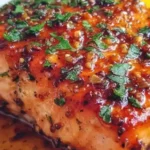
Copycat Texas Roadhouse Salmon Recipe Easy Juicy Weeknight Dinner
- Total Time: 25 minutes
- Yield: 4 servings 1x
- Diet: Pescatarian
Description
This copycat Texas Roadhouse salmon recipe delivers juicy, flavorful salmon with a slightly crisp sear, perfect for quick weeknight dinners or impressing guests.
Ingredients
- 4 skin-on salmon fillets (about 6 ounces or 170 grams each)
- 2 tablespoons olive oil
- 3 tablespoons unsalted butter, melted
- 1 teaspoon garlic powder
- 1 teaspoon onion powder
- 1 teaspoon smoked paprika
- 1 teaspoon brown sugar
- 1 teaspoon kosher salt
- ½ teaspoon freshly ground black pepper
- 1 tablespoon freshly squeezed lemon juice
- Fresh parsley, chopped (optional)
Instructions
- Step: Preheat your oven to 400°F (200°C).
- Step: In a small bowl, combine garlic powder, onion powder, smoked paprika, brown sugar, kosher salt, and black pepper. Mix well.
- Step: Pat the salmon fillets dry with paper towels to remove excess moisture.
- Step: Brush the salmon on both sides with olive oil, then sprinkle the seasoning mix evenly over both sides, pressing gently to adhere.
- Step: Heat a heavy-bottomed skillet over medium-high heat until hot.
- Step: Place the salmon fillets skin-side down in the skillet and cook undisturbed for 4-5 minutes until the skin is crispy and edges turn opaque.
- Step: Carefully flip the salmon using tongs or a fish spatula and cook for another 2 minutes on the flesh side.
- Step: Transfer the skillet to the preheated oven and bake for 5-7 minutes, depending on thickness, until the salmon flakes easily with a fork but remains moist.
- Step: While baking, melt the butter in a small bowl.
- Step: Remove salmon from the oven and brush generously with the melted butter.
- Step: Sprinkle fresh lemon juice over the salmon, garnish with chopped parsley if desired, and serve immediately.
Notes
Pat salmon dry before seasoning to ensure crispy skin. Do not move salmon while searing skin-side down to avoid tearing the skin. Use a hot pan for best sear. Brush melted butter after baking for a juicy, glossy finish. Check doneness early to avoid overcooking. Let salmon rest for a couple of minutes before serving.
- Prep Time: 10 minutes
- Cook Time: 15 minutes
- Category: Main Course
- Method: Pan-searing and baking
- Cuisine: American
Nutrition
- Serving Size: 1 salmon fillet
- Calories: 375 kcal
- Sugar: 1 g
- Sodium: 600 mg
- Fat: 22 g
- Saturated Fat: 9 g
- Unsaturated Fat: 12 g
- Trans Fat: 0 g
- Carbohydrates: 2 g
- Fiber: 0.5 g
- Protein: 35 g
- Cholesterol: 115 mg
Keywords: Texas Roadhouse salmon, copycat salmon recipe, pan-seared salmon, juicy salmon, weeknight dinner, easy salmon recipe, healthy salmon