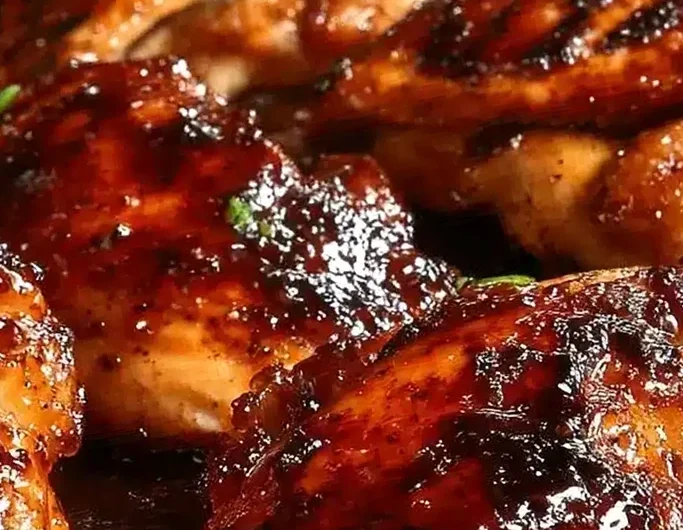
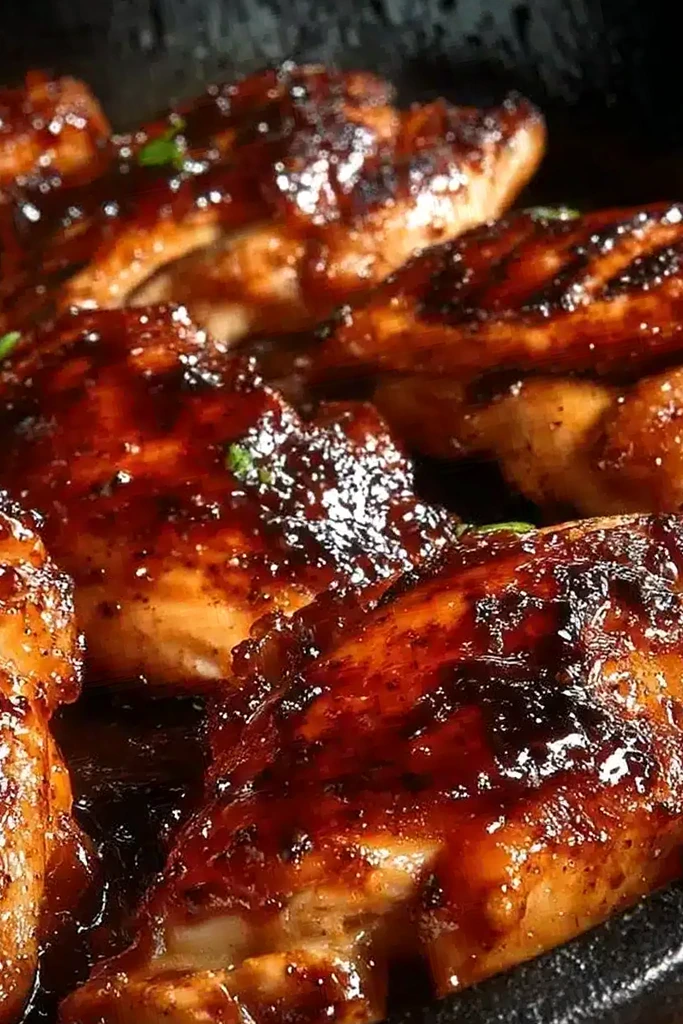
This Hawaiian Style Teriyaki Chicken brings a bright, tropical flair to your kitchen with its balance of sweet pineapple and savory soy notes. It is a reliable, straightforward meal that works perfectly for busy weeknights or as a crowd-pleasing dish when hosting guests. With simple preparation and versatile cooking methods, you can achieve a restaurant-quality glaze right at home.
List of ingredients
- chicken thighs or breasts
- 1/4 cup soy sauce
- 1/4 cup pineapple juice
- 2 tablespoons brown sugar
- 1 tablespoon fresh ginger (grated)
- 2 cloves garlic (minced)
- fresh pineapple (for garnish)
- green onions (for garnish)
- sesame seeds (optional)
step-by-step instructions
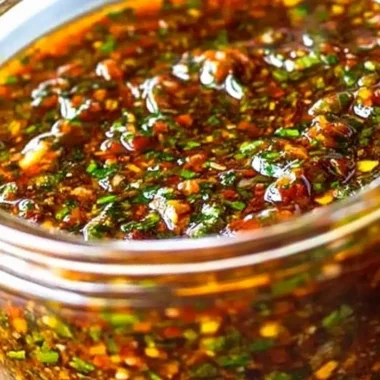
- Step: In a bowl, mix soy sauce, pineapple juice, brown sugar, grated ginger, and minced garlic to create the marinade.
- Step: Place chicken in a resealable bag or container, pour the marinade over it, and refrigerate for at least 30 minutes (or up to overnight).
- Step: Preheat your grill, stove, or oven (depending on your cooking method).
- Step: Remove chicken from marinade and cook until fully cooked through, about 6-7 minutes per side on the grill or until the internal temperature reaches 165°F (75°C).
- Step: Optional: Reserve marinade, boil it, and use as a sauce.
- Step: Serve chicken garnished with pineapple, green onions, and sesame seeds.
Refining Your Cooking Technique
Achieving the Perfect Caramelization
The secret to a great teriyaki finish is managing your heat carefully during the final stages of cooking. Because the marinade contains sugar from the pineapple and brown sugar, it can burn quickly if left over high heat for too long. If you notice the edges darkening too rapidly before the center is cooked, lower your heat source immediately.
The Role of Ginger in Meat Preparation
Using fresh ginger provides an enzyme that helps break down muscle fibers in the chicken, leading to a much more tender bite. Always grate your ginger finely using a microplane or a sharp grater so that it integrates seamlessly into the marinade rather than leaving large, fibrous chunks on the surface of the meat. This ensures consistent flavor in every single mouthful of your meal.
Effective Ingredient Adjustments
Sweetener and Acid Balance
While brown sugar is standard for this dish, you can swap it for honey or agave nectar if you prefer a different viscosity to your glaze. If you find the flavor too sweet, you can introduce a tablespoon of rice vinegar to add a bit more tang, which balances the sugary pineapple juice. These minor adjustments allow you to tailor the flavor profile to your personal preference without ruining the structural integrity of the marinade.
Selecting the Right Soy Sauce Alternative
If you need to manage your sodium levels, opt for low-sodium soy sauce. For those who need to avoid wheat, use a high-quality tamari or coconut aminos, which provide a very similar umami punch without any gluten content. These liquid seasonings are interchangeable in this recipe, meaning you do not have to worry about changing your ratios if you decide to swap them out based on dietary requirements.
Serving and Presentation Ideas
Building a Complete Tropical Bowl
To serve this chicken in a traditional Hawaiian style, layer it over a bed of fluffy jasmine or coconut-infused steamed rice. You can also add a side of quick-pickled cucumber or steamed baby bok choy to add crunch and a bit of earthiness to the plate. Placing the grilled pineapple cubes directly on top of the sliced chicken provides a beautiful contrast of color and adds a refreshing sweetness that cuts through the savory notes.
Adding Texture with Fresh Toppings
Do not underestimate the impact of garnishes when serving this dish to guests or family. Freshly sliced scallions add a necessary sharp edge that balances the deep, dark flavors of the teriyaki glaze. Additionally, lightly toasting your sesame seeds in a dry pan for just thirty seconds before sprinkling them over the top significantly increases their aromatic quality, making the dish feel much more professional and finished.
Storage and Advanced Preparation
Best Practices for Refrigeration
After cooking, let your chicken cool completely on a rack before moving it to a sealed, airtight container. It will keep well in the refrigerator for three to four days, but try to store any excess sauce in a separate small container. Keeping the chicken separate from the sauce helps prevent it from becoming overly soft or soggy while it sits in the fridge.
Reheating Without Drying Out
To reheat, it is best to use a small amount of liquid, such as a splash of water or extra broth, in a skillet over medium-low heat. Covering the pan will trap the moisture and allow the chicken to steam slightly, which prevents the exterior from toughening up while the inside warms through. Avoid high-heat microwave settings, as these tend to dry out the protein fibers very quickly, resulting in a rubbery texture.
Frequently Asked Questions
Can I use canned pineapple juice if fresh is unavailable?
Yes, you can certainly use 100% juice canned pineapple juice. Just ensure it is not a pineapple-flavored beverage or a juice cocktail, as those often contain high amounts of added syrups that will make the glaze far too sweet and prone to burning.
What should I do if my marinade seems too thin?
You can thicken the marinade by simmering it in a separate saucepan with a small slurry made of one teaspoon of cornstarch mixed with one tablespoon of cold water. Whisk this mixture into the bubbling liquid, and it will transform into a thick, glossy sauce perfect for drizzling over the chicken just before serving.
Is it necessary to use a meat thermometer?
Using a digital meat thermometer is the most reliable way to ensure your chicken is safe to eat while remaining juicy. The goal is to hit an internal temperature of 165°F (75°C) at the thickest part of the meat; pulling the chicken off the heat right when it hits this mark will prevent the overcooking that leads to dry, stringy poultry.
Can this recipe be prepared in a slow cooker?
This recipe adapts well to a slow cooker by placing the chicken and the marinade inside on a low setting for four hours. However, remember that the chicken will not get the same charred, smoky flavor that a grill provides, so you may want to broil the pieces for two minutes after they are done to add a bit of color to the exterior.
Why is it critical to boil the leftover marinade?
Because the marinade was in direct contact with raw chicken, it contains juices that could harbor harmful bacteria. Boiling the liquid for at least three full minutes ensures that any bacteria is neutralized, making it safe to use as a flavorful dipping sauce or a pour-over glaze for your finished dish.
Print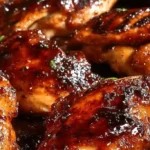
Hawaiian Style Teriyaki Chicken
- Total Time: 45 minutes
- Yield: 4 servings 1x
- Diet: Gluten-Free
Description
Sweet and tangy Hawaiian Style Teriyaki Chicken marinated in a flavorful mix of pineapple juice, soy sauce, and spices, perfect for quick weeknight meals.
Ingredients
- chicken thighs or breasts
- 1/4 cup soy sauce
- 1/4 cup pineapple juice
- 2 tablespoons brown sugar
- 1 tablespoon fresh ginger (grated)
- 2 cloves garlic (minced)
- fresh pineapple (for garnish)
- green onions (for garnish)
- sesame seeds (optional)
Instructions
- Step: In a bowl, mix soy sauce, pineapple juice, brown sugar, grated ginger, and minced garlic to create the marinade.
- Step: Place chicken in a resealable bag or container, pour the marinade over it, and refrigerate for at least 30 minutes (or up to overnight).
- Step: Preheat your grill, stove, or oven (depending on your cooking method).
- Step: Remove chicken from marinade and cook until fully cooked through, about 6-7 minutes per side on the grill or until the internal temperature reaches 165°F (75°C).
- Step: Optional: Reserve marinade, boil it, and use as a sauce.
- Step: Serve chicken garnished with pineapple, green onions, and sesame seeds.
Notes
Use thighs for juicier meat, breasts for leaner chicken. Marinating overnight enhances flavor. Boil reserved marinade for safety before using as sauce.
- Prep Time: 30 minutes
- Cook Time: 15 minutes
- Category: Main Course
- Method: Grilling
- Cuisine: Hawaiian
Nutrition
- Serving Size: 1 serving
- Calories: 300 kcal
- Sugar: 8g
- Sodium: 600mg
- Fat: 10g
- Saturated Fat: 2g
- Unsaturated Fat: 8g
- Trans Fat: 0g
- Carbohydrates: 20g
- Fiber: 1g
- Protein: 25g
- Cholesterol: 75mg
Keywords: Hawaiian, Teriyaki, Chicken, Grilled, Easy, Dinner