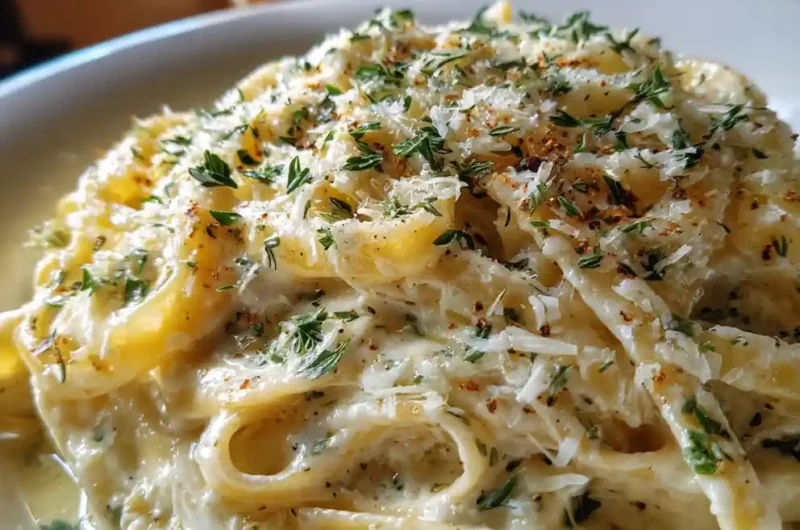
I used to think a truly gourmet alfredo sauce was only available in restaurants. But making this roasted garlic alfredo sauce recipe at home fills the kitchen with an aroma that’s even better than going out.
This recipe transforms a classic comfort food into something deeply savory and restaurant-quality, perfect for a cozy weeknight dinner. We’re skipping the high-heat boiling and high-risk techniques for a reliable, creamy result that won’t break or clump. This is truly the ultimate creamy pasta dish that will have your family asking for seconds.
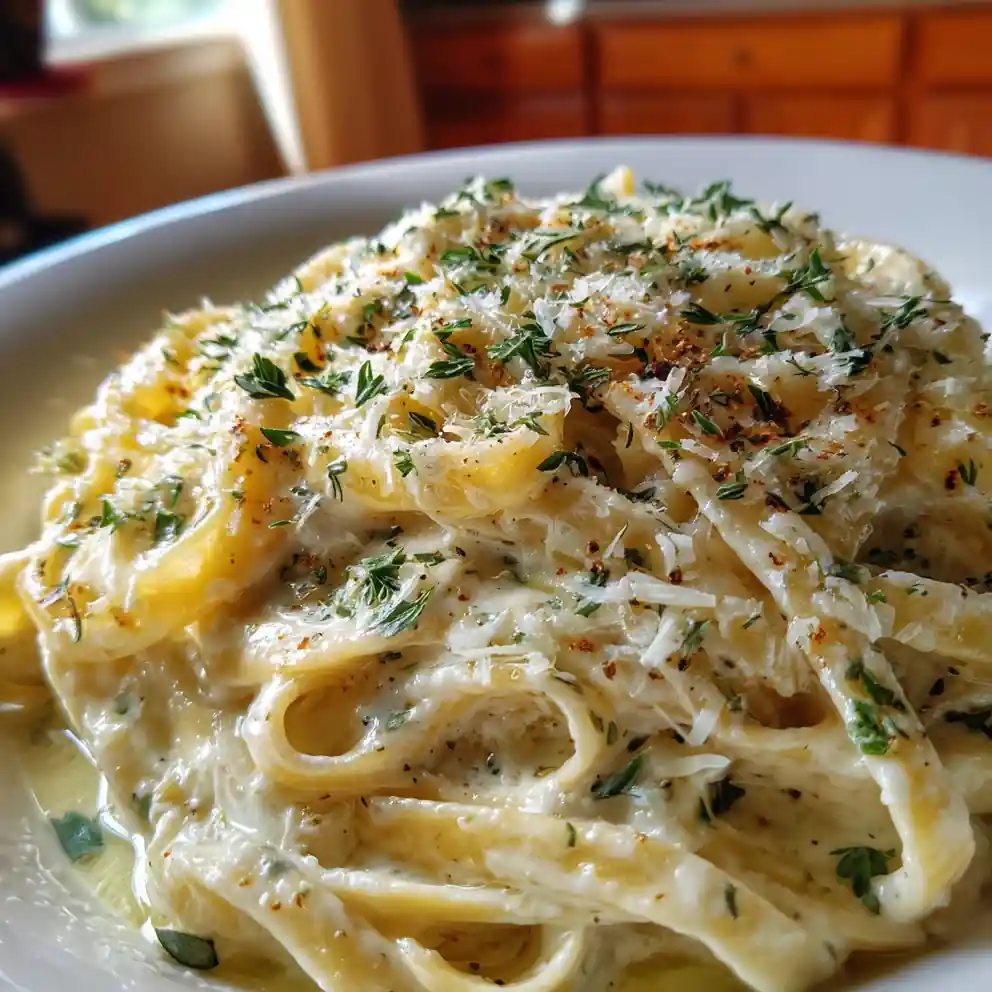
Ingredients
- 340g (12 oz) Fettuccine or similar long pasta
Use a high-quality, long pasta that holds up well to a rich sauce. Ensure it is cooked al dente according to package directions in well-salted water. Make sure to reserve some of the pasta cooking water before draining, as specified in the instructions. - 1 Whole head of garlic (approx. 8-10 cloves)
The star of the show; roasting transforms the sharp flavor into a mellow, sweet, and nutty profile. You will be squeezing the roasted pulp from the skins after cooking. Choose a fresh, firm head of garlic without green sprouts. - 115g (1/2 cup) Unsalted butter
The foundation for the sauce and a carrier for the garlic and sage infusion. Unsalted butter allows you to control the final seasoning of the sauce. Use a high-quality butter for a richer flavor. - 2 Tablespoons fresh sage leaves, finely chopped (plus 1 teaspoon for garnish)
Use only fresh sage; dried sage will not have the same delicate flavor and texture. Infusing the sage gently in the butter before adding the cream is essential for flavor development. Reserve a small amount for a fresh, aromatic garnish at the end. - 360ml (1 1/2 cups) Heavy cream
Essential for achieving the thick, luxurious texture of a classic alfredo sauce. Do not substitute with milk or half-and-half, as they may curdle under the heat. For best results, let the cream come to room temperature before adding it to the skillet. - 180g (1 1/2 cups) Freshly grated Parmesan cheese (plus more for garnish)
Use real Parmesan cheese (Parmigiano-Reggiano or Grana Padano) for the best flavor and melting properties. Avoid pre-grated cheese which contains anti-caking agents that can make the sauce grainy. Ensure the cheese is finely grated so it melts smoothly and quickly. - Seasonings: 1/2 teaspoon fine sea salt, 1/4 teaspoon freshly ground black pepper, and 1 tablespoon extra virgin olive oil
Fine sea salt dissolves easily into the sauce without leaving a gritty texture. Olive oil is used to roast the garlic and also for drizzling on the final dish.
Instructions
- Prepare the Roasted Garlic
Preheat oven to 190°C (375°F) and prepare the garlic head by slicing off the top 1/4 inch to expose the cloves. Drizzle with 1 tablespoon of olive oil, wrap tightly in foil, and roast for 35-45 minutes until the cloves are very soft and golden brown. Once cool enough to handle, squeeze the roasted pulp from the skins into a small bowl; discard skins. - Cook the Pasta and Reserve Water
While the garlic roasts, cook the fettuccine according to package directions in well-salted water until al dente. Before draining, reserve 240ml (1 cup) of the starchy pasta cooking water; this water helps emulsify and thicken the alfredo sauce later. Drain the pasta and set it aside; do not rinse. - Create the Garlic Sage Infusion
In a large, deep skillet or Dutch oven, melt the unsalted butter over medium-low heat. Add the squeezed roasted garlic pulp and the finely chopped fresh sage leaves; mash the garlic into the butter with the back of a spoon. Gently sauté for 2-3 minutes, allowing the flavors to infuse into the butter without letting the sage brown or become crispy. This creates the flavor base for a complex alfredo sauce recipe. - Add Cream and Simmer
Pour the heavy cream into the skillet, stirring constantly to combine with the garlic and sage mixture. Bring to a gentle simmer (do not boil hard) and reduce the heat to low. Continue to simmer for 5 minutes, allowing the sauce to thicken slightly and for the complex flavors to meld. - Incorporate Cheese Off Heat
Crucial step: remove the skillet completely from the heat source before adding the Parmesan cheese. Gradually add the grated Parmesan cheese, whisking continuously, until the cheese is fully melted and the alfredo sauce is smooth and creamy. Season with fine sea salt and black pepper; if the sauce becomes too thick, add a splash or two of the reserved pasta water to reach your desired consistency. If your alfredo sauce starts to separate or clump, remove from heat immediately and whisk vigorously; a splash of cold cream can sometimes re-emulsify it. - Combine and Serve
Add the drained fettuccine to the skillet with the sauce. Use tongs to gently toss the pasta until every strand is thoroughly coated in the creamy alfredo sauce. Serve immediately in warm bowls, drizzled with extra virgin olive oil and garnished with additional Parmesan and fresh sage.
How to Keep Alfredo Sauce from Breaking and Clumping
The secret to a perfectly smooth alfredo sauce is temperature control and fresh ingredients. The proteins in the cheese will seize or break if exposed to high heat too quickly, separating from the fats in the cream. You must remove the skillet completely from the heat source before whisking in the cheese.
- Use Freshly Grated Cheese: Avoid pre-grated Parmesan cheese as it contains anti-caking agents that prevent smooth melting and create a grainy texture.
- Control Heat: Never add the cheese while the sauce is at a rapid boil. The residual heat from the skillet after removing it from the stove is sufficient to melt the cheese gently.
- Fix a Broken Sauce: If your alfredo sauce does break, remove it from the heat and rapidly whisk in a small amount of cold heavy cream or reserved pasta water. This helps re-emulsify the sauce by introducing cold fat and liquid to stabilize the mixture.
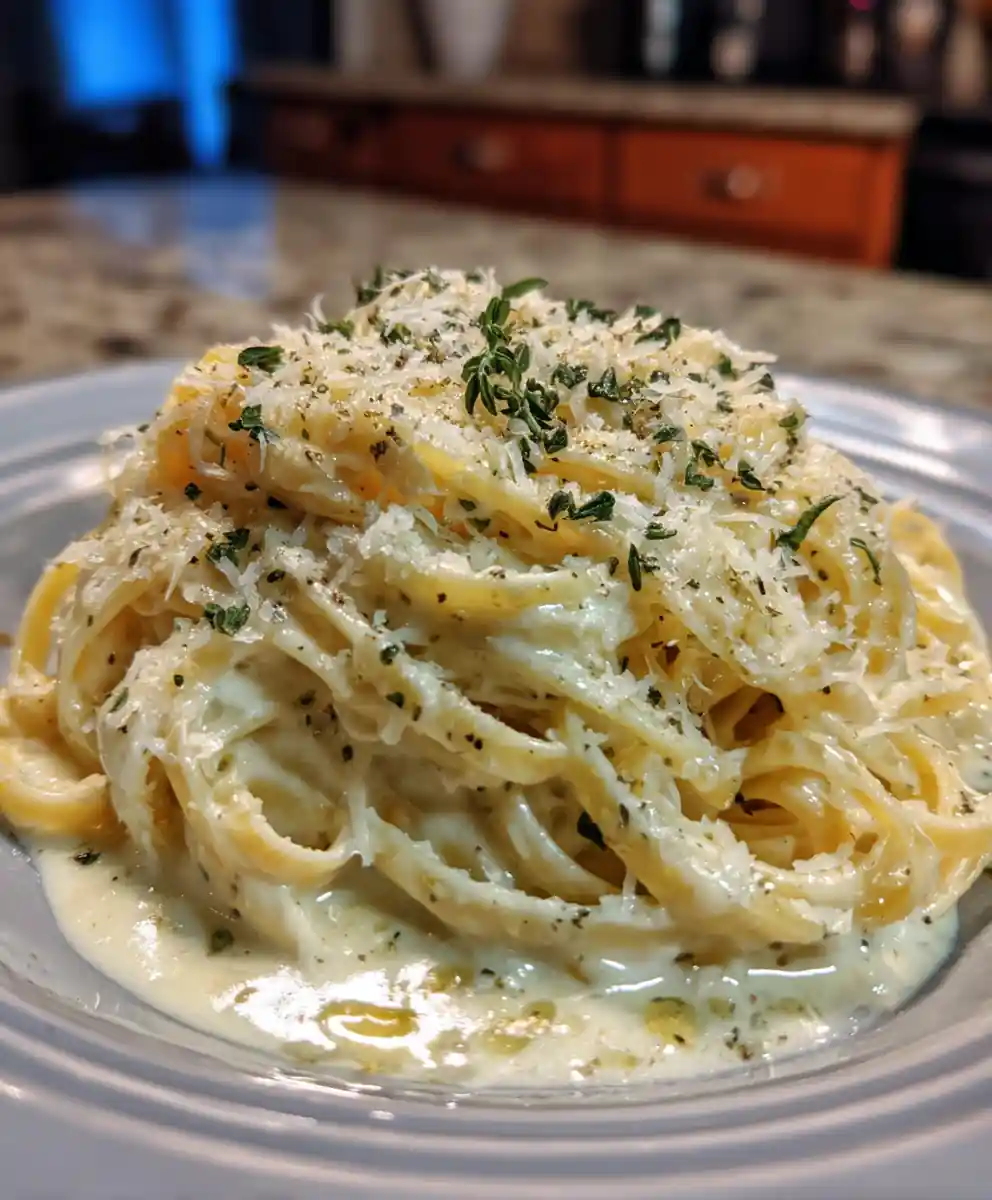
Variations for Our Garlic Sage Alfredo Sauce
This garlic sage alfredo sauce recipe is versatile and makes a great base for many easy dinner ideas. It pairs well with high-protein additions to create a complete meal.
- Add protein to turn this into a full meal: Sauté sliced chicken breasts or shrimp in a separate skillet with a little olive oil and fold them into the finished pasta.
- Incorporate additional vegetables: Stir in steamed broccoli florets, peas, or sliced mushrooms during the last few minutes of simmering to add fiber and flavor.
- Adjust the herbs: If sage isn’t your favorite, try fresh thyme or rosemary; ensure you use fresh herbs for the best flavor infusion.
- Introduce a hint of heat: Add a pinch of red pepper flakes to the butter mixture along with the roasted garlic and sage for a subtle kick.
FAQs about Making the Best Alfredo Sauce at Home
Can I use milk instead of heavy cream for this recipe?
While you can make a lighter sauce, substituting heavy cream with milk significantly increases the risk of the sauce breaking and results in a less thick, less luxurious texture. The higher fat content in heavy cream prevents curdling and provides the classic alfredo richness.
How do I store leftover homemade alfredo sauce?
Store leftovers in an airtight container in the refrigerator for up to 3 days; add a splash of milk or cream when reheating on the stovetop to prevent separation. I actually find it works best to reheat the sauce separately in a non-stick pan over very low heat before adding back the pasta.
Why do I need to roast the garlic instead of just mincing it?
Roasting sweetens the garlic and removes its harsh, pungent bite, creating a much milder and complex flavor profile that complements the sage and cream perfectly. This step transforms the flavor of the final dish from simple garlic cream sauce to gourmet roasted garlic alfredo sauce.
What if my sauce is too thick or too thin?
If too thick, add small amounts of the reserved starchy pasta water (which helps emulsify the sauce) until it reaches the desired consistency. If too thin, try simmering for a minute or two longer, or add a little more cheese off heat.
What kind of pasta works best for alfredo?
Fettuccine is traditional because its flat, long shape helps hold the thick sauce, but linguine or even pappardelle also work very well. The key is to choose a pasta that can stand up to the richness of the alfredo sauce recipe.
Conclusion
This easy alfredo sauce recipe proves that homemade comfort food can also be sophisticated and deeply flavorful, and it’s perfect for family dinners. Pin this recipe now and enjoy a gourmet meal at home this week.
Print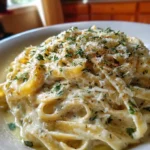
alfredo sauce recipe
- Total Time: 55 minutes
- Yield: 4 servings 1x
- Diet: General
Description
This restaurant-quality roasted garlic alfredo sauce recipe transforms classic comfort food into a deeply savory, creamy pasta dish. The recipe uses roasted garlic and fresh sage for a complex flavor profile, ensuring a smooth sauce by controlling temperature and using quality ingredients.
Ingredients
- 12 ounces fettuccine pasta
- 1 whole head garlic (approx. 8–10 cloves)
- 1/2 cup (115g) unsalted butter
- 2 tablespoons fresh sage leaves, finely chopped, plus extra for garnish
- 1 1/2 cups (360ml) heavy cream
- 1 1/2 cups (180g) freshly grated Parmesan cheese, plus extra for garnish
- 1 tablespoon extra virgin olive oil
- 1/2 teaspoon fine sea salt
- 1/4 teaspoon freshly ground black pepper
Instructions
- Roast Garlic: Preheat oven to 375°F (190°C). Slice off the top 1/4 inch of the garlic head to expose the cloves. Drizzle with 1 tablespoon of olive oil, wrap tightly in foil, and roast for 35-45 minutes until very soft. Squeeze the roasted pulp from the skins into a bowl and discard skins.
- Cook Pasta: Cook fettuccine in well-salted water until al dente according to package directions. Before draining, reserve 1 cup (240ml) of starchy pasta water. Drain pasta and set aside.
- Create Sage Infusion: In a large skillet over medium-low heat, melt the butter. Add the squeezed roasted garlic pulp and chopped fresh sage leaves. Mash the garlic into the butter and sauté gently for 2-3 minutes to infuse flavors without browning the sage.
- Simmer Cream: Pour the heavy cream into the skillet and bring to a gentle simmer (do not boil hard) over low heat. Simmer for 5 minutes, allowing the sauce to thicken slightly.
- Incorporate Cheese: Remove the skillet completely from the heat source. Gradually add the grated Parmesan cheese, whisking continuously until the cheese fully melts and the sauce is smooth and creamy. Season with salt and pepper. Add reserved pasta water as needed to thin the sauce to desired consistency.
- Combine and Serve: Add the drained fettuccine to the skillet and gently toss with tongs until every strand is coated. Serve immediately, garnished with extra Parmesan and fresh sage leaves.
Notes
To keep the sauce from breaking or clumping, remove the skillet from heat before adding the cheese and whisk continuously. If the sauce does separate, add a splash of cold cream or pasta water while whisking vigorously to re-emulsify. Using freshly grated cheese instead of pre-grated is essential for a smooth texture, as anti-caking agents in pre-grated cheese can make the sauce grainy.
- Prep Time: 10 minutes
- Cook Time: 45 minutes
- Category: Dinner
- Method: Roasting, Stovetop
- Cuisine: Italian
Nutrition
- Serving Size: 1 serving
- Calories: 750 kcal
- Sugar: 3 g
- Sodium: 900 mg
- Fat: 65 g
- Saturated Fat: 40 g
- Unsaturated Fat: 25 g
- Trans Fat: 0 g
- Carbohydrates: 45 g
- Fiber: 3 g
- Protein: 22 g
- Cholesterol: 180 mg
Keywords: alfredo, pasta, roasted garlic, sage, fettuccine, italian, comfort food, creamy sauce, dinner
FREE PRINTABLE RECIPE
Get the Printable Recipe PDF (Free)
Enter your email and we’ll send you the ingredients + step-by-step instructions as a clean PDF you can save to your phone.
- ✅ Printable PDF (ingredients + steps)
- ✅ Save it to your phone (no long scrolling)
- ✅ Includes cook time + servings
- ✅ Easy to follow
FAQ
Where’s the full recipe?
It’s delivered as a printable PDF so you can save it and cook without scrolling.
I didn’t get the email.
Check Spam/Promotions and search your inbox for your site name. Then click Confirm to receive the PDF.