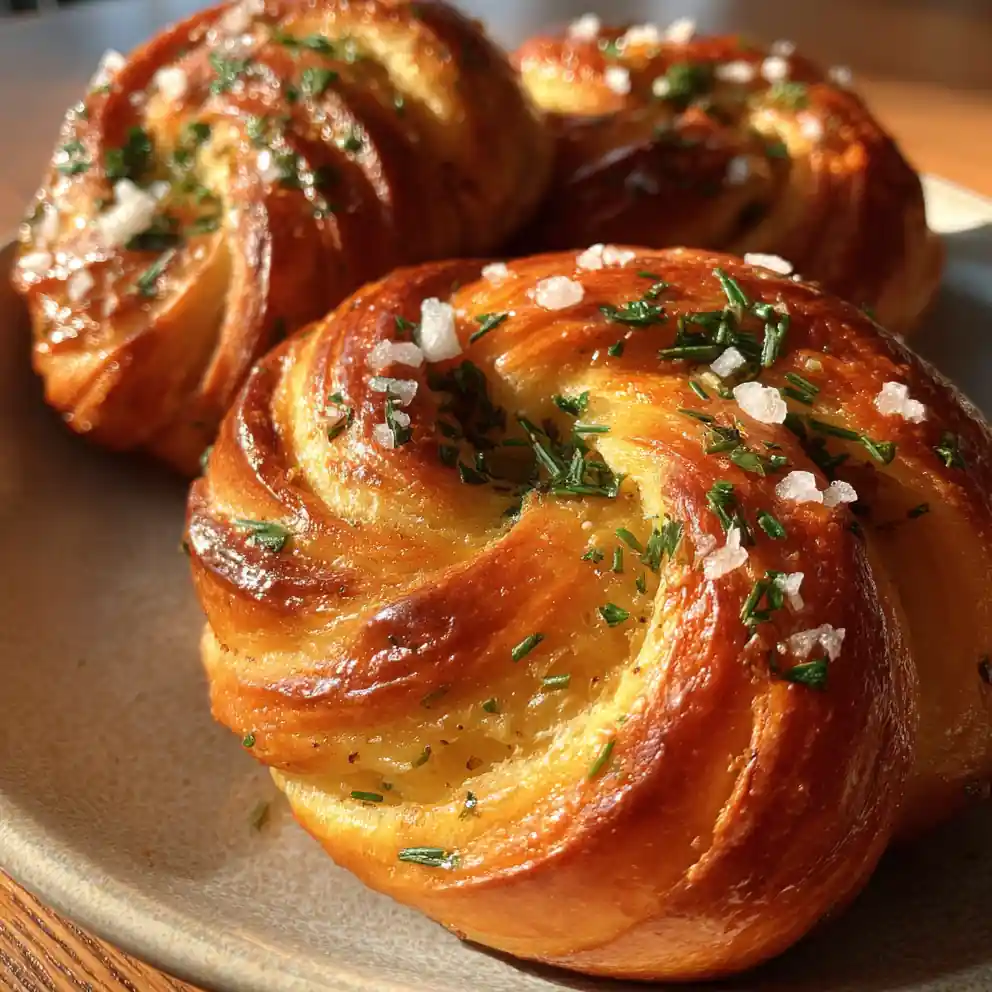
I’ve always believed that even the simplest dinner roll can be a memorable part of the meal, and this brioche bun recipe proves it. This recipe takes a classic brioche dough—known for its soft, buttery texture—and transforms it with the deep, savory flavors of roasted garlic and fresh rosemary.
The result is a show-stopping side dish where every bite delivers a tender crumb and aromatic ribbons of flavor. These brioche buns are a perfect example of how a small effort can elevate a family-friendly meal into something special.
Ingredients
- Warm Milk (120 ml / 1/2 cup): Ensure the temperature is between 100-110°F (38-43°C) to properly activate the yeast. Full-fat milk will create a richer, more tender crumb for the brioche buns. If the milk is too hot, it will kill the yeast; if too cold, the yeast won’t activate.
- Active Dry Yeast (7 g / 2 1/4 teaspoons): This is the leavening agent responsible for giving the brioche buns their airy texture. Always check the expiration date on your yeast for best results. Rapid-rise or instant yeast can be used, but the initial proofing time may be slightly faster.
- Granulated Sugar (50 g / 1/4 cup, divided): Sugar feeds the yeast, helping it to activate and proof properly. It also contributes to the brioche buns’ characteristic golden brown crust and slight sweetness. Use a portion in the yeast mixture and reserve the rest for the dry ingredients.
- All-Purpose Flour (300 g / 2 1/2 cups, plus extra for dusting): Standard all-purpose flour provides the necessary structure for these rich brioche buns. Measure flour accurately using the spoon-and-level method to avoid dense results. If substituting with bread flour, you may need a little extra liquid as it absorbs more.
- Fine Sea Salt (5 g / 1 teaspoon): Salt is essential for flavor and controlling the yeast activity. Ensure the salt and yeast are added separately in the mixing process to prevent the salt from inhibiting yeast growth. Use fine sea salt for easy dissolving into the dough.
- Eggs (2 large, at room temperature, plus 1 for egg wash): Room temperature eggs incorporate into the dough more easily and contribute to a lighter, softer crumb. Eggs add richness and help create the signature golden hue and structure of brioche. The extra egg is for the egg wash, which provides shine and deep color during baking.
- Unsalted Butter (113 g / 1/2 cup): Use high-quality unsalted butter, softened and cut into 1-inch cubes. The high fat content of butter is what defines brioche dough; do not substitute with margarine or oil if you want the classic texture. Adding softened butter gradually at room temperature allows it to integrate smoothly into the dough without clumping.
- Garlic Heads (2 medium heads): Roasting the garlic creates a mellow, sweet, and nutty flavor that is much less harsh than raw garlic. Choose medium-sized heads with firm cloves for the best roasting outcome. The roasted garlic provides the primary savory flavor note in this recipe.
- Olive Oil (15 ml / 1 tablespoon): Used for roasting the garlic and lightly greasing the proofing bowl. Use extra virgin olive oil for a richer flavor profile in the filling. A small amount helps carry the flavor of the rosemary and garlic throughout the bun.
- Fresh Rosemary (10 g / 2 tablespoons, finely chopped): Fresh rosemary provides the aromatic, piney note that pairs perfectly with the roasted garlic. Avoid dried rosemary, as it doesn’t offer the same potent flavor and texture. Finely chopping the rosemary ensures even distribution throughout the ribbons.
- Flaky Sea Salt (2 g / 1/2 teaspoon): Used as a finishing garnish to add a visual element and enhance the overall savory flavor. Sprinkle on top immediately after egg washing and before baking for the best effect. Use flaky salt, as it provides a satisfying crunch that regular table salt lacks.
Instructions
- Roast the Garlic: Preheat oven to 375°F (190°C). Slice off the top of the garlic heads, drizzle with 1 tsp olive oil, wrap in foil, and roast for 40-50 minutes until soft and golden brown. Let the garlic cool completely before squeezing out the pulp and mashing it with a fork; the pulp should be very smooth. This step can be done in advance to save time on baking day; store roasted garlic in the fridge.
- Activate the Yeast: In a small bowl, combine the warm milk, yeast, and 1 tablespoon of the granulated sugar. Stir gently to incorporate. Let the mixture sit for 5-10 minutes until it becomes foamy and frothy on top. This foam indicates the yeast is alive and active, ensuring your dough will rise properly for this brioche bun recipe.
- Combine Dry Ingredients: In the bowl of a stand mixer, whisk together the all-purpose flour, remaining granulated sugar, and fine sea salt. Make sure to distribute the salt evenly; it’s important to keep it separate from the yeast initially. Use a dough hook attachment for this recipe; it is essential for developing the brioche dough’s elasticity.
- Mix the Dough: Add the activated yeast mixture and the 2 room-temperature large eggs to the dry ingredients. Start mixing on low speed for 2-3 minutes until a shaggy, cohesive dough forms. Increase speed to medium-low and continue kneading for 5 minutes to begin gluten development. I really enjoy watching this dough go from shaggy mess to smooth in the mixer.
- Incorporate the Butter: With the mixer still running on medium-low, add the softened butter cubes one at a time. Ensure each cube is almost fully incorporated before adding the next one; this process will take 5-7 minutes. Continue kneading on medium speed for another 10-12 minutes until the dough becomes very smooth, elastic, and pulls away from the sides of the bowl cleanly. If the dough seems too sticky during this process, resist adding extra flour; just continue kneading, and the gluten structure will eventually firm up. This long kneading time is crucial for developing the soft texture of these brioche buns.
- First Proof: Transfer the smooth dough to a lightly greased bowl, turning once to coat all sides. Cover the bowl tightly with plastic wrap and let it rise in a warm spot for 1.5-2 hours, or until the dough has doubled in size. To test for doubling, gently press a finger into the dough; if the indentation slowly fills back in, it’s ready.
- Prepare the Filling and Shape Buns: While the dough rises, combine the mashed roasted garlic pulp, remaining olive oil, and finely chopped rosemary to create the filling paste. Once dough has proofed, gently punch it down and divide into 8 equal portions. Roll each portion into an 8×4 inch rectangle. Spread 1.5 teaspoons of the garlic-rosemary paste over each rectangle, roll into a tight log, and cut lengthwise to create two strands.
- Twist and Final Proof: Twist the two strands together, trying to keep the filling visible on the outside, and then join the ends to form a bun shape. Arrange the buns on a parchment-lined baking sheet, leaving ample space between them to prevent merging during baking. Cover loosely and let proof for another 45-60 minutes in a warm place until noticeably puffy (this is the second proof).
- Bake the Brioche Buns: Preheat oven to 350°F (175°C). Gently brush the proofed buns with the egg wash, ensuring not to deflate them. Bake for 18-22 minutes, or until the buns are a deep golden brown color and sound hollow when tapped on the bottom. If the tops brown too quickly before the center is cooked, loosely tent the buns with aluminum foil.
- Cooling and Serving: Transfer the baked brioche buns to a wire rack to cool slightly before serving warm. Finish with a light sprinkle of flaky sea salt and additional chopped rosemary for presentation. These buns are best served warm within a few hours of baking; store leftovers in an airtight container for up to 3 days.
Troubleshooting Your Brioche Dough
Why is my dough so sticky?
Brioche is a very rich dough due to the high fat content from butter and eggs, so it will be stickier than standard bread dough. Resist adding excessive flour; instead, ensure proper kneading time in the stand mixer until it passes the windowpane test (can be stretched thin without tearing). I find chilling the dough for 30 minutes before shaping makes a huge difference in handling this rich brioche bun recipe, especially if you’re new to working with high-fat dough.
What if I don’t have a stand mixer?
While a stand mixer is ideal for rich dough like brioche, you can knead by hand. The process will take significantly longer, up to 20-25 minutes of vigorous kneading to fully incorporate the butter and develop gluten. Be prepared for a messier process; flour your hands lightly as needed, but avoid adding too much extra flour to the brioche bun recipe.
My dough didn’t double in size during proofing.
This usually indicates a problem with the yeast activation or temperature. Ensure your warm milk is between 100-110°F (38-43°C); if it’s too hot (above 120°F), it kills the yeast. Check the expiration date of your yeast; old yeast may be inactive and prevent rising.
Make-Ahead Tips and Storage
Can I make the brioche dough ahead of time?
Yes, for convenience, you can do the first proof in the refrigerator overnight (8-12 hours). The cold temperature slows down fermentation, allowing you to shape the buns the next morning. When using this method, let the dough come back up to room temperature for about 30 minutes before punching it down and proceeding with shaping.
How do I store leftover buns?
Store leftover brioche buns in an airtight container or zip-top bag at room temperature for up to 3 days. For longer storage, freeze cooled buns in a freezer-safe bag for up to 3 months. Reheat frozen buns in the oven (350°F / 175°C) for 5-10 minutes until warmed through, or microwave quickly.
Serving Suggestions for Savory Brioche Buns
What meals pair best with these savory brioche buns?
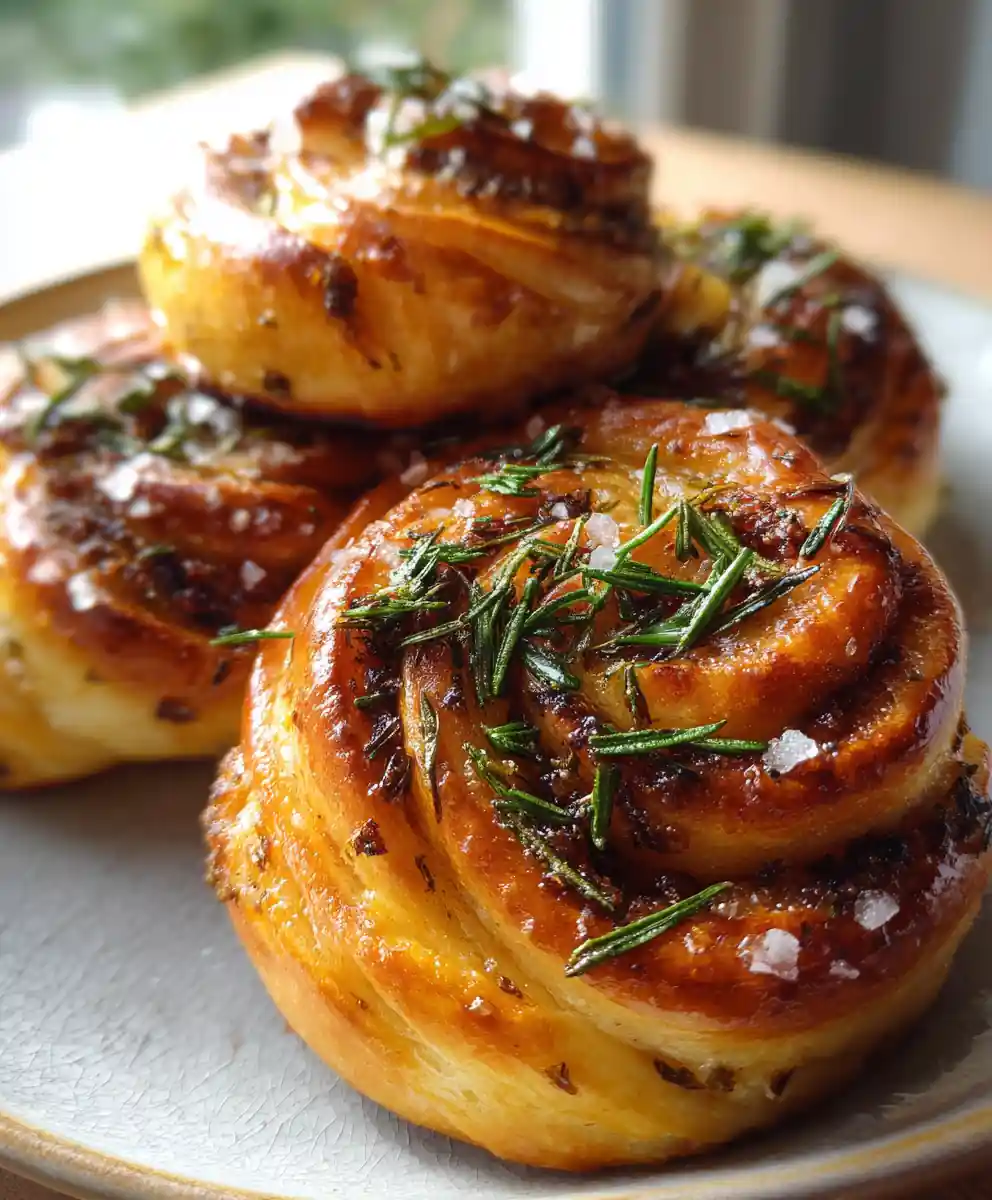
These garlic and rosemary buns are perfect for soaking up rich sauces and gravies. Serve them alongside hearty stews, chili, or creamy soups, such as French Onion or Broccoli Cheddar. They also make an excellent accompaniment to a roast chicken or pot roast during a family dinner.
Can I make sandwiches with these?
While they aren’t the traditional hamburger bun shape, these buns are excellent for small savory sandwiches. Try them with pulled beef, shredded chicken, or as a base for small sliders. The rich flavor profile pairs well with strong cheeses and cured meats.
FAQs
Can I use dried rosemary instead of fresh?
It is highly recommended to use fresh rosemary for this brioche bun recipe, as the fresh oil carries the aroma much better and adds texture. Dried rosemary can be used in a pinch, but reduce the amount significantly (use 1/3 less) and crush it between your fingers to release the oils before adding.
What kind of stand mixer attachment should I use?
A dough hook attachment is essential for kneading brioche dough in a stand mixer. The high-fat content makes the dough sticky and difficult to manage with a flat beater or by hand. The dough hook helps develop the gluten structure necessary for the brioche’s light and airy crumb.
Can I make these buns without the garlic and rosemary filling?
Yes, you can omit the roasted garlic and rosemary filling to create a classic, plain brioche bun recipe. The dough base itself is versatile and can be used for hamburger buns or sliders. If making plain buns, skip the shaping steps where the ribbons are formed; simply shape into round balls before the second proof.
How do I know when the buns are fully baked?
The buns should be deep golden brown and sound hollow when tapped on the bottom. A quick check with an instant-read thermometer should show an internal temperature of at least 190°F (88°C).
What if my kitchen is cold and the dough isn’t rising?
Brioche dough requires a warm environment to rise quickly. Try placing the covered bowl in a slightly warmed oven (set to the lowest temperature for 1 minute, then turn off) or near a sunny window. Alternatively, let it rise for a longer period of time; cold-weather proofing can take up to 3 hours or more.
Can I freeze the shaped but unbaked buns?
Yes, after shaping the buns and completing the second proof, flash freeze them on the baking sheet until solid. Transfer the frozen buns to a freezer-safe bag and store for up to 1 month. To bake, thaw overnight in the refrigerator, then let them sit at room temperature for an hour before baking as instructed for this brioche bun recipe.
Conclusion
Making this brioche bun recipe is a truly spectacular way to create flavorful rolls for your family’s table.
The combination of rich, tender brioche with the savory punch of roasted garlic and rosemary makes these buns unforgettable for any family dinner. Whether for a special occasion or a quick meal prep side dish, these beautiful ribbon rolls from this brioche bun recipe are a guaranteed showstopper. Try making a double batch this week, serve a portion, and freeze the rest for a quick, impressive side dish later. Save this recipe on Pinterest so you can easily find it for your next gathering.
Print
brioche bun recipe
- Total Time: 215 minutes
- Yield: 8 servings 1x
- Diet: Vegetarian
Description
A savory brioche bun recipe combining classic buttery brioche dough with roasted garlic and fresh rosemary, resulting in a tender crumb and aromatic flavor perfect as a side dish.
Ingredients
- 0.5 cup warm milk (120 ml)
- 2.25 teaspoons active dry yeast (7 g)
- 0.25 cup granulated sugar (50 g), divided
- 2.5 cups all-purpose flour (300 g), plus extra for dusting
- 1 teaspoon fine sea salt (5 g)
- 3 large eggs (2 room temperature for dough, 1 for egg wash)
- 0.5 cup unsalted butter (113 g), softened and cubed
- 2 medium garlic heads
- 1 tablespoon olive oil (15 ml)
- 2 tablespoons fresh rosemary (10 g), finely chopped
- 0.5 teaspoon flaky sea salt (2 g), for finishing
Instructions
- Roast the Garlic: Preheat oven to 375°F (190°C). Slice off the top of the garlic heads, drizzle with 1 tsp olive oil, wrap in foil, and roast for 40-50 minutes until soft. Let cool completely, then mash the pulp with a fork.
- Activate the Yeast: In a small bowl, combine warm milk, yeast, and 1 tablespoon of granulated sugar. Stir gently and let sit for 5-10 minutes until foamy.
- Combine Dry Ingredients: In the bowl of a stand mixer, whisk together the all-purpose flour, remaining granulated sugar, and fine sea salt. Attach the dough hook.
- Mix the Dough: Add the activated yeast mixture and the 2 room-temperature large eggs to the dry ingredients. Mix on low speed for 2-3 minutes until a shaggy dough forms, then increase to medium-low speed and knead for another 5 minutes.
- Incorporate the Butter: While the mixer runs on medium-low speed, add the softened butter cubes one at a time, incorporating each piece before adding the next (5-7 minutes total). Continue kneading on medium speed for 10-12 minutes until the dough is smooth, elastic, and pulls away from the bowl.
- First Proof: Transfer the smooth dough to a lightly greased bowl, cover with plastic wrap, and let rise in a warm spot for 1.5-2 hours, or until doubled in size.
- Prepare the Filling and Shape Buns: Combine the mashed roasted garlic pulp, remaining olive oil, and finely chopped rosemary. Gently punch down the proofed dough and divide it into 8 equal portions. Roll each portion into an 8×4 inch rectangle. Spread 1.5 teaspoons of the garlic-rosemary paste over each rectangle. Roll into a tight log and cut lengthwise to create two strands.
- Twist and Final Proof: Twist the two strands together to form a bun shape. Arrange the buns on a parchment-lined baking sheet, leaving space between them. Cover loosely and let proof for 45-60 minutes until noticeably puffy.
- Bake the Brioche Buns: Preheat oven to 350°F (175°C). Gently brush the proofed buns with the egg wash. Bake for 18-22 minutes, or until deep golden brown. If browning too quickly, loosely tent with foil.
- Cooling and Serving: Transfer to a wire rack to cool slightly. Sprinkle with flaky sea salt and additional rosemary for garnish before serving warm.
Notes
Store leftover brioche buns in an airtight container for up to 3 days. Ensure the yeast is fresh and active before mixing the dough. If the dough seems sticky during kneading, resist adding extra flour; continue kneading to develop the gluten structure.
- Prep Time: 60 minutes
- Cook Time: 20 minutes
- Category: Side Dish
- Method: Baking
- Cuisine: French
Nutrition
- Serving Size: 1 bun (90 g)
- Calories: 325 calories
- Sugar: 6 g
- Sodium: 350 mg
- Fat: 15 g
- Saturated Fat: 8 g
- Unsaturated Fat: 7 g
- Trans Fat: 0 g
- Carbohydrates: 40 g
- Fiber: 1 g
- Protein: 7 g
- Cholesterol: 70 mg
Keywords: brioche buns, savory bread, roasted garlic, rosemary, side dish, baking, yeast bread, dinner rolls
FREE PRINTABLE RECIPE
Get the Printable Recipe PDF (Free)
Enter your email and we’ll send you the ingredients + step-by-step instructions as a clean PDF you can save to your phone.
- ✅ Printable PDF (ingredients + steps)
- ✅ Save it to your phone (no long scrolling)
- ✅ Includes cook time + servings
- ✅ Easy to follow
FAQ
Where’s the full recipe?
It’s delivered as a printable PDF so you can save it and cook without scrolling.
I didn’t get the email.
Check Spam/Promotions and search your inbox for your site name. Then click Confirm to receive the PDF.