I’ve spent years searching for the perfect homemade sweet and sour sauce recipe, and this one finally checks all the boxes for easy family dinners. Say goodbye to boring takeout and hello to a homemade version that’s bursting with fresh flavor. This recipe ditches the artificial colors for a vibrant, naturally sweet base using smoky roasted red peppers. It’s a game-changer for quick weeknight meals, elevating crispy chicken, tofu, or shrimp in minutes. Get ready for a perfectly balanced chinese sweet and sour sauce recipe that’s easy enough for new cooks and flavorful enough for a pro. The secret ingredient, those roasted peppers, creates a deep, complex taste that you won’t find in a jar, making this truly the best homemade sweet and sour sauce recipe.
Ingredients
This chinese sweet and sour sauce recipe uses a blend of fresh ingredients and pantry staples for maximum impact. Here’s what you need to make this healthy, family-friendly sauce:
- 2 medium red bell peppers (approx. 300g / 10.6 oz)
We roast these until blistered for a deep, smoky flavor that forms the base of the sauce. This natural method provides vibrant color and sweetness without artificial additives. - 1 tablespoon (15 ml) neutral oil, for roasting
Used for tossing the bell peppers before roasting to encourage even charring and easy peeling. Choose a high smoke point oil like avocado oil or canola oil. - 2 tablespoons (30 ml) neutral oil, for sautéing
Used for sautéing the aromatics (ginger and garlic) to build the flavor foundation. This helps release their essential oils and prevent bitterness. - 2 cloves garlic, minced (approx. 10g / 0.35 oz)
Fresh garlic adds pungent warmth and complexity to the overall sauce profile. Mince finely to ensure a smooth texture and even distribution of flavor. - 1 tablespoon (15g / 0.5 oz) fresh ginger, grated
Provides a signature zesty, spicy note that defines Chinese cuisine. Grate finely to release maximum flavor without leaving fibrous chunks. - 120 ml (½ cup) rice vinegar
The primary source of tangy flavor that balances the sweetness of the sugar and ketchup. Use unseasoned rice vinegar for best results; avoid seasoned vinegar which contains extra salt and sugar. - 100g (½ cup) granulated sugar
Provides the sweetness necessary to create the classic sweet and sour balance. Adjust slightly to personal taste depending on the sweetness of your bell peppers and ketchup brand. (You can also swap with honey or maple syrup for a slightly different flavor profile.) - 120 ml (½ cup) ketchup
Adds a familiar umami and tomato base, enhancing color and thickening the sauce. We use less ketchup than traditional recipes thanks to the red pepper base. - 60 ml (¼ cup) light soy sauce
Contributes savory depth and saltiness to balance the overall flavor profile. Use light soy sauce to avoid making the sauce too dark and heavy. (For a gluten-free option, substitute with tamari.) - 180 ml (¾ cup) water or vegetable broth
Provides the necessary liquid for the sauce base and cornstarch slurry. Broth adds a touch more savory depth compared to plain water. - 2 tablespoons (16g / 0.56 oz) cornstarch
The thickening agent that creates the signature glossy, slightly viscous texture. Ensure it’s fully dissolved in cold water before adding to prevent lumps. - 120g (¾ cup) fresh pineapple chunks (about 1.5 cm / 0.6 inch cubes)
Adds a burst of fresh, tropical acidity and texture to the finished sauce. Fresh pineapple works best, but canned chunks (well drained) can be used in a pinch. - 1 tablespoon (15ml) untoasted sesame oil (optional)
Added at the very end to provide a nutty, aromatic finish without overpowering the delicate pepper flavor. - 1 teaspoon (5g / 0.18 oz) toasted white sesame seeds, for garnish
Adds visual appeal and a crunchy texture contrast when serving. Lightly toast in a dry pan for a few seconds if not already toasted. - 1 stalk green onion (scallion), thinly sliced, for garnish
Provides a fresh, sharp garnish that cuts through the richness of the sauce. Slice thinly on the bias for a restaurant-quality presentation.
Instructions
Here’s how to prepare this delicious homemade chinese sweet and sour sauce recipe. The key is roasting the peppers first to unlock their deep, smoky flavor.
- Roast the Red Peppers for Smoky Flavor
Preheat oven to 200°C (400°F). Halve the red bell peppers, remove seeds and core. Toss with 1 tablespoon of neutral oil and place cut-side down on a baking sheet. Roast for 20-25 minutes, or until the skins are blistered and slightly charred. Transfer peppers to a bowl, cover tightly with plastic wrap to steam for 10-15 minutes, then peel and discard the skins. - Sauté Aromatics in Saucepan
In a medium saucepan, heat 2 tablespoons of neutral oil over medium heat. Add minced garlic and grated ginger, sauté for 1 minute until fragrant. Be careful not to let the aromatics brown, as this will result in a bitter taste in your finished sweet and sour sauce. - Blend the Sauce Base
In a high-speed blender, combine the peeled roasted red bell peppers, rice vinegar, granulated sugar, ketchup, soy sauce, and water (or vegetable broth). Blend until completely smooth and a vibrant, deep red liquid forms. This step creates the natural color and body that sets this sweet and sour sauce apart from traditional versions. - Thicken the Sauce
Pour the blended pepper mixture into the saucepan with the garlic and ginger. Bring to a gentle simmer over medium-low heat. In a small bowl, whisk together the cornstarch with 2 tablespoons of cold water until no lumps remain (the cornstarch slurry). Gradually whisk the cornstarch slurry into the simmering sauce and continue to simmer, stirring constantly for 2-3 minutes, until the sauce thickens to a glossy, pourable consistency. If the sauce doesn’t thicken after 3 minutes, whisk a little more cornstarch slurry (1 teaspoon cornstarch dissolved in 1 tablespoon cold water) and add it slowly. - Finish and Serve
Stir in the fresh pineapple chunks and cook for another 2-3 minutes, allowing them to warm through and slightly soften. Remove from heat and stir in the untoasted sesame oil, if using. Serve immediately over crispy chicken, tofu, or rice. This is my favorite part of the recipe—the house smells incredible and dinner is ready! - Garnish and Plate
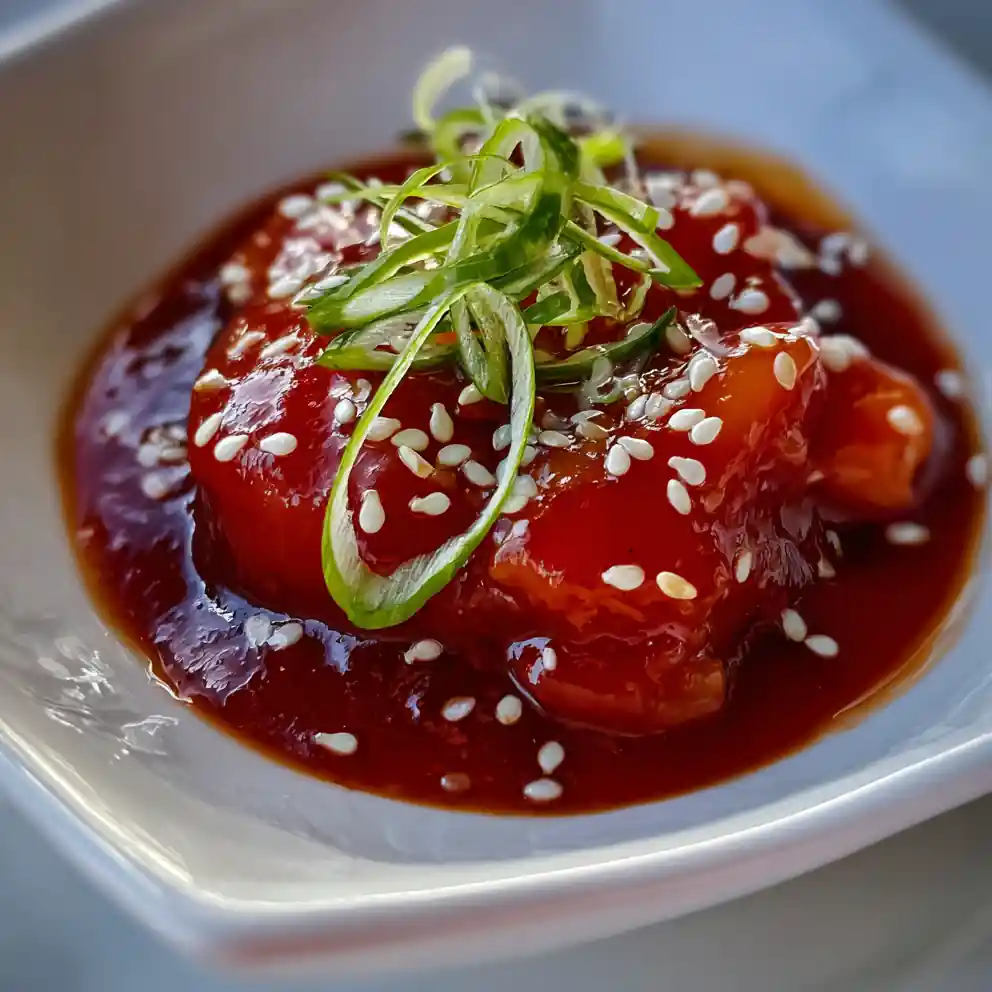
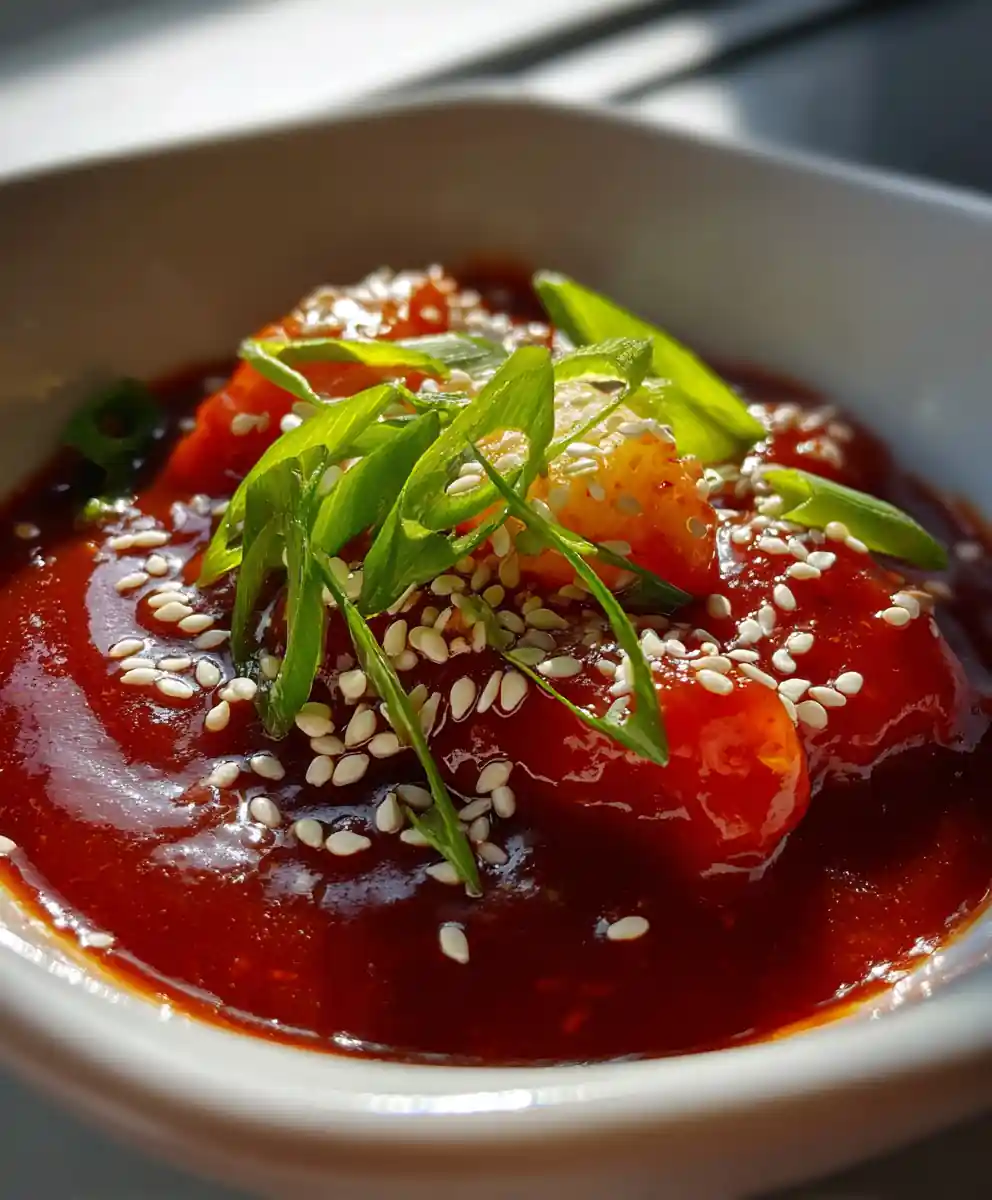
Spoon a generous portion of the glossy, deep red sauce over your preferred protein in a shallow white ceramic bowl. Garnish with a sprinkle of toasted white sesame seeds, allowing them to adhere to the shiny sauce, and a scattering of thinly sliced green onion tops for a vibrant contrast.
Make-Ahead Tips and Storage
This homemade chinese sweet and sour sauce recipe is great for meal prep. The sauce can be fully prepared up to 3 days in advance and stored in the refrigerator in an airtight container. Keep the pineapple separate and add it when reheating for serving to maintain a fresh texture. The sauce may thicken further when chilled; add a splash of water when reheating if needed.
Reheat gently over low heat, whisking constantly to ensure the cornstarch doesn’t break down and separate. Avoid boiling the sauce rapidly during reheating, as this can make the texture gluey. The sauce also freezes well for up to 3 months. Store in a freezer-safe container, leaving some headspace for expansion, and thaw overnight in the refrigerator before reheating.
How to Use Your Smoky Sweet and Sour Sauce
This versatile chinese sweet and sour sauce recipe transforms everyday meals. The most common use is spooned generously over crispy fried chicken or crispy pan-fried tofu, creating a delicious, family-friendly meal. Serve with steamed rice and a side of quick stir-fried vegetables like broccoli or bok choy. The sauce pairs well with high-protein options like chicken breast or shrimp.
For quick weeknight meals, use this sauce as the base for a one-pan stir-fry with chicken breast, bell peppers, onions, and snap peas. The vibrant sauce coats the ingredients perfectly and saves time over making a sauce from scratch. If using as a stir-fry base, add a little extra water or broth to thin slightly. This smoky chinese sweet and sour sauce recipe makes great easy dinner ideas. You can also serve it chilled as a dip for homemade spring rolls or simple crispy wontons; its bright, fruity flavor is a refreshing alternative to standard dipping sauces.
FAQs
Can I make this sweet and sour sauce without ketchup?
While ketchup provides color and a certain depth, you can omit it. If you do, increase the roasted red peppers by one and add a tablespoon of tomato paste for umami. The resulting sauce will have a less traditional flavor but still offer a great sweet and sour balance.
Why are there roasted red peppers in this recipe?
Roasting peppers creates a natural, smoky base that provides depth of flavor and vibrant color without relying on artificial food coloring or excess ketchup. It elevates the sauce beyond standard takeout versions and creates a more complex flavor profile.
What if I don’t have fresh ginger? Can I use ground ginger?
Fresh ginger is highly recommended for its potent, zesty flavor, which defines a good chinese sweet and sour sauce recipe. If absolutely necessary, substitute with ½ teaspoon of ground ginger, added during the sauté step with the garlic. The flavor won’t be as bright, but it will work.
Can I adjust the level of sweetness or sourness?
Yes, for a sweeter sauce, add a tablespoon of sugar. For a tangier sauce, add a teaspoon of rice vinegar. I usually taste and adjust after the sauce has thickened and simmered, as flavors develop during cooking. This ensures the perfect balance for my family.
What protein and vegetables pair best with this sauce?
The sauce works well with crispy-coated proteins (chicken, tofu, shrimp) and sturdy vegetables that hold their texture, like broccoli, bell peppers, and snap peas. The sauce’s bright flavor cuts through the richness of fried protein, making it a good choice for healthy eating.
Can I make this recipe gluten-free?
Yes, simply swap the light soy sauce for gluten-free tamari or coconut aminos. Ensure your other ingredients, particularly the ketchup and broth (if using), do not contain gluten. This makes it a high-quality, healthy option for those with dietary restrictions.
Conclusion
This easy homemade chinese sweet and sour sauce recipe creates better-than-takeout flavor in minutes for quick family dinners. By using smoky roasted red peppers, you get natural color and depth; save this recipe to your Pinterest board for future easy dinner ideas.
Print
chinese sweet and sour sauce recipe
- Total Time: 45 minutes
- Yield: 10 servings 1x
- Diet: General
Description
This homemade sweet and sour sauce uses roasted red peppers to create a vibrant, naturally sweet base without artificial colors, making it a healthy alternative to traditional versions. It’s perfect for quick weeknight meals when served over crispy chicken, tofu, or shrimp.
Ingredients
- 2 medium red bell peppers (approx. 300g)
- 1 tbsp neutral oil (for roasting)
- 2 tbsp neutral oil (for sautéing)
- 2 cloves garlic, minced
- 1 tbsp fresh ginger, grated
- 0.5 cup rice vinegar (unseasoned)
- 0.5 cup granulated sugar
- 0.5 cup ketchup
- 0.25 cup light soy sauce
- 0.75 cup water or vegetable broth
- 2 tbsp cornstarch
- 0.75 cup fresh pineapple chunks
- 1 tbsp untoasted sesame oil (optional)
- 1 tsp toasted white sesame seeds (for garnish)
- 1 green onion, thinly sliced (for garnish)
Instructions
- Roast and Peel Peppers: Preheat oven to 400°F (200°C). Halve red peppers, remove seeds, and toss with 1 tbsp neutral oil. Place cut-side down on a baking sheet and roast for 20-25 minutes until blistered. Transfer peppers to a bowl, cover tightly to steam for 10-15 minutes, then peel and discard the skins.
- Sauté Aromatics: In a medium saucepan, heat 2 tbsp neutral oil over medium heat. Add minced garlic and grated ginger, sauté for 1 minute until fragrant; be careful not to brown them.
- Blend Sauce Base: In a high-speed blender, combine the peeled roasted red peppers, rice vinegar, granulated sugar, ketchup, soy sauce, and water or vegetable broth. Blend until completely smooth.
- Thicken Sauce: Pour the blended mixture into the saucepan with the aromatics. Bring to a gentle simmer over medium-low heat. In a small bowl, whisk together the cornstarch with 2 tbsp cold water until smooth. Gradually whisk the cornstarch slurry into the simmering sauce and continue to simmer, stirring constantly for 2-3 minutes, until the sauce thickens to a glossy consistency.
- Finish and Serve: Stir in the pineapple chunks and cook for another 2-3 minutes to warm through. Remove from heat and stir in the untoasted sesame oil, if using. Serve immediately over crispy chicken, tofu, or rice.
- Garnish: Garnish with toasted white sesame seeds and thinly sliced green onion tops before serving.
Notes
To make ahead, prepare the sauce up to 3 days in advance and store in an airtight container in the refrigerator. Store pineapple separately and add when reheating to preserve its fresh texture. If the sauce thickens when chilled, add a splash of water when reheating. Avoid rapid boiling when reheating. The sauce also freezes well for up to 3 months.
- Prep Time: 15 minutes
- Cook Time: 30 minutes
- Category: Sauce
- Method: Simmering, Blending
- Cuisine: Chinese
Nutrition
- Serving Size: 0.25 cup (60 ml)
- Calories: 100 kcal
- Sugar: 14 g
- Sodium: 460 mg
- Fat: 4 g
- Saturated Fat: 0.5 g
- Unsaturated Fat: 3.5 g
- Trans Fat: 0 g
- Carbohydrates: 18 g
- Fiber: 1 g
- Protein: 1 g
- Cholesterol: 0 mg
Keywords: homemade, sweet and sour, chinese, sauce, stir fry, chicken, healthy, weeknight, easy
FREE PRINTABLE RECIPE
Get the Printable Recipe PDF (Free)
Enter your email and we’ll send you the ingredients + step-by-step instructions as a clean PDF you can save to your phone.
- ✅ Printable PDF (ingredients + steps)
- ✅ Save it to your phone (no long scrolling)
- ✅ Includes cook time + servings
- ✅ Easy to follow
FAQ
Where’s the full recipe?
It’s delivered as a printable PDF so you can save it and cook without scrolling.
I didn’t get the email.
Check Spam/Promotions and search your inbox for your site name. Then click Confirm to receive the PDF.