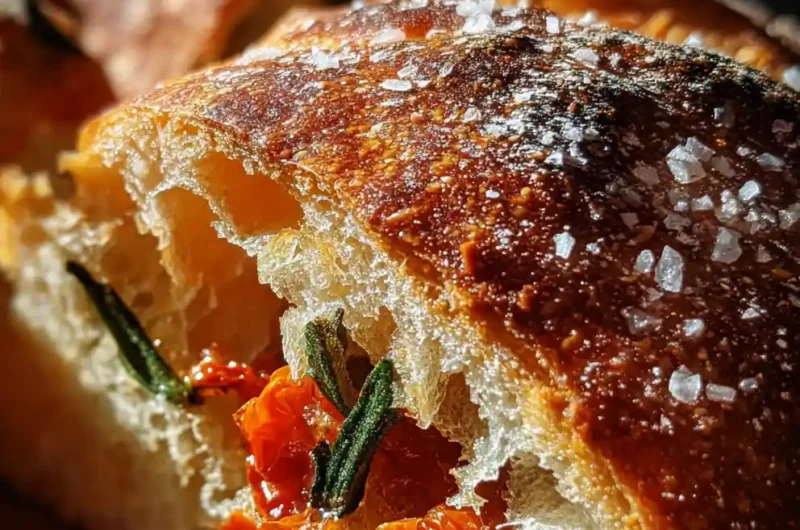
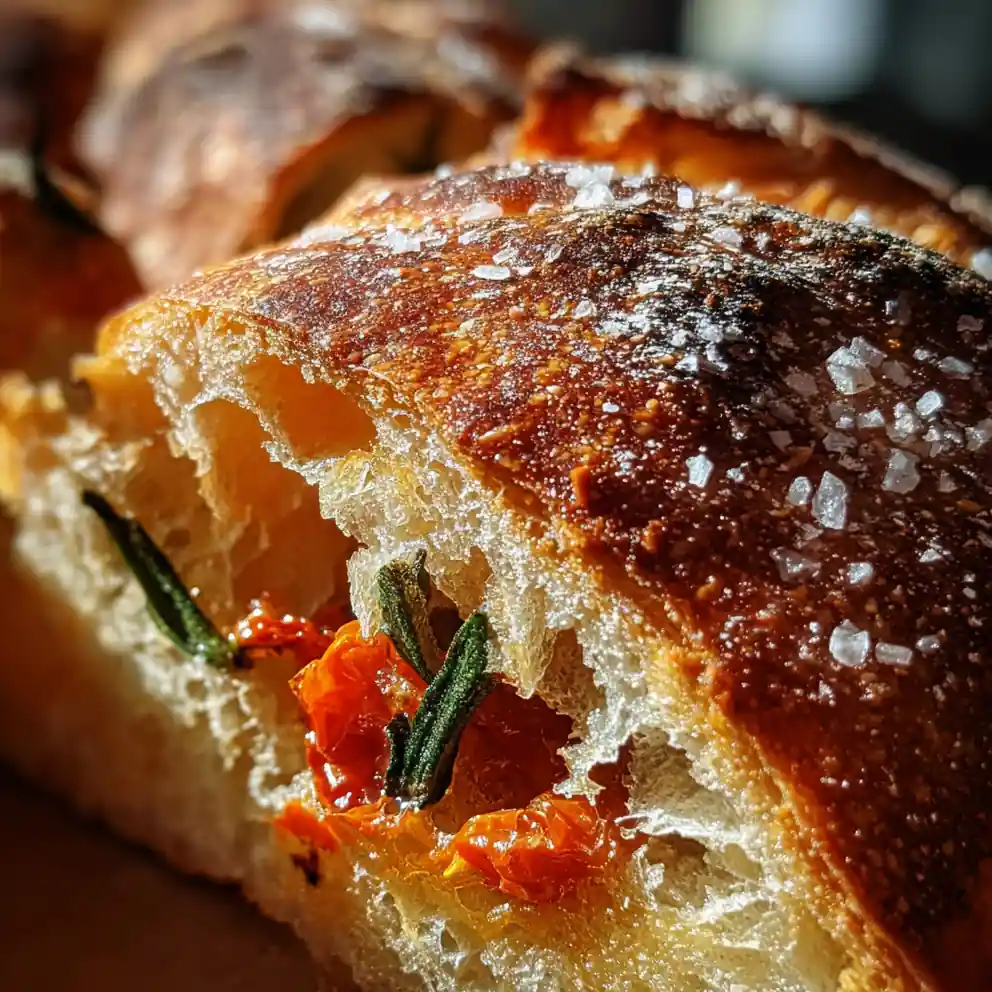
I think there’s nothing quite like the satisfaction of baking fresh bread at home. This easy ciabatta roll recipe fills your kitchen with the most incredible aroma, promising a chewy interior and a delightfully crisp crust. Perfect for busy families seeking a hearty addition to dinner or lunch, these family-friendly rolls are a year-round favorite. My kids always ask for these, especially when we’re planning quick meals. We’ve simplified the traditional method, so even beginner bakers can achieve bakery-quality results with confidence.
What You’ll Need (Ingredients & Why They Matter)
Core Ingredients for Your Ciabatta Rolls
To create these wonderful ciabatta rolls, you’ll need just a few simple things:
- Bread Flour: 200g (1 2/3 cups) for poolish, plus 200g (1 2/3 cups) for main dough. This flour’s higher protein content gives ciabatta its characteristic chewiness and open, airy structure. (Swap: You can use all-purpose flour for a softer roll, or try half whole wheat for rustic, healthier ciabatta rolls.)
- Lukewarm Water: 200ml (7/8 cup) for poolish. Essential for activating the yeast properly and creating a pliable dough.
- Instant Dry Yeast: 2g (1/2 teaspoon) for poolish, plus 3g (1 teaspoon) for main dough. Our secret to those wonderful big air pockets and a good rise. (Swap: Active dry yeast can also be used; just ensure it’s proofed in water first.)
- Room Temperature Water: 150ml (2/3 cup) for main dough. Helps integrate into the dough smoothly without shocking the yeast.
- Fine Sea Salt: 10g (1.5 teaspoons). Crucial for enhancing flavor and controlling the yeast’s fermentation rate.
- Olive Oil: 20ml (1.5 tablespoons), plus extra for oiling the bowl. Adds a lovely richness, keeps the dough pliable, and contributes to a tender crumb. (Highlight: Choose a good quality extra virgin olive oil for a richer taste.)
Culinary Extras for Flavor & Nutrition
These additions elevate your ciabatta roll recipe with incredible taste and can boost nutritional value.
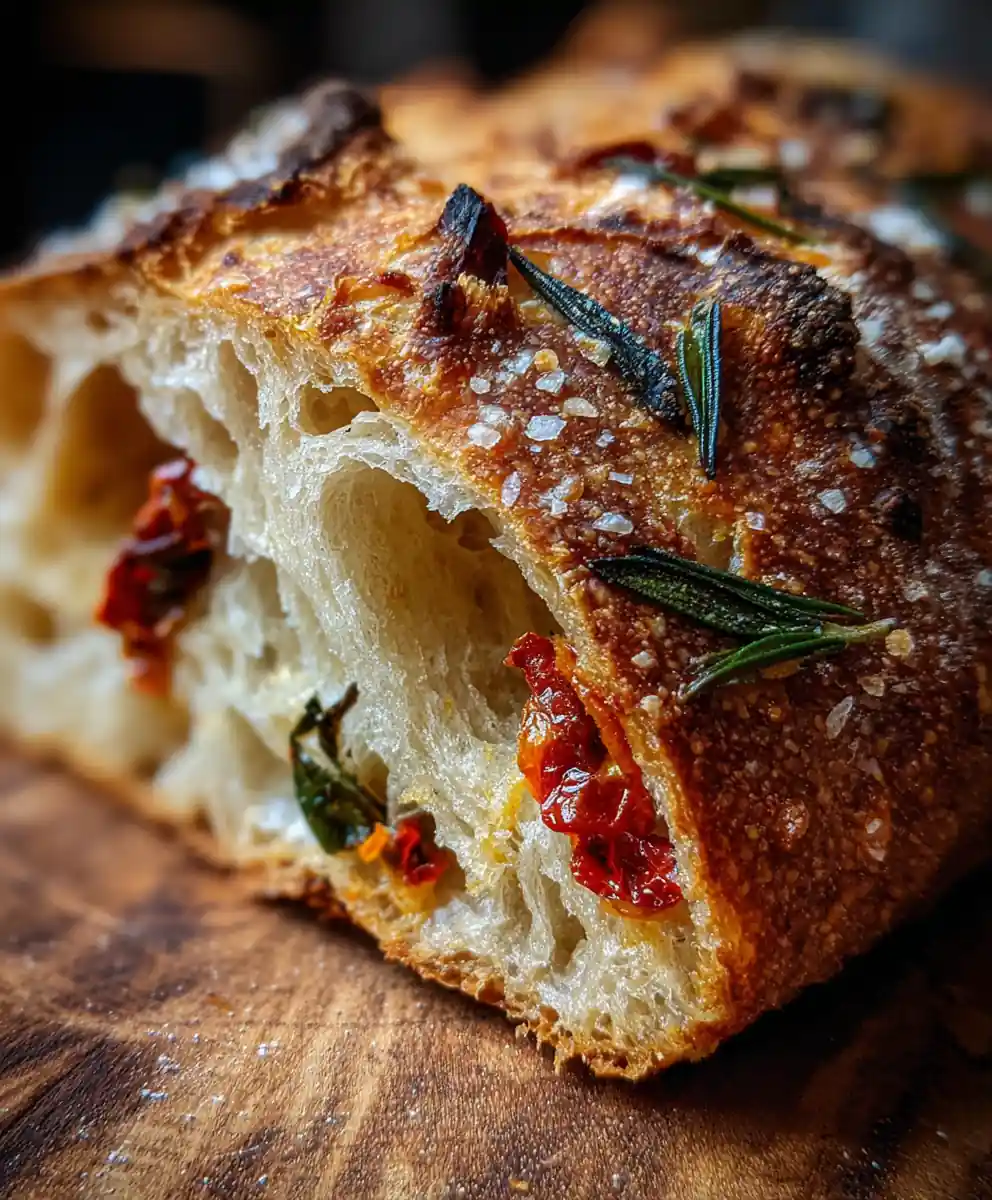
- Sundried Tomatoes: 60g (1/2 cup), oil-packed, drained and finely chopped. Adds a concentrated savory, sweet, and tangy Mediterranean twist.
- Fresh Rosemary: 10g (2 tablespoons), finely chopped, plus extra for garnish. Infuses an aromatic, earthy herb flavor throughout the bread.
- Flaky Sea Salt: 5g (1 teaspoon), for topping. Provides a delightful textural crunch and a burst of salty flavor on the crust.
- Extra Bread Flour: For dusting. Helps prevent sticking when shaping and gives a rustic finish.
How to Make Your Ciabatta Roll Recipe Step by Step
Ready to bake some delicious ciabatta rolls? Follow these straightforward steps to achieve a truly satisfying result.
1. Prepare the Poolish (8-12 hours ferment) In a medium bowl, combine 200g (1 2/3 cups) bread flour, 200ml (7/8 cup) lukewarm water, and 2g (1/2 teaspoon) instant dry yeast. Mix until just combined with no dry spots. Cover loosely and ferment at room temperature (20-22°C / 68-72°F) for 8-12 hours, or until bubbly and slightly collapsed in the center. If your poolish isn’t bubbly after this time, your yeast may be old; try again with fresh yeast.
2. Mix the Main Dough (5-10 minutes mixing) To the fermented poolish, add the remaining 150ml (2/3 cup) room temperature water, 3g (1 teaspoon) instant dry yeast, 10g (1.5 teaspoons) fine sea salt, and 20ml (1.5 tablespoons) olive oil. Stir to combine. Add the remaining 200g (1 2/3 cups) bread flour and mix with a sturdy spoon or your hands until a shaggy, wet dough forms and all flour is hydrated. It will be very sticky.
3. Incorporate Twist Ingredients (2 minutes) Gently fold in the finely chopped sundried tomatoes and fresh rosemary until they are evenly distributed throughout the dough. Avoid overworking it to maintain the airy texture. I find a light hand here really makes a difference for those open pockets.
4. Bulk Fermentation & Folds (2 to 2.5 hours total) Lightly oil a large bowl with olive oil. Transfer the dough, turning once to coat, then cover tightly with plastic wrap. Let it rest for 30 minutes. Perform your first ‘stretch and fold’ with wet hands: grab one edge, stretch it upwards, and fold it over the opposite side. Rotate the bowl and repeat three more times. Cover and rest for 30 minutes. Repeat this stretch and fold process three more times (for a total of four sets), resting 30 minutes between each, until the dough feels stronger and gassy.
5. Shape the Rolls (10-15 minutes) Lightly flour a clean work surface with extra bread flour. Gently turn the dough out, being careful not to deflate it. Stretch the dough into a rectangle, about 2.5 cm (1 inch) thick. Using a bench scraper, divide the dough into 6-8 equal rectangular portions. Avoid over-handling to preserve the desired airy structure of your ciabatta roll recipe.
6. Final Proof (45-60 minutes) Carefully transfer the shaped rolls to a baking sheet lined with parchment paper, leaving generous space. Lightly dust the tops with more flour. Cover loosely with plastic wrap or a light kitchen towel and let proof at room temperature for 45-60 minutes, or until noticeably puffy and soft to the touch.
7. Preheat Oven (20-25 minutes before baking) While the rolls proof, preheat your oven to 230°C (450°F). If your oven has a steam function, activate it. Otherwise, place a heat-safe pan on the bottom rack for creating steam, which helps achieve that classic crispy crust. Allow it to heat thoroughly for at least 20 minutes.
8. Bake the Ciabatta Rolls (20-25 minutes) Just before baking, mist the rolls lightly with water using a spray bottle and sprinkle generously with flaky sea salt. If using a steam pan, carefully pour about 1 cup (240ml) of hot water into it (use caution for the burst of steam). Immediately place the baking sheet in the oven. Bake for 20-25 minutes, or until the ciabatta rolls are deeply golden brown and sound hollow when tapped on the bottom.
9. Cool & Enjoy (at least 30 minutes) Remove the ciabatta rolls from the oven and transfer them to a wire rack to cool completely. Cooling is crucial for the internal structure to set and for the crust to remain crisp. Serve warm, perhaps with extra virgin olive oil for dipping, or as part of your easy dinner ideas.
Best Ways to Enjoy Your Homemade Ciabatta Rolls
Everyday Meals & Quick Lunches
For everyday meals and quick lunches, your homemade ciabatta rolls are incredibly versatile.
- Sandwiches: The ultimate bread for deli meat, grilled veggies, or a classic Caprese.
- Dipping: Perfect with olive oil and balsamic, or a hearty soup/stew.
- Garlic Bread: Slice, butter, garlic, toast – instant classic.
- Meal Prep Idea: Bake ahead and freeze for grab-and-go lunches.
Special Occasions & Family Gatherings
These rolls add a rustic, comforting touch to any gathering.
- Appetizer Platter: Serve alongside cheeses, olives, and charcuterie for a sophisticated spread.
- Holiday Side: A lovely rustic addition to Thanksgiving or Christmas dinner.
- Kids’ Favorite: Smaller ciabatta rolls make excellent mini-subs for school lunches.
Perfect Pairings
Ciabatta pairs wonderfully with many dishes.
- Soups & Stews: Fantastic with tomato soup, minestrone, or a hearty beef stew.
- Salads: A fresh green salad, Caesar, or a robust pasta salad.
- Beverages: Enjoy with iced tea, sparkling water, or a simple glass of red wine.
Nutrition & Everyday Wellness with Your Ciabatta Roll Recipe
Making bread from scratch means you control all the ingredients, ensuring these are a healthy recipe for dinner or lunch. The wholesome carbs provide sustained energy, keeping busy families fueled throughout the day.
The satisfying chewiness of homemade ciabatta rolls helps you feel full and content. Pair them with lean protein and plenty of veggies for easy high-protein meals. Consider using some whole wheat flour for an even more nutritious ciabatta roll recipe that supports healthy growth for your entire family.
How This Ciabatta Roll Recipe Solves Common Needs
This simple ciabatta roll recipe addresses several common needs for busy households and home cooks:
- Budget-Friendly Baking: Making your own is far cheaper than buying store-bought, saving money on quality bread.
- Convenience for Busy Lives: With make-ahead options, this easy ciabatta roll recipe fits into a packed schedule, perfect for family meal prep ideas.
- Healthier Eating at Home: Control ingredients for a wholesome, additive-free bread, supporting healthier eating goals.
- Versatile Meal Foundation: These rolls are adaptable for countless meals, from simple toasts to elaborate sandwiches.
Expert Pointers and Smart Variations for Ciabatta Rolls
Cooking Tricks for Best Results
- Use a Stand Mixer: A stand mixer makes handling the sticky dough much easier, though hands work great too!
- Steam for Crust: Place a shallow pan of water on the bottom rack during baking for a crispier crust on your ciabatta rolls.
- Overnight Cold Ferment: For deeper flavor, let the dough rise slowly in the fridge overnight. Bake fresh the next day for an amazing taste.
Family & Diet Adjustments
- Mini Rolls for Kids: Shape into smaller portions for kid-friendly ciabatta rolls that are perfect for little hands.
- Gluten-Free Ciabatta (Experiment): While challenging, some specialty gluten-free flour blends can be adapted. This isn’t inherently a gluten-free snacks recipe, but dedicated GF flours could work with modifications.
- Vegan Ciabatta: This recipe is naturally vegan! Simply ensure your olive oil is animal-product free.
- Add-Ins Galore: Cheese, olives, chopped onions, sun-dried tomatoes – customize your ciabatta roll recipe endlessly.
Common Questions About Your Ciabatta Roll Recipe
Can I freeze ciabatta rolls for later?
Yes! Once completely cooled, wrap baked ciabatta rolls tightly in plastic wrap and then foil, freezing them for up to 2 months. Thaw at room temperature and reheat in a 350°F (175°C) oven for about 10-15 minutes for fresh-baked taste.
What’s the healthiest way to make ciabatta rolls?
To maximize health benefits, use a portion of whole wheat flour for added fiber and keep the olive oil moderate. This ciabatta roll recipe is already quite wholesome, focusing on simple, natural ingredients.
Which ingredients are best for meal prepping ciabatta rolls?
For meal prepping, stick to the basic flour, yeast, water, olive oil, and salt. Add-ins like dried herbs or garlic powder also freeze well within the ciabatta rolls, maintaining their flavor and texture.
Why is my ciabatta dough so sticky?
Ciabatta dough is intentionally very wet and sticky! This high hydration is crucial for creating those characteristic open, airy pockets. Avoid adding too much extra flour during mixing or handling, as it will make the rolls dense.
Can I make this ciabatta roll recipe without a stand mixer?
Absolutely! Hand-mixing works perfectly; I often use a sturdy spoon and a bowl scraper to manage the sticky dough without fuss on busy weeknights. Embrace the stickiness – it’s a sign of good ciabatta.
How do I get those big holes in my ciabatta rolls?
The secret lies in high hydration (a very wet dough), gentle handling to preserve the air bubbles, and proper long fermentation. Don’t overwork the dough, and allow it sufficient time to rise.
Conclusion
So there you have it – a truly simple and satisfying ciabatta roll recipe that delivers bakery-worthy results right in your own kitchen. Fresh, chewy, and wonderfully versatile, these homemade ciabatta rolls will quickly become a family favorite for healthy eating and quick meals. Why wait? Pin this recipe, grab your ingredients, and try baking these delightful rolls tonight!
Print
ciabatta roll recipe
- Total Time: 700 minutes
- Yield: 6–8 servings 1x
- Diet: General
Description
This easy ciabatta roll recipe yields a chewy interior and crisp crust, perfect for busy families. It simplifies traditional methods, allowing even beginner bakers to achieve bakery-quality results with confidence.
Ingredients
- 400g (3 1/3 cups) bread flour
- 350ml (1.5 cups) water (lukewarm and room temperature)
- 5g (1.5 teaspoons) instant dry yeast
- 10g (1.5 teaspoons) fine sea salt
- 20ml (1.5 tablespoons) olive oil, plus extra for oiling bowl
- 60g (0.5 cup) sundried tomatoes, oil-packed, drained and finely chopped
- 10g (2 tablespoons) fresh rosemary, finely chopped, plus extra for garnish
- 5g (1 teaspoon) flaky sea salt, for topping
- Extra bread flour, for dusting
Instructions
- Prepare Poolish: In a medium bowl, combine 200g (1 2/3 cups) bread flour, 200ml (7/8 cup) lukewarm water, and 2g (1/2 teaspoon) instant dry yeast. Mix until just combined. Cover loosely and ferment at room temperature (20-22C / 68-72F) for 8-12 hours, or until bubbly and slightly collapsed in the center.
- Mix Main Dough: To the fermented poolish, add the remaining 150ml (2/3 cup) room temperature water, 3g (1 teaspoon) instant dry yeast, 10g (1.5 teaspoons) fine sea salt, and 20ml (1.5 tablespoons) olive oil. Stir to combine. Add the remaining 200g (1 2/3 cups) bread flour and mix until a shaggy, wet, very sticky dough forms and all flour is hydrated.
- Incorporate Twist Ingredients: Gently fold in the finely chopped sundried tomatoes and fresh rosemary until evenly distributed. Avoid overworking to maintain an airy texture.
- Bulk Fermentation and Folds: Lightly oil a large bowl with olive oil. Transfer dough, turning once to coat, then cover tightly with plastic wrap. Let it rest for 30 minutes. Perform your first (stretch and fold) with wet hands (grab one edge, stretch it upwards, and fold it over the opposite side). Rotate bowl and repeat three more times. Cover and rest for 30 minutes. Repeat this stretch and fold process three more times (for a total of four sets), resting 30 minutes between each, until the dough feels stronger and gassy.
- Shape the Rolls: Lightly flour a clean work surface with extra bread flour. Gently turn the dough out, careful not to deflate it. Stretch the dough into a rectangle, about 2.5 cm (1 inch) thick. Using a bench scraper, divide the dough into 6-8 equal rectangular portions. Avoid over-handling.
- Final Proof: Carefully transfer the shaped rolls to a baking sheet lined with parchment paper, leaving generous space. Lightly dust tops with more flour. Cover loosely with plastic wrap or a light kitchen towel and let proof at room temperature for 45-60 minutes, or until noticeably puffy and soft.
- Preheat Oven: While rolls proof, preheat oven to 230C (450F). If your oven has a steam function, activate it. Otherwise, place a heat-safe pan on the bottom rack for creating steam. Allow to heat thoroughly for at least 20 minutes.
- Bake Ciabatta Rolls: Just before baking, mist rolls lightly with water using a spray bottle and sprinkle generously with flaky sea salt. If using a steam pan, carefully pour about 1 cup (240ml) of hot water into it (use caution for the burst of steam). Immediately place baking sheet in oven. Bake for 20-25 minutes, or until deeply golden brown and sound hollow when tapped on bottom.
- Cool and Enjoy: Remove rolls from oven and transfer to a wire rack to cool completely. Cooling is crucial for the internal structure to set and for the crust to remain crisp. Serve warm.
Notes
If your poolish isn’t bubbly after 8-12 hours, your yeast may be old; try again with fresh yeast. For a richer taste, choose a good quality extra virgin olive oil. Cooling completely on a wire rack is crucial for the internal structure and crisp crust. Store leftover rolls in an airtight container at room temperature for up to 2-3 days, or freeze for longer storage.
- Prep Time: 35 minutes
- Cook Time: 22 minutes
- Category: Bread
- Method: Baking
- Cuisine: Italian
Nutrition
- Serving Size: 1 roll (90 g)
- Calories: 240 calories
- Sugar: 1 g
- Sodium: 320 mg
- Fat: 5 g
- Saturated Fat: 1 g
- Unsaturated Fat: 4 g
- Trans Fat: 0 g
- Carbohydrates: 39 g
- Fiber: 2 g
- Protein: 6 g
- Cholesterol: 0 mg
Keywords: easy ciabatta, homemade bread, chewy crust, crisp crust, family-friendly, beginner baker, sundried tomato, rosemary, Italian bread, artisan bread
FREE PRINTABLE RECIPE
Get the Printable Recipe PDF (Free)
Enter your email and we’ll send you the ingredients + step-by-step instructions as a clean PDF you can save to your phone.
- ✅ Printable PDF (ingredients + steps)
- ✅ Save it to your phone (no long scrolling)
- ✅ Includes cook time + servings
- ✅ Easy to follow
FAQ
Where’s the full recipe?
It’s delivered as a printable PDF so you can save it and cook without scrolling.
I didn’t get the email.
Check Spam/Promotions and search your inbox for your site name. Then click Confirm to receive the PDF.