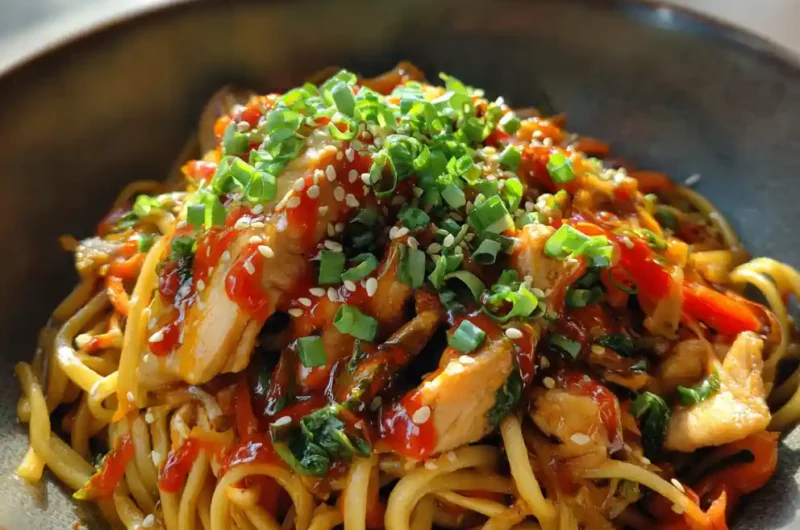
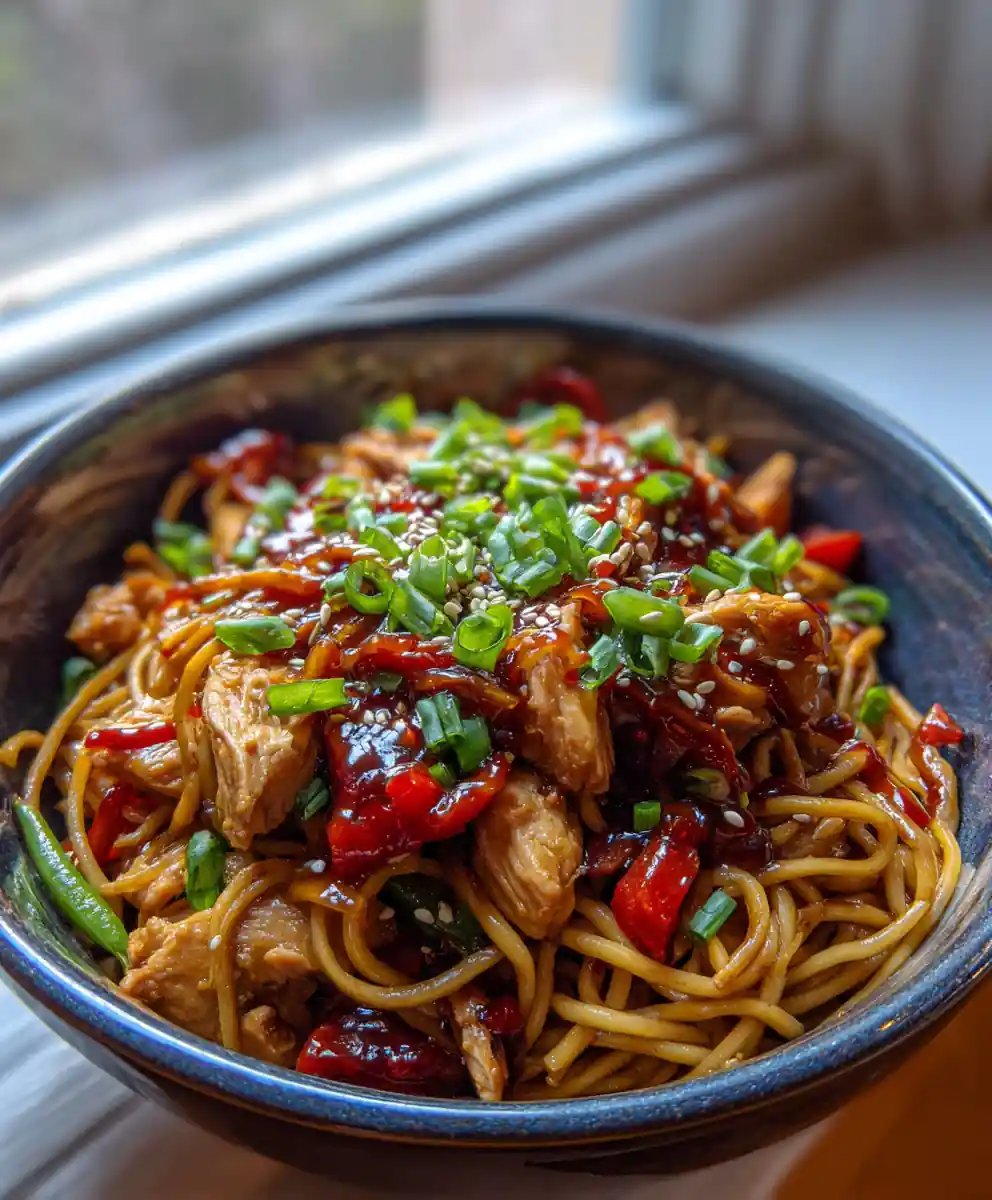
I’m always looking for ways to replace takeout with easy, family-friendly options at home. This lo mein sauce recipe focuses on a rich, savory base enhanced by a simple, homemade aromatic chili drizzle that takes the flavor to another level. We’ll cover everything from prepping the ingredients efficiently to creating the perfect texture for a hearty, family-friendly meal. The secret is creating layers of flavor, starting with a balanced sauce and finishing with a vibrant chili oil infusion. Get ready for a quick weeknight meal that tastes like it came from your favorite restaurant.
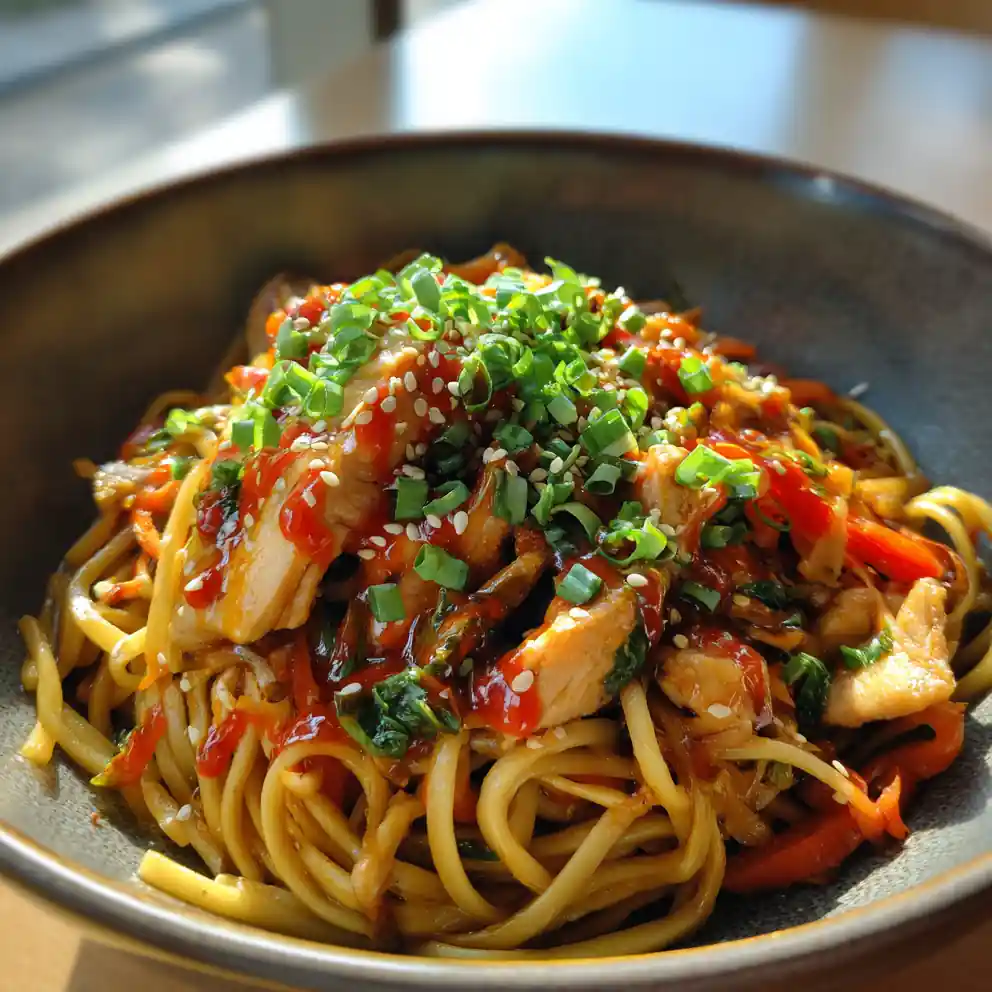
Ingredients
- Lo Mein Noodles: Use 340 g (12 oz) fresh or dried lo mein noodles, or substitute with fresh or dried egg noodles if lo mein noodles are unavailable. Fresh noodles cook faster (about 2-3 minutes) while dried noodles require around 5-7 minutes; follow package directions for al dente. Fresh noodles provide a chewier texture and a more authentic feel to the final dish.
- Chicken Protein: Use 2 boneless, skinless chicken breasts (about 1 lb total) or 3 boneless thighs for richer flavor. Slice the chicken thinly against the grain to ensure quick cooking and maximum tenderness; this prevents a chewy texture. Marinate the sliced chicken in a small amount of low-sodium soy sauce and cornstarch to tenderize it and protect it from drying out during the stir-fry process.
- Aromatics for Chili Drizzle: Gather 2 dried red chilies (like chili de arbol) for medium heat, 1 tsp Sichuan peppercorns for a numbing, citrusy note, and 2 star anise pods for warm licorice notes. These aromatics are infused into 120 ml (1/2 cup) neutral oil (canola, vegetable, or grapeseed oil) over low heat for maximum flavor extraction. The resulting oil is strained, creating a clean, aromatic drizzle that adds complexity without gritty solids.
- Lo Mein Sauce Base: The sauce combines 120 ml (1/2 cup) vegetable broth, 2 tbsp low-sodium soy sauce, 1 tbsp dark soy sauce (optional, for color and deeper flavor), 1 tbsp rice vinegar (unseasoned), 1 tbsp maple syrup or light brown sugar, and 1 tbsp cornstarch. The cornstarch acts as a thickening agent, ensuring the sauce coats the noodles and vegetables evenly for a glossy finish. The maple syrup balances the savory notes of the soy sauce and vinegar for a well-rounded flavor profile.
- Fresh Vegetables: Use 1 small carrot (julienned), 1/2 red bell pepper (thinly sliced), 1 cup (100 g) snap peas (trimmed), 4-5 rehydrated shiitake mushrooms (stems removed, thinly sliced) or 1 cup fresh cremini mushrooms, and 1/4 small head green cabbage (thinly sliced). This combination provides a variety of textures and colors, ensuring a satisfying bite with every forkful. Slicing the vegetables thinly ensures they cook quickly and remain crisp-tender during the stir-fry process.
- Final Touches: You will also need 3 cloves garlic (minced), 2 cm (1 inch) fresh ginger (grated), 3 green onions (white and green parts separated), and 1/2 tsp toasted sesame seeds.
Instructions
1. Cook the noodles and prepare the aromatic chili oil: Cook 340 g lo mein noodles according to package instructions, ensuring they are slightly al dente. Drain thoroughly and rinse with cold water immediately to stop the cooking process and prevent sticking; toss with 1 tbsp neutral oil. In a small saucepan, combine 120 ml neutral oil, dried chilies, Sichuan peppercorns, star anise, 1 minced garlic clove, and 1/2 tsp grated ginger; heat over low heat for 10-15 minutes until fragrant, then strain and reserve half of the infused oil for drizzling.
2. Prepare the chicken and sauce base: In a medium bowl, combine the thinly sliced chicken with 1 tbsp low-sodium soy sauce and 1 tsp cornstarch; toss to coat and set aside for 10 minutes. In a separate small bowl, whisk together the lo mein sauce base (vegetable broth, 2 tbsp low-sodium soy sauce, dark soy sauce, rice vinegar, maple syrup, and cornstarch) until smooth and set aside. Ensure the cornstarch is completely dissolved in the broth mixture to prevent lumps when adding it to the wok.
3. Stir-fry the chicken and vegetables: Heat a large wok or skillet over high heat until smoking lightly. Add 1 tbsp of the prepared infused oil, then add the marinated chicken and stir-fry for 2-3 minutes until browned on the edges and cooked through; remove from the wok and set aside. Add another 1 tbsp of the infused oil to the wok, then add the julienned carrot, bell pepper, snap peas, sliced mushrooms, and white parts of the green onions; stir-fry for 3-4 minutes until vegetables are crisp-tender. I find that adding the vegetables in stages like this helps maintain the crisp texture, rather than overcrowding the wok.
4. Finish the stir-fry and combine: Return the cooked chicken to the wok. Add the remaining minced garlic and grated ginger to the vegetables and stir-fry for 30 seconds until fragrant. Pour in the prepared lo mein sauce mixture and stir constantly until the sauce thickens and coats the vegetables and chicken, about 1-2 minutes. If the sauce seems too thick, add 1-2 tablespoons of vegetable broth to loosen it slightly.
5. Add the noodles and serve: Add the prepared lo mein noodles to the wok and toss vigorously using tongs for 2-3 minutes, ensuring everything is thoroughly coated in the glossy sauce. Serve immediately in deep bowls, drizzling each portion generously with the reserved aromatic chili oil. Garnish with the green parts of the sliced green onions and a sprinkle of toasted sesame seeds for enhanced flavor and presentation.
The Secret to Restaurant-Style Lo Mein: Mastering the Sauce Base and Chili Oil Drizzle
The key to restaurant-quality flavor lies in a multi-layered approach to the lo mein sauce. The base sauce provides the savory, sweet, and tangy foundation through low-sodium soy sauce, maple syrup, and rice vinegar. The dark soy sauce (optional but recommended) adds a deeper color and more robust umami flavor without significantly increasing sodium. The aromatic chili oil drizzle is essential for creating complexity; the infusion of star anise, Sichuan peppercorns, and dried chilies adds a final layer of heat and warmth that elevates the dish beyond simple takeout. Don’t skip the cornstarch; it creates a glossy, thick texture that coats the noodles, preventing a watery consistency.
Meal Prep Tips and Make-Ahead Strategies
This lo mein sauce recipe is perfect for healthy meal prep. Whisk the sauce base ingredients together (vegetable broth, soy sauces, vinegar, maple syrup, cornstarch) and store in an airtight container in the refrigerator for up to 3 days. Cooked, shredded protein can be prepared in advance and added directly to the stir-fry at the end. Chop and slice all vegetables (carrots, bell peppers, cabbage, mushrooms, green onions) in advance and store them in separate containers in the refrigerator. Reheating: Lo mein is best served fresh, but leftovers can be reheated on a skillet over medium heat, adding a small amount of water or vegetable broth to loosen the sauce and prevent drying out.
Lo Mein Troubleshooting and Customization Ideas
Problem: The sauce is too thin or watery. Solution: Make sure the cornstarch is thoroughly whisked into the sauce mixture before adding it to the wok. If necessary, create a slurry with 1 tsp additional cornstarch and 1 tbsp cold water, and stir it in slowly at the end. Problem: The noodles clump together. Solution: Ensure you rinse the noodles with cold water after boiling and toss immediately with neutral oil to prevent sticking. Customization: For extra heat, increase the number of dried red chilies in the aromatic oil infusion. Variation: Substitute the chicken with shrimp, firm tofu (marinated similarly), or sliced turkey breast for different protein options. I also keep a small amount of cornstarch slurry nearby for stir-fries because sometimes the heat in my wok varies, and I need a quick fix for thickening this lo mein sauce recipe. Add-ins: Include other vegetables like broccoli florets, bok choy, or edamame for more variety.
FAQs
Can I use regular soy sauce instead of low-sodium?
Yes, but you may want to reduce the amount slightly to manage the saltiness level in your lo mein sauce recipe. Low-sodium soy sauce provides more control over the overall flavor balance, especially when using dark soy sauce as well.
What does dark soy sauce do?
It primarily adds a dark, rich color to the noodles and provides a slightly deeper, less salty umami flavor than light soy sauce. It is optional, but I think it gives this specific lo mein sauce recipe a more authentic, restaurant-style appearance.
Can I make the lo mein sauce without the chili oil?
Yes, you can skip the chili oil infusion and use regular toasted sesame oil or a store-bought chili oil for the drizzle, though the homemade aromatic version adds unique flavor. The chili oil is a key part of this specific lo mein sauce recipe to differentiate it.
How do I store leftover lo mein?
Store leftovers in an airtight container in the refrigerator for up to 3 days. Reheat in a skillet over medium heat with a splash of water or broth to loosen the noodles and prevent drying out.
Is this recipe freezer-friendly?
No, lo mein noodles tend to become mushy when frozen and thawed. It’s best eaten fresh or refrigerated within 3 days. The texture of the vegetables also degrades significantly upon freezing.
What makes lo mein different from chow mein?
Lo mein noodles are boiled and then added to the sauce to soak up the flavor, while chow mein noodles are typically stir-fried or pan-fried until crispy. This lo mein sauce recipe method focuses on coating soft noodles rather than crisping them.
Conclusion
This lo mein sauce recipe provides a perfect balance of savory, sweet, and aromatic flavors for a truly satisfying family-friendly meal. Save this easy dinner idea to your Pinterest board for quick access to a delicious, healthy meal this week.
Print
lo mein sauce recipe
- Total Time: 35 minutes
- Yield: 4 servings 1x
- Diet: General
Description
A hearty, family-friendly lo mein recipe featuring a rich, savory sauce and an aromatic homemade chili oil drizzle for enhanced flavor.
Ingredients
- 340 g lo mein noodles or egg noodles
- 1 lb boneless skinless chicken breasts or thighs
- 1 tbsp low-sodium soy sauce (for marinade)
- 1 tsp cornstarch (for marinade)
- 1 small carrot, julienned
- 0.5 red bell pepper, sliced
- 1 cup snap peas, trimmed
- 1 cup sliced mushrooms (shiitake or cremini)
- 0.25 small head green cabbage, sliced
- 3 cloves garlic, minced (divided)
- 1 inch fresh ginger, grated (divided)
- 3 green onions, white and green parts separated
- 120 ml vegetable broth
- 2 tbsp low-sodium soy sauce (for sauce base)
- 1 tbsp dark soy sauce (optional)
- 1 tbsp rice vinegar (unseasoned)
- 1 tbsp maple syrup or light brown sugar
- 1 tbsp cornstarch (for sauce base)
- 120 ml neutral oil (canola, vegetable, or grapeseed oil)
- 2 dried red chilies
- 1 tsp Sichuan peppercorns
- 2 star anise pods
- 0.5 tsp toasted sesame seeds
Instructions
- Cook Noodles and Prepare Chili Oil: Cook lo mein noodles according to package instructions until slightly al dente. Drain, rinse immediately with cold water, and toss with 1 tbsp neutral oil to prevent sticking. In a small saucepan, combine 120 ml neutral oil, dried chilies, Sichuan peppercorns, star anise, 1 minced garlic clove, and 0.5 tsp grated ginger; heat over low heat for 10-15 minutes until fragrant, then strain and reserve half of the infused oil for drizzling.
- Prepare Chicken and Sauce Base: In a medium bowl, combine the thinly sliced chicken with 1 tbsp low-sodium soy sauce and 1 tsp cornstarch; toss to coat and set aside for 10 minutes. In a separate small bowl, whisk together the lo mein sauce base (vegetable broth, 2 tbsp low-sodium soy sauce, dark soy sauce, rice vinegar, maple syrup, and cornstarch) until smooth and set aside.
- Stir-fry Chicken and Vegetables: Heat a large wok or skillet over high heat. Add 1 tbsp of the prepared infused oil, then add the marinated chicken and stir-fry for 2-3 minutes until browned on the edges and cooked through; remove from the wok and set aside. Add another 1 tbsp of the infused oil to the wok, then add the julienned carrot, bell pepper, snap peas, sliced mushrooms, and white parts of the green onions; stir-fry for 3-4 minutes until vegetables are crisp-tender.
- Combine Stir-fry and Sauce: Return the cooked chicken to the wok. Add the remaining minced garlic and grated ginger to the vegetables and stir-fry for 30 seconds until fragrant. Pour in the prepared lo mein sauce mixture and stir constantly until the sauce thickens and coats the vegetables and chicken, about 1-2 minutes.
- Add Noodles and Serve: Add the prepared lo mein noodles to the wok and toss vigorously using tongs for 2-3 minutes, ensuring everything is thoroughly coated in the glossy sauce. Serve immediately, drizzling each portion generously with the reserved aromatic chili oil and garnishing with green onions and toasted sesame seeds.
Notes
Rinse cooked noodles immediately with cold water to prevent sticking; add vegetables in stages to maintain crisp texture; add 1-2 tbsp vegetable broth if sauce is too thick. Store leftovers in an airtight container for up to 3 days.
- Prep Time: 15 minutes
- Cook Time: 20 minutes
- Category: Main Course
- Method: Stir-frying
- Cuisine: Chinese
Nutrition
- Serving Size: 1 serving
- Calories: 510 calories
- Sugar: 5 g
- Sodium: 590 mg
- Fat: 18 g
- Saturated Fat: 4 g
- Unsaturated Fat: 11 g
- Trans Fat: 0 g
- Carbohydrates: 58 g
- Fiber: 4 g
- Protein: 33 g
- Cholesterol: 90 mg
Keywords: lo mein, chicken, stir fry, noodles, asian, weeknight meal, chili oil, family friendly, chinese
FREE PRINTABLE RECIPE
Get the Printable Recipe PDF (Free)
Enter your email and we’ll send you the ingredients + step-by-step instructions as a clean PDF you can save to your phone.
- ✅ Printable PDF (ingredients + steps)
- ✅ Save it to your phone (no long scrolling)
- ✅ Includes cook time + servings
- ✅ Easy to follow
FAQ
Where’s the full recipe?
It’s delivered as a printable PDF so you can save it and cook without scrolling.
I didn’t get the email.
Check Spam/Promotions and search your inbox for your site name. Then click Confirm to receive the PDF.